
Sekihan (Red Bean Rice for Celebrations)
Why this recipe works
- Natural colour and flavour: Cooking the rice in the reserved adzuki liquid gives sekihan its recognisable pink tint and gentle bean fragrance without extra colouring.
- Chewy rice, whole beans: Glutinous rice provides the soft, sticky chew, while carefully simmered adzuki beans stay intact for a distinct bite.
- Simple finishing balance: Black sesame adds nuttiness and a little crunch, while fine sea salt sharpens the mild rice and bean flavour at the table.
Get the most out of this recipe
Authenticity notes
- A celebration rice: Sekihan is closely associated with Japanese celebrations and auspicious occasions, where its red-tinged colour is considered fitting for festive meals.
- Bean liquid matters: Using the adzuki cooking liquid to steam the rice is central to the dish, giving an even colour and a more integrated flavour.
- Sesame and salt finish: A sesame-and-salt finish is the classic contrast to the mild rice, adding savoury lift without overpowering the adzuki.
Timing notes
- Mostly hands-off cooking: The active work is brief; most of the time is spent gently simmering the beans, then steaming and resting the rice.
- Rest before serving: Letting the rice sit covered after cooking helps the grains finish steaming evenly and makes the texture more settled.
- Best served warm: Sekihan is at its most fragrant and tender when served warm, though it can be cooled and reheated successfully.
Common mistakes
- Splitting the beans: Cook the adzuki until tender but still holding their shape; split beans can muddy the liquid and break apart when folded through the rice.
- Using too much heat for the rice: After the liquid comes to the boil, keep the heat very low so the rice can steam gently rather than scorch or cook unevenly.
- Adding liquid too early: Only add extra bean liquid or water if the rice still seems firm after its covered steaming time; adding too much too soon can make it heavy.
Make-ahead tips
- Prepare in stages: The beans and their cooking liquid can be prepared ahead and chilled separately, then used to cook the rice closer to serving.
- Freeze in portions: Cooked sekihan freezes well in portions once completely cooled, making it easier to reheat only what you need.
- Reheat gently: Warm it covered over low heat with a small splash of water so the rice softens again without drying out.
Equipment you'll need
Ingredients
Instructions
- Rinse the adzuki beans, then put them in a large pot with the water. Bring to the boil for 2 minutes, then drain in a colander and return the beans to the pot.
- Add fresh water to cover the beans generously and bring to a gentle simmer. Cook for 35 to 45 minutes until the beans are tender but still holding their shape, topping up with a little water if needed.
- Drain the beans, catching the cooking liquid in a bowl, then spread the beans out to cool slightly. Measure 420 ml of the reserved liquid into a saucepan and top up with water if you are short; if you have extra, keep it aside.
- Rinse the glutinous rice in several changes of water until the water runs mostly clear, then drain well. Tip the rice into the saucepan with the measured bean liquid, bring to the boil, then immediately cover and turn the heat to very low.
- Cook for 15 minutes, then turn off the heat and leave, covered, for 10 minutes to finish steaming. The rice should be tender and lightly pink; if it seems a touch firm, splash in a little of the extra bean liquid or water, cover, and steam 5 minutes more.
- Gently fold the cooked adzuki beans through the rice, taking care not to crush them. Serve warm, sprinkled with black sesame seeds and a light dusting of fine sea salt.
Recipe notes
Tips
- For the most even colour, avoid overcooking the beans; they should be tender but not splitting, so the cooking liquid stays clear and rosy rather than muddy.
- If you have time, let the cooked rice rest for 10 minutes after folding in the beans; it helps the grains settle and keeps the beans intact.
- Taste the rice before serving and add a tiny extra pinch of fine sea salt if needed, rather than salting heavily in the pot.
Substitutions
- Replace black sesame seeds with white sesame seeds for a milder, toastier finish.
- Replace fine sea salt with pink himalayan salt for a slightly rounder salinity.
Storage
- Refrigerate up to 2 days
- Cool completely, then refrigerate in a sealed container. Reheat in a saucepan with a splash of water, covered, over low heat until piping hot; or freeze in portions and defrost overnight in the fridge before reheating the same way.
Ratings & reviews
Liked this recipe? Share your feedback to support our cooking community.
Tried this recipe?
Choose 1–5 stars. A comment is optional.
Stay inspired
Discover new recipes, seasonal favourites and cooking inspiration every day. Follow JustRecipes on Pinterest and Spillt.

Recipe overview
- Servings: 4 servings
- Total time: 1h 30min (20min active)
- Difficulty: Medium
- Cuisine: Japanese
-
Allergens:
Sesame
Plan your meals and get a complete grocery list automatically.
Add to meal plannerGot ingredients left?
Find recipes using ingredients from this recipe or what you already have at home.
Find recipes with these ingredients →
Arroz con Pollo a la Española (Spanish Chicken and Rice)
One-pan Spanish chicken and rice cooked in saffron-scented stock

Arroz de Cabrito (Portuguese Oven-Baked Goat Rice)
Oven-baked goat rice with tomato, stock and parsley

Brazilian Rice and Beans
Rice with creamy black beans, lime and coriander

Arroz Rojo (Mexican Red Rice)
Fluffy Mexican red rice with tomato, carrots and peas

Risotto Leggero alle Verdure (Light Vegetable Risotto)
Light vegetable risotto with peas, asparagus and Parmesan

Arroz de Tamboril (Portuguese Monkfish Rice)
Portuguese monkfish rice simmered in tomato and white wine

Sumac Roasted Vegetables with Lemon and Olive Oil
Roasted vegetables with sumac, lemon and olive oil
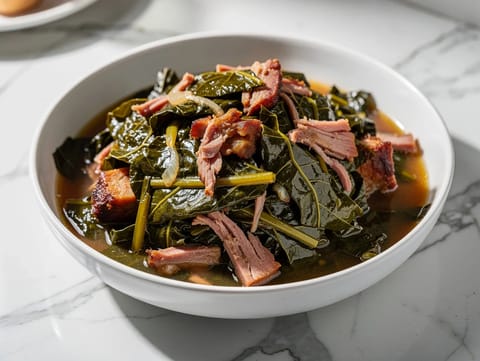
Southern Collard Greens
Slow-simmered collard greens with smoked ham hock

Miso Roasted Cauliflower with Sesame and Spring Onion
Roasted cauliflower glazed with miso, sesame oil and spring onion

Sweet Potato Bravas with Smoky Tomato Bravas Sauce
Roasted sweet potato wedges with smoky tomato bravas sauce
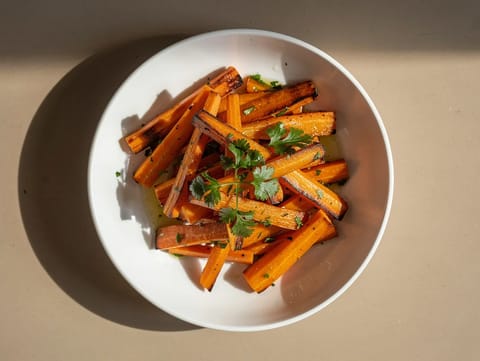
Air Fryer Carrots
Air-fried carrots with honey, cumin and lemon.

Modern Coconut Rice Bowl
Coconut basmati rice with mustard seeds and curry leaves
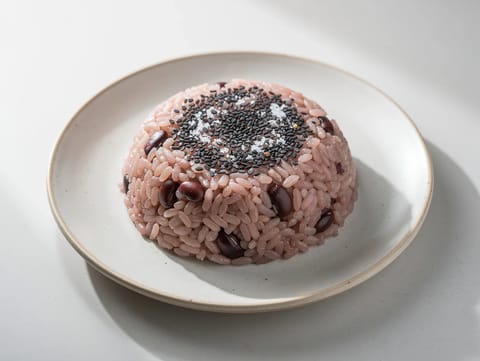
Sekihan (Japanese Adzuki Bean Rice)
Glutinous rice steamed with adzuki beans, sesame and salt
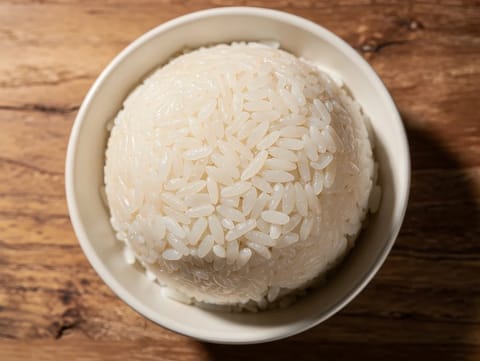
Sticky Rice (Khao Niao)
Thai sticky rice steamed from soaked glutinous rice

Patjuk (Korean Red Bean Porridge)
Korean red bean porridge with rice flour dumplings
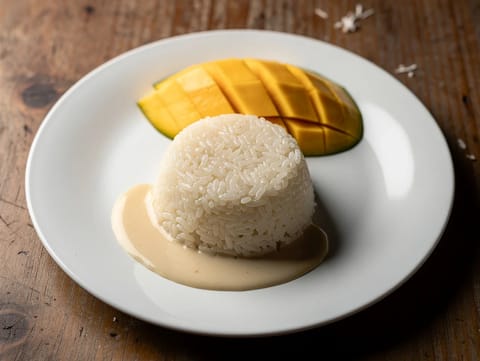
Mango Sticky Rice
Sticky coconut rice served with ripe mango
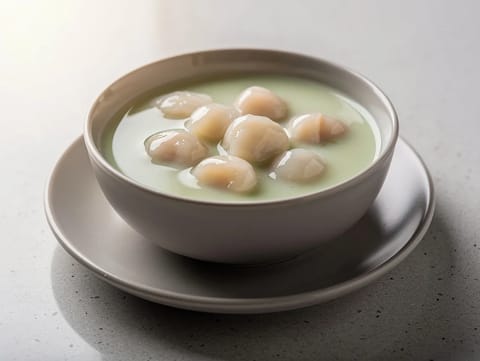
Bua Loy (Sweet Rice Dumplings in Coconut Milk)
Thai rice dumplings served in warm pandan coconut milk

Xoi Xeo (Savoury Mung Bean Sticky Rice)
Turmeric sticky rice with mung beans and fried shallots
You might also like

Paella de Mariscos (Seafood Paella with Prawns, Mussels and Squid)
Saffron rice cooked with prawns, mussels and squid

Zumo de Naranja (Fresh Orange Juice)
Freshly squeezed orange juice served straight away

Pisto Manchego (Slow-Cooked Vegetables with Tomato and Peppers)
Slow-cooked vegetables with tomato, peppers, courgette and aubergine

Air Fryer Steak
Air fryer steak finished with butter and rested before slicing.

Kinderpunsch (Non-Alcoholic Mulled Apple Punch with Orange and Spices)
Mulled apple punch with orange and warming spices
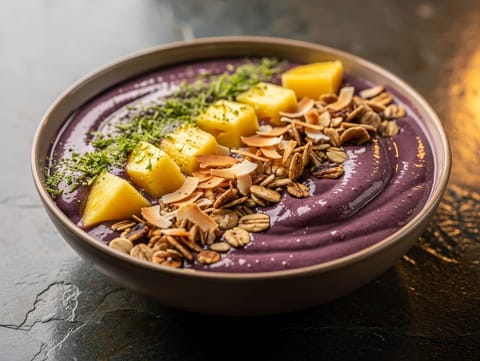
Tropical Açaí Coconut Bowl
A tropical açaí bowl with mango, coconut and pineapple.
Make this recipe easier next time
AdvertisementThese tools help you get better results with less effort.
WMF Mini Saucepan 16 cm with Lid
- High-quality stainless steel
- Even heat distribution
- Higher price point
T-fal Specialty Nonstick Handy Pot with Glass Lid 3 Quart
- Easy food release
- Dishwasher safe
- Not induction compatible
All-Clad Tri-Ply Stainless Steel Saucepan
- Excellent heat control
- Premium build quality
- Expensive
Enjoy cooking with JustRecipes?
Add JustRecipes as one of your preferred Google sources to discover our recipes more easily across Google Search.
Add JustRecipes to GoogleEvery recipe on JustRecipes follows the same structured editorial process. Learn how recipes are created, validated, translated, illustrated, and continuously improved across the platform. How we create recipes.
