
Mofongo con Camarones (Puerto Rican Plantain Mash with Prawns)
Why this recipe works
- Contrasting textures: Fried green plantains give the mash structure, with crisp edges, a soft centre and crunchy pork rind throughout.
- Bright sauce: Tomato and lime cut through the richness of the fried plantain and olive oil, keeping the dish lively rather than heavy.
- Classic mashing method: Using a mortar and pestle helps crush the garlic, pork rind and plantain into a coarse, cohesive mash with the right rustic texture.
Get the most out of this recipe
Ingredient notes
- Use firm green plantains: Very green plantains are starchy and savoury, which helps the mofongo hold its shape. Ripe plantains will taste sweeter and mash much softer.
- Dry the prawns well: Patting the prawns dry before seasoning helps them cook cleanly in the sauce rather than releasing excess liquid.
- Pork rind adds more than crunch: Crushed pork rind brings saltiness, texture and a traditional savoury note to the plantain mash.
Texture tips
- Keep the mash coarse: Mash the plantains until they hold together, but avoid working them into a smooth purée; a little texture is part of the dish.
- Add stock gradually: Use just enough stock to bind the mofongo. Too much liquid will make it loose and heavy.
- Serve with plenty of sauce: Spoon the tomato-lime sauce over the mound just before serving so the plantain stays structured while still eating moist.
Common mistakes
- Do not overcook the prawns: Add the prawns at the end and cook only until pink and opaque; overcooked prawns turn firm and rubbery.
- Avoid ripe plantains: Yellow or blackened plantains will give a sweet, soft mash rather than the savoury, firm texture expected from mofongo.
- Serve straight away: Mofongo is best hot, when the edges still have some crispness and the sauce has not softened the mash too much.
Authenticity notes
- Puerto Rican style: Mofongo is closely associated with Puerto Rican cooking, where green plantains are fried, mashed with garlic and often enriched with pork rind.
- Seafood topping: Camarones, or prawns, are a popular topping because their quick-cooked sauce adds moisture and brightness to the dense plantain mash.
Equipment you'll need
Ingredients
Instructions
- Peel the plantains and cut into 2 cm rounds. Thinly slice 4 garlic cloves and finely chop the onion; dice the tomatoes. Pat the prawns dry and season with a pinch of the salt and the black pepper.
- Heat 90 ml of the olive oil in a large frying pan over medium heat. Fry the plantain rounds in batches for 6 to 8 minutes, turning, until golden and tender; lift out with a slotted spoon and drain briefly. Keep the oil in the pan for the sauce.
- In a mortar and pestle, pound the remaining 2 garlic cloves with 1 tsp of the salt to a paste. Add the pork rind and crush to a coarse crumb. Add the fried plantains and mash, drizzling in 30 ml olive oil and 120 ml chicken stock until the mixture holds together but still has some texture.
- Shape the mofongo into 2 mounds on warm plates, pressing firmly so they hold. If it feels dry, work in a splash more chicken stock. Set aside while you finish the prawns.
- Return the pan to medium heat and add the onion to the hot oil; cook for 3 to 4 minutes until softened. Stir in the sliced garlic and ground cumin and cook for 30 seconds until fragrant. Add the tomatoes and cook for 4 to 5 minutes until they break down into a saucy consistency.
- Add the remaining 60 ml chicken stock and simmer for 2 minutes, then squeeze in the lime juice. Add the prawns and cook for 2 to 3 minutes, stirring, until pink and just cooked through. Taste and adjust with the remaining salt if needed.
- Spoon the prawns and tomato lime sauce over the mofongo. Serve straight away while the mash is hot and crisp at the edges.
Recipe notes
Tips
- For the best texture, use very green, firm plantains; ripe plantains will mash sweet and soft rather than savoury and crisp-edged.
- If you are serving anyone who is pregnant, elderly, or immunocompromised, make sure the prawns are cooked until fully opaque and piping hot throughout.
Substitutions
- Replace Chicken stock with Vegetable stock for a lighter, non-meat option.
- Replace Olive oil with Canola oil for frying if you prefer a more neutral flavour.
Storage
- Refrigerate up to 2 days
- Cool leftovers quickly and refrigerate in a sealed container. Reheat the prawns and sauce gently in a saucepan with a splash of chicken stock until piping hot; reheat the mofongo in a 200°C (390°F) oven for 8 to 10 minutes to restore some crispness.
Ratings & reviews
Liked this recipe? Share your feedback to support our cooking community.
Tried this recipe?
Choose 1–5 stars. A comment is optional.
Stay inspired
Discover new recipes, seasonal favourites and cooking inspiration every day. Follow JustRecipes on Pinterest and Spillt.
Recipe overview
- Servings: 2 servings
- Total time: 50min (45min active)
- Difficulty: Medium
- Cuisine: Latin American
-
Allergens:
Crustaceans
Plan your meals and get a complete grocery list automatically.
Add to meal plannerEquipment you'll need
Got ingredients left?
Find recipes using ingredients from this recipe or what you already have at home.
Find recipes with these ingredients →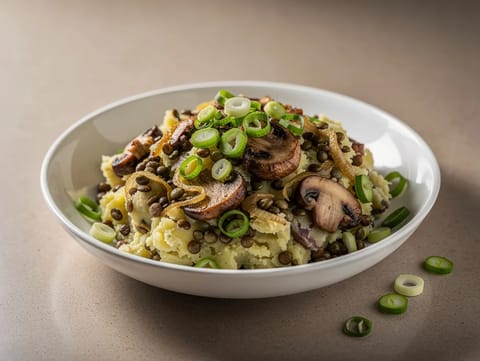
Vegan Stamppot with Lentils and Mushrooms (Dutch Potato Mash)
Vegan Dutch mash with lentils, mushrooms and mustard
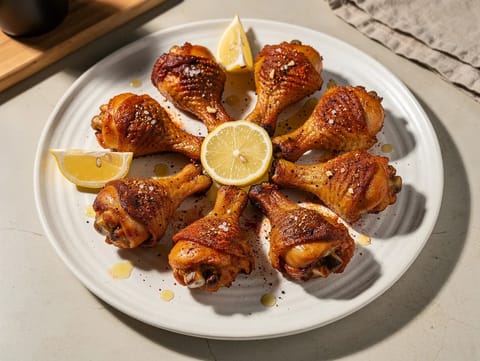
Air Fryer BBQ Chicken Drumsticks
Air-fried chicken drumsticks glazed with barbecue sauce.
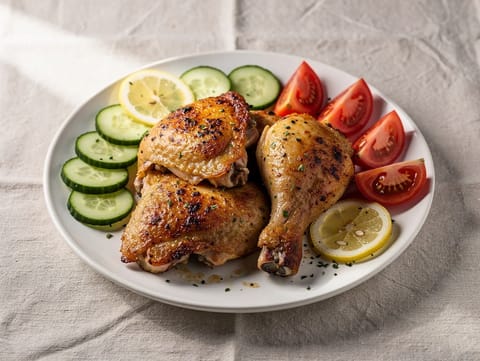
Air Fryer Lemon Yogurt Chicken
Yoghurt and lemon marinated chicken thighs, air fried until golden.
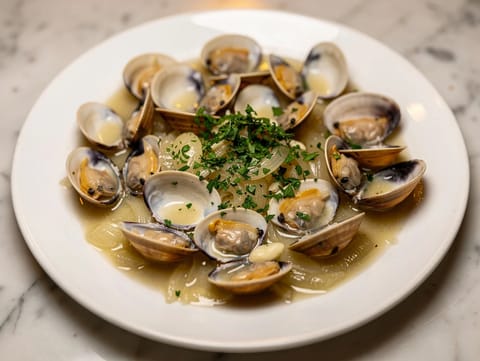
Almejas a la Marinera (Clams in White Wine Sauce)
Clams steamed in white wine sauce with garlic and parsley
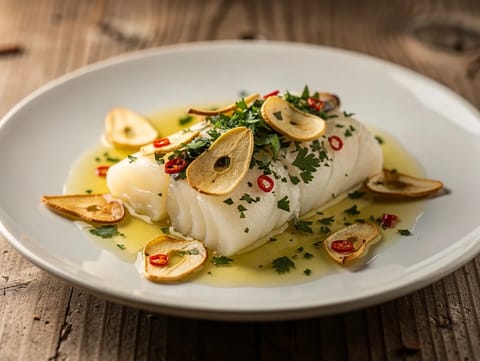
Bacalao al Pil Pil (Salt Cod with Garlic and Chilli Oil)
Salt cod in olive oil with garlic and chilli pil pil sauce
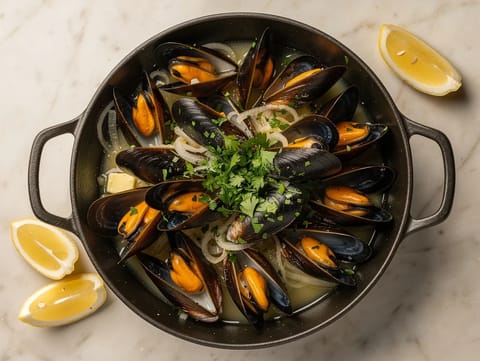
Moules Marinières (Mussels in White Wine)
Mussels steamed in white wine with garlic and parsley
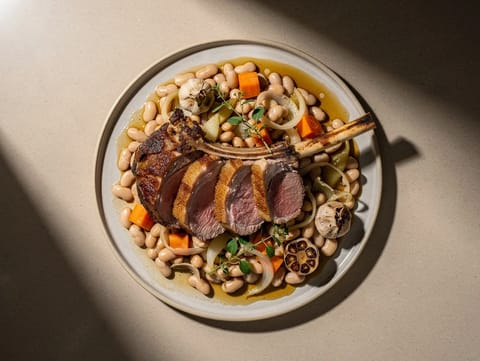
Gigot d’Agneau Rôti (Roast Leg of Lamb) with White Beans
Roast leg of lamb with garlic, rosemary and white beans
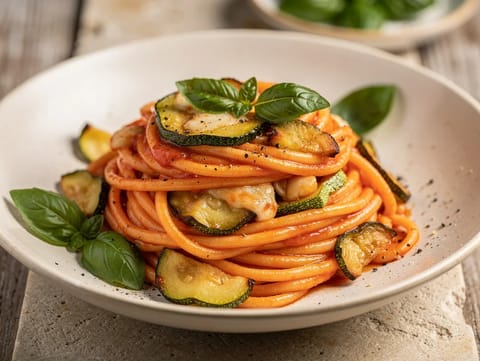
Pasta alla Nerano Rossa (Courgette and Tomato Pasta)
Spaghetti with fried courgettes, tomato sauce, basil and Parmesan
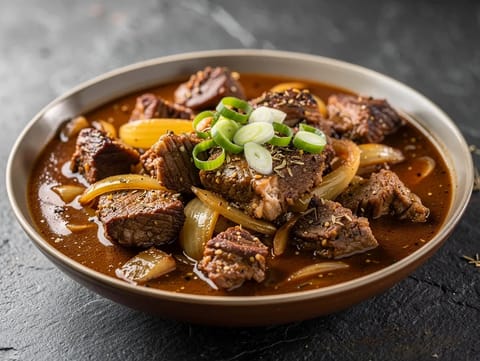
Caribbean Goat Stew
Slow-simmered goat stew with onion, garlic and warming spices

New England Lobster Roll
Lobster roll with mayonnaise, lemon and celery
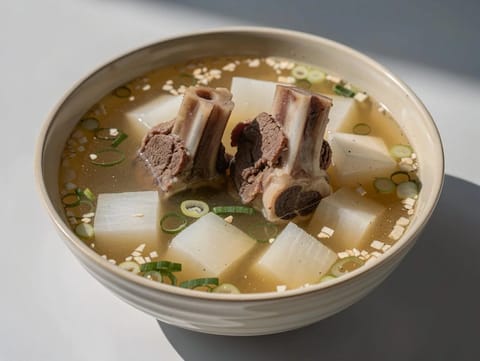
Galbitang (Korean Clear Beef Short Rib Soup with Radish)
Korean clear short rib soup with radish and spring onions
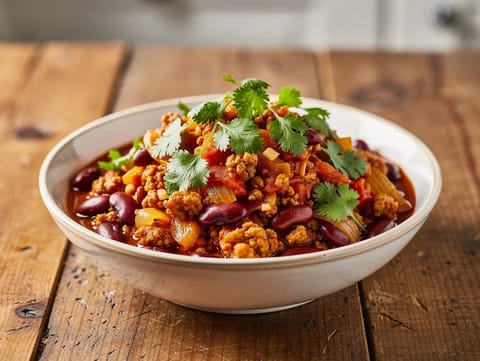
Turkey Chilli with Kidney Beans and Tomatoes
Turkey chilli with kidney beans, tomatoes, lime and coriander
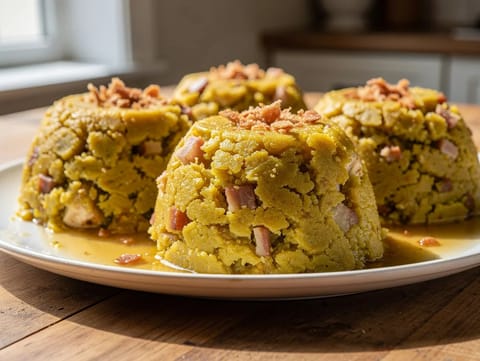
Mofongo (Fried Plantain Mash with Garlic and Pork Crackling)
Fried plantain mash with garlic and pork crackling
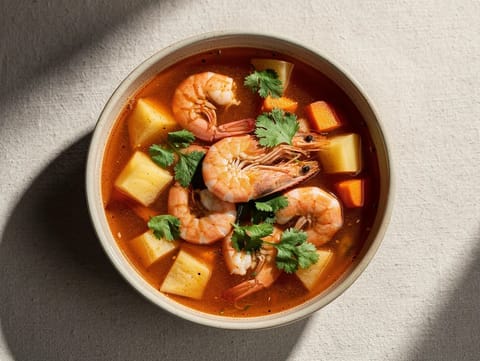
Caldo de Camarón (Prawn Soup with Vegetables)
Mexican prawn soup with tomatoes, potatoes and carrots
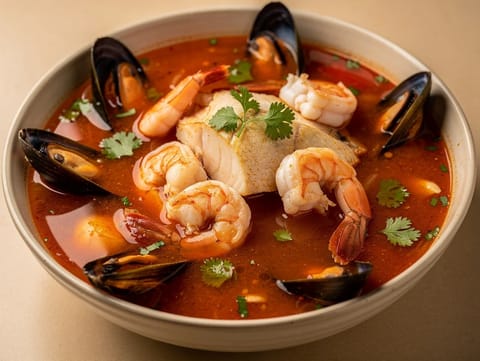
Parihuela (Peruvian Seafood Soup with Tomato and Chilli)
Seafood soup with tomato, chilli, lime and coriander
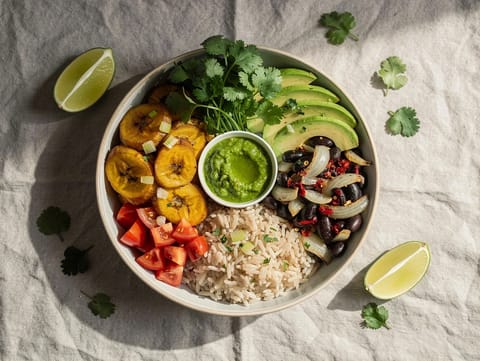
Vegan Black Bean and Plantain Bowl with Lime Salsa
Vegan bowl with black beans, plantain, rice and avocado
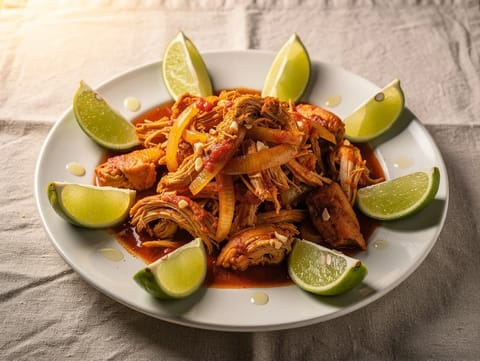
Tinga de Pollo con Chipotle (Shredded Chicken in Chipotle Sauce)
Shredded chicken in smoky chipotle tomato sauce for tortillas
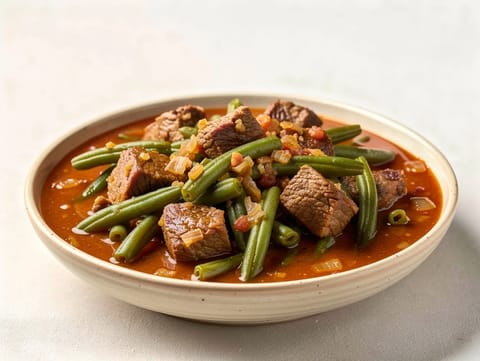
Fasolia Khadra (Green Bean and Lamb Stew)
Lamb and green bean stew simmered in a tomato sauce
You might also like
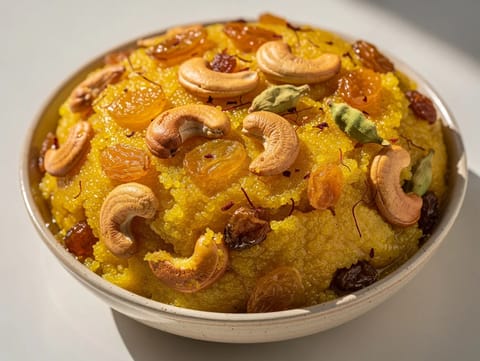
Sooji Halwa (Semolina Pudding with Ghee and Cardamom)
Toasted semolina pudding cooked with ghee, cardamom and sugar syrup
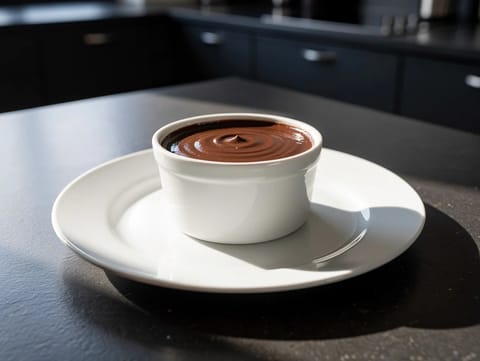
Pots de Crème au Chocolat
Silky baked chocolate custards chilled until spoonable
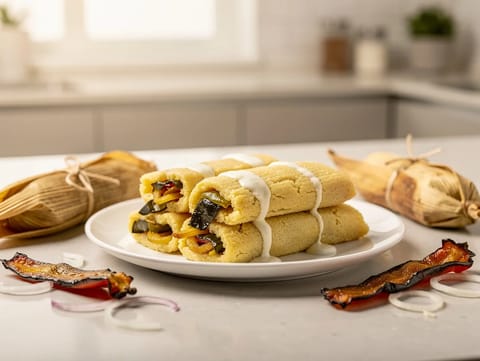
Tamales de Rajas con Crema (Poblano and Crema Tamales)
Corn husk tamales with roasted poblano, onion and crema

Zabaglione con Fragole (Marsala Custard with Strawberries)
Warm Marsala custard served over fresh strawberries
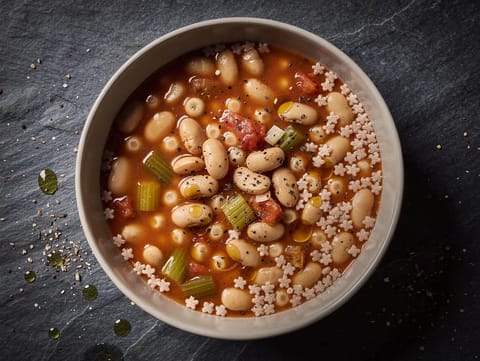
Pasta e Fagioli alla Napoletana (Neapolitan Bean and Pasta Stew)
Neapolitan bean and pasta stew with cannellini and tomato
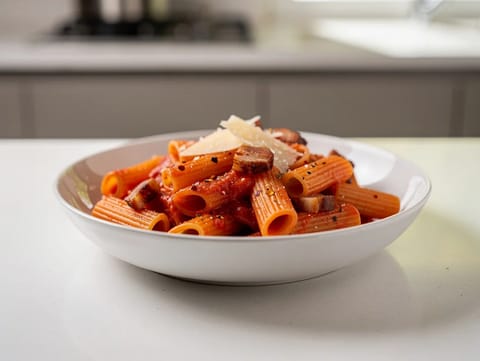
Rigatoni all’Amatriciana (Rigatoni with Guanciale and Tomato)
Rigatoni with guanciale, tomato sauce and Pecorino Romano
Make this recipe easier next time
AdvertisementThese tools help you get better results with less effort.
Misen 8-Inch Chef Knife
- AUS-10 steel
- Balanced design
- Less traditional feel
Titanium & PP Double-Sided Cutting Board
- Separate surfaces for meat and produce
- Resists odors and stains
- Harder on knife edges than wood or plastic
All-Clad HA1 Hard Anodized Nonstick Fry Pan 12 Inch
- Top-tier build quality
- Excellent heat distribution
- Expensive
OXO Good Grips 2-Piece Cutting Board Set
- Two useful sizes with reversible cutting surfaces
- Dishwasher safe and easy to clean
- Plastic surfaces will show knife marks over time
Enjoy cooking with JustRecipes?
Add JustRecipes as one of your preferred Google sources to discover our recipes more easily across Google Search.
Add JustRecipes to GoogleEvery recipe on JustRecipes follows the same structured editorial process. Learn how recipes are created, validated, translated, illustrated, and continuously improved across the platform. How we create recipes.
