
Sauerbraten (German Pot Roast with Tangy Gravy)
Why this recipe works
- Long marinade: The vinegar-based marinade gives the beef its recognisable tang while seasoning it before the slow braise.
- Deep savoury base: Browning the beef first and simmering it with aromatic vegetables, stock and thyme builds a richer gravy.
- Balanced tang: Brown sugar and ginger biscuit crumbs soften the acidity without making the sauce taste sweet.
- Ideal for planning ahead: The 24-hour marinade and gentle reheating make this a practical dish to prepare before serving day.
Get the most out of this recipe
Timing notes
- Allow the full marinade time: A 24-hour marinade is central to the flavour of sauerbraten; turn the beef once or twice if possible for even exposure.
- Most of the time is inactive: The hands-on work is mainly browning, straining and finishing the gravy; the long timeline comes from marinating and slow braising.
Ingredient notes
- Choose a pot-roasting cut: Use a beef cut suited to slow cooking rather than a lean quick-roast joint, as the braise needs time to become tender.
- Control the sharpness: For extra tang, add a small splash of the refrigerated reserved marinade before the final gravy thickening, and bring the gravy to a full rolling boil before tasting; never add raw-contact marinade after that boil.
- Ginger biscuit thickening: Crumbled ginger biscuits are a common way to thicken and season the gravy, adding spice, sweetness and body.
Texture tips
- Keep the braise gentle: A bare simmer helps the beef soften gradually; a hard boil can make the meat tighten.
- Finish the gravy gradually: Let the sauce reduce slightly before adding the biscuit crumbs and flour paste so it thickens smoothly and coats the spoon.
Make-ahead tips
- Good made ahead: The beef and gravy can be cooked in advance, chilled together and reheated gently before serving.
- Reheat slowly: Warm over a low heat until piping hot, adding a splash of beef stock if the gravy has thickened too much.
- Freezes well: Chill the beef and gravy promptly in shallow containers within the storage time limits, then freeze for up to 2 months and defrost overnight in the fridge before reheating.
Equipment you'll need
Ingredients
Instructions
- Slice the onion and cut the carrot and celery into chunky pieces. In a large bowl, combine the red wine vinegar with 250 ml water, the bay leaves and peppercorns, then add the vegetables. Submerge the beef, cover and refrigerate for 24 hours, turning once or twice if you can.
- Lift the beef from the marinade and pat dry. Strain the marinade, reserving the liquid and vegetables separately, and discard the bay leaves. Heat the sunflower oil in a Dutch oven over a medium-high heat and brown the beef well on all sides.
- Add the reserved vegetables to the pot and cook for 3 to 4 minutes to take the raw edge off. Pour in 400 ml of the reserved marinade liquid and the hot beef stock, then add the thyme sprigs and light brown sugar; cover and refrigerate any unused marinade liquid until the gravy-finishing step. Bring the pot to a gentle simmer, cover, and cook on the lowest heat for 2 to 2 1/2 hours until the beef is very tender.
- Transfer the beef to a board and loosely cover while you finish the sauce. Strain the braising liquid into a saucepan, pressing on the vegetables to extract flavour, then simmer briskly for 10 to 15 minutes until slightly reduced. Crumble the ginger biscuits into the sauce and whisk until dissolved and lightly thickened.
- If you want the gravy tangier, add a splash of the unused marinade liquid kept in the fridge, then bring the gravy to a full rolling boil, stirring, before tasting; do not add any more raw-contact marinade after this. In a small bowl, mix the plain flour with 2 tbsp cold water to make a smooth paste, whisk it into the gravy and simmer for 2 to 3 minutes until the flour taste is gone and the sauce coats the back of a spoon. Slice the beef and serve with the sauce spooned over.
Recipe notes
Tips
- For the best texture, keep the braise at a very gentle simmer; if it boils hard, the beef can tighten rather than turn meltingly tender.
- If serving children, keep the peppercorns whole and strain the sauce carefully so the heat stays mild.
Substitutions
- Replace sunflower oil with olive oil for browning the beef.
- Replace light brown sugar with honey for a slightly rounder sweetness in the gravy.
Storage
- Refrigerate up to 3 days
- Refrigerate leftover beef and gravy in shallow containers within 2 hours of cooking, or within 1 hour if the temperature is above 32°C (90°F). Reheat gently in a saucepan until the beef reaches at least 74°C (165°F) and the gravy comes to a boil, adding a splash of beef stock if the gravy has thickened; freeze for up to 2 months and defrost overnight in the fridge before reheating.
Ratings & reviews
Liked this recipe? Share your feedback to support our cooking community.
Tried this recipe?
Choose 1–5 stars. A comment is optional.
Stay inspired
Discover new recipes, seasonal favourites and cooking inspiration every day. Follow JustRecipes on Pinterest and Spillt.

Recipe overview
- Servings: 4 servings
- Total time: 27h (45min active)
- Difficulty: Advanced
- Cuisine: German
-
Allergens:
Gluten Wheat
Plan your meals and get a complete grocery list automatically.
Add to meal plannerEquipment you'll need
Got ingredients left?
Find recipes using ingredients from this recipe or what you already have at home.
Find recipes with these ingredients →
Choucroute Garnie Alsacienne (Sauerkraut with Meats)
Braised sauerkraut with sausages and smoked pork

Moroccan Chicken Tagine with Couscous, Olives and Preserved Lemon
Chicken tagine with preserved lemon and olives over couscous

Sayur Lodeh (Vegetable Coconut Milk Stew)
Vegetable coconut milk stew (sayur lodeh)

Quick Moroccan Vegetable Tagine-Style Stew
Vegetable tagine-style stew with chickpeas, tomatoes, carrots and apricots

Ají de Gallina (Peruvian Creamy Chicken Stew)
Creamy Peruvian chicken stew with ají amarillo and walnuts

Braciole al Sugo (Italian Beef Rolls in Tomato Sauce)
Beef rolls braised in tomato sauce with garlic and Parmesan

Chicken Katsu Bowl with Sushi Rice and Cabbage
Chicken katsu bowl with sushi rice, cabbage and tonkatsu sauce

Nordic Glazed Salmon with Mustard, Honey and Dill
Baked salmon with honey mustard and dill glaze

Miso Chilli Crispy Tofu
Crispy baked tofu tossed in miso chilli sauce

Pannbiff (Swedish Beef Patties with Cream Gravy)
Swedish beef patties with cream gravy and lingonberries

Chinese Red-Braised Pork Belly (Hong Shao Rou)
Tender red-braised pork belly in a glossy soy sauce

Vegan Cauliflower Shawarma with Cabbage and Tahini Sauce
Cauliflower shawarma in pita with cabbage and lemon tahini sauce
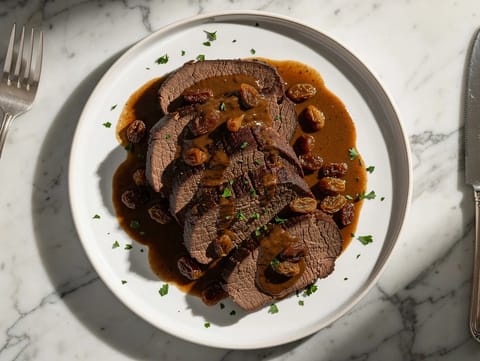
Rheinischer Sauerbraten with Raisins and Gingersnap Gravy
Sauerbraten beef with raisin and gingersnap gravy
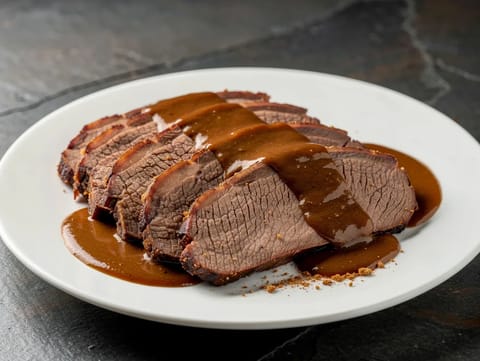
Sauerbraten with Gingersnap Gravy
Marinated beef pot roast with tangy gingersnap gravy
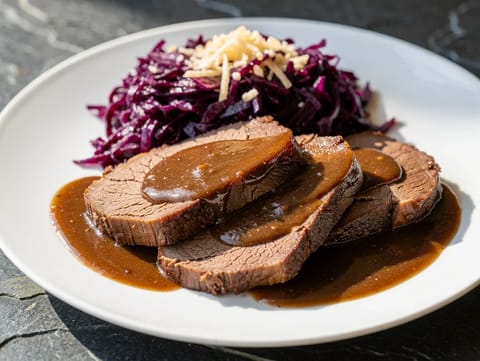
Rheinischer Sauerbraten with Rotkohl (Sweet-Sour Red Cabbage)
Sauerbraten beef served with sweet-sour rotkohl
Feestelijke Rundstoof (Dutch Festive Beef Stew)
Slow-braised beef stew with red wine, bay and thyme
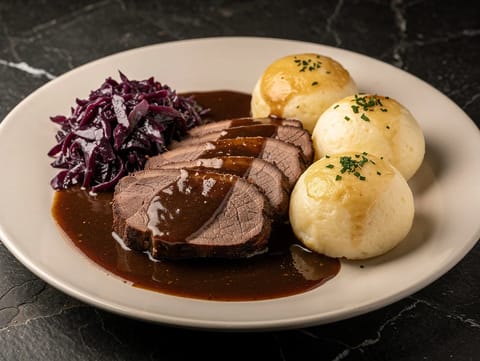
Rheinischer Sauerbraten with Red Cabbage and Potato Dumplings
Marinated beef pot roast with red cabbage and potato dumplings
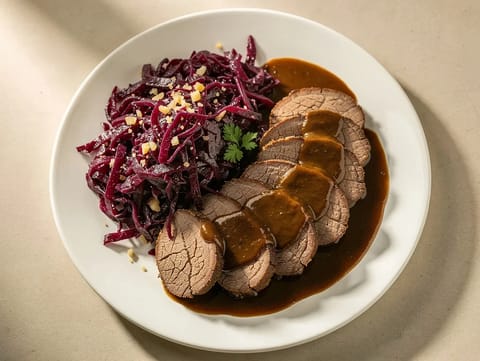
Rheinischer Sauerbraten (German Pot Roast with Red Cabbage)
German pot roast in red wine vinegar with apple red cabbage
You might also like

Ramadan Pide (Turkish Iftar Flatbread)
Soft Turkish flatbread topped with sesame and nigella

Vegan Jackfruit Mole Tacos
Jackfruit tacos in ancho chilli mole-style sauce

Phở Tái (Vietnamese Beef Pho with Raw Beef)
Vietnamese beef pho with rice noodles, herbs and chilli
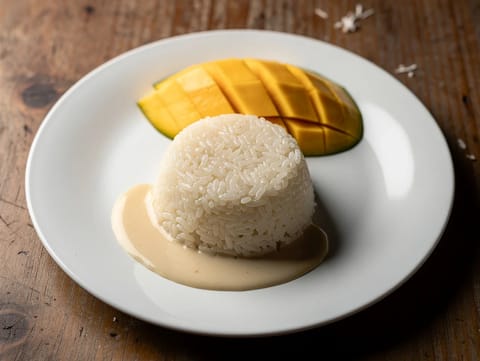
Mango Sticky Rice
Sticky coconut rice served with ripe mango
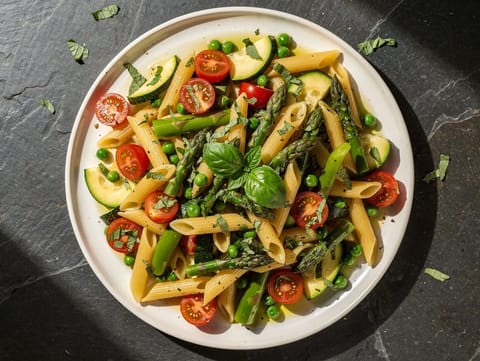
Vegan Pasta Primavera
Vegan penne with sautéed spring vegetables and lemon

Vichyssoise (Chilled Leek and Potato Soup)
Chilled leek and potato soup blended with cream
Make this recipe easier next time
AdvertisementThese tools help you get better results with less effort.
Misen 8-Inch Chef Knife
- AUS-10 steel
- Balanced design
- Less traditional feel
Titanium & PP Double-Sided Cutting Board
- Separate surfaces for meat and produce
- Resists odors and stains
- Harder on knife edges than wood or plastic
OXO Good Grips Stainless Mixing Bowl Set
- Non-slip base
- Comfort grip
- Higher price
OXO Good Grips 2-Piece Cutting Board Set
- Two useful sizes with reversible cutting surfaces
- Dishwasher safe and easy to clean
- Plastic surfaces will show knife marks over time
Enjoy cooking with JustRecipes?
Add JustRecipes as one of your preferred Google sources to discover our recipes more easily across Google Search.
Add JustRecipes to GoogleEvery recipe on JustRecipes follows the same structured editorial process. Learn how recipes are created, validated, translated, illustrated, and continuously improved across the platform. How we create recipes.
