
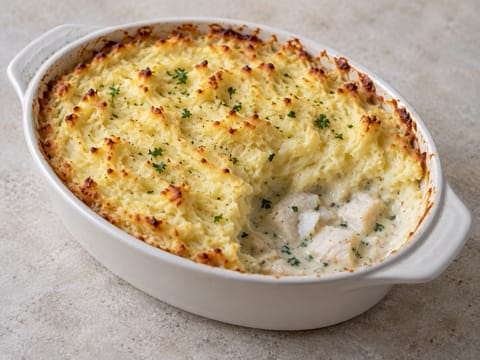
Gluten-Free Fish Pie with Mashed Potato Topping
Gluten-free fish pie topped with buttery mashed potato
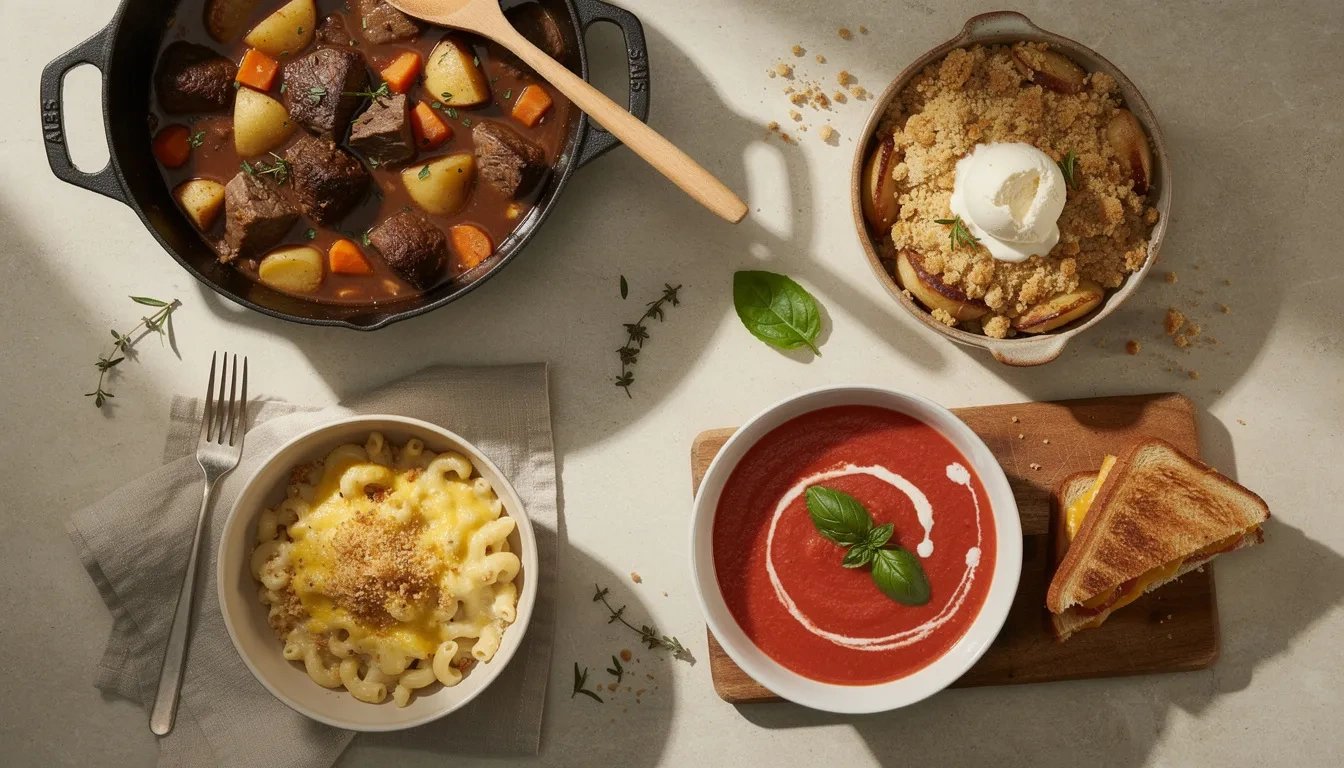
Comfort food dinners are the ones you reach for when you want warmth, softness and a sense of being properly fed. They often lean on slow-cooked flavours, gentle spices and textures that feel generous: tender braises, baked pasta, creamy bakes, stews and pies.
Because these meals can be rich, the most useful choice is not just what sounds comforting, but what kind of comfort you want tonight: spoonable and brothy, crisp-topped and baked, or carved and served in slices. That decision also makes it easier to plan the sides.
Comfort food at dinner is less about a single cuisine and more about familiar structure. You will often see a starch that carries sauce well, a long-simmered base, or a baked finish that creates browned edges and a soft centre. Many comfort dinners are designed to be served hot and held warm, which suits family-style serving.
It does not automatically mean heavy or complicated. A simple traybake with a savoury glaze can feel comforting if it delivers caramelised corners and a steady, rounded flavour. Equally, comfort does not require dairy, although creamy elements are common. The through-line is reassurance: predictable seasoning, satisfying mouthfeel and portions that sit comfortably on the plate.
Gluten-free fish pie topped with buttery mashed potato

Bolivian baked empanadas with juicy beef, potato and peas.
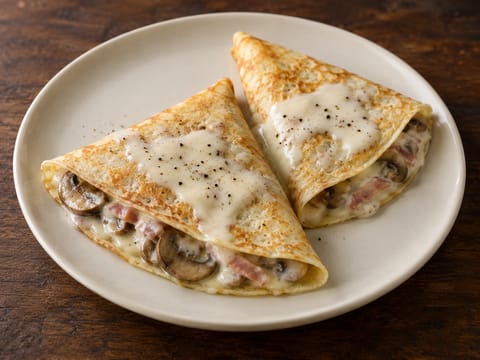
Savoury crêpes filled with ham and mushrooms in béchamel
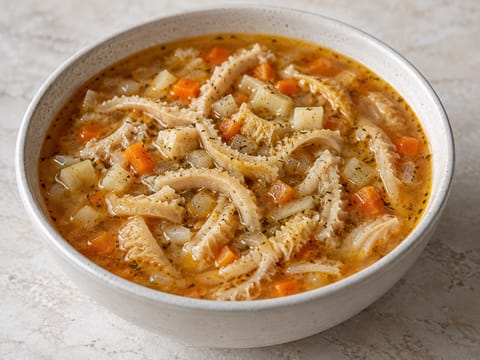
Polish tripe soup with marjoram and sweet paprika
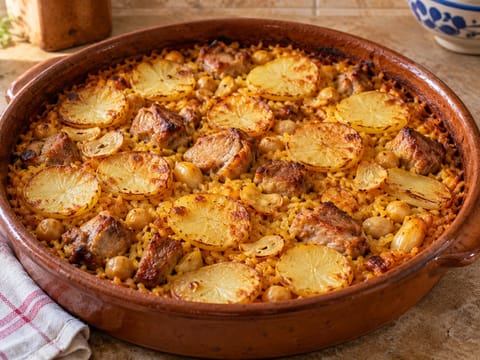
Valencian oven-baked rice with pork, chickpeas and potato
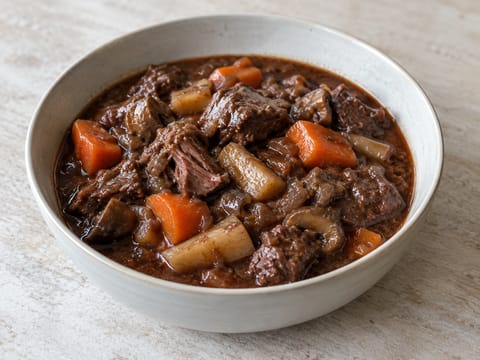
Venison stew with root vegetables in a rich gravy
If you want something you can eat with a spoon, look for stews, braises and saucy bean dishes. They tend to taste better after a short rest, and they welcome bread, rice or potatoes without much extra thought.
For comfort with contrast, baked dishes are the obvious route: pasta bakes, gratins and casseroles give you a soft interior with a browned top. They also make portioning straightforward.
If the mood is for crisp edges and roast flavours, choose traybakes and oven-roasted combinations. They feel hearty without needing a thick sauce.
When you are planning ahead, favour dishes that reheat without splitting or drying out. Saucy, slow-cooked and baked dishes usually cope better than lean cuts cooked quickly.
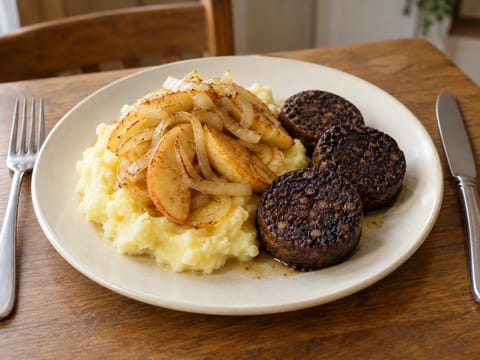
Black pudding with fried apples and creamy mashed potatoes
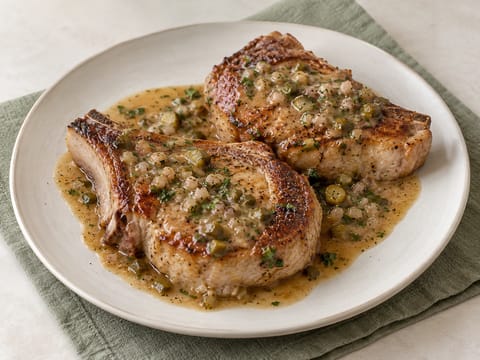
Seared pork chops with Dijon gherkin sauce
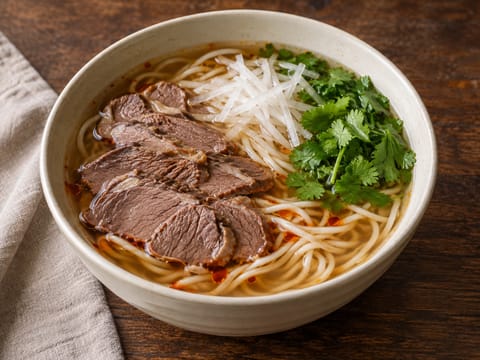
Lanzhou beef noodle soup with brisket, radish and chilli oil
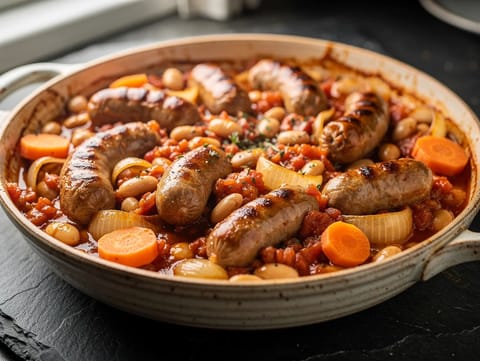
Pork sausage casserole with butter beans in a rosemary tomato sauce
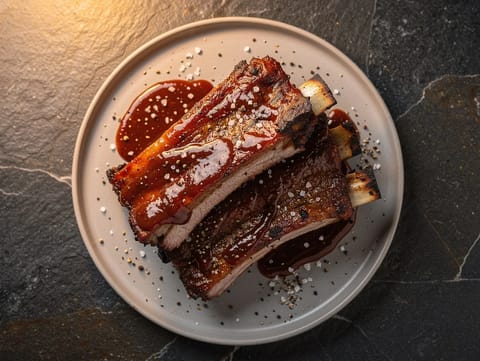
Oven-baked spare ribs glazed with smoky BBQ sauce
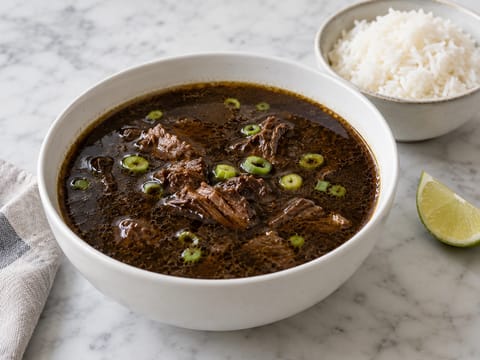
Black beef soup flavoured with keluak
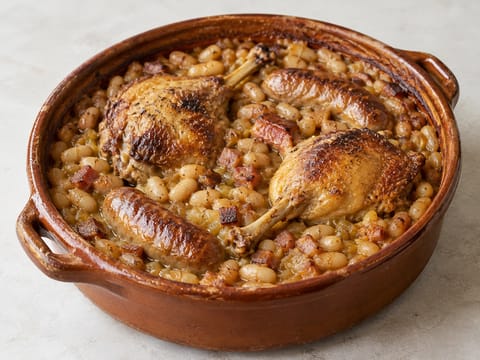
Slow-cooked white bean cassoulet with duck legs and sausages
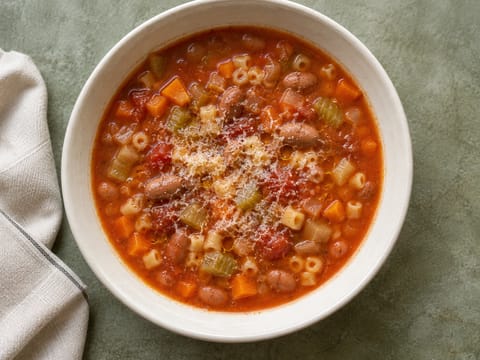
Tomato minestrone with borlotti beans and small pasta
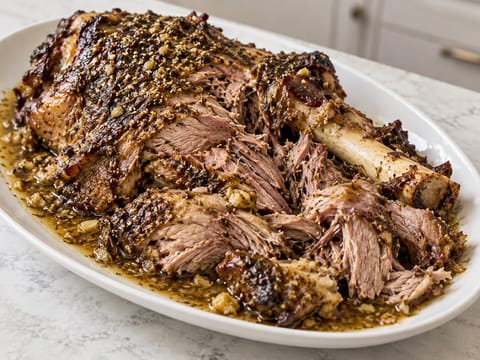
Slow-roasted lamb shoulder with za'atar, garlic and lemon
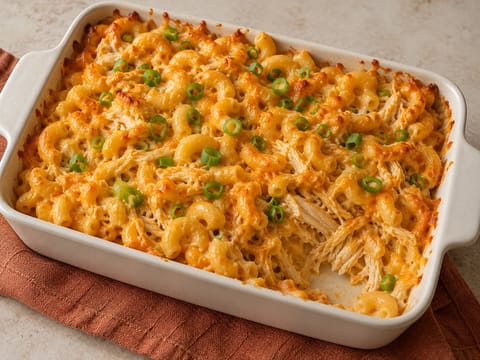
Baked mac and cheese with buffalo chicken and cheddar sauce
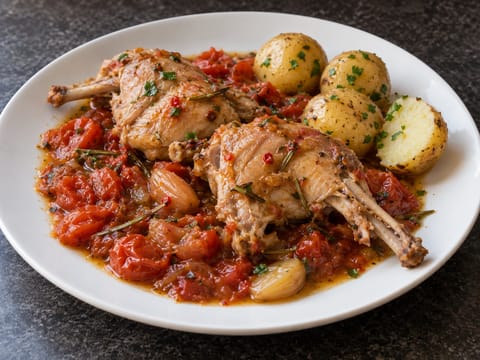
Rabbit braised with white wine, garlic and cherry tomatoes
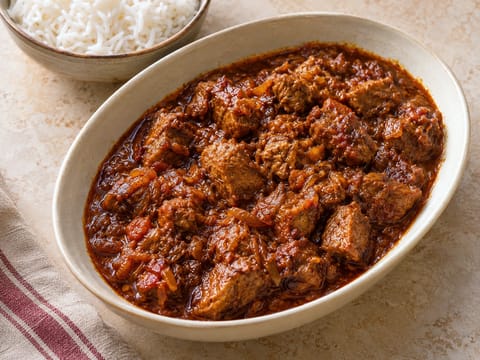
Goan-style pork vindaloo with vinegar, garlic and spices
Comfort mains often bring plenty of starch and richness, so sides work best when they add freshness, bitterness or crunch. A sharp-dressed salad, lightly cooked greens, or a quick pickle can stop the meal feeling one-note without changing its character.
Think about sauce management. If the main is very saucy, choose a side that soaks it up, such as bread or mashed potatoes, and keep vegetables simple. If the main is baked and relatively dry, a spoonable side, such as a tomato salad with juices or a light gravy-style sauce, can make the plate feel more generous.
Finish with something clean and not too large. Fruit-forward desserts or yoghurt-based puddings often sit comfortably after a rich main.
If you are choosing comfort food around real-life schedules, Cooking time helps you decide between quick bakes and longer, slow-simmered dishes. Dietary preferences can also matter with comfort cooking, especially where dairy, gluten or meat are central to the dish, so Diet is a useful next stop for narrowing the style without losing the cosy feel.

Red velvet cake with tangy cream cheese frosting
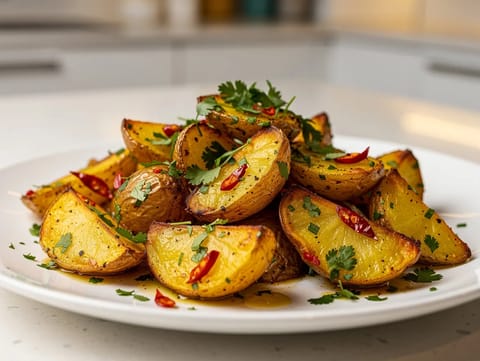
Crisp batata harra potatoes with garlic, chilli and lemon
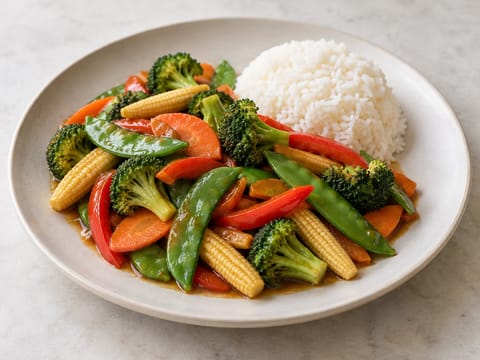
Thai mixed vegetable stir-fry with garlic, soy and oyster sauce
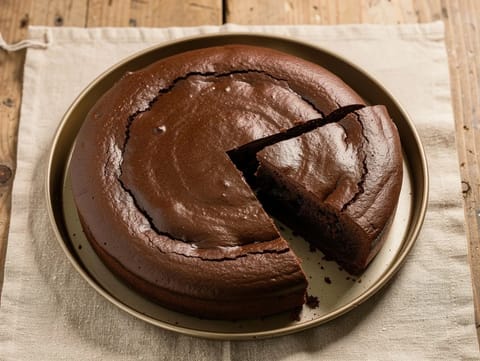
Fudgy flourless chocolate cake with cocoa
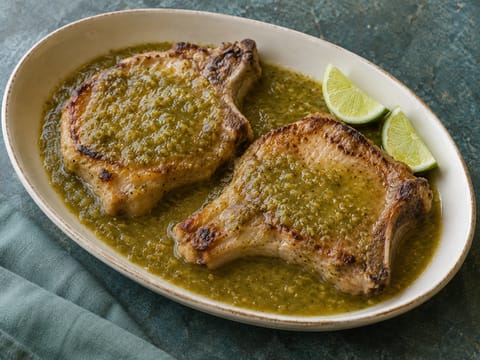
Pan-seared pork chops simmered in tomatillo salsa verde
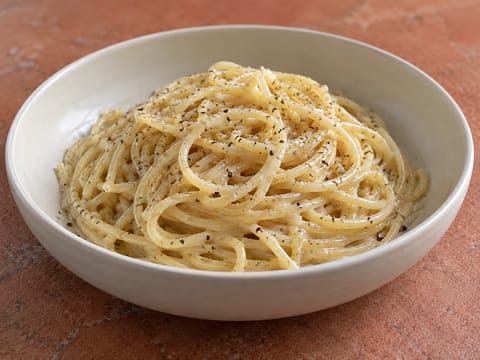
Spaghetti with Pecorino Romano and black pepper sauce
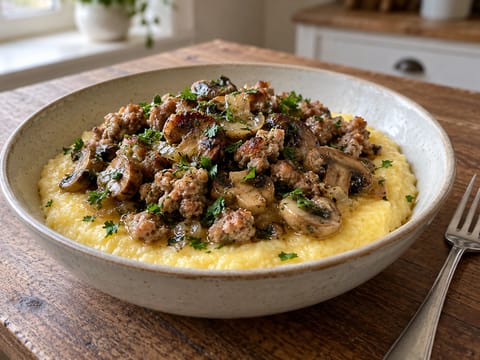
Creamy polenta topped with sausage, mushrooms and parsley
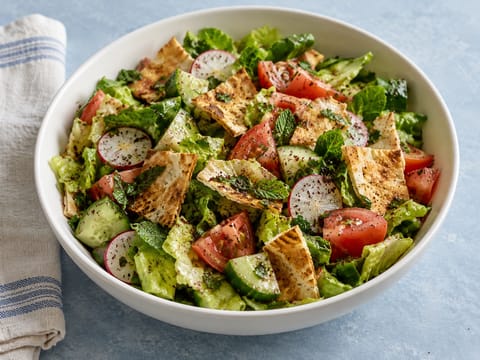
Lebanese salad with toasted pitta, sumac and pomegranate molasses
Not necessarily. Comfort can come from familiar flavours and a satisfying texture, even in lighter formats such as brothy soups, tomato-based stews or roast vegetables with a punchy dressing.
Usually a combination of warmth, a soft or saucy texture, and seasoning that is rounded rather than sharp. Browning from roasting or baking can add depth without extra complexity.
Add one element that is crisp, bitter or acidic: a green salad, steamed greens with lemon, or a small pickled garnish. Keeping the side dishes simple also helps.
Many do. Dishes with sauces, braises and baked casseroles often hold well and can taste more integrated after resting, though it depends on ingredients and how they reheat.
They overlap, but they are not the same. Comfort food is defined by the feeling and the eating experience; it can be traditional, modern, or inspired by many cuisines.
Start by deciding whether you want spoonable comfort, a baked dish with a browned top, or roast-style crispness. Once the main is chosen, balance it with one fresh, sharp side and keep the rest uncomplicated.
