

Gâteau Breton (Breton Butter Cake)
Dense Breton butter cake with vanilla and egg yolks

French dinner cooking covers a wide range, from simple bistro plates to slow-cooked dishes built for the centre of the table. What many of these meals share is a sense of structure: a main with a sauce or juices worth mopping up, a vegetable or salad for contrast, and a dessert that can be served without fuss. This collection is for discovering French-style dinner ideas that suit everyday kitchens, including dishes that scale for guests and recipes that taste even better when they have had time to settle.
French dinner recipes often fall into a few recognisable families. There are braises and stews where time does the work, roasts with crisp edges and a pan gravy, and skillet dishes that rely on good browning and a quick sauce. You will also see lighter plates, such as omelettes, salads with warm components, or fish with a beurre-style finish, where the cooking is brief but the seasoning is precise.
Flavour tends to be built in layers: aromatics first, then wine, stock, tomatoes or cream depending on the dish, and finally herbs or mustard to sharpen the edges. Many French-style meals are designed to be served with bread, potatoes or rice, not as an afterthought but as part of how the sauce is enjoyed.
Dense Breton butter cake with vanilla and egg yolks
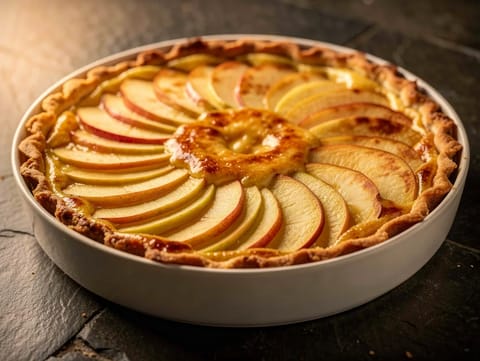
French apple tart with shortcrust pastry and cream custard
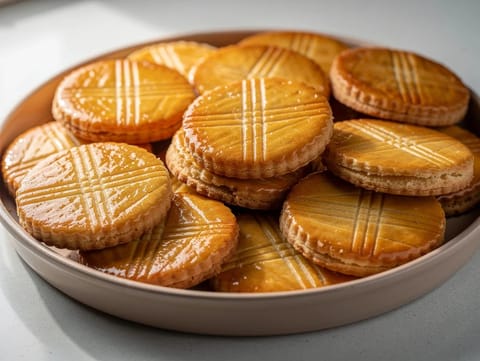
Breton butter biscuits with crisp edges and a tender centre
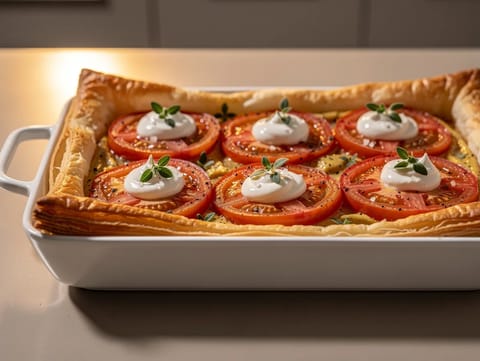
Puff pastry tart with Dijon mustard and baked tomatoes
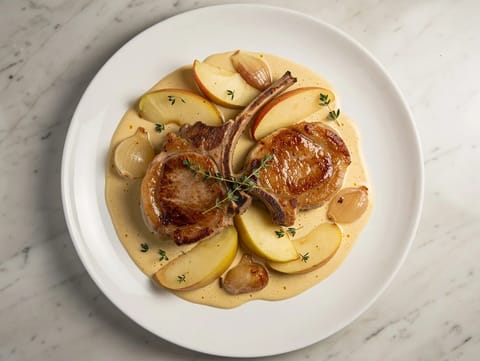
Pork chops with apples in a creamy cider sauce
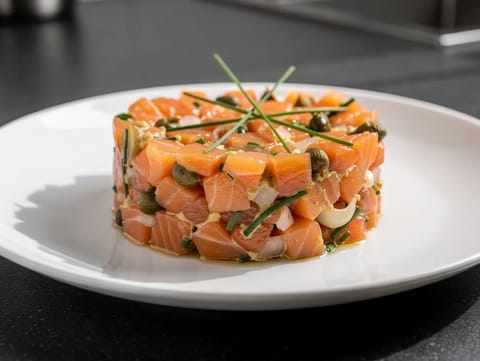
French-style salmon tartare with capers, Dijon and lemon
For a bistro feel, look for quick-cooking mains with a pan sauce, such as chicken, steak or fish, plus a simple salad. These meals depend on timing and a hot pan, but they do not require long simmering.
For a countryside table, choose slow-cooked dishes and oven bakes: braises, stews and gratins that can be served in generous spoonfuls. They are often forgiving and can suit a group because they hold well.
For a brasserie-style spread, think in courses. Start with something crisp or sharp, follow with a roast or braise, and finish with a dessert that slices or spoons neatly. This approach is less about any single recipe and more about balance across the meal.
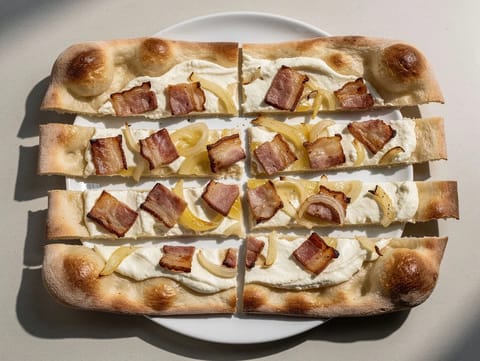
Crisp tarte flambée with crème fraîche, bacon and onions
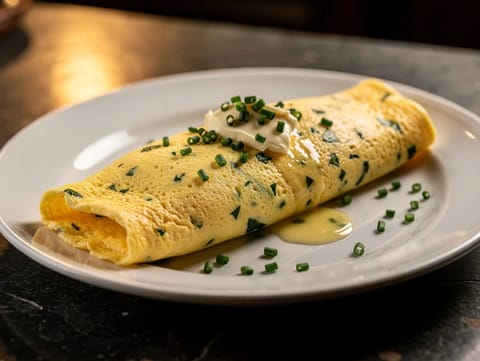
Soft French omelette with chives, parsley and tarragon
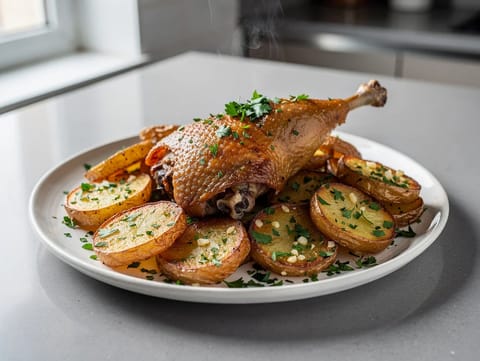
Crisp duck confit with duck fat potatoes, garlic and parsley
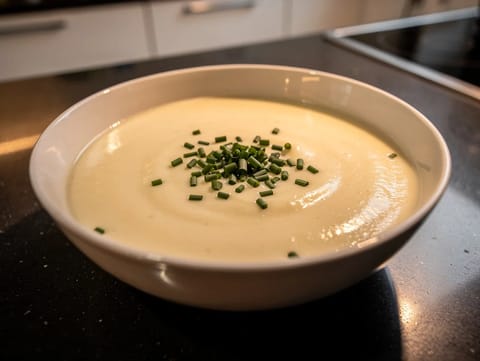
Chilled leek and potato soup finished with double cream
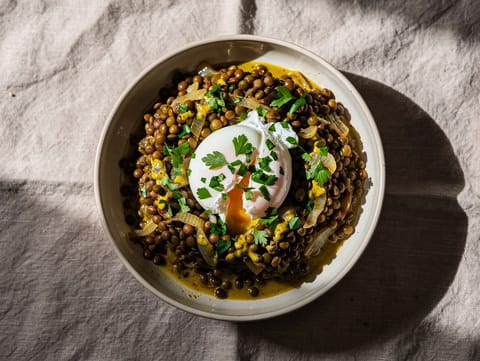
Warm Puy lentils topped with a poached egg
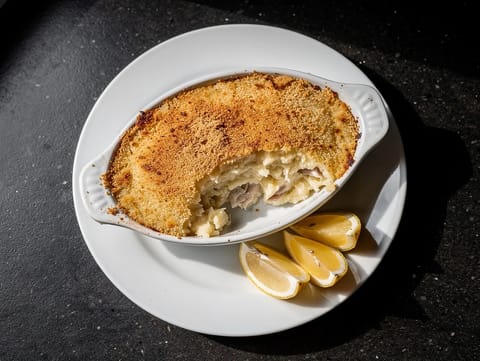
Salt cod and potato brandade baked with a golden breadcrumb topping
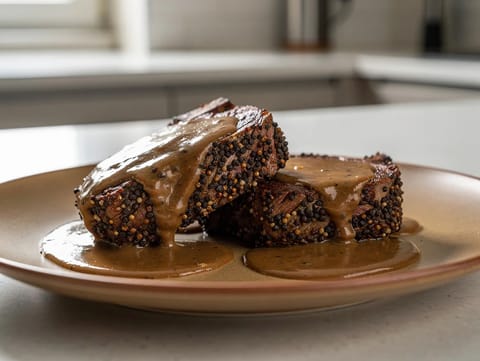
Pepper-crusted steak with a cognac and cream pan sauce
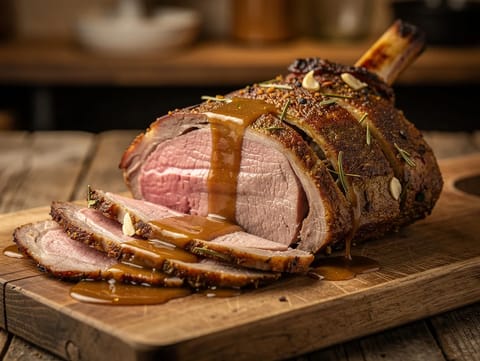
Slow-roasted leg of lamb with rosemary and white wine jus
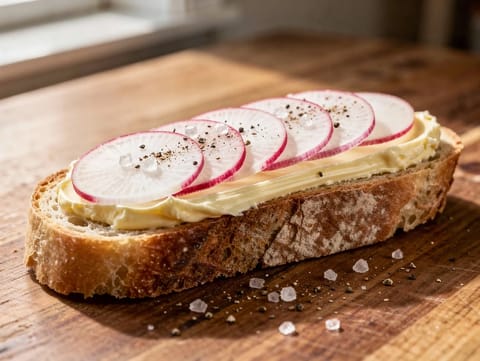
Toasted sourdough tartine with cultured butter and radishes
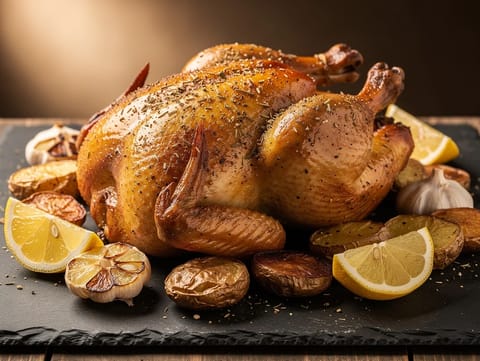
Roast chicken with Herbes de Provence, lemon and pan potatoes
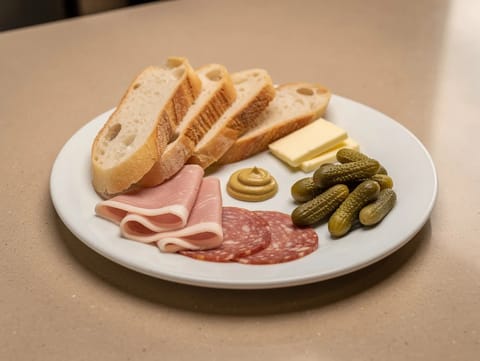
Cured meats with cornichons, Dijon mustard and baguette
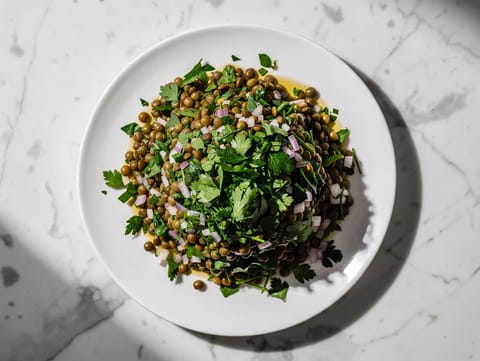
Green lentil salad with Dijon dressing, shallots and parsley
Start with the main and decide what will carry the meal: sauce, roast juices, or a rich bake. Then add one contrasting element, usually something green and dressed with acidity, to keep the plate lively. If the main is creamy or buttery, a mustardy salad or lemony vegetables can provide the necessary lift. If the main is tomato-based or wine-dark, a creamy potato side or a gratin can round it out.
For guests, choose at least one component you can make ahead, such as a braise, a gratin that can be reheated, or a dessert that holds its shape. Leave only the final cooking or finishing touches for the last moment, so serving feels unhurried.
Occasion is useful when you want to steer French-style cooking towards a casual supper or a more formal dinner with courses. Cooking time helps you decide between quick bistro-style pans and longer braises and bakes, which often suit make-ahead planning.
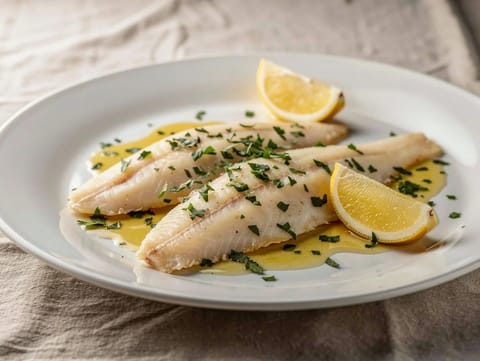
Butter-fried sole with lemon and parsley sauce
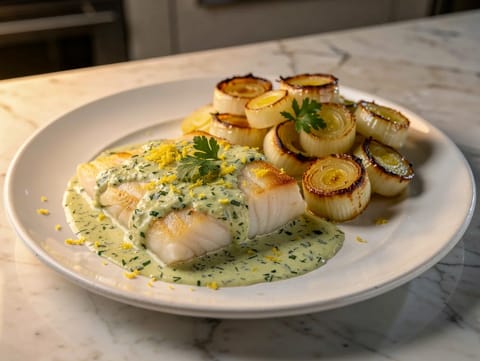
Flaky baked cod with warm parsley sauce and buttered leeks
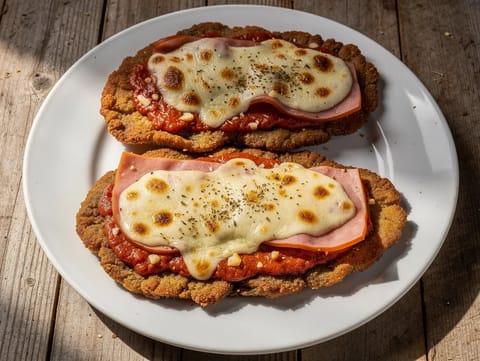
Crisp beef schnitzel topped with ham and melted mozzarella
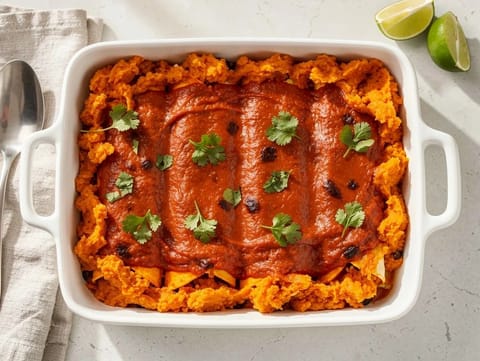
Baked enchiladas with black beans, sweet potato and chipotle
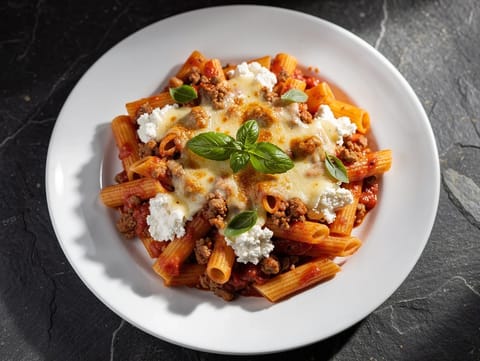
Baked ziti with minced beef, ricotta and mozzarella
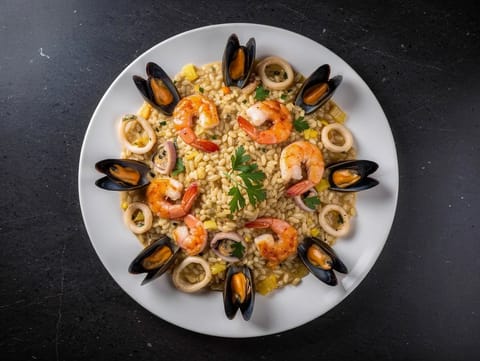
Creamy risotto with prawns, mussels, squid and parsley
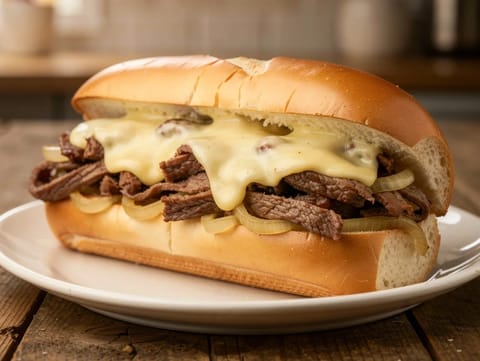
Hot beef and onion sandwich with melted provolone
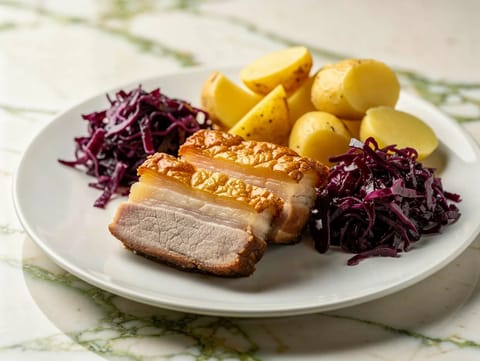
Norwegian roast pork belly with crisp crackling
No. Some are cream- or butter-finished, but many French-style dinners are built on stock, wine, tomatoes, herbs and careful browning, with freshness added through salads and vegetables.
Often it is the structure: a well-cooked main, a sauce or juices worth serving with bread or potatoes, and a contrasting side that brings acidity or bitterness to balance richness.
Dishes that hold well, such as braises, stews and gratins, are often easier to serve to a group because they can be made ahead and brought to the table without last-minute juggling.
Pair rich mains with sharp, green sides, and keep dessert portion sizes sensible if the main course is sauce-heavy. Acidity and crunch are the usual missing pieces.
Not always. Some recipes use wine for acidity and aroma, but others rely on stock, tomatoes, vinegar, mustard or citrus for similar balancing effects, depending on the dish.
Something that can mop up: bread, potatoes, rice or buttered noodles. These sides are part of the eating experience, not just a filler.
Pick a main with a clear identity, then build the rest of dinner around contrast and something to catch the juices. With that structure in place, French-style cooking becomes straightforward to plan and satisfying to serve.
