
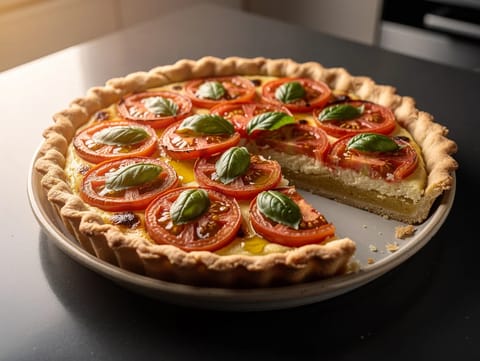
Tomato and Basil Tart
Shortcrust tart with ricotta, tomatoes and fresh basil
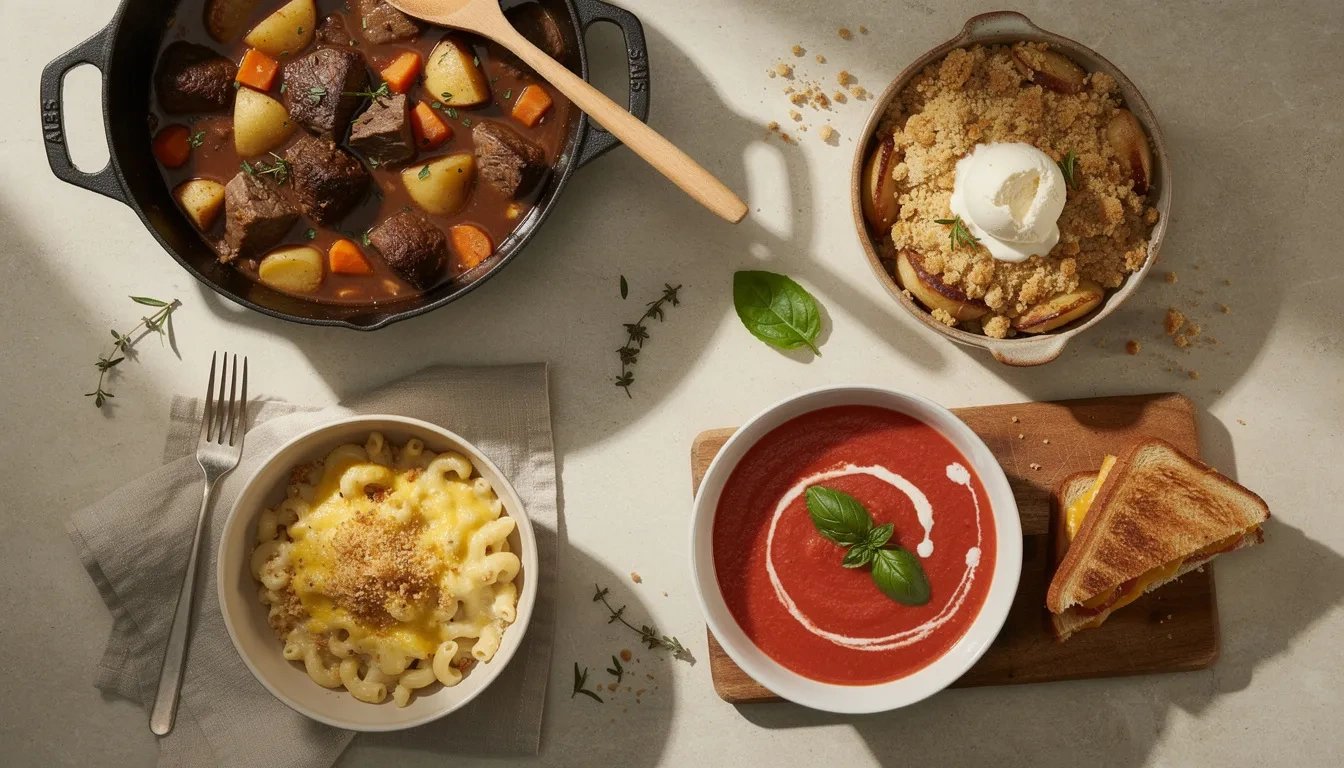
Vegetarian dinner favourites often succeed for the same reason: they’re easy to serve to a mixed group without anyone feeling they’ve been given the “alternative” option. The best ones have a clear centrepiece, generous flavour and a texture that holds up from kitchen to table.
This collection leans into crowd-friendly vegetarian mains, from bakes and pies to big pots and tray dishes. When you’re choosing, think about how the dish will be portioned, how long it can stand before serving, and what you’ll put alongside it to make the meal feel complete.
Many vegetarian favourites are built around familiar formats that naturally suit serving others. Oven-baked dishes, layered bakes and gratin-style mains portion neatly and stay warm while you get everyone seated. Pot dishes such as stews, curries and bean-based ragùs are forgiving, and they often taste more integrated after a short rest.
You’ll also find mains where the “centre” is a vegetable treated like a roast: cauliflower, squash or aubergine that’s browned and well-seasoned, often with a sauce or topping to add richness. Pasta bakes and risotto-style dishes can feel celebratory without being complicated, especially when finished with herbs, citrus, toasted nuts or a crisp salad on the side.
Shortcrust tart with ricotta, tomatoes and fresh basil
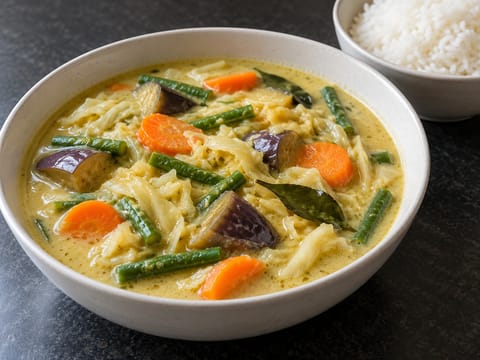
Vegetable coconut milk stew (sayur lodeh)
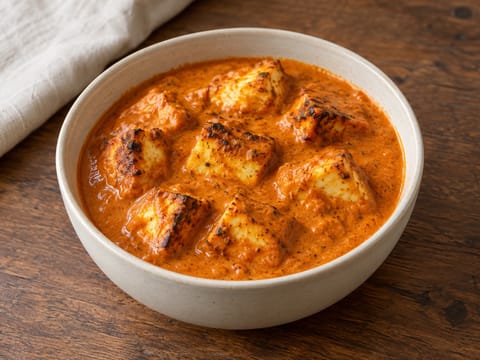
Grilled paneer in a creamy tomato and cashew masala sauce
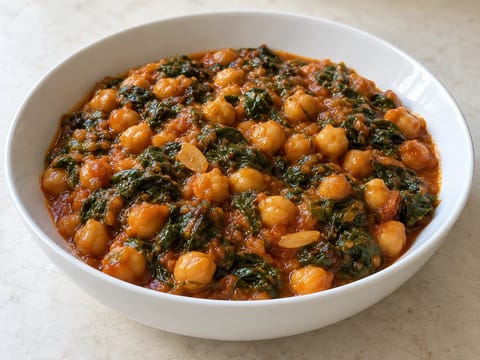
Spinach and chickpeas simmered with cumin, paprika and tomato
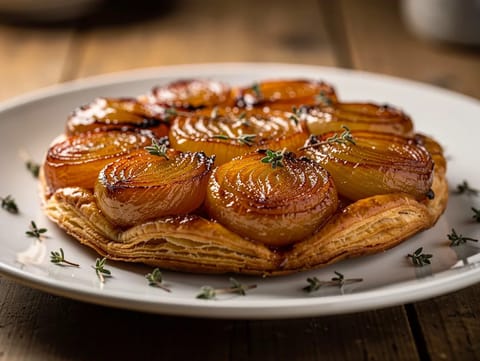
Upside-down puff pastry tart topped with caramelised onions
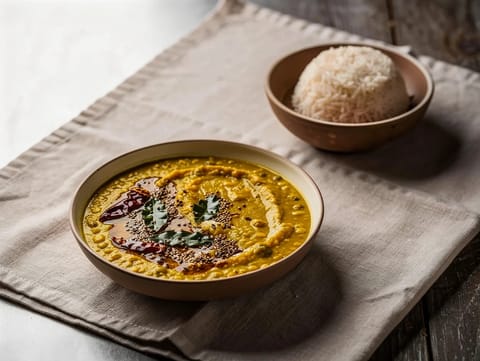
Yellow lentil dal topped with hot tempered spices
If you need a dish that can wait, choose something that holds its texture as it stands. Bakes, pies and casseroles are typically calmer for hosting because they don’t collapse the moment they leave the oven. Spoonable dishes can also work well, but they may thicken as they cool, so having a little extra sauce or a bright finishing element helps.
For a more “carve and serve” feel, look for mains that slice cleanly, such as well-set bakes or stuffed vegetables. If you’re feeding children and adults together, mild, cheesy or tomato-led flavours are often easier to pair with a punchier side or condiment for those who want more heat. Finally, consider equipment: a one-dish main frees up hob space for quick vegetables or a last-minute salad.
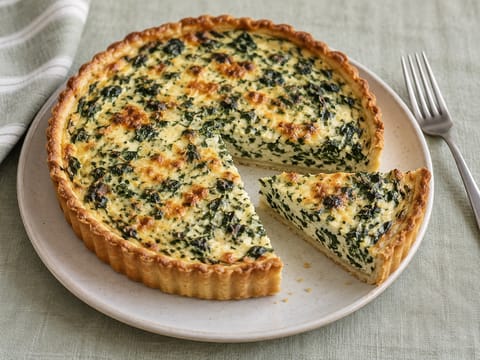
Savoury ricotta and spinach tart in crisp shortcrust pastry
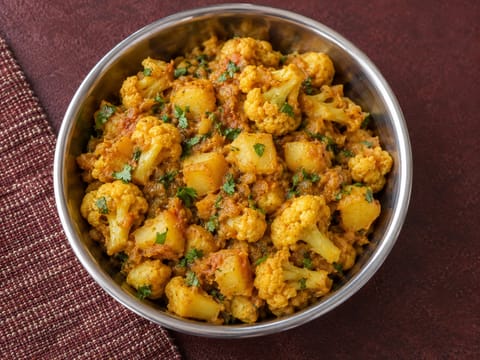
Dry Indian curry with spiced potato and cauliflower
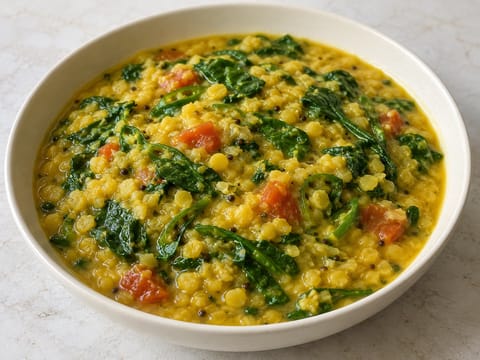
Spinach and yellow lentil dal finished with a spiced tempering
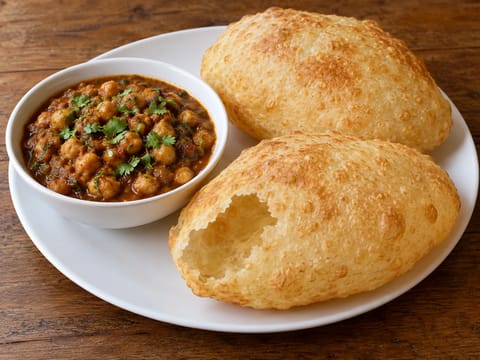
Spiced chickpea curry served with puffed fried bhature
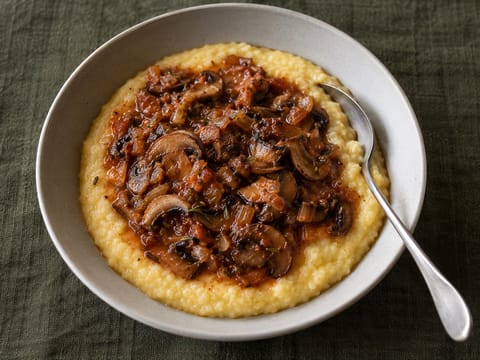
Creamy polenta topped with rosemary mushroom ragù
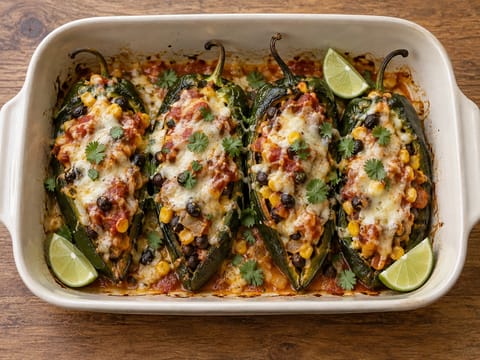
Roasted poblano peppers stuffed with black beans, sweetcorn and cheese
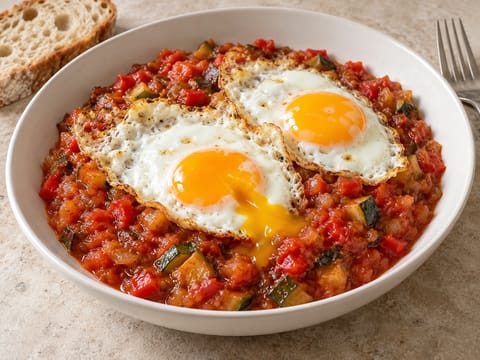
Spanish pisto with tomatoes, peppers, courgettes and fried eggs
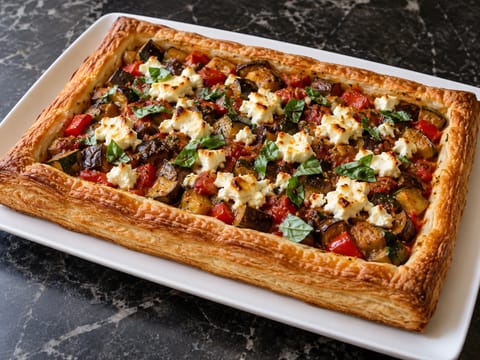
Puff pastry tart with ratatouille vegetables and goat's cheese
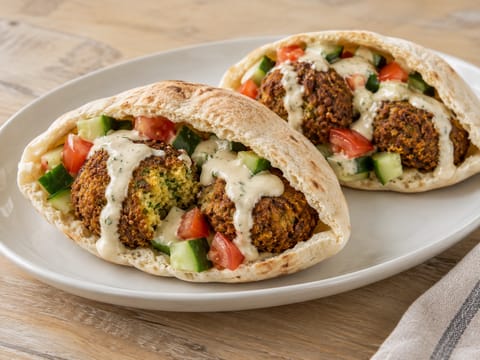
Pitta filled with crisp chickpea falafel and tahini lemon sauce
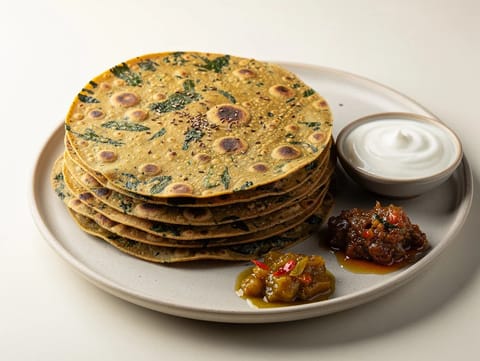
Fenugreek flatbreads made with yoghurt and spices
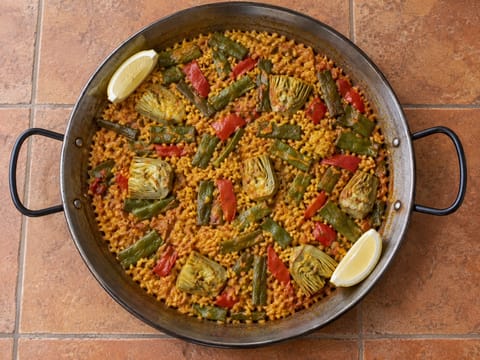
Valencian vegetable rice with saffron tomato stock
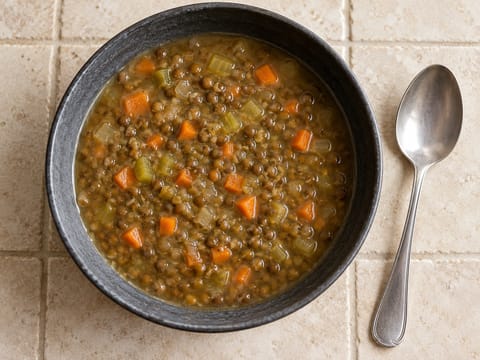
Green lentil soup finished with Dijon mustard
A vegetarian main often benefits from one contrasting side rather than several competing dishes. If the main is rich and creamy, add something crisp and acidic, such as a green salad with a sharp dressing or a quick pickle. If the main is tomato-based or spicy, a cooling side with yoghurt, cucumber or herbs can steady the meal.
Think about starch. Some vegetarian mains already include pasta, rice or potatoes; in that case, keep sides vegetable-forward. If the main is mostly vegetables and sauce, adding bread, grains or a potato side can make the meal feel more anchored. For guests, a simple starter and a make-ahead dessert can keep the pacing relaxed, so the main course doesn’t have to do all the work.
Diet browsing can help you line up vegetarian dinner favourites with other dietary needs at the table, such as vegan or gluten-free choices. Cooking time is also useful when you’re hosting, since some mains are best made ahead while others need last-minute attention.
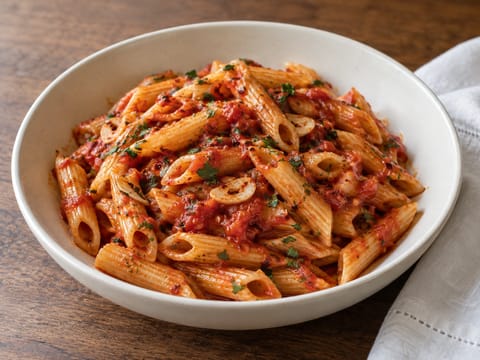
Penne tossed with spicy tomato, garlic and chilli sauce
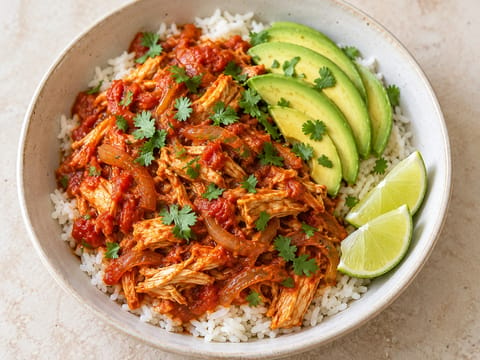
Chicken tinga rice bowl with chipotle tomato sauce and avocado
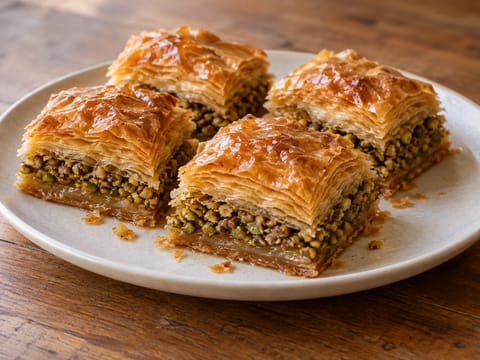
Crisp filo baklava with pistachios, walnuts and honey syrup
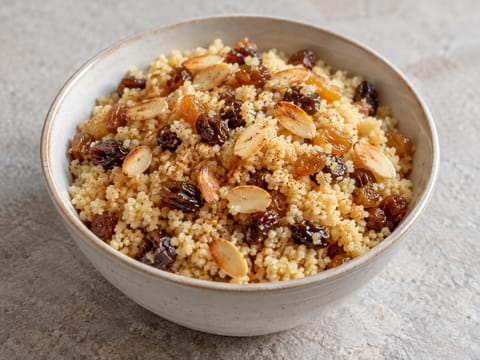
Sweet couscous with cinnamon, raisins and toasted almonds
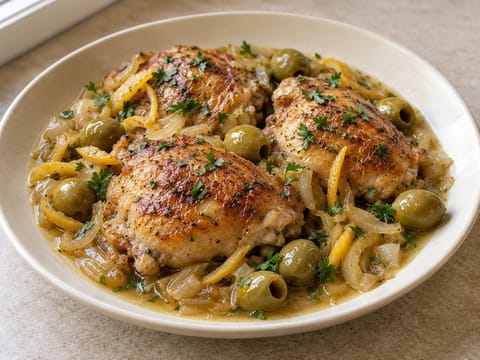
Braised chicken thighs with preserved lemon, olives and white wine
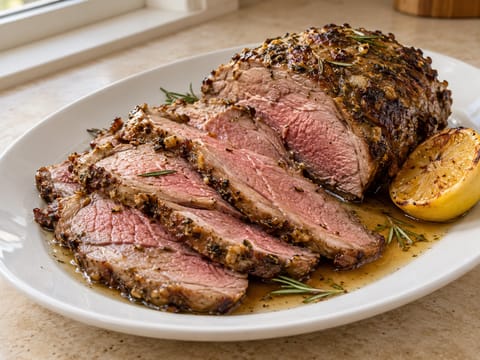
Leg of lamb roasted with garlic and rosemary.
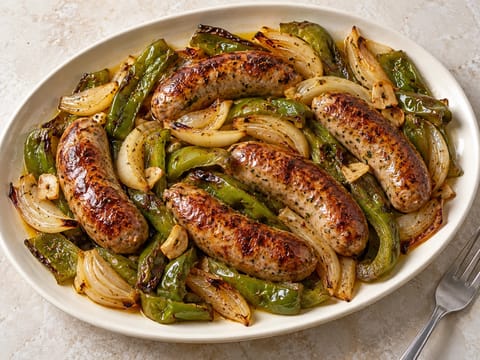
Roasted Italian sausage with peppers and onions on one tray
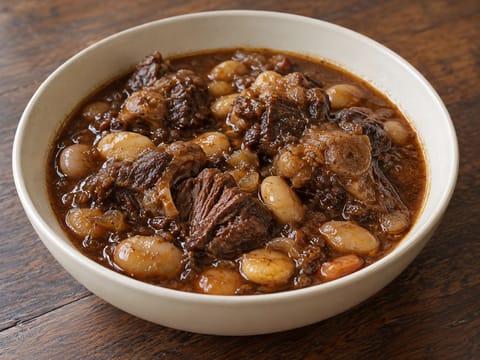
Caribbean oxtail stew with butter beans and rich gravy
Usually a combination of browning, seasoning and a clear serving format. A dish that slices, scoops or portions neatly, with a sauce or topping that adds richness, tends to read as a main rather than a side.
Many can. Bakes, stews and sauces often reheat well or hold warm without suffering, which is helpful when you’re feeding a group. The key is choosing dishes that don’t rely on last-second crispness.
Include a satisfying element such as cheese, eggs, beans, lentils, nuts or a starchy base. Texture matters too: a crunchy topping or a well-browned surface can make a dish feel more substantial.
No. Cheese is common because it adds salt and richness, but many vegetarian mains rely on legumes, vegetables, grains, herbs and spices instead. If you prefer lighter dairy, look for dishes where cheese is a finish rather than the foundation.
Crisp, sharp sides: salads with vinegar or citrus, sautéed greens, or pickled vegetables. They cut through creamy sauces and cheese-based bakes without adding more heaviness.
Choose a dish with bold flavour and a familiar format, and serve it with sides that everyone recognises. Optional condiments, such as chilli oil, herbs or grated cheese, let people adjust without needing separate meals.
Pick a vegetarian main that portions cleanly and can stand for a few minutes without losing its appeal. Then build contrast with one bright, crisp side and a simple starch if needed. That’s usually enough for a table that feels generous and complete.
