
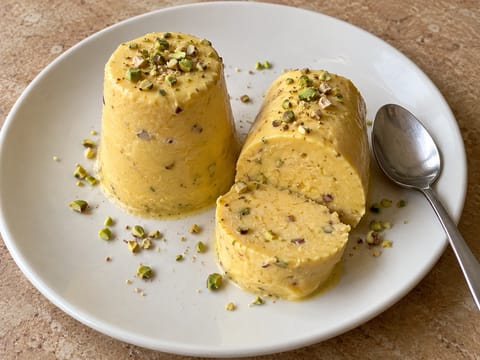
Mango Kulfi
Dense mango kulfi with reduced milk and cardamom
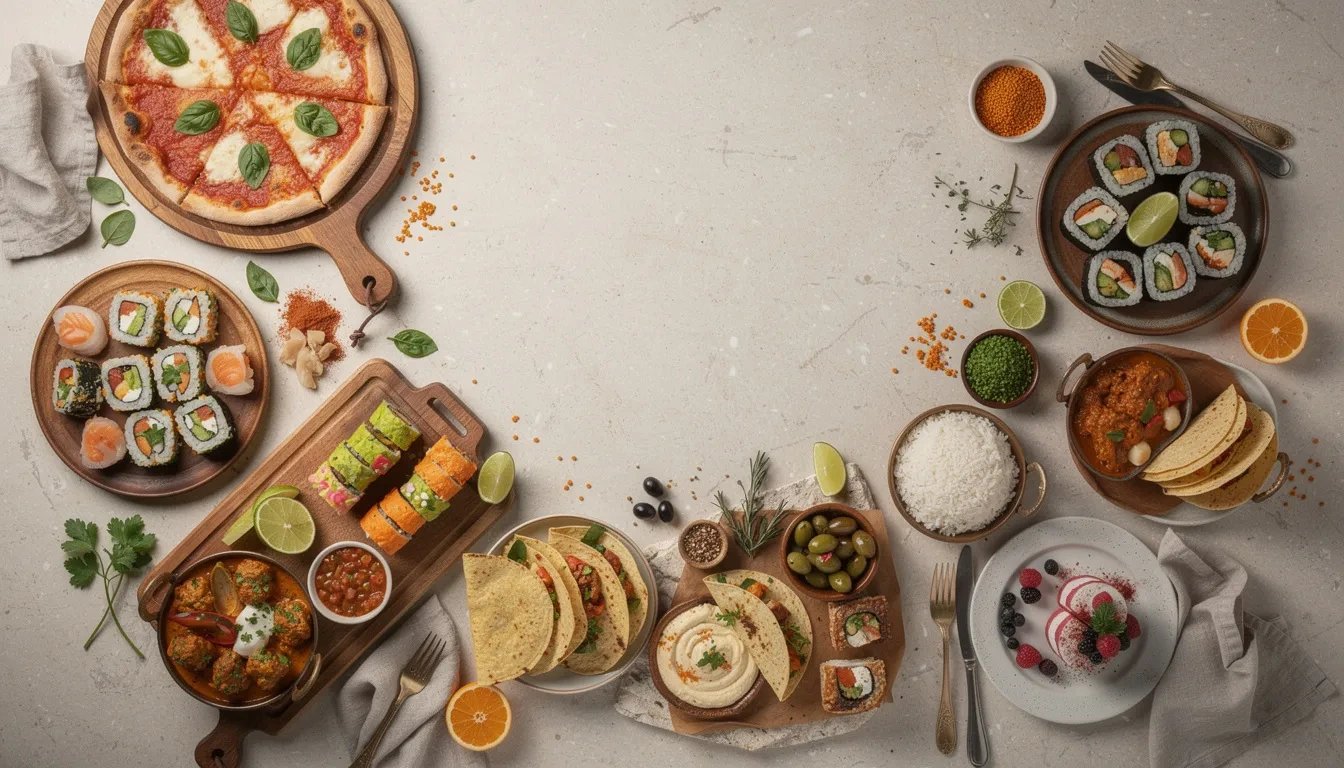
Indian cooking is often best understood as a way of building flavour in layers: whole and ground spices warmed in fat, aromatics cooked until sweet, and finishing touches that bring freshness or heat. Many meals are designed to be eaten together, with a balance of saucy dishes, dry vegetable sides, breads or rice, and something sharp on the side.
This page helps you choose Indian-style recipes by the kind of flavour you want and the method you are happy to use, rather than by a single “curry” idea.
Scan first for the flavour-building steps. If the recipe starts with tempering spices in oil or ghee, you can expect a more aromatic base than a dish where spices are simply stirred into liquid. Look for whether onions are browned deeply or cooked gently, as that changes sweetness and colour. Notice when tomatoes, yoghurt, coconut or tamarind appear, because they set the balance between richness and tang. Finally, check for a finishing step such as garam masala, fresh coriander, lemon or a spiced butter drizzle, which often lifts the whole dish right before serving.
Dense mango kulfi with reduced milk and cardamom
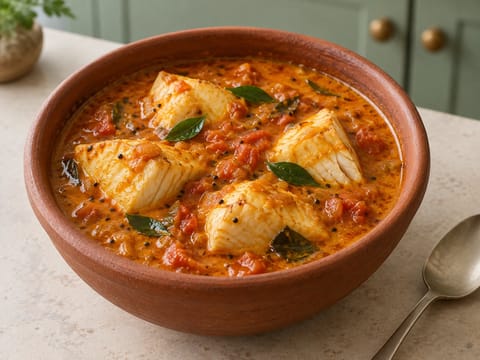
Kerala fish curry with coconut milk and tamarind
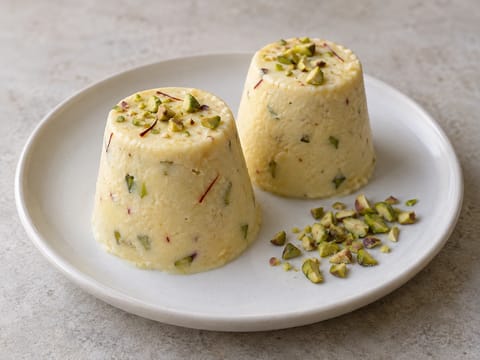
Dense kulfi made from reduced milk with saffron and pistachios

Crisp air-fryer samosas with spiced potato and pea filling.
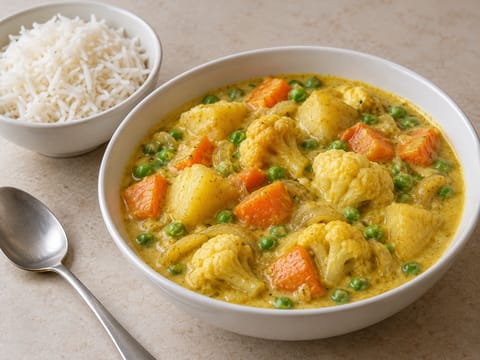
Mild vegetable korma with coconut, yoghurt and almonds
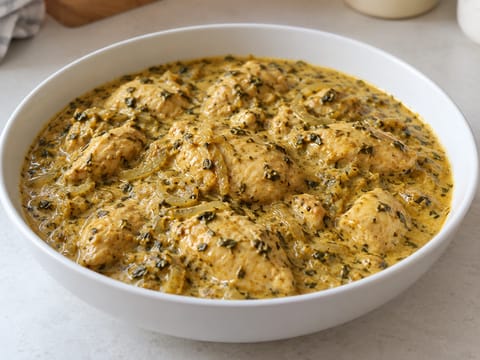
Creamy fenugreek chicken curry with warming spices
A lot of Indian flavour comes from controlled heat rather than complicated equipment. Tempering (tadka) is the quick frying of spices, sometimes poured over a finished dal or vegetable dish so the aroma stays bright. Many curries and dals rely on steady simmering to soften pulses and meld spices, while dry-style vegetable dishes often use higher heat to drive off moisture and concentrate flavour. For breads and snacks, a hot griddle or pan is central, whether you are cooking flatbreads, toasting spices, or crisping filled parcels. The same spice mix will taste different depending on whether it is bloomed in fat or cooked in a watery sauce.
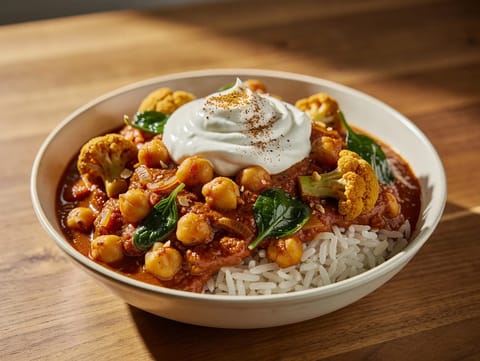
Spiced chickpeas with vegetables served over basmati rice and yoghurt
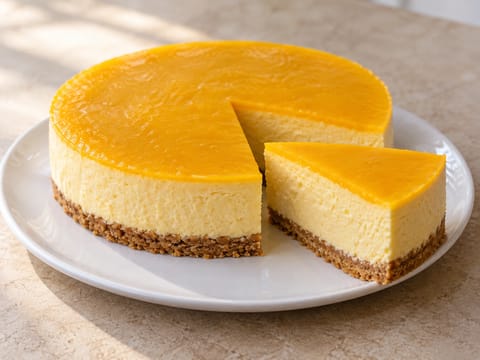
Chilled mango cheesecake with cardamom and biscuit base
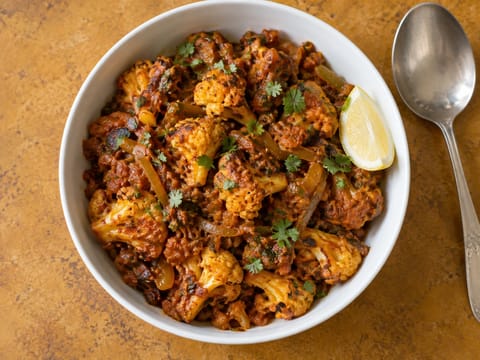
Roasted cauliflower in a tomato, onion and spice masala
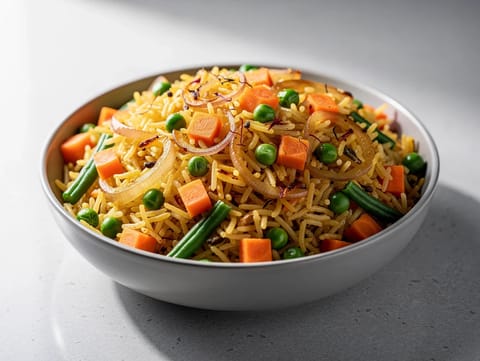
Vegetable pulao with basmati rice, ghee, saffron and spices
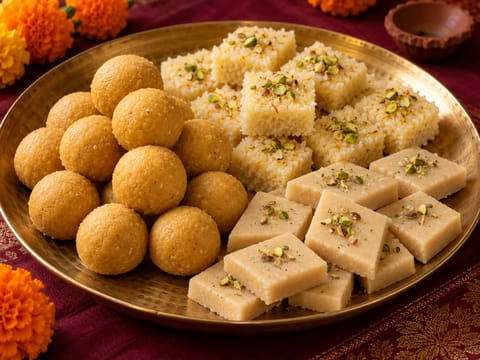
Diwali sweets platter with besan ladoo, coconut barfi and cashew fudge
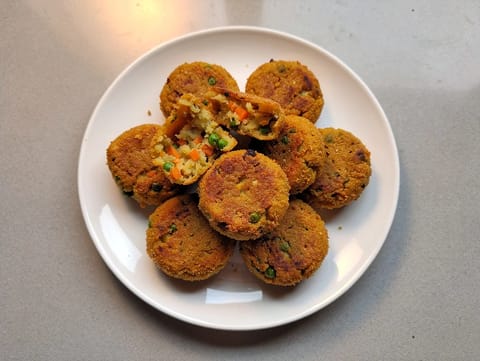
Crisp vegetable cutlets with potato, carrots, peas and breadcrumbs
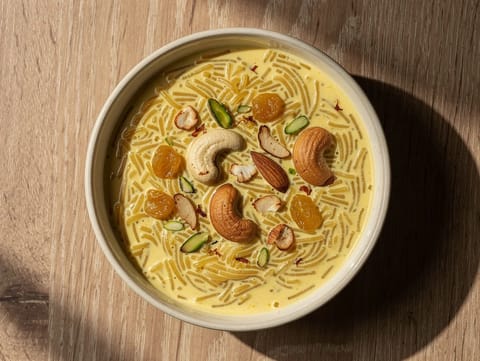
Sweet vermicelli simmered in milk with cardamom and saffron
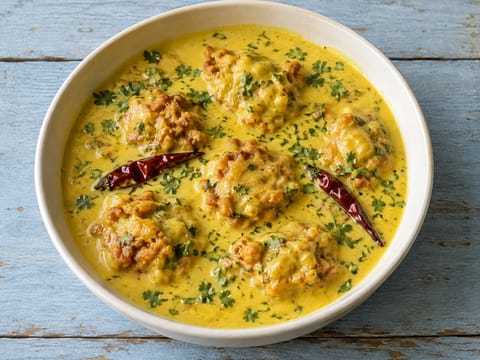
Yoghurt curry thickened with chickpea flour and pakora fritters
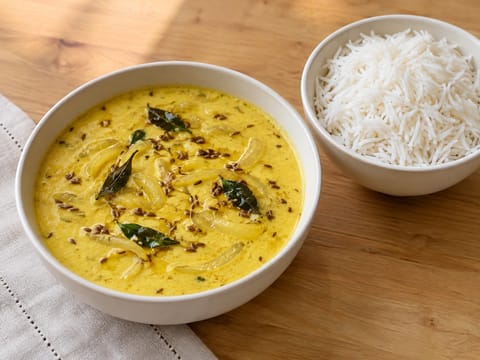
Yoghurt and gram flour kadhi served with basmati rice
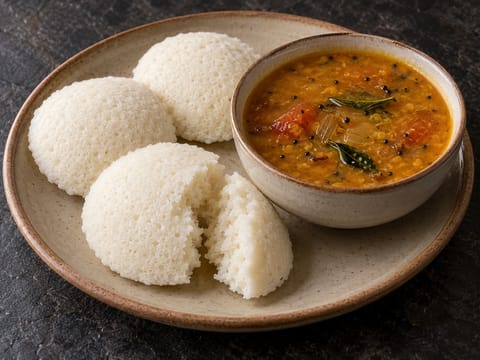
Steamed idli with tangy lentil and vegetable sambar
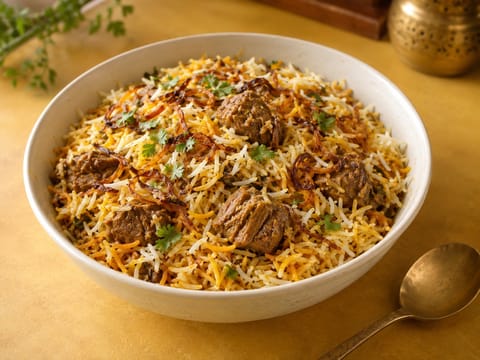
Layered mutton biryani with basmati rice and saffron milk
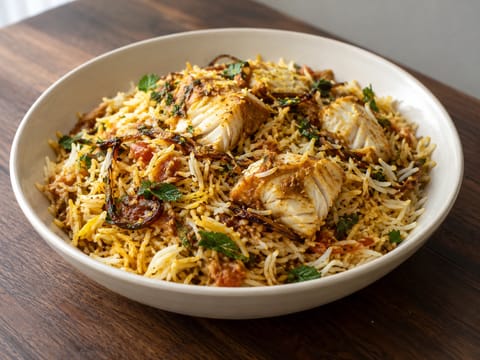
Layered Malabar fish biryani with herbs, lemon and yoghurt
Spices are the headline, but the supporting cast matters just as much. Pulses and beans provide body and a gentle, earthy base that carries seasoning well. Dairy can appear as ghee for aroma, yoghurt for tang and tenderness, or paneer for a mild, milky contrast to spiced sauces. Sourness is often deliberate: tomatoes, tamarind, lime, amchur (dried mango powder) or yoghurt keep rich dishes from tasting flat. Fresh herbs, green chillies and ginger bring a sharper top note, especially when added late rather than cooked for a long time.
Indian food is not a single regional style, and recipes labelled Indian may draw from very different traditions. Some lean towards wheat breads and dairy, others towards rice, coconut and seafood; some are built around roasted spice blends, others around fresher aromatics and souring agents. Home cooking also sits alongside restaurant-style dishes that use richer sauces, more butter or cream, or a different balance of sweetness and heat. Treat the label as a starting point, then use the ingredient list and method to understand what kind of Indian flavour profile you are heading towards.
Browsing by Ingredient is useful when you want to cook with lentils, paneer, spinach, aubergine or chicken and see how Indian flavours treat them. If you are choosing by technique, Cooking method helps separate quick griddle breads and stir-fried vegetables from longer-simmered dals and braises.
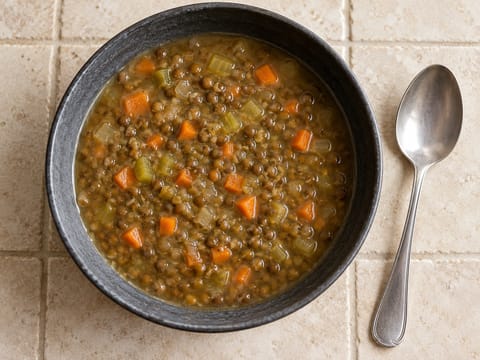
Green lentil soup finished with Dijon mustard
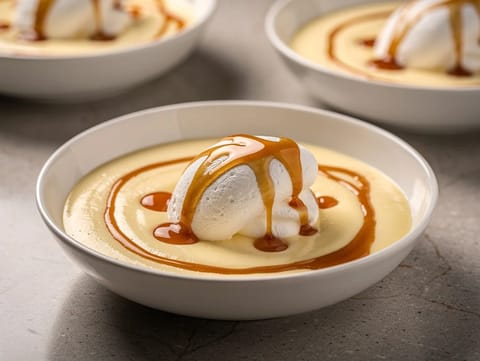
Poached meringue floating on vanilla custard with caramel
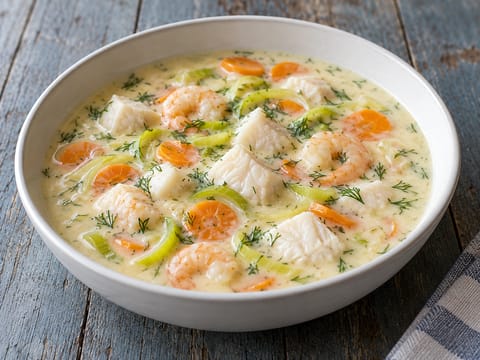
Creamy fish soup with prawns, lemon and dill

Italian butter cornetti baked golden and finished with icing sugar
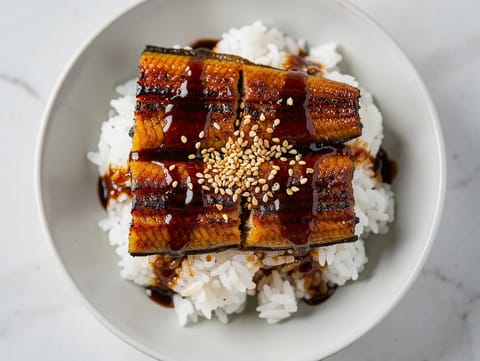
Grilled eel with sweet soy sauce served over rice
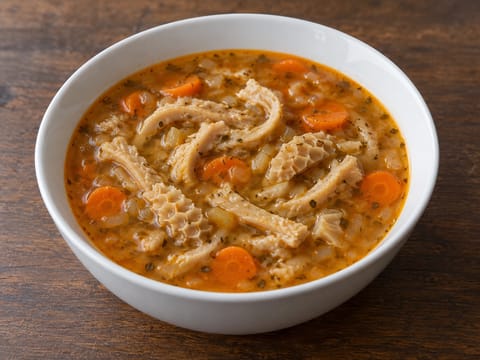
Polish beef tripe soup with marjoram, paprika and beef stock
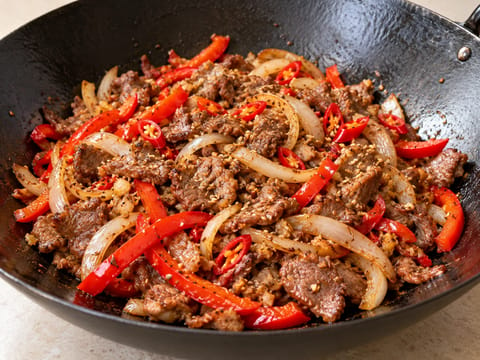
Xinjiang-style cumin lamb stir-fry with chillies, onion and peppers
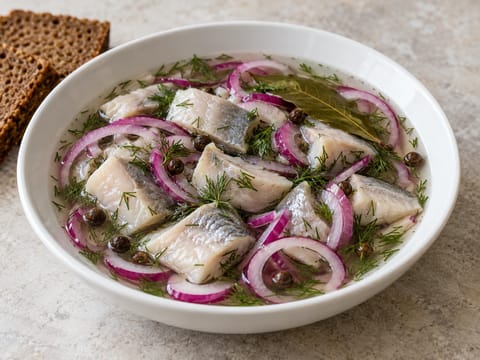
Pickled herring in sweet-sour brine with dill and red onion
Not exactly. In English it is used as a broad label, but Indian cuisines use many specific dish names and formats. A recipe’s base, spice handling and finishing steps will tell you more than the word curry.
Garam masala is typically a fragrant finishing blend used to add aroma late in cooking, and it varies widely by region and household. “Curry powder” is a general-purpose blend more common in British and other diaspora cooking; it can be useful, but it is not a single traditional standard.
Longer cooking drives off water and encourages browning, which builds sweetness, colour and a deeper base for spices. A quicker cook keeps the flavour lighter and the sauce paler.
Heat levels vary widely. Many dishes focus more on aroma, sourness and warmth from spices than on chilli heat, and chilli can often be adjusted without changing the dish’s basic character.
It delivers a burst of spice aroma carried in hot fat. Because it is done quickly and often added at the end, the flavours stay vivid rather than simmering away.
When you pick Indian-style recipes, decide first whether you want a saucy braise, a dry vegetable dish, a pulse-based stew, or a bread or snack from the griddle. The method will guide the flavour, even before you choose the spice blend.
