
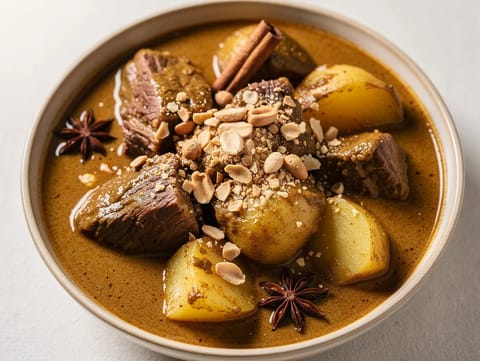
Massaman Beef Curry
Massaman beef curry with potatoes, peanuts and coconut milk

Curry is a broad dish family built around a seasoned sauce, gravy or spiced coating rather than a single fixed recipe. What matters most is the structure: some curries are spoonable and saucy, others are thick enough to cling to meat or vegetables, and some are deliberately dry-fried with spices and aromatics. Those choices affect how a curry reheats and how well it holds if you cook ahead. Use this page to recognise the main curry formats and to pick a style that suits the texture you want on the plate.
In home cooking, curry usually signals a dish where aromatics and spices are cooked to form a base, then combined with vegetables, pulses, meat, fish or eggs. The liquid element can come from tomatoes, stock, coconut milk, yoghurt, ground nuts, or simply the moisture released by the ingredients as they cook. Because the term is used across many cuisines, it does not automatically tell you the heat level, the spice list, or whether the dish is creamy, tangy or tomato-led. It also does not guarantee a long simmer: some curries are quick, while others rely on slower cooking to tenderise and to let flavours round out. Thinking in terms of base, liquid and finish is often more useful than expecting one standard profile.
Massaman beef curry with potatoes, peanuts and coconut milk
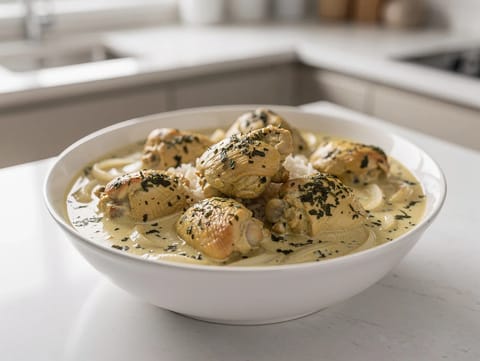
Creamy fenugreek chicken curry with warming spices
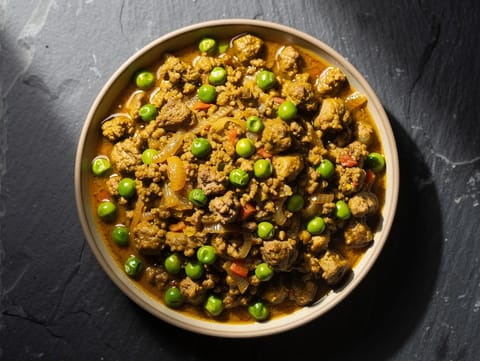
Minced lamb and pea curry simmered in onion and tomato masala
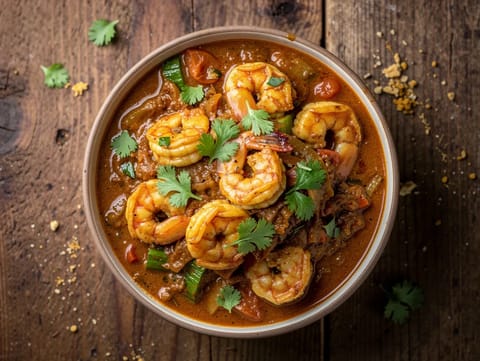
Spiced prawn curry in a thick onion and tomato gravy
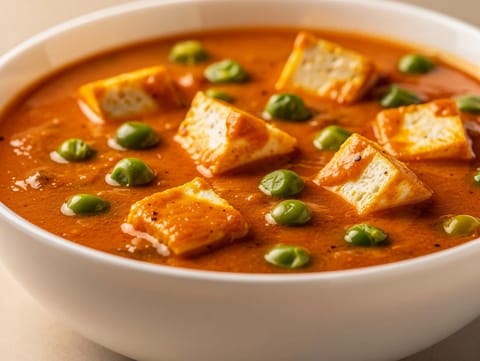
Paneer and peas simmered in a spiced tomato-onion gravy
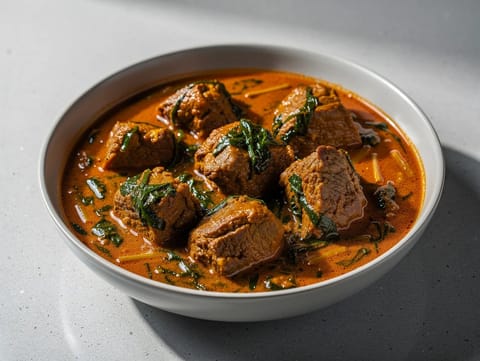
Lamb curry simmered with mustard greens and spices
Saucy curries are the ones you ladle, where the sauce is part of the serving. They can be thin and brothy or rich and creamy, depending on the thickener and fat. Thick curries sit closer to a stew, with sauce that coats rather than pools; these often feel fuller and can cling well to rice or flatbreads. Dry curries are cooked until the moisture reduces and the spices cling to the ingredients, giving a more intense, roasted edge and a less messy plate. You will also see curries where a paste is fried first, curries built from whole spices tempered in hot fat, and curries finished with a fresh element such as herbs, citrus or a spiced oil. Each method changes aroma and texture more than it changes the basic idea of ‘curry’.
Aloo gobi with sautéed potato and cauliflower in a spiced onion and tomato masala
Aloo gobi is a dry curry of potatoes and cauliflower with warming spices
Kolhapuri-style mutton simmered in a spiced onion and tomato gravy with coconut
Chicken simmered in coconut milk with lemongrass and ginger, served with jasmine rice
Tangy kadhi with chickpea fritters, finished with cumin and dried chilli
Blended spinach curry simmered with spices, then warmed with paneer and finished with butter
Fish curry with tamarind and mustard seeds in a light tomato gravy, served with rice
Goan-style fish curry in a smooth coconut gravy with tamarind, served with rice
Chicken korma with a smooth yoghurt and cashew sauce, finished with cream
Aloo gobi masala with tender potatoes and cauliflower coated in spiced masala
Deep red Rajasthani mutton curry with dried red chillies and warming spices
Indian masoor dal with tomato and turmeric, topped with a sizzling ghee tadka
For cooking ahead, look for curries where the sauce is stable after cooling and reheating. Tomato-based and many onion-spice gravies often reheat smoothly, while dairy-thickened sauces can split if boiled hard, so gentler reheating matters. Dry curries can be good for advance prep because they are less likely to thin out, but they may need a splash of water or stock to loosen if they tighten in the fridge. If your curry includes vegetables, consider how they hold their shape: potatoes and pulses are usually forgiving, while very tender greens can lose colour and texture if reheated. Curries finished with fresh herbs, crisp toppings or a squeeze of citrus often benefit from adding those right at the end, so the flavour stays bright.
A saucy curry pairs naturally with something absorbent: rice, flatbreads, or other starches that catch the gravy. Thick curries can handle lighter sides, such as a simple salad or quick-cooked vegetables, because the plate already has body. Dry curries often work well with plain rice or breads that can scoop, plus a cooling element like yoghurt-based condiments where they fit the cuisine. If the curry is rich with coconut, cream or nuts, a sharp side such as pickles or a squeeze of lime can keep the meal from feeling heavy. If the curry is already tangy, a neutral accompaniment helps the spice and aromatics read clearly.
Curry is closely tied to Cuisine, because the spice base, souring agents and finishing touches change dramatically from place to place. Cooking method is also a helpful next step: whether a curry is simmered, pressure-cooked, baked or dry-fried will tell you a lot about its final texture and how it fits into your prep plan.
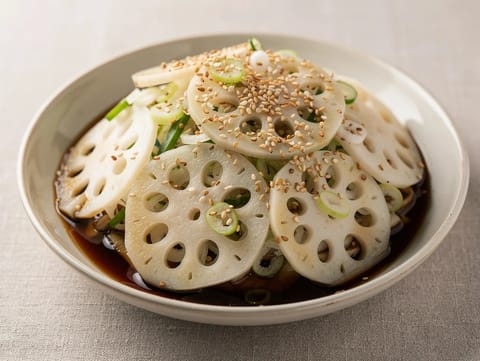
Chilled lotus root salad with black vinegar, soy and chilli oil

Moroccan potato fritters with cumin, herbs and lemon

Sweet-sour tamarind agua fresca served chilled over ice
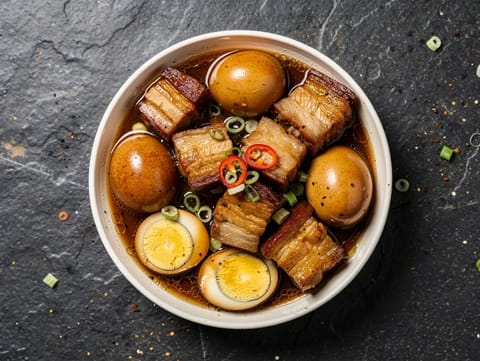
Braised pork belly with eggs in coconut water sauce
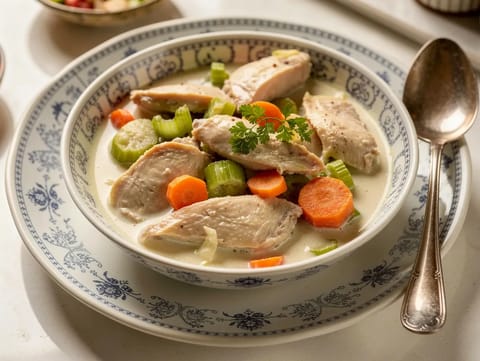
Creamy Belgian chicken stew finished with egg yolks and cream
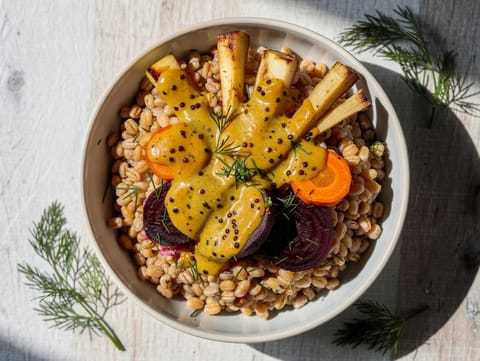
Barley bowl with roasted root vegetables and mustard dressing
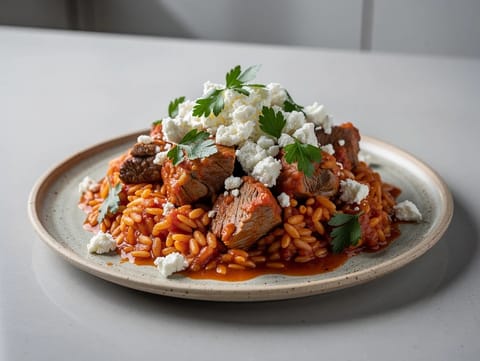
Greek lamb yiouvetsi with orzo in tomato and red wine
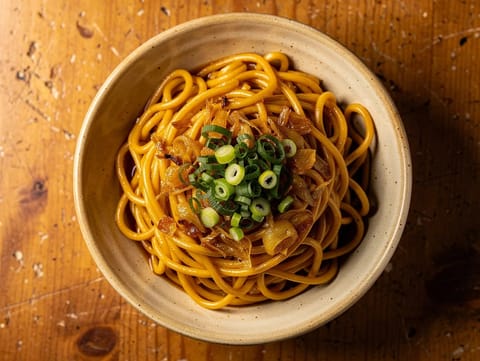
Wheat noodles tossed in fragrant spring onion oil and soy sauce
No. Many curries are aromatic rather than fiery. Heat depends on the type and amount of chilli used, and some curries rely more on warm spices, herbs or sourness than on chilli heat.
There is overlap, but curry usually signals a spice-and-aromatic base that defines the flavour, often built by frying spices, onions, garlic or ginger before adding the main ingredients and liquid.
As it cools and rests, flavours can meld and harsh edges from spices can soften. This is more noticeable in curries with a cooked spice base and a sauce that has time to settle.
Many curries freeze well, especially those without delicate dairy emulsions. Texture can change depending on ingredients, so it helps to choose a style where a slight softening of vegetables or sauce is not a problem.
Coconut milk can separate if boiled hard or reduced aggressively. Gentle simmering and stirring, and adding coconut milk later in cooking when appropriate, can help keep the sauce cohesive.
Raw spice flavour usually means the spices or paste were not cooked long enough in fat at the start. Frying the base until fragrant helps the spices bloom and lose their raw edge.
When you choose a curry, decide first whether you want it saucy, thick or dry, then match the cooking method and finishing touches to that structure. It is the quickest way to pick a recipe that will reheat and serve the way you expect.
