
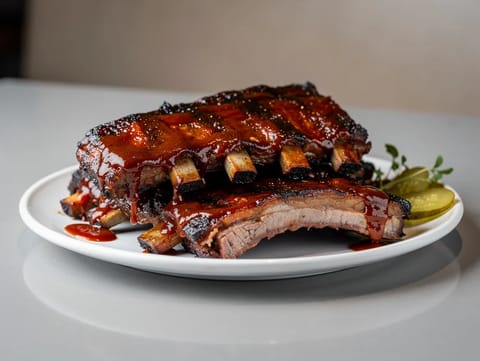
Slow-Cooked Kansas City BBQ Ribs
Slow-baked pork ribs finished with Kansas City BBQ sauce

Aluminium foil is less a piece of cookware than a flexible barrier: it reflects heat, traps steam when sealed, and protects surfaces from direct browning. That makes it useful for lining trays, wrapping foods for gentle cooking, and tenting roasts or bakes to slow down colouring. The same qualities can work against you if you need crispness or evaporation. Knowing whether you want dry heat or trapped moisture is the quickest way to decide if foil belongs in the recipe.
Foil changes the cooking environment more than it changes the temperature. Laid loosely over food, it reduces direct radiant heat from above, so the surface browns more slowly. Wrapped tightly, it holds in steam and creates a humid pocket that softens skins and keeps lean foods from drying out, but also prevents crisp edges. Used as a tray liner, it can make clean-up easier, though it may reduce browning underneath if it insulates the metal surface. Foil is also a practical way to separate flavours or protect delicate parts, such as covering exposed pastry edges or shielding the tips of bones.
Slow-baked pork ribs finished with Kansas City BBQ sauce
Baby back ribs baked low and slow with a dry rub crust
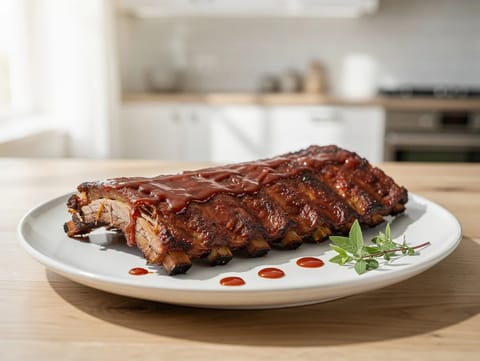
Tender baby back ribs caramelised with barbecue sauce
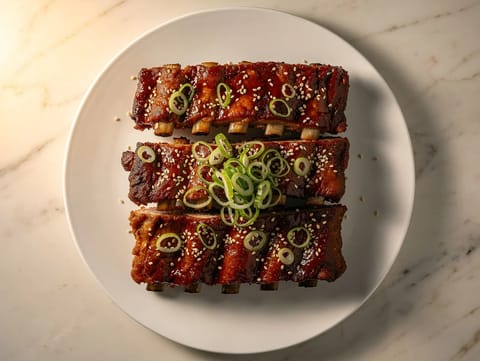
Oven-baked pork ribs with sticky gochujang glaze
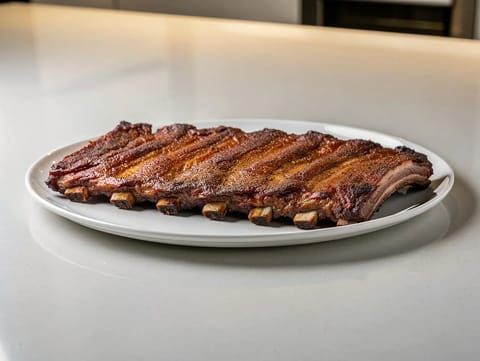
Oven-baked pork ribs with smoky dry rub and vinegar sauce
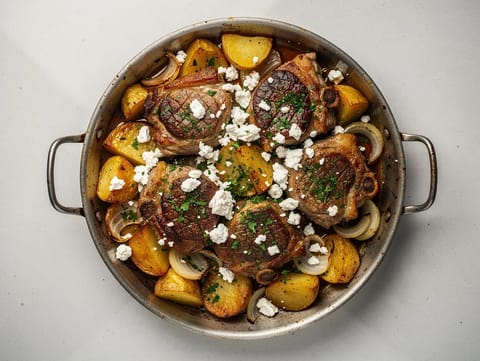
Slow-baked lamb in parchment with potatoes, lemon and oregano
Use foil when you want protection or containment: tenting a dish that is colouring too fast, wrapping fish or vegetables with aromatics for a moist finish, or lining a tray for sticky marinades that would otherwise burn on. Skip foil when you want evaporation and crispness, such as roasting potatoes or drying out chicken skin, because trapped steam works against browning. If the recipe is about even, dry heat, parchment paper can be a better liner, and a lidded pot or baking dish can replace a tight foil parcel when you want gentle steaming without the risk of leaks.
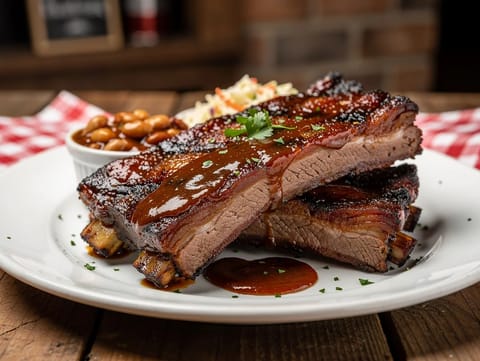
Slow-baked beef ribs with a sweet, tangy BBQ glaze
Whole chicken cooked in hot salt, then chopped and served with ginger spring onion oil
Baby back ribs baked low and slow with a dry rub crust
Tender pork spare ribs with brown sugar, smoked paprika and a caramelised crust
Tender pork ribs glazed with tomato and molasses barbecue sauce, then caramelised
Foil-baked fish with tomato, onion, jalapeño and lime, served with tortillas
A common slip is sealing too well when you actually want some moisture to escape. Leaving a small vent in a foil parcel can prevent food from turning watery. Another is letting foil touch sugary glazes or sauces near the end of cooking; it can pull off the coating when you remove it. If you are lining a tray, press the foil flat so fat does not pool in creases and fry the underside unevenly. Finally, avoid using foil as a substitute for a rack when airflow matters: it blocks heat circulation and can leave food pale underneath.
Cooking method is the natural companion to foil, because the same ingredient behaves differently when roasted, grilled, baked or steamed in a parcel. Difficulty can also help you choose, as some foil techniques are forgiving, while others depend on neat sealing, careful venting and timing to avoid over-steaming.
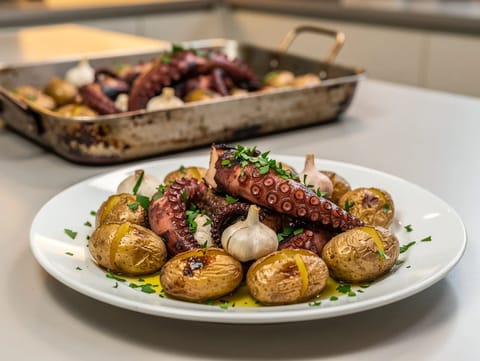
Roasted octopus with potatoes, garlic, bay and olive oil
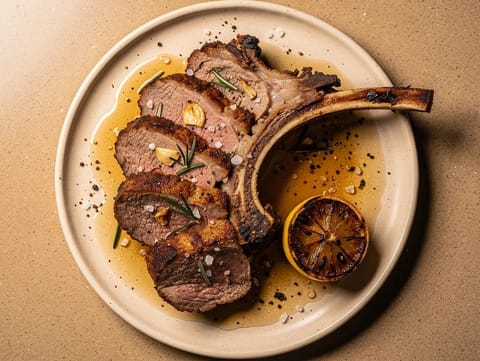
Spanish roast lamb with garlic, rosemary, white wine and lemon
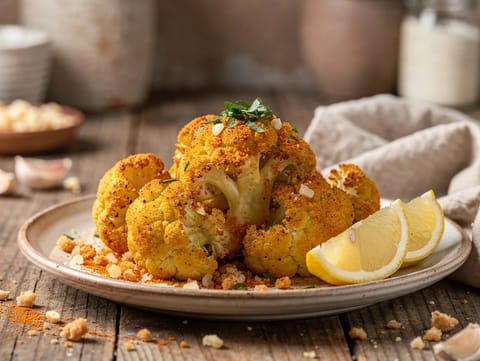
Oven-baked cauliflower with garlic, paprika and breadcrumbs
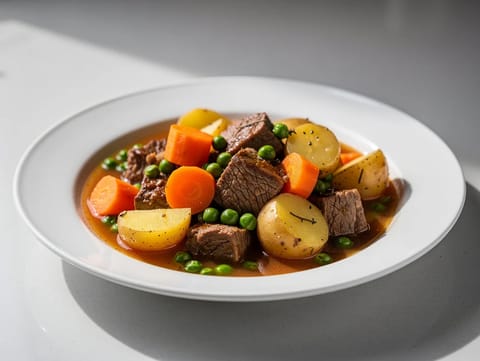
Spring lamb stew with carrots, new potatoes and peas
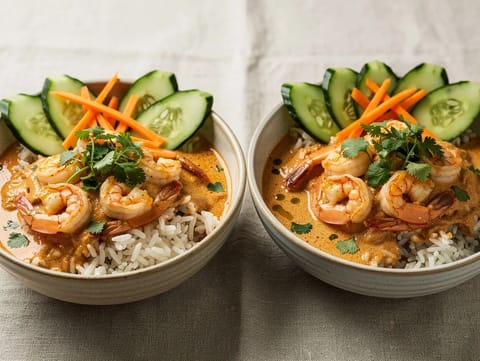
Coconut prawn curry served over jasmine rice with crisp vegetables
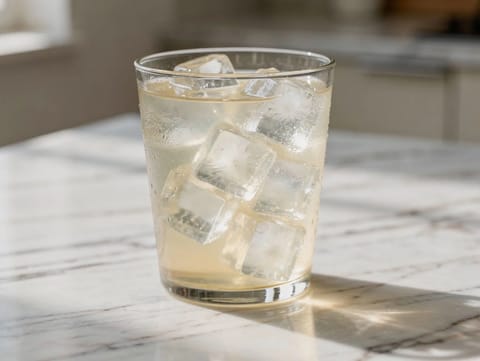
Coconut water cooler with lime and honey over ice
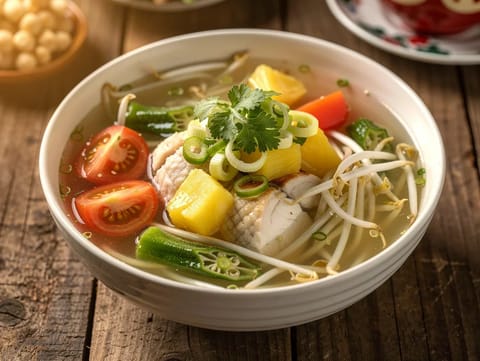
Light Vietnamese sweet and sour fish soup with tamarind
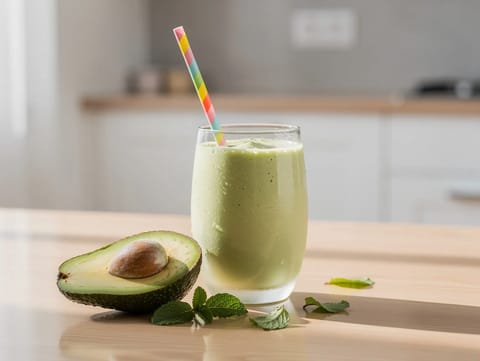
Vietnamese avocado smoothie with condensed milk and ice
Covering is one use, but foil is also used for lining trays, wrapping foods into parcels, shielding delicate areas from browning, and separating components during cooking.
Tenting is a loose cover that slows browning while still allowing some moisture to escape. Wrapping is a tighter seal that traps steam and keeps the cooking environment humid.
When you want a non-stick liner that still allows dry heat and steady browning, parchment is often more suitable than foil, which can reflect heat and trap moisture in places.
Foil traps steam. That steam softens crisp skins and crusts, especially if the food is covered while very hot. Tenting loosely and uncovering at the end can help.
It often can, but it must not touch the heating element and it can intensify heat in spots. Follow your oven’s guidance and watch closely, especially with sugary foods.
Yes. It can slow browning when used as a cover, and it can reduce browning underneath when used as a liner, depending on how closely it sits against the tray and the food.
Before you reach for foil, decide whether the recipe needs dry heat or a little trapped steam. Foil is excellent for shielding and containing, but it is rarely the best choice when crispness is the goal.
