
Hakka Salt-Baked Chicken (Whole Chicken Cooked in Hot Salt)
Why this recipe works
- Steady salt heat: A bed of heated coarse salt surrounds the wrapped chicken, creating even, enclosed heat without direct roasting.
- Aromatic seasoning: Shaoxing wine, ginger, spring onion and white pepper perfume the chicken while the sealed foil keeps the juices close to the meat.
- Simple to serve: Chopped pieces can be served warm with the reserved juices, ginger and spring onion oil, and plain steamed rice.
Get the most out of this recipe
Timing notes
- Mostly hands-off: The active work is mainly seasoning, heating the salt and making the ginger-spring onion oil; most of the time is gentle enclosed cooking.
- Rest before unwrapping: Leaving the chicken buried briefly, then resting it again on a tray, helps the juices settle before chopping.
- Best served warm: Serve soon after chopping so the meat stays juicy and the ginger and spring onion oil remains fragrant.
Authenticity notes
- Hakka-style method: Salt-baked chicken is closely associated with Hakka cooking, where the chicken is enclosed and cooked using the retained heat of hot salt.
- Wrapped and buried: The defining technique is burying the wrapped bird completely in hot coarse salt rather than roasting it uncovered.
- Ginger and spring onion oil: The aromatic oil is a classic partner for simply cooked chicken, adding freshness, savouriness and a glossy finish.
Common mistakes
- Leaking juices: Loose foil allows juices to escape into the salt, which can leave the chicken drier and make the salt clump or scorch.
- Salt too hot or too cool: Keep the heat steady once the chicken is buried: too high can scorch the salt, while too low slows cooking and gives uneven results.
- Check the thigh: Use a thermometer in the thickest part of the thigh and cook until it reaches 74°C (165°F), especially when preparing a whole bird.
Ingredient notes
- Use coarse sea salt: Coarse salt is easier to heat, move and reuse as a cooking medium than fine salt, which packs tightly and can scorch more readily.
- Choose skin-on chicken: The skin helps protect the meat during the long enclosed cook and carries the aromatic juices well when chopped.
- Crush the aromatics: Lightly crushing the ginger and spring onions helps release their fragrance before they go into the cavity.
Equipment you'll need
Ingredients
Instructions
- Pat the chicken dry. Lightly crush half the ginger and 3 of the spring onions, then rub the chicken all over with the Shaoxing wine and white pepper, pushing some ginger and spring onion into the cavity.
- Wrap the chicken tightly in a double layer of foil, sealing the edges well so juices cannot leak. Leave at room temperature while you heat the salt.
- Set a wok or large pot over medium-high heat and add the coarse sea salt. Stir and heat for 10 to 12 minutes until the salt is very hot and faintly shimmering.
- Push half the hot salt to the sides to make a shallow well. Nestle the wrapped chicken into the well, then shovel the remaining salt over and around it so it is fully buried.
- Cover with a lid and reduce the heat to medium-low. Cook for 55 to 60 minutes, adjusting the heat so the salt stays hot but does not scorch; the chicken is ready when the thickest part of the thigh reaches 74°C (165°F).
- Turn off the heat and leave the chicken buried in the salt for 10 minutes. Carefully lift it out with tongs, set on a tray, and rest for a further 10 minutes before unwrapping.
- While the chicken rests, finely slice the remaining spring onions and finely grate the remaining ginger. Heat the peanut oil until just shimmering, then pour it over the ginger and spring onion; stir in the toasted sesame oil.
- Unwrap the chicken, reserving any juices, then chop into serving pieces. Spoon over a little of the reserved juices and serve with the ginger and spring onion oil on the side.
Recipe notes
Serving suggestions
This recipe pairs well with:
Tips
- Seal the foil tightly and use a double layer so the chicken steams in its own juices rather than leaking into the salt.
- If serving children or anyone vulnerable, make sure the chicken reaches 74°C (165°F) in the thickest part of the thigh before resting.
Substitutions
- Replace peanut oil with vegetable oil for a neutral flavour.
- Replace toasted sesame oil with sesame oil for a milder finish.
Storage
- Refrigerate up to 3 days
- Cool the chicken quickly, then refrigerate in a sealed container. Reheat pieces in a 180°C (355°F) oven until piping hot, and warm the ginger and spring onion oil gently so it does not scorch.
Ratings & reviews
Liked this recipe? Share your feedback to support our cooking community.
Tried this recipe?
Choose 1–5 stars. A comment is optional.
Stay inspired
Discover new recipes, seasonal favourites and cooking inspiration every day. Follow JustRecipes on Pinterest and Spillt.
Recipe overview
- Servings: 4 servings
- Total time: 1h 45min (30min active)
- Difficulty: Advanced
- Cuisine: Chinese
-
Allergens:
Peanuts
Plan your meals and get a complete grocery list automatically.
Add to meal plannerEquipment you'll need
Got ingredients left?
Find recipes using ingredients from this recipe or what you already have at home.
Find recipes with these ingredients →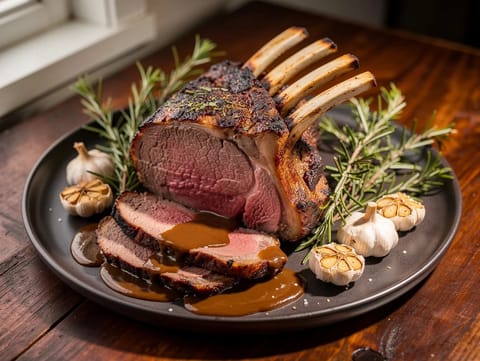
Prime Rib Roast with Rosemary, Garlic and Beef Gravy
Roast prime rib with rosemary and a simple beef gravy

Roast Beef with Yorkshire Pudding
Roast beef with crisp Yorkshire puddings and simple gravy
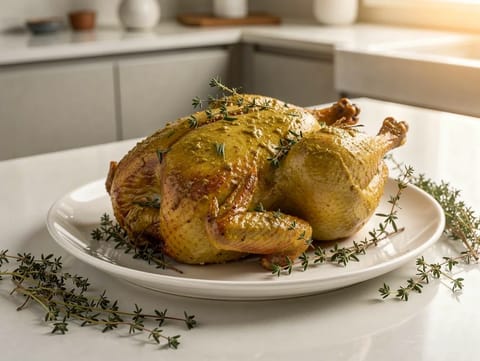
Poulet Rôti à la Moutarde (Roast Chicken with Dijon Mustard)
Roast chicken coated with Dijon mustard, thyme, garlic and shallots
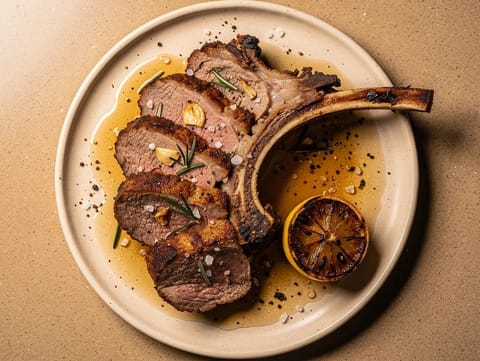
Cordero Asado (Spanish Roast Lamb with Garlic and Rosemary)
Spanish roast lamb with garlic, rosemary, white wine and lemon
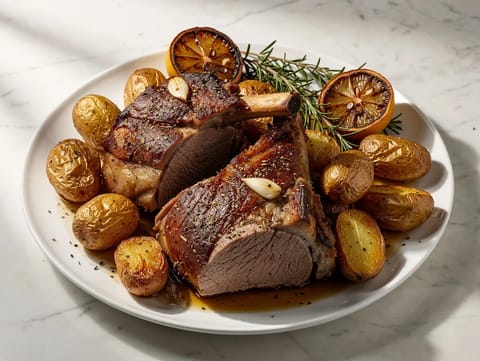
Greek Christmas Lamb Roast with Lemon, Garlic and Potatoes
Greek-style roast lamb with lemon, garlic and tray potatoes
Air Fryer BBQ Pork Chops
BBQ pork chops glazed and cooked in the air fryer.
New York-Style Pizza
Thin, foldable pizza topped with tomato sauce and mozzarella

Air Fryer Cheeseburgers
Air fryer cheeseburgers with melted cheddar on beef patties.
Rabbit and Cider Casserole
Rabbit braised in dry cider with bacon, carrots and leeks
Air Fryer Honey BBQ Chicken Tenders
Crispy chicken tenders finished with a honey barbecue glaze.
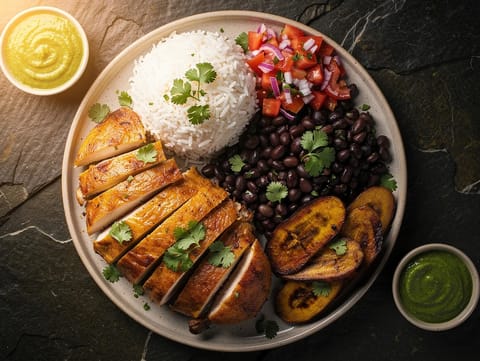
Holiday Latin Table (Festive Meal Spread)
Roast chicken with rice, beans, plantain, and salsa.
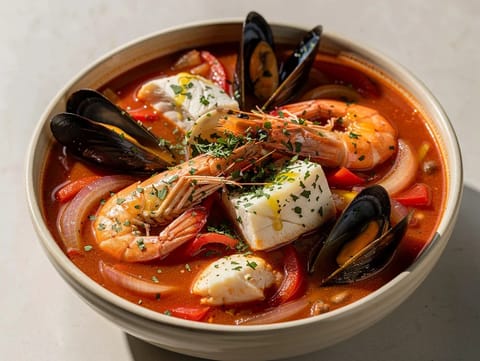
Cazuela de Mariscos (Chilean Seafood Casserole)
Seafood casserole with prawns, mussels and white fish
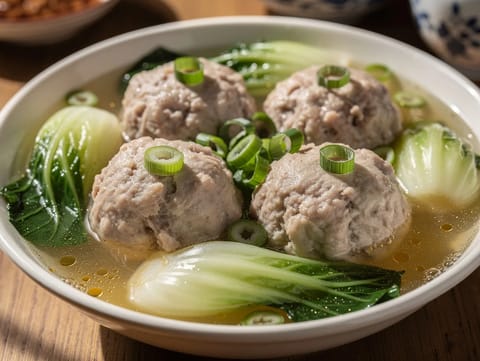
Lion’s Head Meatballs (Shanghai-Style Braised Pork Meatballs with Napa Cabbage)
Braised Shanghai-style pork meatballs with napa cabbage
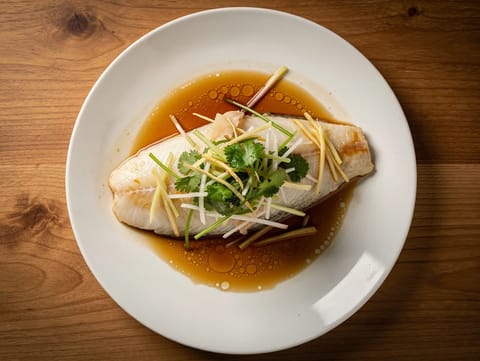
Steamed Fish with Soy and Ginger
Gently steamed fish with soy, ginger and spring onions
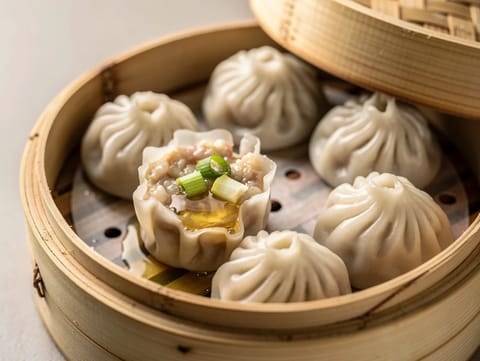
Xiao Long Bao (Chinese Soup Dumplings)
Steamed soup dumplings with pork filling and hot broth
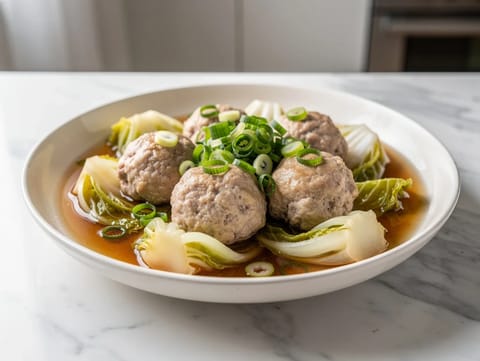
Lion’s Head Meatballs (Shanghai Pork Meatballs with Chinese Cabbage)
Shanghai pork meatballs braised with Chinese cabbage

Chinese New Year Dumplings (Pork and Chinese Cabbage)
Boiled dumplings with pork and Chinese cabbage filling

Steamed Egg Custard (Zheng Shui Dan)
Silky Chinese steamed egg custard with soy and sesame
You might also like
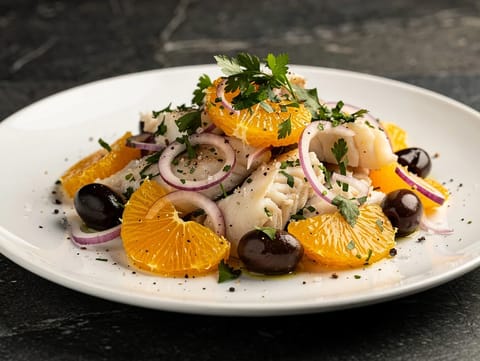
Ensalada de Naranja y Bacalao (Orange and Salt Cod Salad)
Orange and salt cod salad with red onion and olives
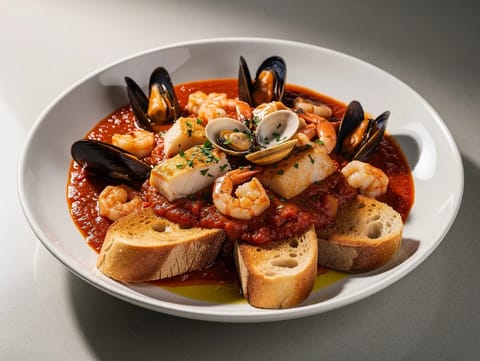
Cacciucco (Tuscan Fish Stew)
Tuscan fish stew served over toasted garlic-rubbed bread

Classic Gin and Tonic with Lime
Gin and tonic with lime served over ice
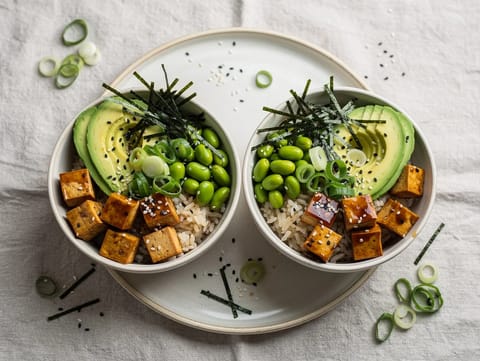
Vegan Poke Bowl
Vegan poke bowl with tofu, sushi rice and vegetables.

Bouchées à la Reine (Vol-au-Vents with Creamy Chicken and Mushrooms)
Vol-au-vents filled with creamy chicken and mushroom sauce
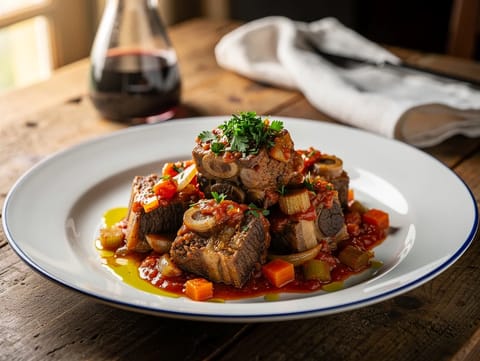
Coda alla Vaccinara (Roman-Style Oxtail Stew)
Roman-style oxtail stew braised with tomatoes, red wine and cocoa
Make this recipe easier next time
AdvertisementThese tools help you get better results with less effort.
OXO Good Grips 2-Piece Cutting Board Set
- Two useful sizes with reversible cutting surfaces
- Dishwasher safe and easy to clean
- Plastic surfaces will show knife marks over time
Titanium & PP Double-Sided Cutting Board
- Separate surfaces for meat and produce
- Resists odors and stains
- Harder on knife edges than wood or plastic
Teakhaus Large Teak Cutting Board
- Large, durable and knife-friendly teak surface
- FSC-certified wood with a premium finish
- Requires hand washing and occasional oiling
Enjoy cooking with JustRecipes?
Add JustRecipes as one of your preferred Google sources to discover our recipes more easily across Google Search.
Add JustRecipes to GoogleEvery recipe on JustRecipes follows the same structured editorial process. Learn how recipes are created, validated, translated, illustrated, and continuously improved across the platform. How we create recipes.
