
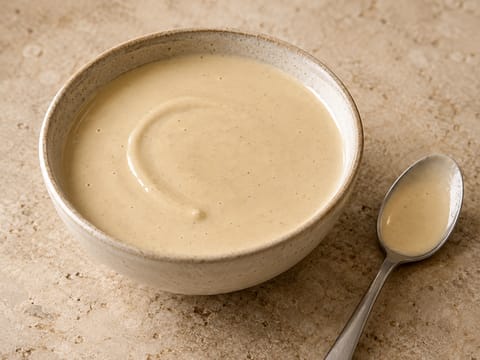
Tahini Sauce
Smooth tahini sauce with lemon, garlic and water

A citrus juicer is for extracting juice cleanly and quickly while keeping pips and most pulp out of the bowl. It matters most when citrus is doing more than “a squeeze at the end”: think dressings, marinades, curds, drinks and sauces where the balance of acidity and sweetness is central. A good juicer also helps you work with smaller fruit, such as limes, without losing juice to slippery hands or a crowded cutting board.
Citrus juicers range from simple hand reamers to hinged presses and countertop models, but the aim is the same: apply pressure to the cut fruit so the juice runs freely, while the rind and membranes stay behind. It does not replace zesting, which uses only the fragrant outer peel, and it is not designed for crushing whole fruit. In recipes, “citrus juicer” usually signals that you will be working with fresh juice rather than bottled, and that you may want a clean pour without fishing out pips.
Smooth tahini sauce with lemon, garlic and water

Ouzo spritz with lemon, syrup, sparkling water and ice

Soy-glazed salmon with jasmine rice and pak choi

Lebanese red lentil and lemon soup with potato

Vine leaves rolled with herbed rice, simmered and finished with lemon

Coconut chickpea curry with spinach, lime and coriander
Use a citrus juicer when you need enough juice to measure, or when you want consistent results across several fruits. It is particularly helpful for lemon juice in vinaigrettes and mayonnaise-style sauces, lime juice for salsas and marinades, and orange or grapefruit juice for glazes and syrups. Press-style juicers can be efficient for limes and lemons because they turn the fruit inside out, squeezing the segments firmly. Reamers are slower but flexible, and can be easier when you want some pulp for texture in drinks or desserts.
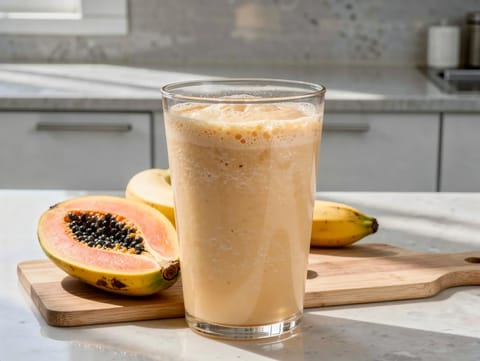
Papaya and banana smoothie with yoghurt, lime and coconut milk.
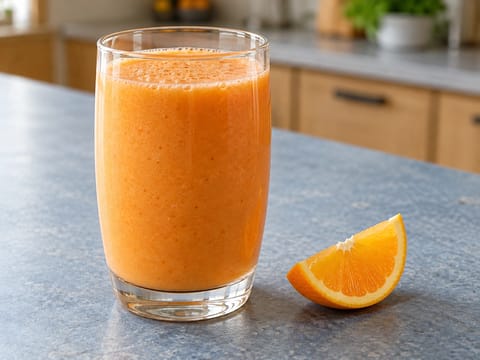
Carrot, ginger and orange smoothie blended creamy with banana and yoghurt.

Pitta filled with crisp chickpea falafel and tahini lemon sauce

Rosemary rabbit served with homemade garlic alioli

Courgettes and sweetcorn sautéed with crema, coriander and lime

Garlic butter prawns finished with lime, chilli and coriander

Blackened fish with lemon butter and steamed rice

Pomegranate spritzer with mint, lime, honey and sparkling water

Pineapple punch with ginger and lime, served over ice
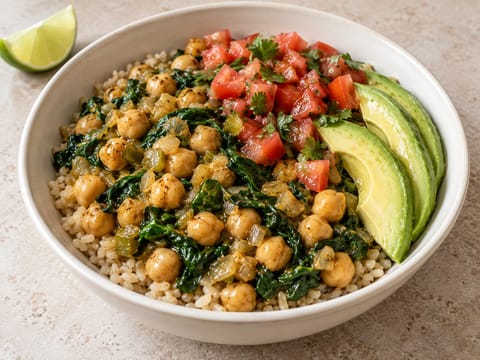
Chickpea and spinach bowl with brown rice and salsa

Lime-cured fish bowl with rice, avocado and cucumber
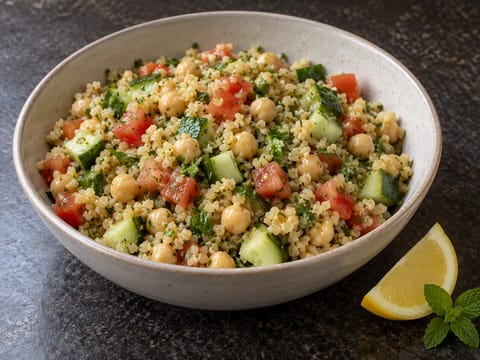
Bulgur bowl with chickpeas, tomato, cucumber and herbs
Bitterness often comes from pressing too hard on the peel or twisting aggressively, which can release more bitter compounds from the pith. Stop once the fruit feels spent rather than forcing the last drops. If you are getting very little juice, the fruit may be cold or underripe. Rolling it firmly on the worktop before cutting can help, and room-temperature fruit generally yields more. Finally, watch for pips: even with a juicer, a quick glance into the bowl saves you from biting into one later.
Cooking method is a useful companion here because citrus behaves differently depending on when it is added: raw for brightness, cooked for a softer, sometimes slightly bitter edge. Difficulty can also help you choose between recipes that simply need a squeeze and those that rely on careful balancing of acidity, sweetness and fat.

Baked chicken enchiladas with tomatillo salsa verde and queso fresco

Coconut prawn curry served over jasmine rice with crisp vegetables

Mujaddara with lentils, rice and caramelised onions

Iced black tea infused with lemongrass and sweetened

Sticky five-spice chicken traybake with soy, honey and peppers

Semolina sponge cake soaked with lemon sugar syrup

Light chicken and rice noodle soup with ginger

Oven-baked jerk chicken served with coconut rice and kidney beans
You can squeeze by hand for small amounts, especially if you do not mind a little pulp. A juicer becomes more useful when you need a measured quantity, want to keep pips out, or are juicing several fruits.
Zest first. A whole fruit is firmer and easier to zest without slipping; once cut and juiced, the peel is harder to handle cleanly.
It is often from pressing the peel too hard or including too much pith. Gentler pressure and stopping once the fruit is empty usually keeps the flavour cleaner.
A reamer relies on twisting the fruit against a ridged cone; a press uses leverage to squeeze the fruit halves. Presses are fast and tidy, while reamers are simple and work with many sizes.
Only if the orange is small enough to fit comfortably. If it is cramped, you tend to crush the peel and pith, which can add bitterness and make a mess.
Often, yes. Fresh juice can taste brighter and more aromatic, while bottled may be more uniform and sometimes slightly cooked-tasting. In recipes where citrus is the main flavour, fresh juice is usually more noticeable.
If citrus is there for a final lift, any simple juicing method will do. When the juice forms the backbone of a dressing, drink or dessert, a dedicated juicer helps you work quickly and keep the flavour clean and consistent.
