
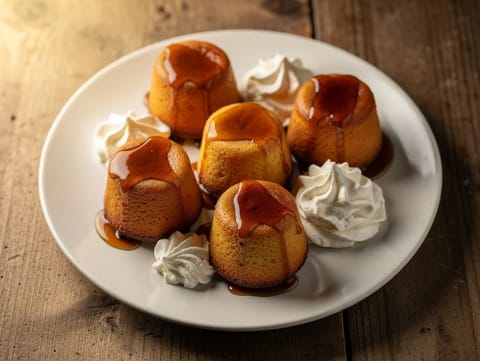
Baba au Rhum (French Rum-Soaked Sponge Cakes)
Rum-soaked yeasted sponge cakes served with whipped cream

A cooling rack is simply a raised grid, but it solves a specific problem: steam. When hot food sits on a flat tray or plate, moisture condenses underneath and softens the surface. A rack lets air circulate so biscuits stay crisper, cakes cool more evenly, and roasted foods drain and dry rather than stewing in their own juices. Recipes that call for a cooling rack are usually aiming for a particular texture or a clean finish, such as icing that sets without pooling.
In baking, a rack helps cakes and loaves cool without sweating, which can make crusts leathery and bottoms damp. It is also useful for cookies and pastries where residual heat continues to cook the base if left on a hot tray. Beyond cooling, racks are practical for glazing and icing: excess drips fall away, leaving a thinner, more even coating. In savoury cooking, an oven-safe rack set over a tray can lift food so hot air circulates all around, which can help with browning and with rendering fat from items like chicken wings or bacon.
Rum-soaked yeasted sponge cakes served with whipped cream
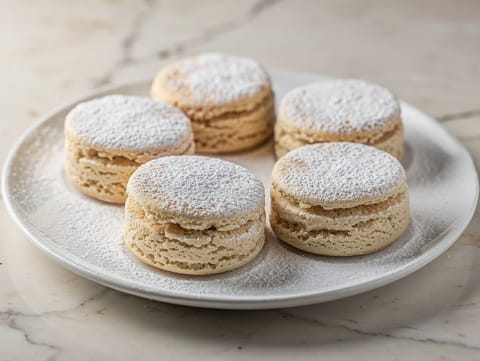
Crumbly Spanish lard biscuits with cinnamon, lemon and icing sugar
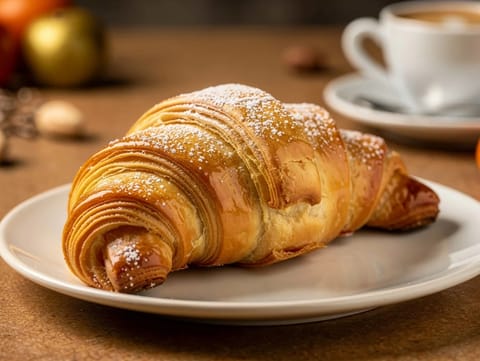
Italian butter cornetti baked golden and finished with icing sugar
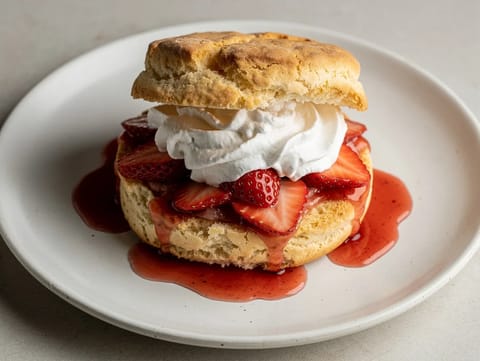
Tender shortcakes with macerated strawberries and whipped cream
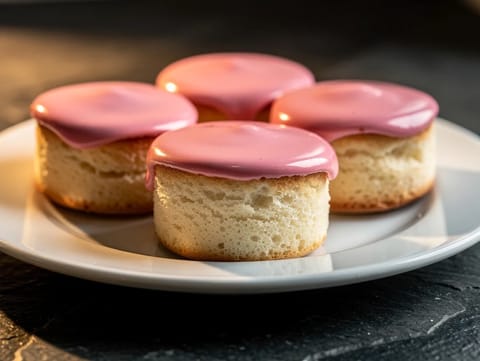
Soft Dutch sponge cakes topped with smooth pink icing
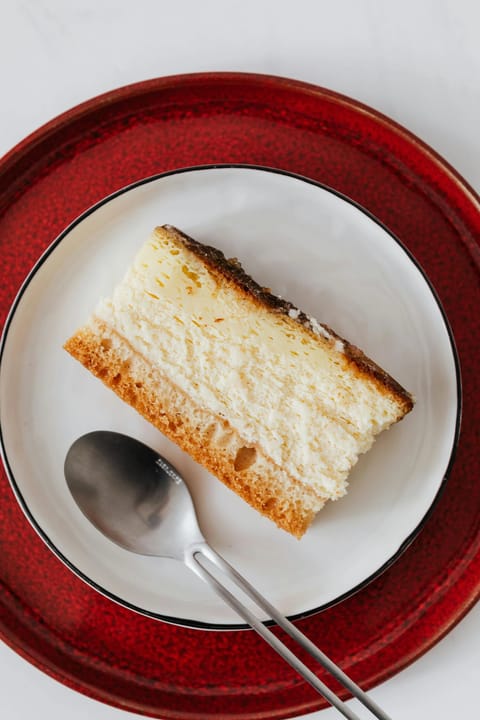
German honey almond cake filled with vanilla custard cream
The most common issue is using a rack with a wide grid for small bakes. Soft cookies can sag into the gaps, and delicate items can break when you lift them. Another is putting food on the rack too soon. Some cakes need a short rest in the tin so the structure sets before you turn them out. Finally, not all racks are oven-safe. If a recipe uses a rack for roasting, choose one that is sturdy, fits your tray, and will not warp at high heat, otherwise food can tilt and cook unevenly.
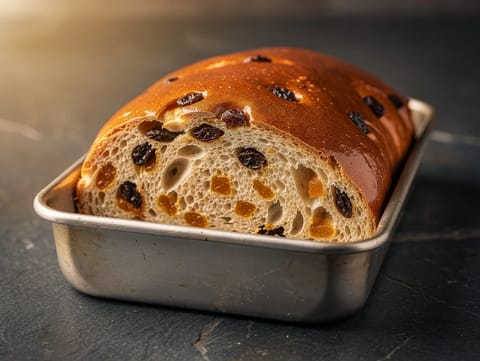
Norwegian Christmas bread with raisins, peel and cardamom
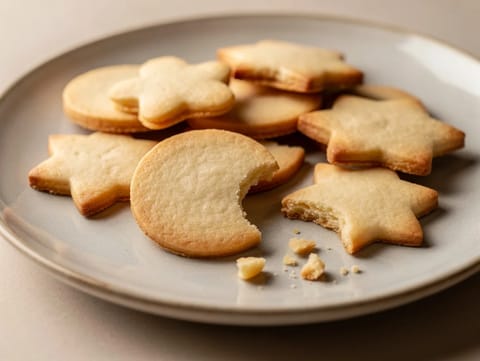
Crisp Nordic biscuits with vanilla and cardamom
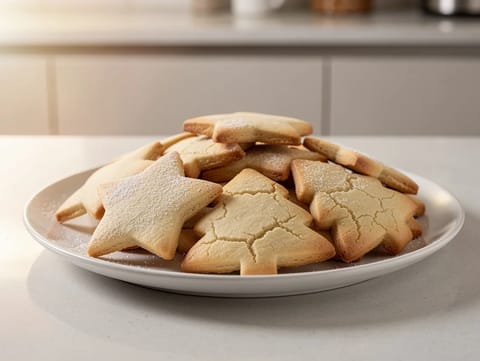
Buttery vanilla sugar cookies cut into festive shapes
Chewy New York-style cookies made with brown sugar dough and dark chocolate chips
Buttery Dutch appeltaart filled with cinnamon apples and a touch of lemon
Brioche-style maritozzi proved until fluffy, then filled with sweetened cream
Rum-soaked sponge layered with vanilla pastry cream and topped with whipped cream
Vanilla sponge Osterlamm Kuchen dusted with icing sugar after baking
Chilled gluten-free tres leches cake with almond sponge, soaked in three milks and topped with cream
Kersenvlaai is a Dutch yeasted tart filled with sweet cherries and baked until golden
Cinnamon walnut cake soaked with warm orange syrup and a touch of brandy
A Dutch yeasted tart topped with apricots, baked until set and lightly browned
For everyday baking, a flat, tightly spaced grid is the most versatile. It supports small biscuits and allows good airflow without leaving deep marks. If you often glaze or ice, look for a rack that sits securely over a tray or sheet so drips are easy to catch and clean up. For roasting, sturdiness matters more than fine spacing: a heavier rack that does not wobble makes turning food safer and keeps items level so fat drains predictably. If you do not have a rack, you can sometimes cool on a clean, cool tray, but expect softer undersides where steam is trapped.
Cooking method is a helpful next step because racks are often used to manage airflow, browning and drainage, whether you are cooling bakes or roasting for crispness. Difficulty can also guide you towards recipes that need careful handling, such as turning delicate pastries or glazing without breaking a set surface.
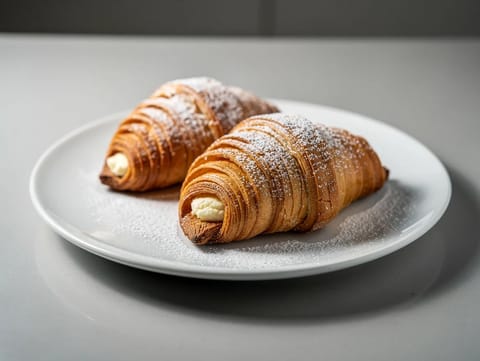
Crisp sfogliatelle ricce with ricotta and semolina filling
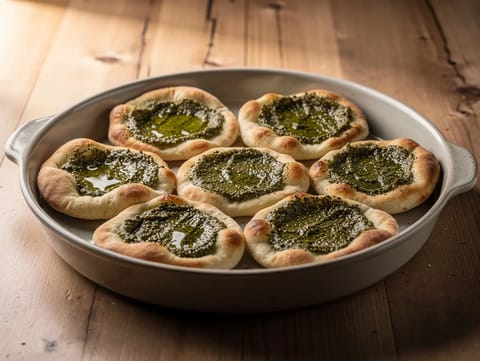
Soft flatbreads topped with zaatar and olive oil
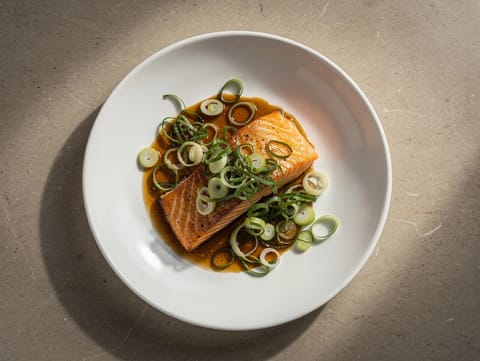
Pan-seared salmon with an orange, soy and honey glaze

Sweet and sour Vietnamese fish soup with tamarind and pineapple
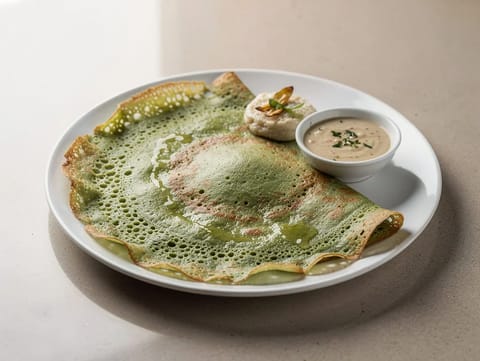
Crisp green gram dosa served with ginger chutney
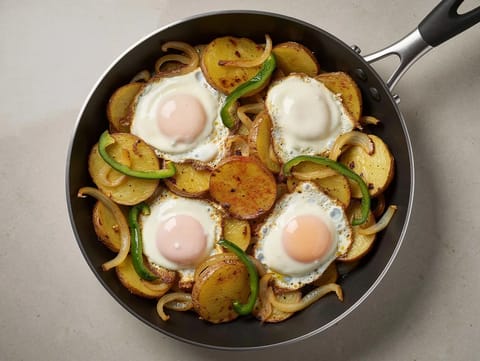
Spanish potatoes cooked in olive oil with vegetables and egg

Roast piri-piri salmon with chilli, garlic and lemon
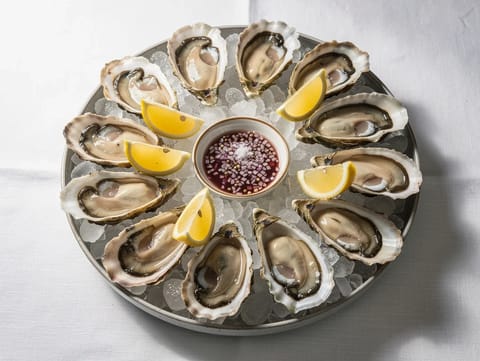
Oysters on ice with lemon and shallot mignonette
Not always, but it helps when texture matters. If you want crisp bottoms on biscuits or an even crust on bread, airflow underneath makes a noticeable difference.
They likely trapped steam underneath on the hot tray or a flat surface. Moving them to a rack once they are firm enough to lift helps them dry and cool properly.
Only if it is designed to be oven-safe. Some racks are made for cooling only and can warp or shed coatings at high heat.
Crosswire grids tend to support smaller items better and reduce sagging. The key is tight spacing and a rack that sits flat and stable.
Set the rack over a tray or baking sheet, then glaze while the item is on the rack so excess can drip away. Let it set undisturbed to avoid smudges.
For cooling, a clean, cool baking tray or a wooden board can work, but the underside will stay softer. For glazing, you can improvise with a makeshift grid, but stability and easy clean-up are the main challenges.
When a recipe mentions a cooling rack, it is usually asking you to control steam and surface texture. Choose a rack that supports the food you make most often, and you will get more consistent cooling, cleaner finishes and crisper results where they matter.
