
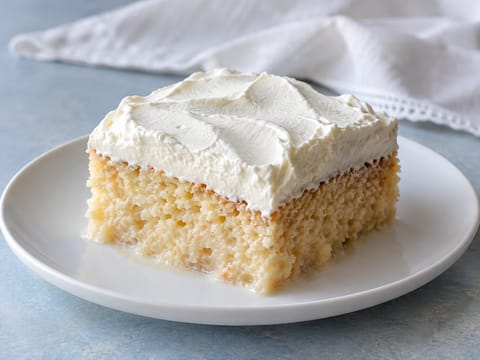
Gluten-Free Pastel de Tres Leches with Almond Sponge
Gluten-free almond sponge cake soaked with three milks

A hand mixer is at its best when you need quick aeration and even mixing without hauling out a stand mixer. It handles cake batters, butter and sugar creaming, whipped cream and egg whites, and many frostings with a light touch and good control. Where it can struggle is with very stiff doughs, heavy mixtures and long mixing sessions that heat the motor. Use this page to judge when a hand mixer is enough, when a whisk or spoon will do, and when a stand mixer or food processor is the more practical choice.
Hand-mixer recipes typically rely on beaters to incorporate air, smooth out lumps and combine fat and sugar efficiently. The tool’s advantage is that you can move it around the bowl, changing angle and depth to catch pockets of dry ingredients or butter. It is different from a blender, which pulls ingredients into a vortex, and from a food processor, which chops as it mixes. A hand mixer also behaves differently from a stand mixer: you supply the movement and can stop the moment the texture looks right, which is useful for batters that can toughen if overmixed. Many recipes will specify speeds, but the more reliable cue is the mixture’s look and feel: glossy peaks, a ribboning batter, or a frosting that holds shape.
Gluten-free almond sponge cake soaked with three milks
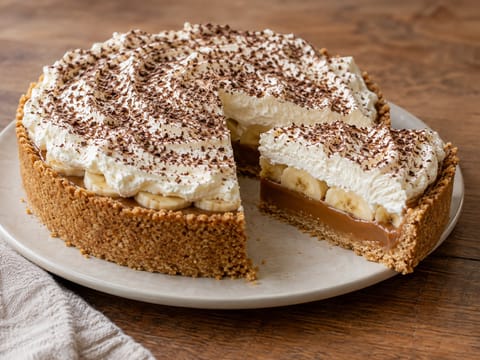
Chilled banoffee pie with bananas, dulce de leche and cream
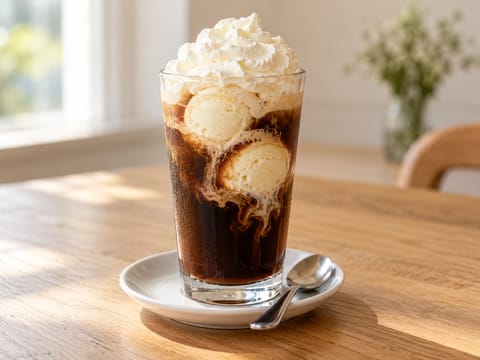
Chilled coffee poured over vanilla ice cream and cream
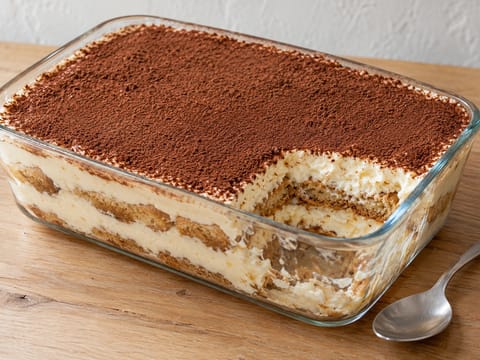
Light banana tiramisù with espresso-dipped savoiardi and cocoa
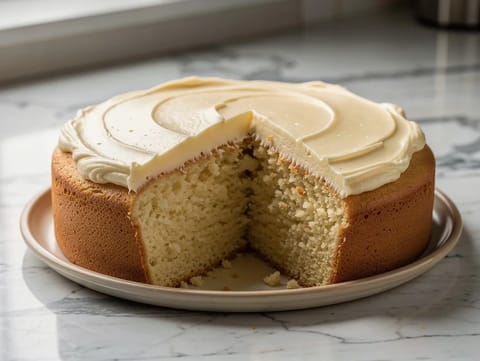
Air fryer vanilla sponge cake with simple vanilla buttercream.
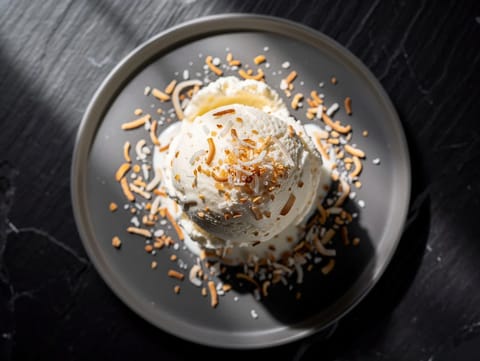
No-churn coconut ice cream made with double cream and coconut milk
Standard beaters are the everyday choice for creaming, batters and whipping. If a recipe includes dough hooks, it is usually aiming at softer doughs or enriched breads rather than dense, kneaded loaves. A deep bowl helps reduce splatter, and a stable base matters because you are holding the mixer with one hand while adding ingredients with the other. Start on a low speed when flour or icing sugar is involved, then increase once the dry ingredients are moistened. If you are whipping cream or egg whites, a clean bowl and beaters make a noticeable difference to volume. For very small quantities, a balloon whisk can be faster and gives you more feedback.
Air fryer vanilla sponge cake with simple vanilla buttercream.
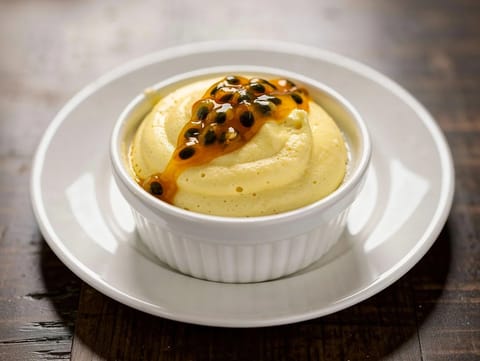
Chilled passion fruit mousse made with condensed milk and cream
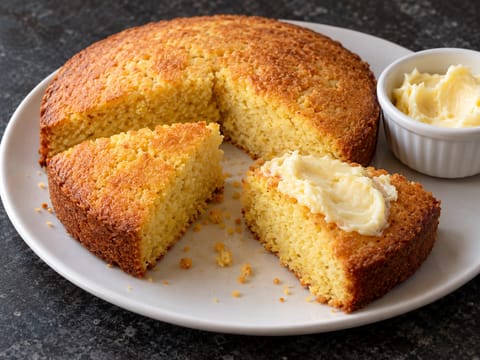
Golden cornbread served warm with whipped honey butter
No-churn coconut ice cream made with double cream and coconut milk
Light banana tiramisù with espresso-dipped savoiardi and cocoa
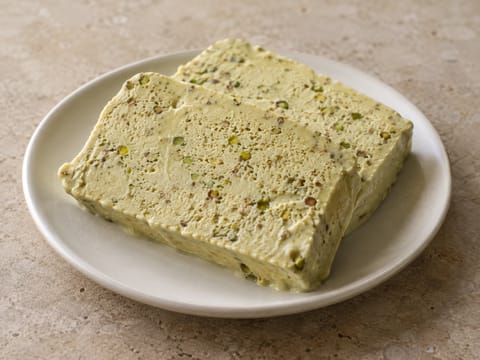
Italian pistachio semifreddo with a soft, sliceable texture
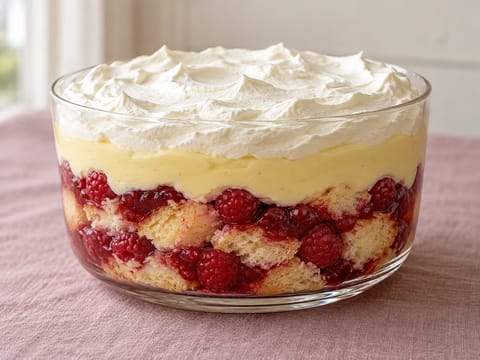
English trifle with sherry sponge, custard and raspberries
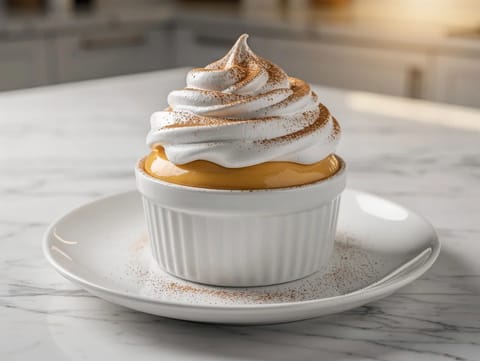
Peruvian caramel dessert topped with port syrup meringue
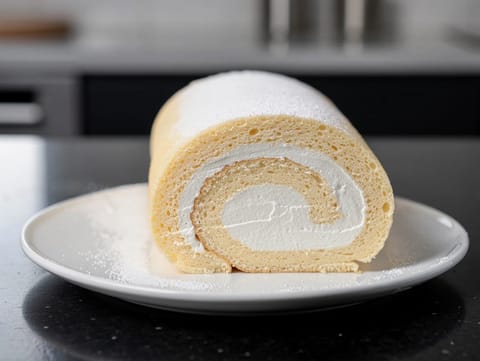
Spanish Swiss roll filled with sweetened whipped cream
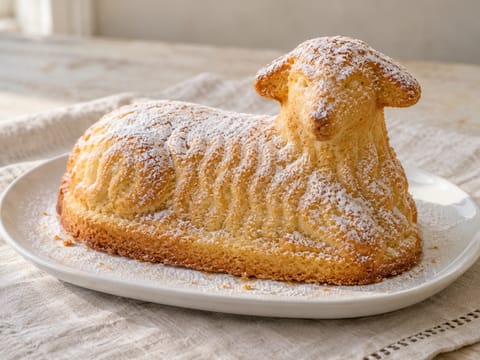
German Easter sponge cake baked in a lamb-shaped tin
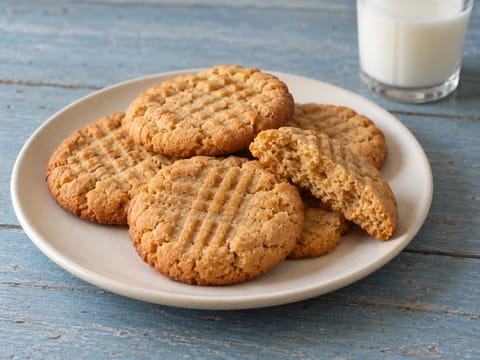
Soft-centred peanut butter cookies with crisp edges and fork-pressed tops
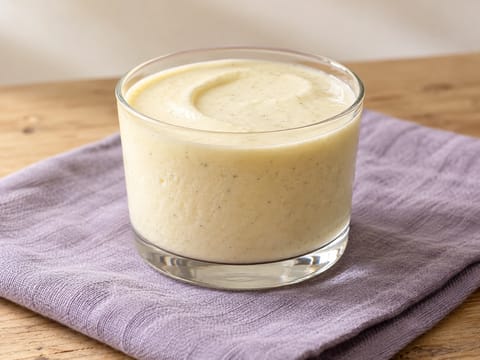
Vanilla Bavarian cream set with gelatine and double cream
If the recipe’s success depends on air, a hand mixer is a natural fit. Whipped cream, meringue-style mixtures and light sponge batters benefit from quick, consistent beating. For creamed mixtures, look for recipes that start with butter and sugar, then add eggs gradually: the mixer helps emulsify and prevents a greasy, curdled look. For simple traybakes, muffins and pancakes, the goal is often just to combine without developing too much gluten, so a spoon or whisk may be preferable. For very thick mixtures, such as stiff cookie doughs or dense mashed ingredients, a stand mixer, sturdy spoon or even a potato masher can be more comfortable than pushing a hand mixer to its limit.
Browse by Difficulty to separate quick, forgiving bakes from recipes that depend on precise whipping or careful mixing. Cooking method can also help, especially where beating is part of a larger technique such as folding, creaming or making a stable foam.
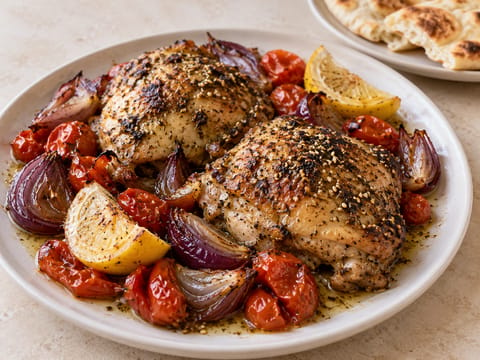
Traybaked zaatar chicken with lemon, onion and cherry tomatoes
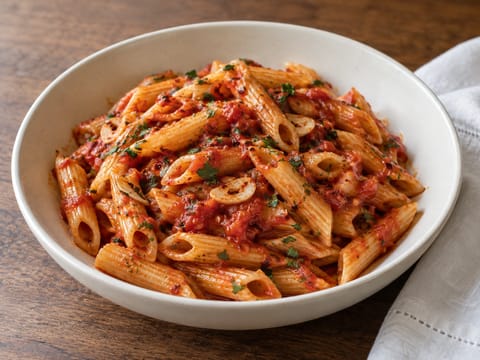
Penne tossed with spicy tomato, garlic and chilli sauce
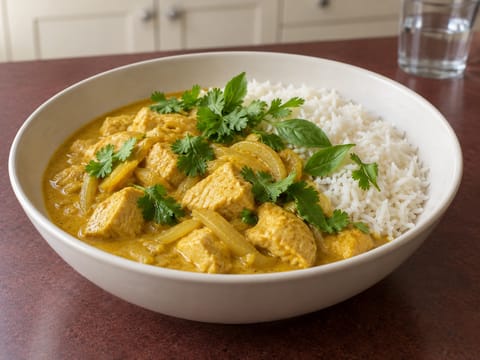
Coconut chicken curry bowl with jasmine rice and lime
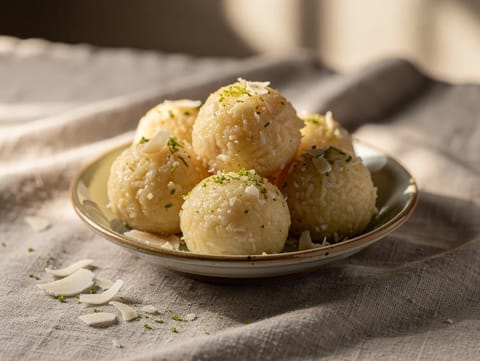
Chewy coconut sweets with vanilla and lime zest
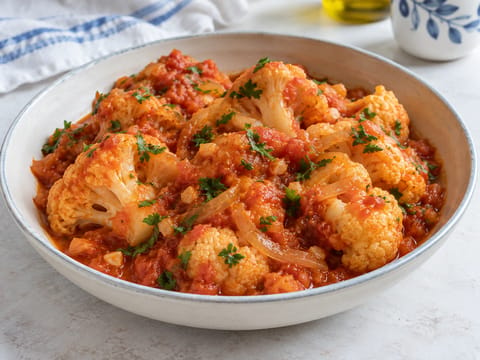
Greek braised cauliflower in tomato and cinnamon sauce
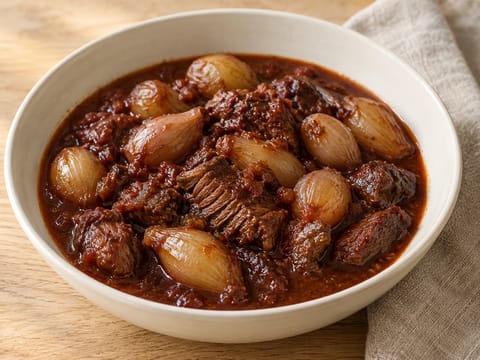
Greek beef and shallot stew in tomato and red wine sauce
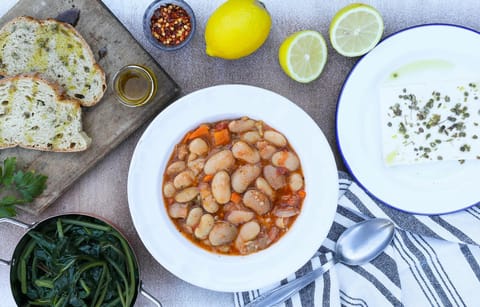
Greek white bean soup simmered with tomato, onion, carrots and celery
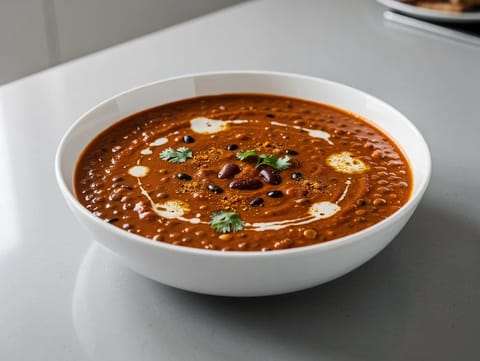
Creamy black lentils and kidney beans with butter and cream
Often, for small to medium batches of batters, whipped cream and frostings. It is less comfortable for very stiff doughs or long mixing sessions where a stand mixer’s power and hands-free mixing help.
Not usually. Many batters are best mixed briefly by hand so they stay tender. A hand mixer can overwork them if you keep going until perfectly smooth.
It commonly happens when you start too fast with dry ingredients. Begin on a low speed until flour or icing sugar is moistened, then increase gradually.
Beating with a mixer incorporates air quickly and can emulsify fats and liquids efficiently. Hand whisking gives more control and is often better when you want minimal mixing.
Cream that is too warm, or a bowl and beaters with a greasy film, can slow whipping. Many recipes work best when everything is cool and clean.
Only some softer doughs suit dough hooks, and results vary by mixer power. For doughs that need strong kneading, a stand mixer or hand-kneading is usually more reliable.
With a hand mixer, the most useful skill is stopping at the right texture. Watch for visual cues and feel, and choose recipes where aeration and even mixing matter more than brute force.