
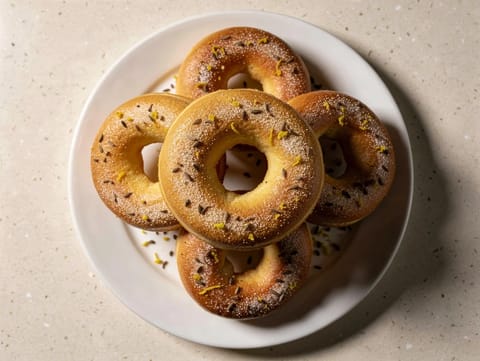
Rosquillas de Anís (Anise Ring Doughnuts)
Spanish anise ring doughnuts dusted with caster sugar

A kitchen scale is less about being “precise” and more about being consistent. When ingredients vary in density and moisture, volume measures can drift, especially with flour, grated cheese, chopped nuts and sticky sweeteners. Weighing keeps ratios steady, which is why scales show up so often in baking, bread and pastry. They can also make everyday cooking quicker: you can portion dough, divide batter evenly between tins, or measure ingredients straight into a bowl with less washing-up. The key is knowing what a scale is good at, and where it does not replace judgement.
A kitchen scale measures weight, usually in grams and sometimes ounces. In recipes, that means you can follow ingredient quantities without translating into cups or spoons, and you can repeat a result more reliably. A scale is not a thermometer and it does not tell you when something is cooked; it simply helps you start with the intended proportions. It also does not remove the need to assess texture. Doughs and batters still respond to humidity, flour type and how you mix. Think of weighing as setting the baseline so your adjustments are small and deliberate rather than guesswork from the start.
Spanish anise ring doughnuts dusted with caster sugar
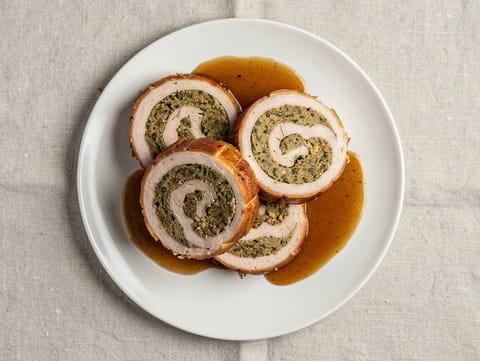
Turkey roll with herby breadcrumb stuffing and light gravy
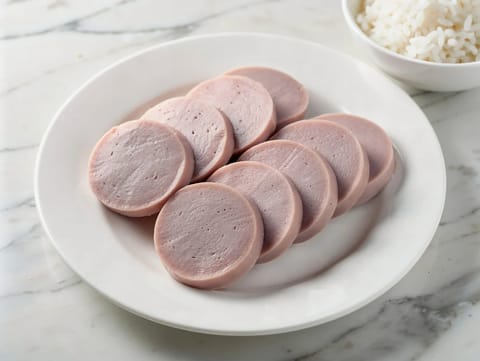
Vietnamese steamed pork sausage wrapped in banana leaves
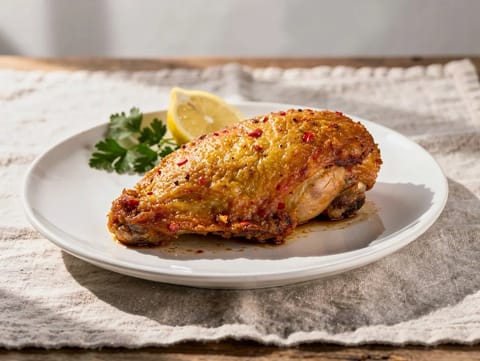
Spiced, hot-sauce chicken turns crisp and tender in the air fryer.
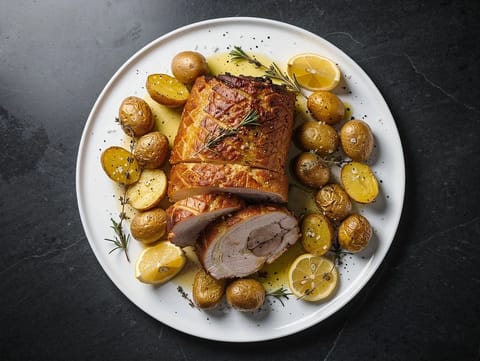
Rolled pork belly with roast potatoes and herbs
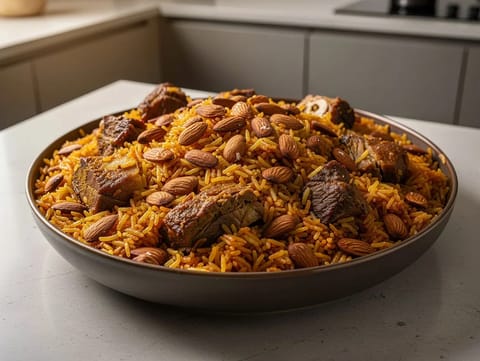
Slow-cooked lamb with spiced rice and toasted almonds
Choose scale-friendly recipes when the balance of dry to wet ingredients matters to structure. Cakes, biscuits, shortcrust and bread are the obvious examples, but it also helps with things like meringues, macarons and enriched doughs where small shifts change texture. A scale is equally useful for portioning: dividing dough for rolls, shaping burgers to a consistent size, or splitting a mixture evenly between jars or tins so everything cooks at the same rate. If a recipe is built around “to taste” seasoning, a scale is less central, though it can still speed up prep by letting you add ingredients directly to the bowl without stopping to level cups or wash extra measures.
Air-fried pork loin with potatoes and red onion, flavoured with mustard.
Snowy white steamed rice cake made from milled short-grain rice and sugar
Steamed Vietnamese pyramid dumplings with a soft rice shell and savoury pork filling
Slow-roasted lamb served over spiced basmati rice with toasted almonds
Slow-cooked black lentils and kidney beans finished with butter, tomatoes and double cream
Rice topped with seasoned sea bream, nori and spring onion, served with tea
Air fryer Greek chicken and potatoes cooked with lemon, garlic and oregano.
Lamb rogan josh simmered with whole spices in a yoghurt and tomato gravy
Classic baked calzone sealed around tomato passata with mozzarella and ricotta inside
Umbrian torcolo ring cake, baked golden and finished with a light glaze
Porchetta-style pork belly with lemon and herbs, roasted until tender and crisp
Ground cashews cooked with sugar syrup, rolled thin and cut into diamonds
The classic error is forgetting to tare (zero) the scale between additions, which quietly doubles counts and is hard to spot once everything is mixed. Another is weighing into a heavy bowl that exceeds the scale’s capacity, causing it to reset or give unstable readings. If your scale has a “hold” or auto-off function, be aware it may switch off mid-prep; keep ingredients ready so you are not rushing. Finally, do not assume a scale makes a recipe foolproof. If a dough looks unusually dry or slack, it may be responding to flour absorbency or kitchen humidity. Use the weight as your anchor, then adjust with a light hand.
Difficulty can be a helpful companion to weighing: some bakes are forgiving even if your measurements are slightly off, while others rely on tight ratios. Cooking method is also useful, because techniques like bread-making, pastry work and confectionery often benefit most from a scale’s consistency.
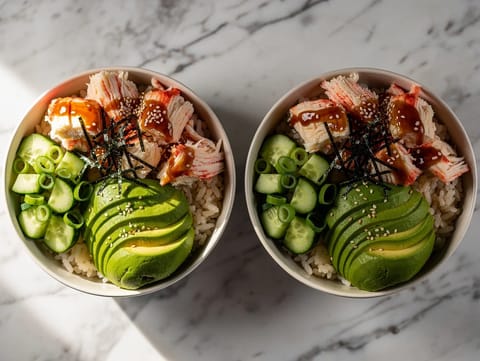
Crab poke bowl with sushi rice, avocado and cucumber.
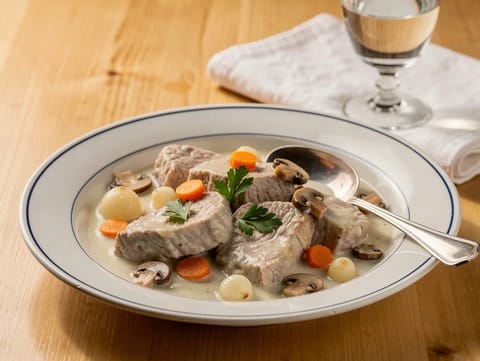
Creamy veal stew with mushrooms, carrots and a velvety sauce
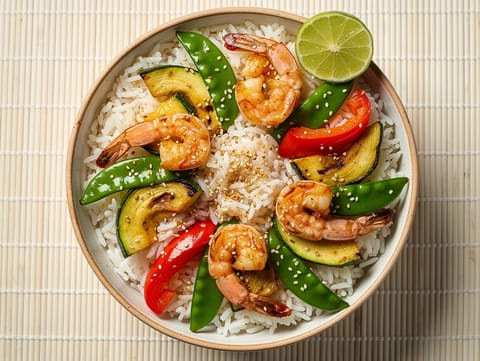
Air-fried prawns and vegetables served with jasmine rice.
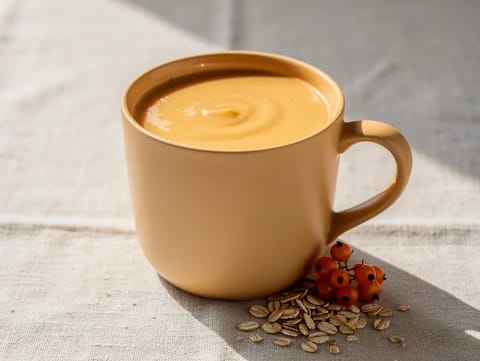
Cloudberries, oats and skyr blended into a thick breakfast smoothie.
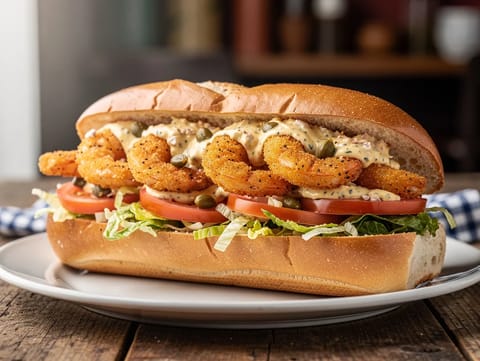
Fried cornmeal prawns in a baguette with tangy remoulade

Prawns in garlicky tomato sauce topped with feta
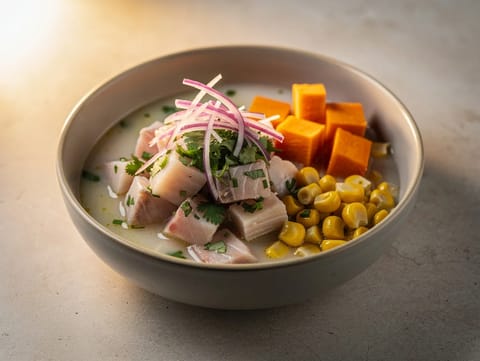
Nikkei sea bass ceviche with leche de tigre

Crispy air-fryer chicken in a bun with lettuce.
Not strictly, but it can still simplify cooking. It is handy for portioning, for consistent results when making mixtures like meatballs or dumplings, and for measuring ingredients straight into a bowl.
Grams measure weight; millilitres measure volume. For water they are close enough to treat as similar in many home recipes, but for oils, syrups and flours they are not interchangeable without a proper conversion.
Only sometimes. Ingredients pack differently depending on how you scoop and the ingredient’s texture. If a recipe provides weights, use them; if it only provides cups, follow the recipe’s method for measuring as closely as you can.
Often, yes. You can tare the scale as you add each ingredient, which reduces washing-up. For ingredients that need separate mixing or careful timing, separate bowls still make sense.
Lightweight digital scales can be sensitive to vibration, uneven surfaces and airflow. Place it on a firm counter, avoid leaning on the worktop, and let the reading settle before you tare.
If a recipe depends on structure, weigh. If it depends on tasting and adjusting, weigh when it saves time, then rely on your senses for the final balance.
