
Dal Makhani (Slow-Cooked Black Lentils)
Why this recipe works
- Slow simmering builds body: Cooking the lentils and beans gently gives them time to soften fully and release starch, creating the dal’s naturally thick texture.
- A rich masala base: Onion, ginger, garlic, cumin, Kashmiri chilli and cooked-down tomatoes bring depth before the butter, cream and garam masala are added.
- Creamy without blending: Lightly mashing some of the lentils into the pot thickens the dal while keeping the beans and whole lentils distinct.
Get the most out of this recipe
Timing notes
- Soak the pulses first: The black gram and kidney beans need a long soak so they cook evenly and soften properly during the simmer.
- Mostly hands-off cooking: Active preparation is short, but the dal needs a long, gentle simmer to develop its characteristic creamy body.
- Let it settle before serving: A short rest after cooking allows the dal to thicken slightly and the butter and cream to settle into the sauce.
Ingredient notes
- Use whole black gram: Whole black gram lentils give dal makhani its recognisable dark colour, earthy flavour and creamy texture; split lentils will not behave in the same way.
- Kashmiri chilli is gentle: Kashmiri chilli adds colour and mild warmth rather than sharp heat, keeping the dal rounded and balanced.
- Cook the tomatoes down well: Letting the tomatoes become jammy before adding them to the lentils gives the finished dal a deeper, less raw-tasting flavour.
Texture tips
- Mash lightly for creaminess: Press some of the softened lentils against the side of the pot during the final simmer to thicken the dal naturally.
- Loosen if needed: If the dal becomes too thick, add a little hot water and simmer briefly until it looks smooth and cohesive again.
- Do not boil after adding cream: Keep the heat low once the cream goes in so the dal stays glossy rather than separating.
Make-ahead tips
- Good the next day: Dal makhani reheats well, and the flavours often become more rounded after a night in the fridge.
- Reheat gently: Warm in a saucepan over a low heat, adding a splash of water to loosen the texture and stirring until piping hot.
- Freeze in portions: Cool completely before freezing, then defrost overnight in the fridge and reheat gently to preserve the creamy consistency.
Equipment you'll need
Ingredients
Instructions
- Rinse the black gram lentils and red kidney beans well, then cover with plenty of cold water and soak for 8 hours or overnight. Drain and rinse again.
- Put the soaked lentils and beans in a large pot and cover with fresh water by about 5 cm. Bring to the boil, then reduce to a gentle simmer and cook for 75 to 90 minutes, stirring now and then, until the lentils are very soft and the beans are tender.
- Meanwhile, finely chop the onion, grate the ginger, and finely chop the garlic. Roughly chop the tomatoes.
- In a saucepan, warm the ghee over a medium heat. Add the onion and cook for 8 to 10 minutes until soft and lightly golden.
- Stir in the ginger and garlic and cook for 1 minute until fragrant. Add the ground cumin and ground Kashmiri chili and cook for 30 seconds, stirring constantly.
- Add the tomatoes and cook for 8 to 10 minutes until broken down and jammy, with the fat starting to separate at the edges. If it catches, add a splash of water and keep stirring.
- Scrape the tomato mixture into the pot with the lentils and beans. Simmer gently for 15 minutes, stirring and lightly mashing some of the lentils against the side of the pot to make it creamy.
- Stir in the butter and garam masala until the butter melts. Lower the heat, add the double cream, and cook for 3 to 5 minutes until glossy and creamy, without letting it boil.
- Taste and adjust the seasoning if needed, then rest for 5 minutes so the dal thickens slightly. Serve hot.
Recipe notes
Tips
- For the creamiest texture, keep the simmer very gentle and stir regularly in the final 15 minutes so the lentils break down without catching.
- If the dal becomes too thick, loosen with a little hot water and simmer for 2 minutes to bring it back together.
- Dairy is not recommended for some vulnerable groups if you are using unpasteurised products; use pasteurised butter and double cream.
Substitutions
- Replace ghee with butter for a slightly richer, more dairy-forward finish.
- Replace double cream with a smaller amount of butter stirred in at the end for a thicker, more buttery dal.
Storage
- Refrigerate up to 3 days
- Cool completely, then refrigerate in a sealed container for up to 3 days. Reheat gently in a saucepan over a low heat, adding a splash of water to loosen, and cook until piping hot; freeze for up to 2 months and defrost overnight in the fridge before reheating.
Ratings & reviews
Liked this recipe? Share your feedback to support our cooking community.
Tried this recipe?
Choose 1–5 stars. A comment is optional.
Stay inspired
Discover new recipes, seasonal favourites and cooking inspiration every day. Follow JustRecipes on Pinterest and Spillt.
Recipe overview
- Servings: 4 servings
- Total time: 2h 15min (20min active)
- Difficulty: Easy
- Cuisine: Indian
-
Allergens:
Milk
Plan your meals and get a complete grocery list automatically.
Add to meal plannerEquipment you'll need
Got ingredients left?
Find recipes using ingredients from this recipe or what you already have at home.
Find recipes with these ingredients →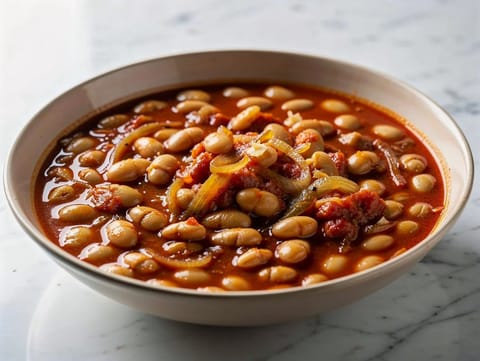
Loubia (Moroccan White Bean Stew)
Moroccan white bean stew in a tomato sauce with cumin
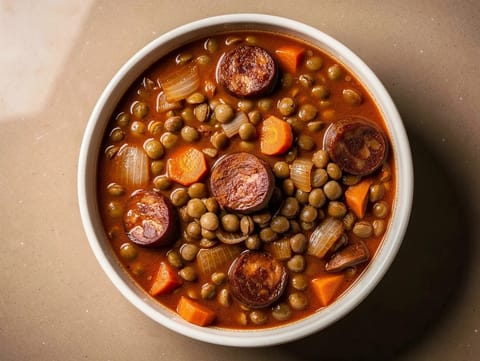
Lentejas con Chorizo (Spanish Lentil and Chorizo Stew)
Spanish lentil stew simmered with chorizo, tomato and smoked paprika
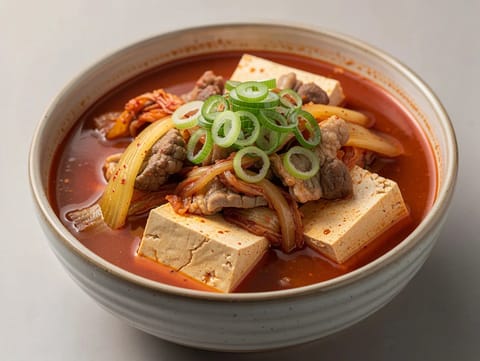
Kimchi Jjigae (Korean Kimchi and Pork Belly Stew with Tofu)
Korean kimchi and pork belly stew finished with soft tofu
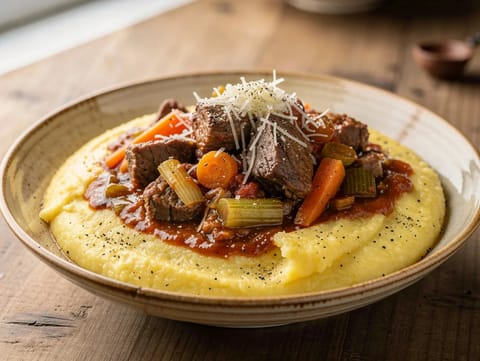
Polenta e Spezzatino (Polenta with Beef Stew)
Creamy polenta topped with slow-simmered beef spezzatino
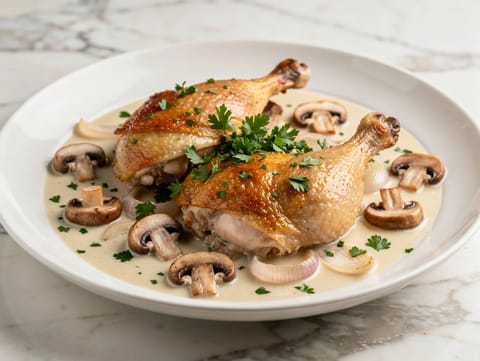
Coq au Vin Blanc (Chicken Braised in White Wine)
Chicken braised in white wine with mushrooms and herbs
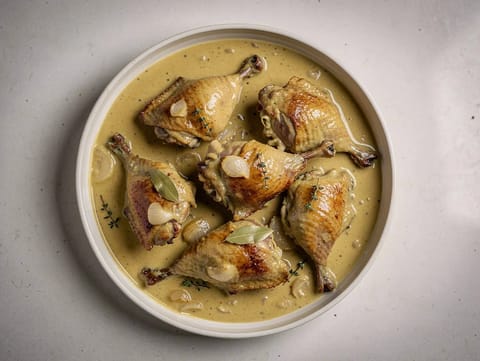
Lapin à la Moutarde (Rabbit in Dijon Mustard Sauce)
French rabbit stew with Dijon mustard and double cream
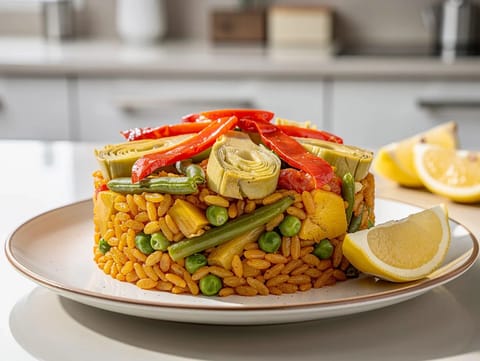
Modern Vegetable Paella (Saffron Rice with Artichokes and Peppers)
Vegetable paella with saffron rice, artichokes and roasted peppers
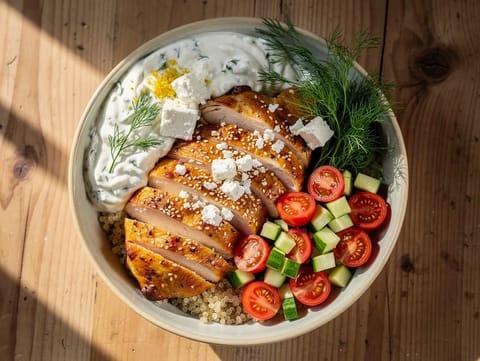
Sesame Chicken Greek Fusion Bowl
Sesame chicken bowl with quinoa, salad and yoghurt sauce
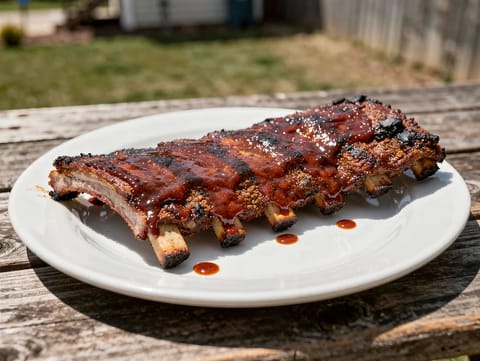
BBQ Ribs (American Barbecue)
Slow-baked pork ribs with a smoked paprika brown sugar rub

Crispy Fried Chicken with Buttermilk and Spiced Flour
Buttermilk fried chicken with a crisp spiced coating
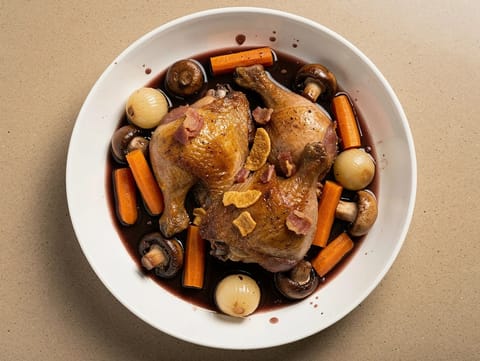
Coq au Vin (Chicken Braised in Red Wine)
Chicken braised in red wine with pancetta and mushrooms
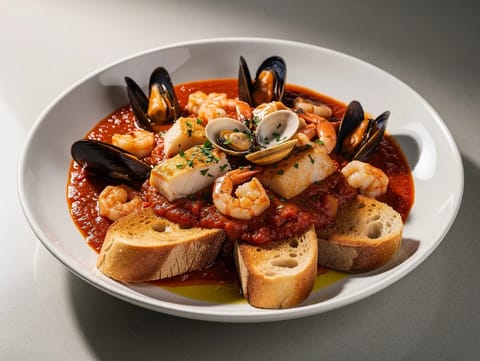
Cacciucco (Tuscan Fish Stew)
Tuscan fish stew served over toasted garlic-rubbed bread
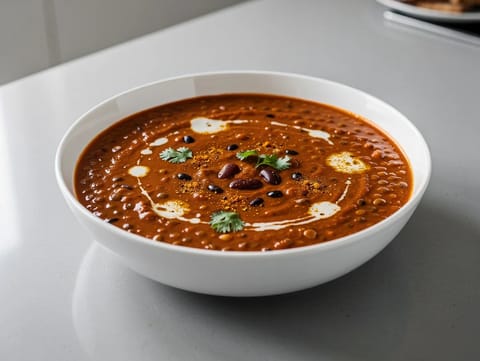
Dal Makhani (Black Lentils)
Creamy black lentils and kidney beans with butter and cream
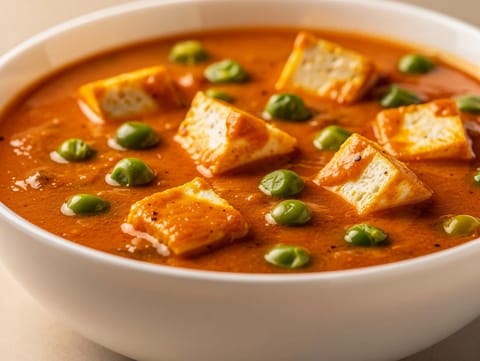
Matar Paneer (Paneer and Pea Curry)
Paneer and peas simmered in a spiced tomato-onion gravy
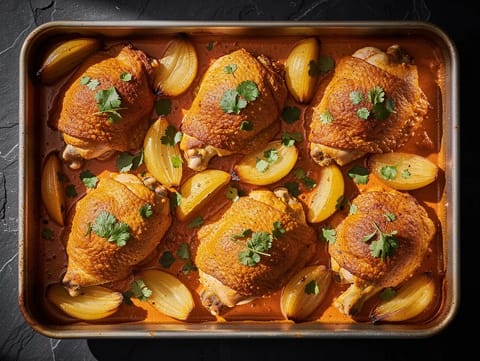
British-Style Butter Chicken Traybake
Butter chicken traybake with creamy tomato sauce
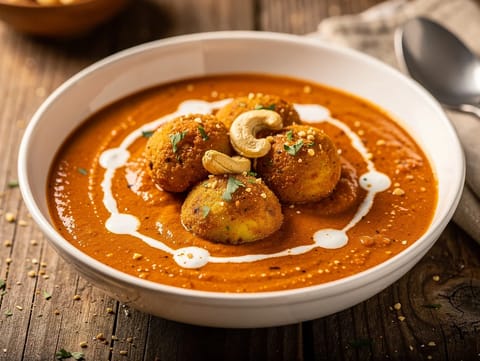
Malai Kofta in Creamy Tomato Sauce
Paneer and potato kofta in creamy tomato and cashew sauce
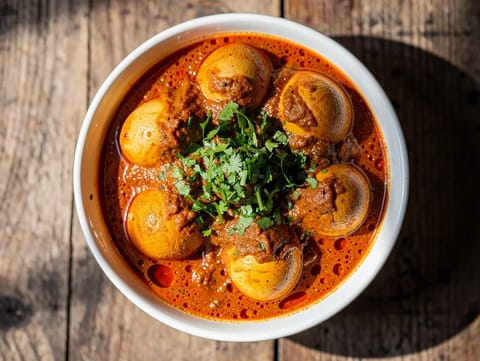
Egg Curry (Anda Masala)
Egg curry in a spiced tomato and onion gravy
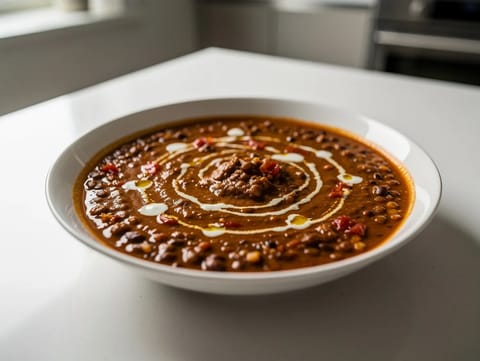
Dal Makhani (Creamy Black Lentil Curry)
Creamy black lentil curry finished with butter and double cream
You might also like
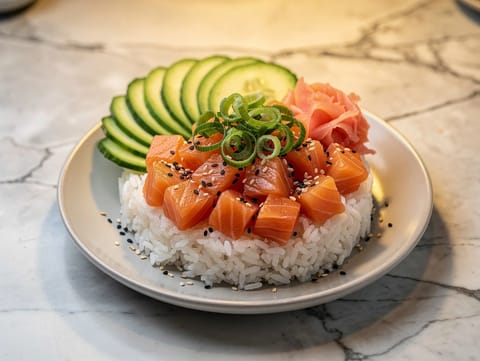
Poke Bowl with Pickled Ginger
Salmon poke bowl with sushi rice and pickled ginger.
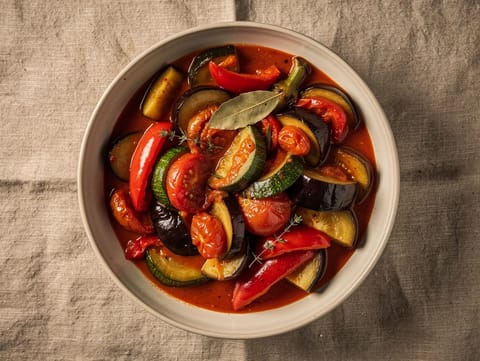
Ratatouille
French vegetable stew with aubergine, courgette, peppers and tomatoes
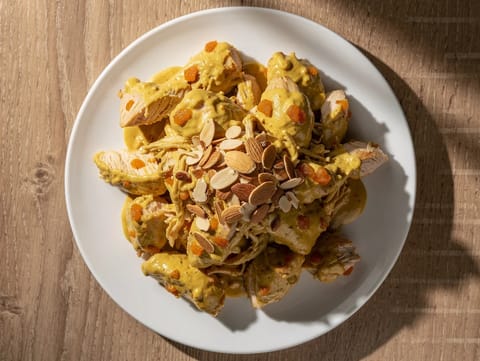
Coronation Chicken (Curried Chicken Mayonnaise)
Cold chicken in curry mayonnaise with apricots and almonds
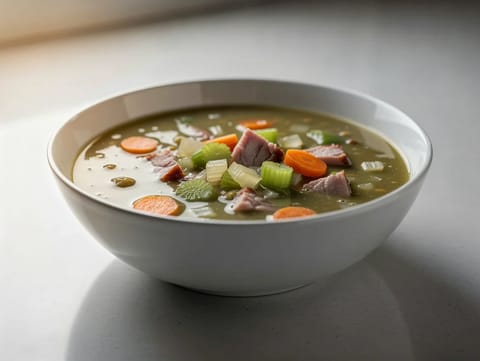
Light Pea and Ham Soup
Light split pea soup with smoked ham hock
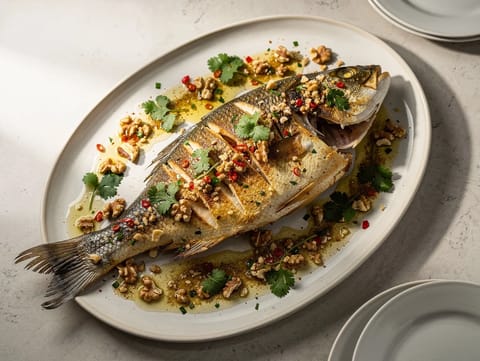
Samak Harra (Spiced Whole Roasted Fish)
Whole roasted fish with garlic chilli coriander sauce

Montaditos de Anchoa y Pimiento (Anchovy and Roasted Pepper Toasts)
Anchovy and roasted pepper montaditos on crusty bread
Make this recipe easier next time
AdvertisementThese tools help you get better results with less effort.
WMF Mini Saucepan 16 cm with Lid
- High-quality stainless steel
- Even heat distribution
- Higher price point
T-fal Specialty Nonstick Handy Pot with Glass Lid 3 Quart
- Easy food release
- Dishwasher safe
- Not induction compatible
All-Clad Tri-Ply Stainless Steel Saucepan
- Excellent heat control
- Premium build quality
- Expensive
Enjoy cooking with JustRecipes?
Add JustRecipes as one of your preferred Google sources to discover our recipes more easily across Google Search.
Add JustRecipes to GoogleEvery recipe on JustRecipes follows the same structured editorial process. Learn how recipes are created, validated, translated, illustrated, and continuously improved across the platform. How we create recipes.
