
Vegetarian Nut Roast with Onion Gravy
Baked vegetarian nut roast with mixed nuts, mushrooms, carrots and onion gravy

A loaf pan does one job brilliantly: it supports a batter or dough in a tall, narrow shape so it bakes through evenly and slices neatly. That shape changes how heat moves through the centre, so a loaf-pan recipe is rarely interchangeable with a tray bake or round cake without some adjustment. Once you know what the pan is contributing, you can choose the right size, line it sensibly, and avoid the common problems of a damp middle, over-browned edges or a loaf that refuses to release.
Compared with a shallow tin, a loaf pan gives you more depth and less surface area. That usually means the centre takes longer to set, while the top can colour early because it sits close to the oven’s heat. Recipes written for a loaf pan often rely on that slower, steadier bake to cook a thick batter without drying it out. The straight sides also encourage a uniform crumb and tidy slices, which matters for sandwich loaves, tea breads and loaf cakes. A loaf pan is not only for yeast bread: it suits quick breads, dense cakes and set mixtures where you want structure as they cool.
Baked vegetarian nut roast with mixed nuts, mushrooms, carrots and onion gravy
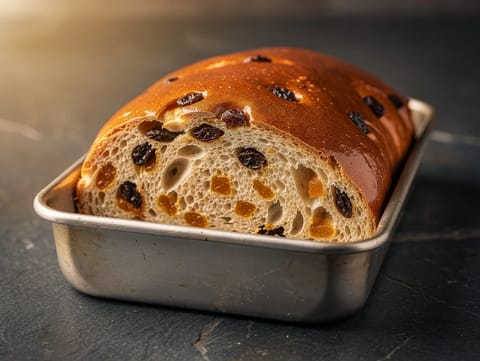
Norwegian Christmas bread with raisins, peel and cardamom
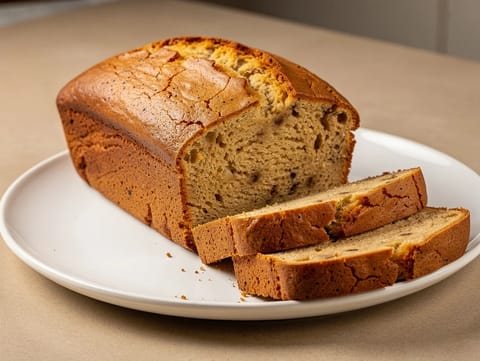
Moist banana bread loaf with vanilla
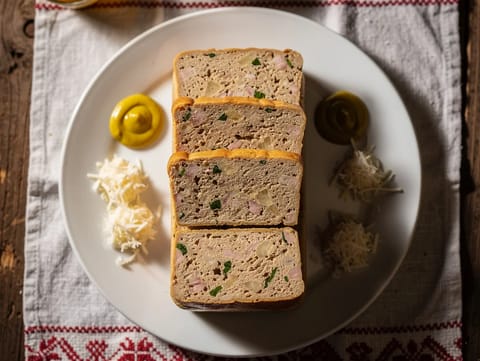
Polish baked meat pâté with pork, chicken and eggs
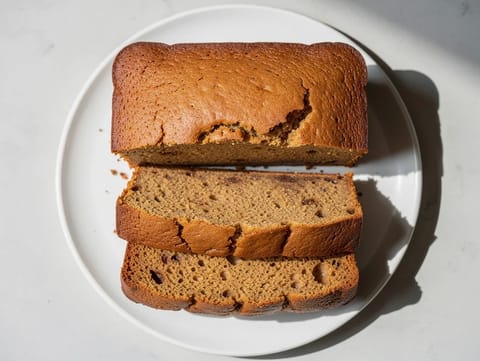
Moist air-fried banana bread with butter and cinnamon.
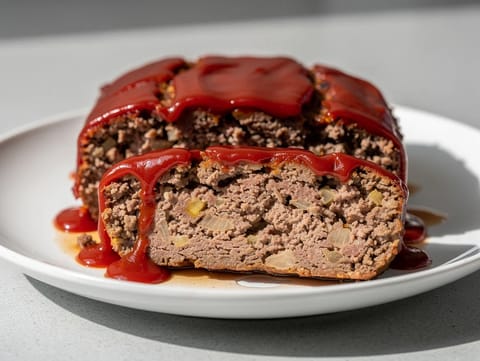
Meatloaf with minced beef, onion and ketchup glaze
Loaf pans vary most in size and material. A heavier metal pan tends to brown more assertively; lighter-coloured tins often bake a little more gently. Non-stick coatings can help release, but they do not replace proper greasing or lining when a batter is sticky or sugary. For lining, a strip of baking paper along the base and long sides gives you “handles” to lift the loaf out cleanly; a full paper sling is useful for delicate cakes. If you only have a slightly different size, expect the loaf to bake thicker or thinner, which affects timing and the risk of a cracked top or underbaked centre.
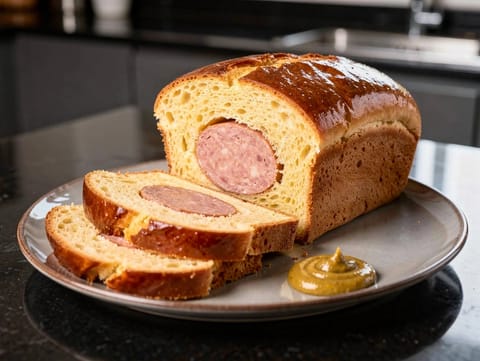
Pork sausage baked inside soft brioche
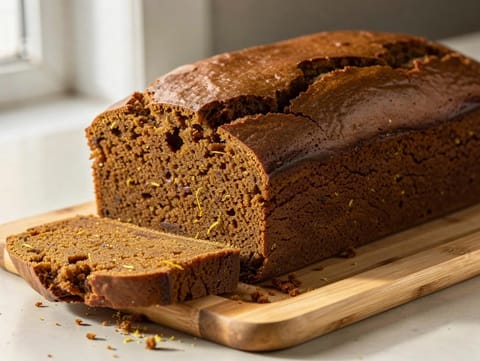
French honey and rye gingerbread loaf with warming spices
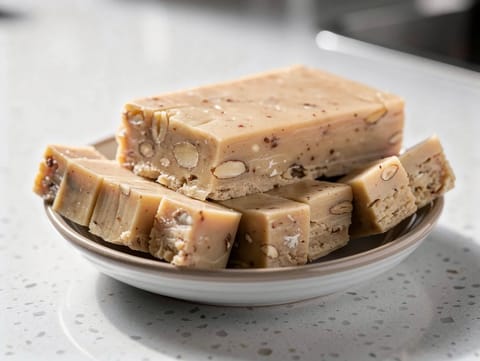
Soft Spanish almond nougat made with honey and sugar
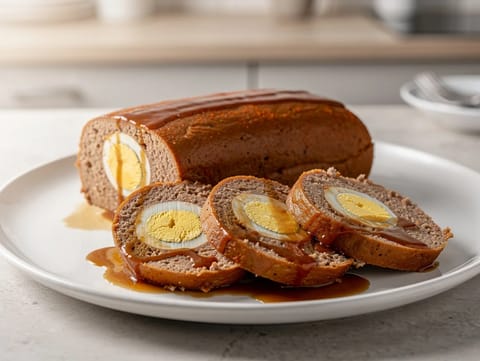
German stuffed meatloaf baked with hard-boiled eggs inside
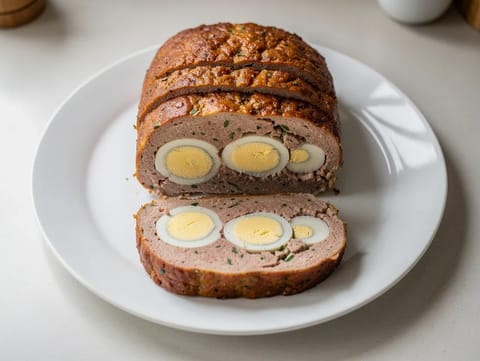
Polish roast loaf with minced pork, beef and eggs
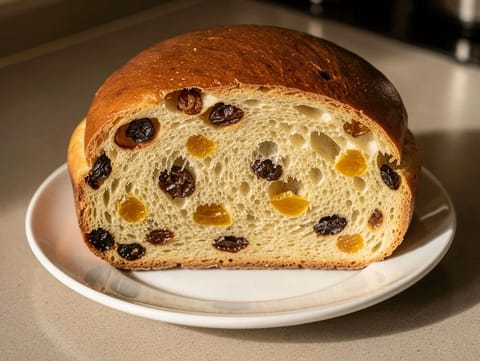
Soft Norwegian Christmas bread with raisins and mixed peel
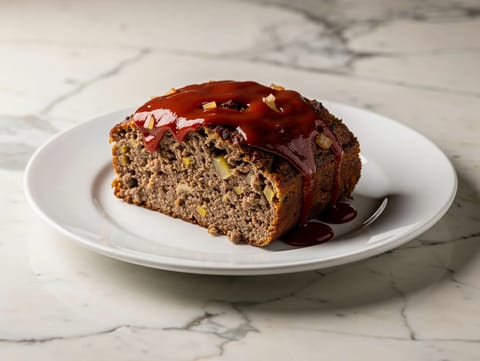
Minced beef meatloaf baked with a sticky ketchup glaze
Meatloaf with minced beef, onion and ketchup glaze
Polish baked meat pâté with pork, chicken and eggs
Norwegian Christmas bread with raisins, peel and cardamom
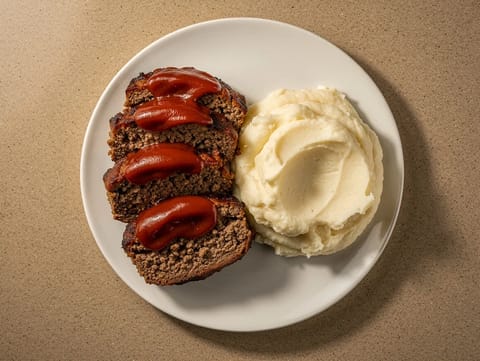
Baked beef meatloaf with ketchup glaze and mash
Slow-baked castella sponge made with eggs, sugar, honey and strong bread flour
A loaf that domes and splits dramatically is often baking too hot for its depth, or the pan is smaller than the recipe expects, forcing the batter upwards. A gummy line near the base can come from underbaking, but it can also be trapped steam if the loaf is left in the tin too long after baking. Sticking is usually a lining issue rather than a “bad” pan: pay attention to corners and the base, where sugar and butter can glue themselves on. If the edges are dark before the centre is done, a lower oven temperature or a lighter-coloured tin can help.
If you are deciding whether a loaf pan is the right tool, browsing by Cooking method can clarify whether you are baking a batter, proving a dough, or setting a chilled mixture. Difficulty is also useful here, because loaf-pan recipes range from straightforward stir-and-bake loaves to breads that need shaping, proofing and careful timing.
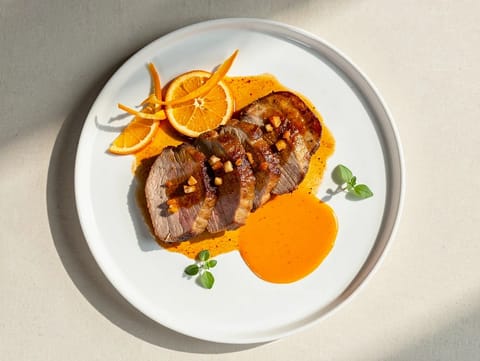
Seared pork loin simmered in a glossy orange sauce
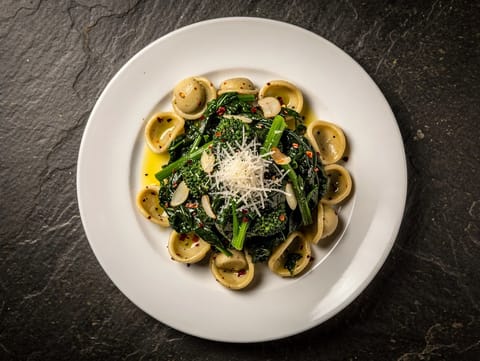
Orecchiette with broccoli rabe, garlic, chilli and pecorino
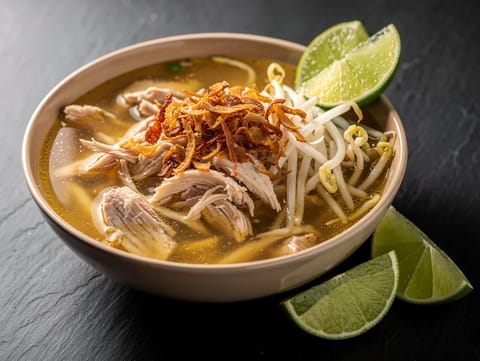
Chicken and turmeric soup with vermicelli and bean sprouts
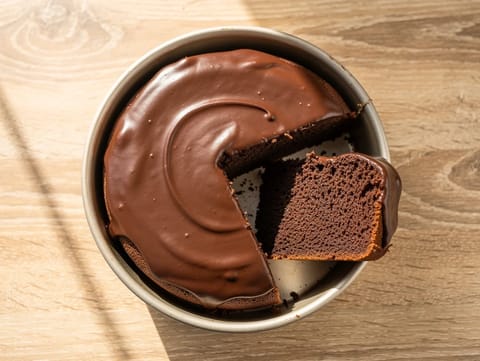
Small chocolate cake baked in the air fryer with icing.

Griddled trout topped with salsa criolla, lime and coriander
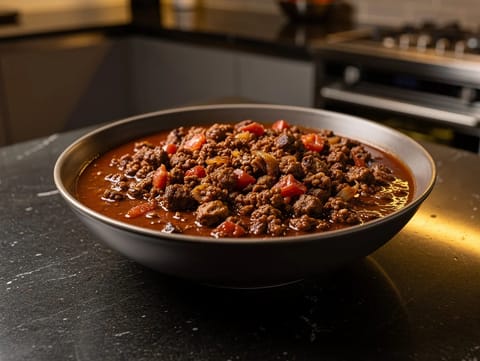
Texas-style beef chilli without beans, thick and rich
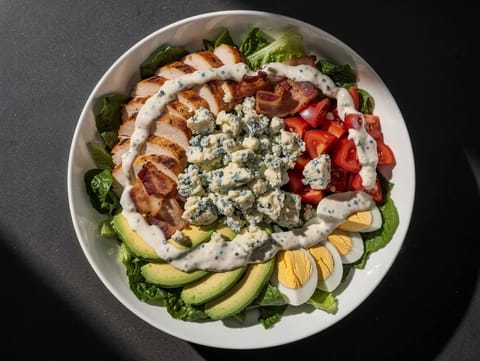
Cobb salad with chicken, bacon, avocado and blue cheese dressing
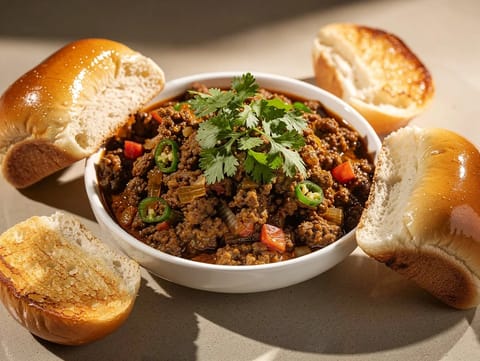
Spiced minced lamb keema served with buttered bread rolls
They are often used interchangeably. Many “bread pans” are loaf pans sized for sandwich loaves, but loaf pans are also used for cakes and quick breads.
Sometimes, but the change in depth and surface area affects how quickly the centre sets and how the top browns. Expect to adjust baking time and keep an eye on colour.
Not always. Greasing can be enough for some breads, but lining is helpful for sticky batters, sugary loaf cakes and anything you want to lift out cleanly.
A sunken centre commonly points to underbaking, too much leavening, or the loaf being disturbed before it has set. The pan’s depth makes the centre the last part to stabilise.
Even baking comes from matching the pan size to the recipe, using a steady oven temperature, and allowing enough time for the centre to cook through without over-browning the edges.
When a recipe specifies a loaf pan, treat the shape as part of the method, not just a container. Match the size as closely as you can, line for easy release, and judge doneness by the centre rather than the colour of the crust.
