
Saucisson Brioché (Sausage Baked in Brioche Dough)
Why this recipe works
- Classic enclosed bake: Wrapping the cooked sausage in brioche protects it during baking while the dough turns golden and tender around it.
- Rich but balanced: The buttery crumb and savoury sausage feel generous, while Dijon mustard adds the sharpness needed to cut through the richness.
- Good for planning ahead: The loaf can be cooled, sliced and reheated, making it practical for entertaining or serving over several meals.
Get the most out of this recipe
Timing notes
- Proof by feel, not just the clock: The dough should be puffy and spring back slowly when pressed before baking; a cool kitchen may need a little longer.
- Rest before slicing: Letting the loaf stand after baking helps the brioche set and gives cleaner, thicker slices.
Ingredient notes
- Use a cooked sausage: A pre-cooked pork sausage is important here, as the baking time is designed to cook the brioche rather than safely cook raw meat from the centre.
- Dry the sausage well: Patting the sausage dry helps the dough grip the surface and reduces slipping as the loaf proves and bakes.
- Butter matters: Because brioche is simple and enriched, good unsalted butter gives the crumb its characteristic richness and aroma.
Authenticity notes
- French charcuterie tradition: Saucisson brioché is closely associated with Lyonnaise-style cooking, where charcuterie is often served in generous, straightforward preparations.
- Serve with mustard: Dijon mustard is the classic partner, adding acidity and heat that balance the buttery dough and pork sausage.
Make-ahead tips
- Bake ahead: Bake the loaf, cool it completely, then wrap and refrigerate before slicing and reheating.
- Freeze in slices: Freezing individual slices makes reheating easier and helps preserve the shape of the loaf.
- Reheat gently: Warm slices in a 180°C (355°F) oven until piping hot throughout, covering loosely if the brioche starts to brown too much.
Equipment you'll need
Ingredients
Instructions
- Warm the milk until just lukewarm, then stir in the caster sugar and instant yeast. Leave for 5 minutes until slightly foamy. Meanwhile, lightly grease a loaf pan.
- Put the plain flour and fine sea salt in the bowl of a stand mixer fitted with the dough hook. Add the milk mixture and 2 eggs, then mix on low until a rough dough forms. Increase to medium and knead for 6 to 8 minutes until smooth and elastic.
- With the mixer running on medium-low, add the unsalted butter a little at a time, waiting until each addition is absorbed before adding more. Continue kneading for 8 to 10 minutes until the dough is glossy and pulls away from the bowl. Scrape down the bowl as needed.
- Shape the dough into a ball and place it in a clean mixing bowl. Cover and leave to rise until doubled in size. This should take about 60 to 75 minutes depending on room temperature.
- Turn the dough out onto a lightly floured surface and gently press it into a rectangle. Roll it out to a piece large enough to wrap the pork sausage with a little overlap. If the sausage is very thick, pat it dry so the dough grips well.
- Place the sausage along the centre and wrap the dough around it, pinching the seam firmly to seal. Set it seam-side down in the loaf pan, tucking the ends under so the sausage is fully enclosed. Cover and leave to prove until puffy and the dough springs back slowly when pressed, about 30 to 40 minutes.
- Heat the oven to 180°C (355°F). Beat the remaining egg and brush it over the top of the dough. Bake for 35 to 45 minutes until deeply golden and the loaf sounds hollow when tapped; if it browns too quickly, loosely cover the top.
- Leave the saucisson brioché to cool in the tin for 10 minutes, then lift out and rest for another 10 minutes before slicing thickly. Serve warm with dijon mustard on the side.
Recipe notes
Tips
- If your sausage is not pre-cooked, simmer it gently in water until cooked through, then cool completely before wrapping so the dough does not melt and slip.
- For the neatest slices, let the loaf rest for at least 20 minutes after baking so the brioche sets and the sausage juices redistribute.
- Food safety: if serving to pregnant people, young children, older adults, or anyone immunocompromised, use pasteurised eggs where available and ensure the loaf is baked until piping hot throughout.
Substitutions
- Replace whole milk with lactose-free milk for a similar richness.
- Replace dijon mustard with bavarian sweet mustard for a milder, sweeter finish.
- Replace caster sugar with granulated sugar; it will dissolve slightly more slowly but works well.
Storage
- Refrigerate up to 3 days
- Cool completely, then wrap well and refrigerate. Reheat slices in a 180°C (355°F) oven for 8 to 12 minutes until piping hot. Freeze sliced for up to 2 months and defrost overnight in the fridge before reheating.
Ratings & reviews
Liked this recipe? Share your feedback to support our cooking community.
Tried this recipe?
Choose 1–5 stars. A comment is optional.
Stay inspired
Discover new recipes, seasonal favourites and cooking inspiration every day. Follow JustRecipes on Pinterest and Spillt.

Recipe overview
- Servings: 4 servings
- Total time: 2h 50min (40min active)
- Difficulty: Advanced
- Cuisine: French
-
Allergens:
Eggs Gluten Milk Mustard Wheat
Plan your meals and get a complete grocery list automatically.
Add to meal plannerEquipment you'll need
Got ingredients left?
Find recipes using ingredients from this recipe or what you already have at home.
Find recipes with these ingredients →
Ramadan Pide (Turkish Iftar Flatbread)
Soft Turkish flatbread topped with sesame and nigella
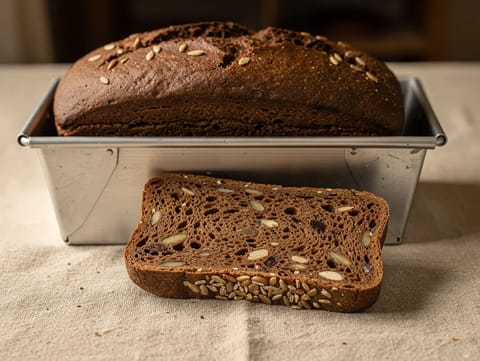
Nordic Rugbrød (Dense Rye Bread with Sunflower Seeds)
Dense Nordic rye bread with treacle and sunflower seeds
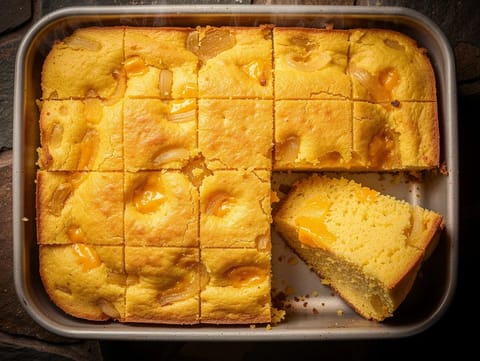
Sopa Paraguaya (Savoury Cornbread with Cheese and Onion)
Savoury cornbread baked with cheese and softened onions

Bolo Rei (King’s Cake)
Portuguese sweet ring bread with candied peel and raisins
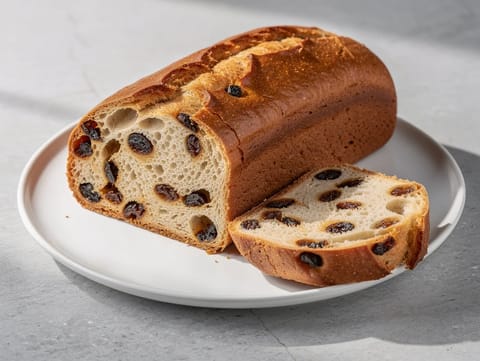
Stafidopsomo (Greek Raisin Bread)
Greek raisin bread with olive oil and cinnamon

Hefezopf (German Braided Yeast Bread)
German braided yeast bread enriched with butter, eggs and milk
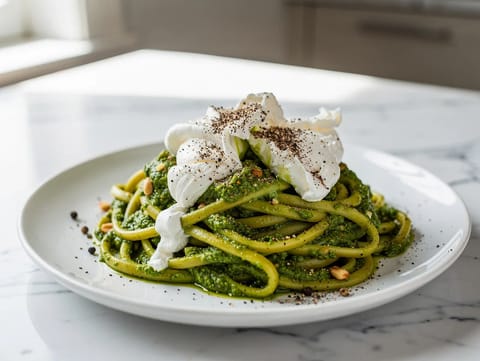
Pesto Pasta with Burrata
Pesto pasta topped with creamy burrata
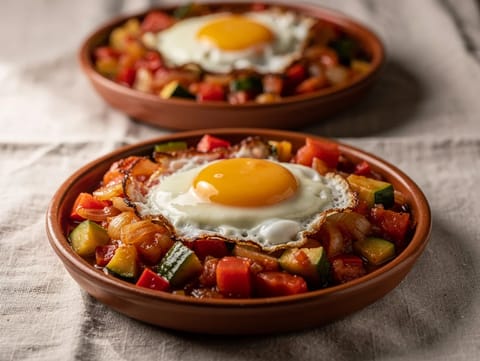
Pisto with Fried Egg (Spanish Tomato and Courgette Stew)
Spanish pisto stew topped with a fried egg

Baeckeoffe Alsacien (Alsatian Meat and Potato Stew)
Alsatian meat and potato stew with pork, lamb and bacon

Matelote Normande (Normandy Fish Stew with Cider)
Fish stew simmered with cider, leeks and mushrooms

Chipotle Chicken Bowl with Coriander and Lime Rice
Chipotle chicken bowl with lime rice, beans and avocado

Air Fryer Spicy Chicken Drumsticks
Spiced chicken drumsticks air-fried until crisp and juicy.
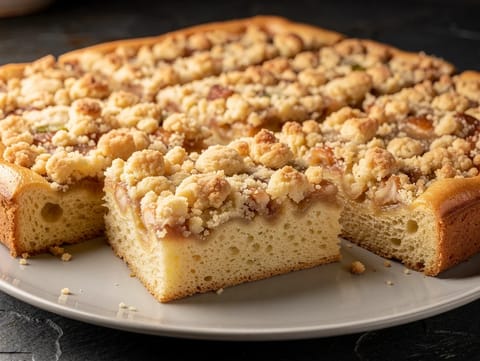
Streuselkuchen (German Yeasted Crumb Cake)
German yeasted crumb cake with a thick buttery streusel topping

Conchas (Mexican Sweet Bread Rolls)
Soft conchas with a crackly vanilla sugar topping

Cornetto al Burro (Italian Butter Croissant)
Italian butter cornetti baked golden and finished with icing sugar

Zwetschgenkuchen (German Plum Cake with Yeasted Base)
German plum cake with yeasted base and cinnamon sugar
Hefezopf (German Braided Yeast Bread)
German braided yeast bread enriched with butter, eggs and milk

New Year’s Waffles (Gaufres du Nouvel An)
Yeast-raised Belgian waffles dusted with icing sugar
You might also like

Oolong Tea
Fragrant oolong tea brewed in hot water, served plain or sweetened

Caribbean Chickpea Bowl
Spiced chickpeas with rice and roasted sweet potato
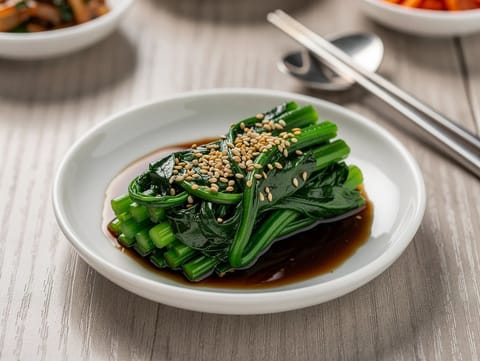
Sigeumchi Namul (Korean Seasoned Spinach Side Dish)
Blanched spinach tossed with sesame oil, garlic and soy sauce

Pad Thai
Thai rice noodles stir-fried with tamarind, egg and peanuts

Cháo Gà (Vietnamese Chicken Rice Porridge)
Silky Vietnamese chicken rice porridge with ginger and herbs

Gyeran Jjim (Korean Steamed Egg Custard)
Korean steamed egg custard with spring onions and sesame oil
Make this recipe easier next time
AdvertisementThese tools help you get better results with less effort.
KitchenAid Stainless Steel Mixing Bowls
- Non-slip base
- Stainless steel
- Not microwave safe
Pyrex Glass Mixing Bowls with Lids
- Microwave safe
- BPA-free lids
- Glass is heavier
OXO Good Grips Stainless Mixing Bowl Set
- Non-slip base
- Comfort grip
- Higher price
Enjoy cooking with JustRecipes?
Add JustRecipes as one of your preferred Google sources to discover our recipes more easily across Google Search.
Add JustRecipes to GoogleEvery recipe on JustRecipes follows the same structured editorial process. Learn how recipes are created, validated, translated, illustrated, and continuously improved across the platform. How we create recipes.
