
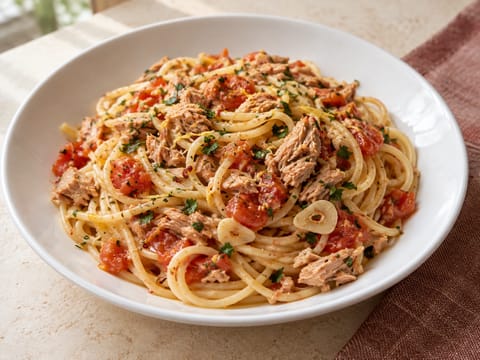
Pasta al Tonno (Classic Tuna and Tomato Pasta)
Spaghetti with tuna, tomato, garlic, chilli, parsley and lemon zest

A Microplane is a very fine grater, designed to shave rather than shred. That difference shows up immediately in the bowl: you get fluffy, almost melting strands of hard cheese, a paste-like garlic, and clean citrus zest without much bitter pith. If you are deciding whether you need one, the question is not “can I grate with something else?” but “do I want that particular texture?”. For many recipes it is a finishing tool, adding aroma and lift right at the end, rather than doing the bulk of the prep.
The fine teeth excel at ingredients where you want maximum surface area and minimal chunks: citrus zest, nutmeg, ginger, garlic, Parmesan-style cheeses and chocolate for garnishing. Because the shavings are so small, they disperse quickly into butter, dressings, batters and sauces, which can make flavour feel more integrated. A box grater is usually better when you need volume and structure, such as coarsely grated vegetables or a mound of cheese for topping. A peeler can replace a Microplane for citrus, but it gives strips that often need chopping, and it is easier to take pith along with the peel.
Spaghetti with tuna, tomato, garlic, chilli, parsley and lemon zest
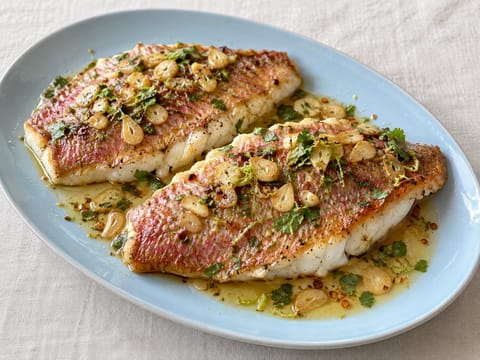
Pan-fried red snapper topped with garlic butter and lime
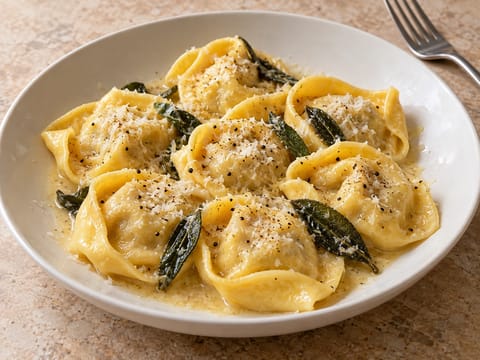
Tortelloni tossed with butter, sage and Parmesan
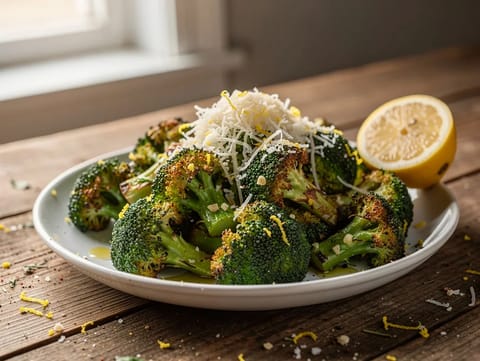
Crisp-tender air-fried broccoli with lemon and Parmesan.
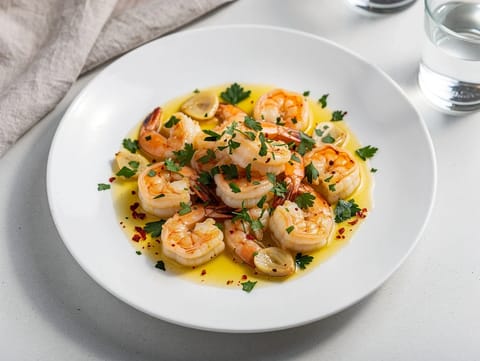
Spanish lemon garlic prawns with chilli and parsley
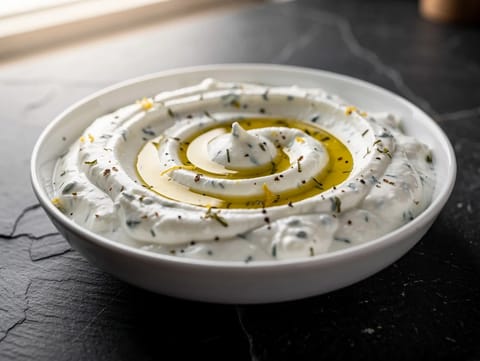
Thick Turkish yoghurt dip with garlic, mint and olive oil
If the recipe calls for zest, a fine zester or the smallest holes on a box grater can work, but aim for the coloured outer layer only. For garlic and ginger, a garlic press or a very fine mince with a knife gives a similar effect, though it can be slightly chunkier and less juicy. For hard cheese, the fine side of a box grater is the closest substitute; expect a denser pile that melts a little differently. For nutmeg and other whole spices, a dedicated spice grater or a small rasp-style grater is often the most practical stand-in. The main thing is to match the texture the recipe relies on, not the tool name.
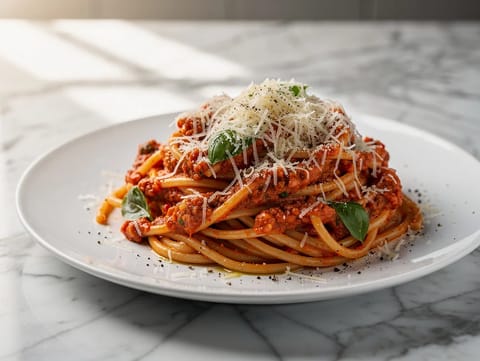
Sicilian pasta with tomato, basil and almond pesto
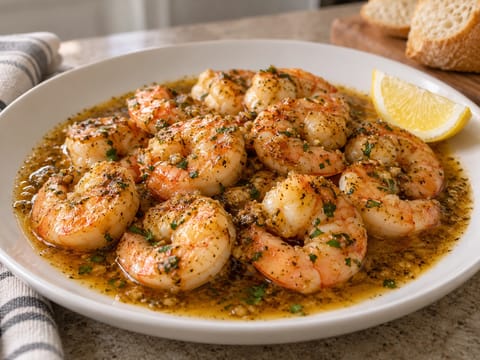
Quick prawns cooked in buttery Worcestershire, lemon and pepper sauce
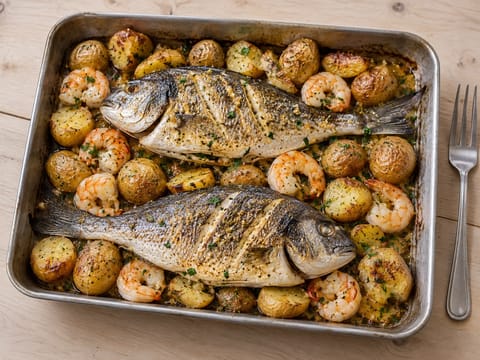
Baked sea bream and prawns with potatoes, garlic and lemon
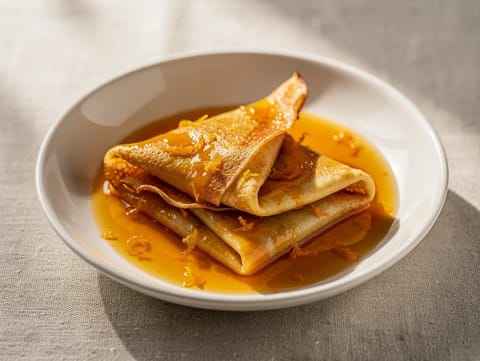
Flambéed crêpes in a buttery orange and lemon sauce
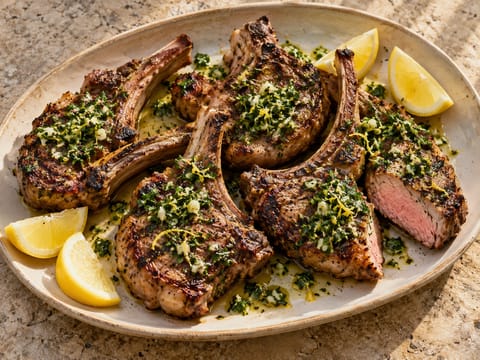
Quick-grilled lamb cutlets topped with parsley and lemon gremolata
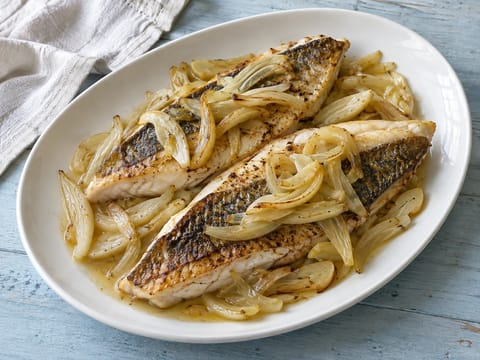
Grilled sea bass with fennel, pastis and lemon
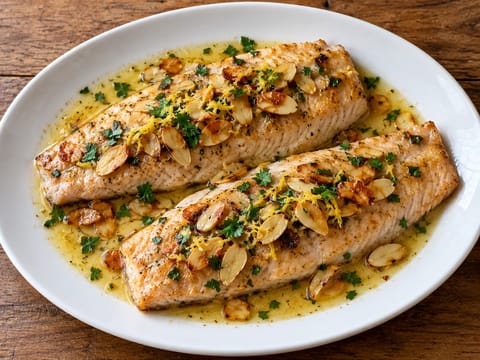
Pan-fried trout finished with toasted almonds, butter and lemon
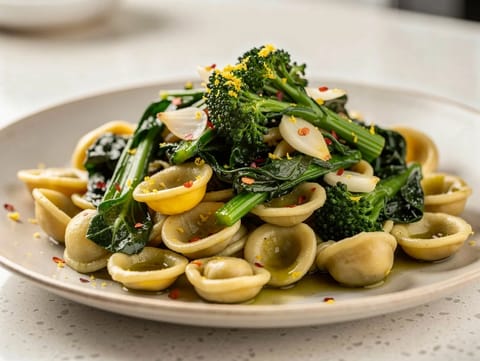
Orecchiette with broccoli rabe, anchovy, garlic and chilli
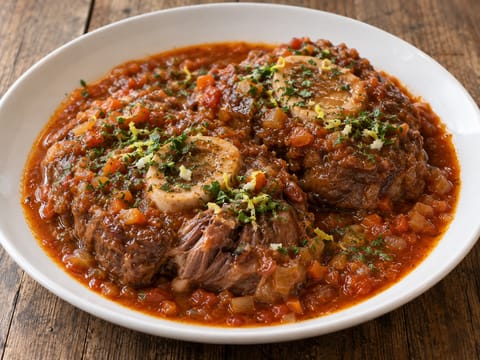
Veal shanks braised with tomatoes, white wine and gremolata
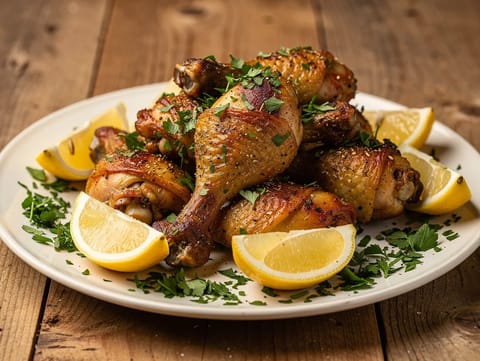
Air-fried drumsticks with garlic, herbs and lemon.
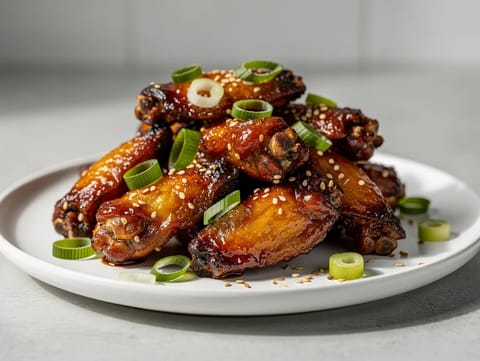
Crispy air-fried wings tossed in sweet chilli glaze.
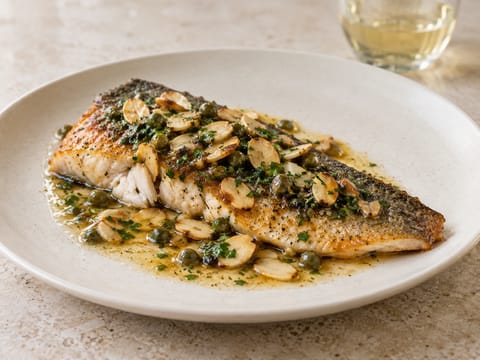
Crisp-skinned trout with brown butter, almonds and capers
The classic mistake is grating too far and catching your knuckles. Stop early, switch to a knife for the last bit, or use a guard if you have one. Another issue is clogging: very soft cheese or wet ingredients can smear rather than grate, especially if they are warm. Chilling the ingredient briefly can help it shave cleanly. With citrus, avoid pressing hard; light strokes reduce the chance of digging into pith. Finally, wash carefully. The teeth are sharp, and a sponge can snag. A brush or a rinse under running water is often safer and more effective.
Cooking method is a useful companion for Microplane recipes because the tool is often used at a specific moment, such as finishing a pasta, flavouring a batter, or seasoning a sauce. Difficulty can also help you judge how much precision is expected, since fine grating is sometimes a small but important detail in the overall result.
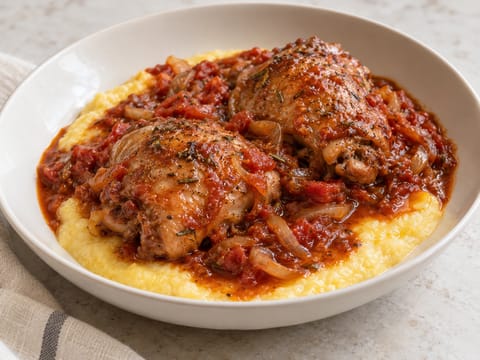
Chicken cacciatore served with buttery Parmesan polenta
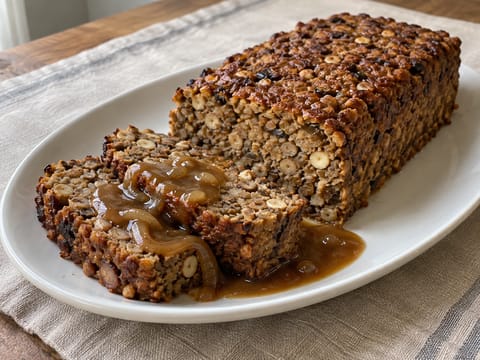
Vegetarian nut roast with mushrooms, lentils and herbs
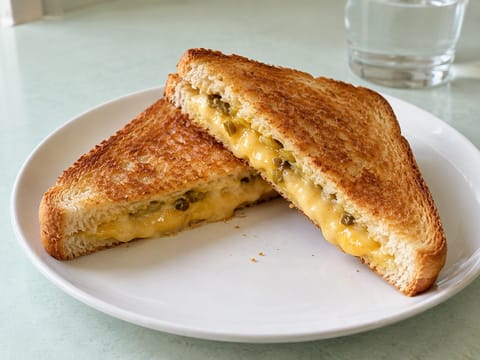
Toasted sandwich with mature cheddar and Branston pickle
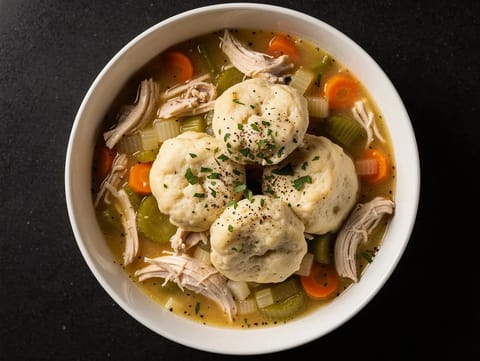
Chicken stew topped with fluffy buttermilk dumplings
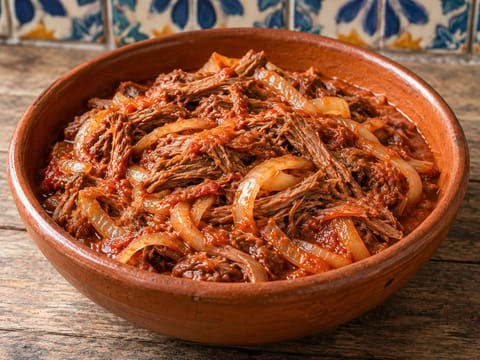
Shredded beef simmered in a smoky chipotle tomato sauce
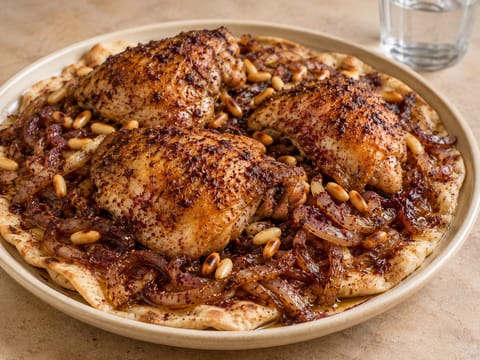
Roast chicken on flatbread with sumac onions and pine nuts

Crispy jackfruit carnitas in warm corn tortillas
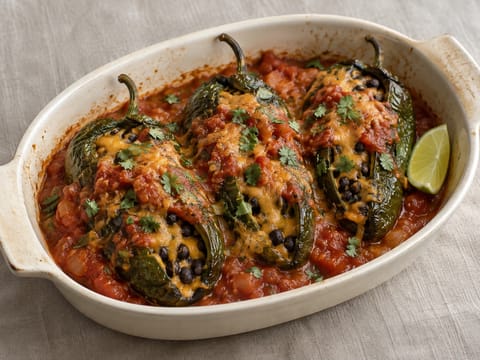
Roasted poblanos stuffed with black beans and cheddar
A Microplane can be used as a zester, but it is a type of fine grater. It removes very fine zest; traditional channel-style zesters make longer strips.
It is not ideal. Soft cheeses tend to smear and clog the teeth. A box grater or slicing is usually more practical.
Very fine grating breaks the garlic down more completely, releasing more juice and dispersing it quickly, which can make the flavour feel stronger and more immediate.
Use light strokes and stop when you reach the white pith. Rotate the fruit as you go so you only take the coloured outer layer.
Not strictly. A box grater covers many jobs, but a Microplane gives a finer texture for zest, hard cheese and spices that some recipes and finishes rely on.
If a recipe depends on fine shavings that melt or disappear into the dish, a Microplane is the most direct route. Otherwise, choose the tool that gives the closest texture with the least fuss and the most control.
