
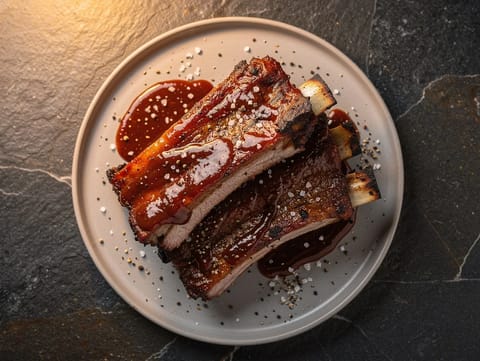
Pork Spare Ribs with Smoky BBQ Sauce
Oven-baked spare ribs glazed with smoky BBQ sauce

A pastry brush is a small tool, but it has an outsized effect on finish. It is used to apply egg wash for shine, melted butter for flavour and browning, syrup for gloss, or oil to stop sticking. Because you are spreading a thin layer, the brush needs to hold enough liquid to work quickly, but not so much that it floods seams or pools on a tray. The other practical consideration is hygiene: brushes touch raw egg, dairy and sticky sugars, so cleaning and drying matter as much as technique.
In baking, a pastry brush is most often used for egg wash on breads and pastries, brushing melted butter between layers, or applying syrup to cakes and buns. In savoury cooking, it is handy for oiling a grill pan, brushing marinades onto skewers, or greasing tins and ramekins with butter. The brush gives you control around edges and corners where pouring or spooning would be messy. It is also useful when a recipe needs repeated light coats, such as glazing during baking, because you can work quickly without disturbing delicate dough or tearing a surface.
Oven-baked spare ribs glazed with smoky BBQ sauce
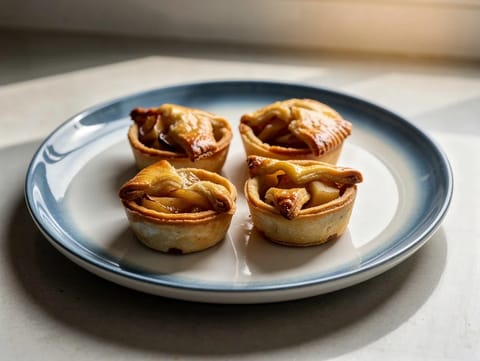
Mini apple pies air-fried with cinnamon and lemon.
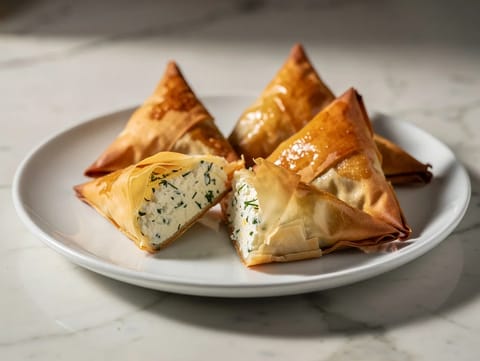
Greek filo triangles filled with feta, ricotta and dill
Crisp Greek filo cheese pie filled with feta, ricotta, eggs and dill
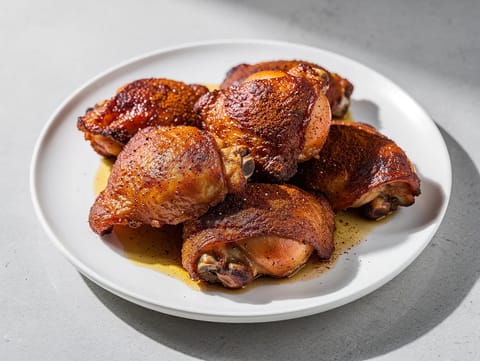
Sticky BBQ chicken thighs finished in the air fryer.
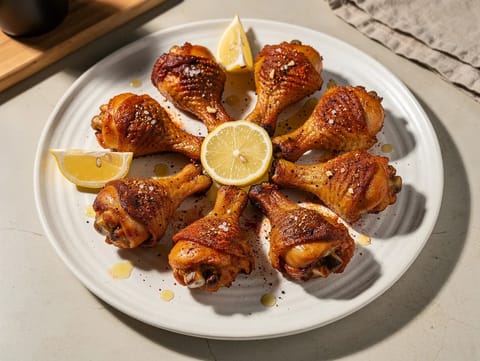
Air-fried chicken drumsticks glazed with barbecue sauce.
Over-brushing is a frequent problem with egg wash and glazes. Pressing hard can deflate risen dough, drag flour into streaks, or pull seeds off the surface. Use a light touch and let the liquid do the work. Another issue is flooding seams, especially on filled pastries: excess egg wash can glue layers together and prevent a clean rise. Finally, watch for loose bristles on natural-bristle brushes. If you see shedding, switch to silicone or replace the brush, particularly for sticky glazes where a stray bristle is hard to spot.
Air-fried chicken drumsticks glazed with barbecue sauce.
Oven-baked spare ribs glazed with smoky BBQ sauce
Mini apple pies air-fried with cinnamon and lemon.
Greek filo triangles filled with feta, ricotta and dill
Sticky BBQ chicken thighs finished in the air fryer.
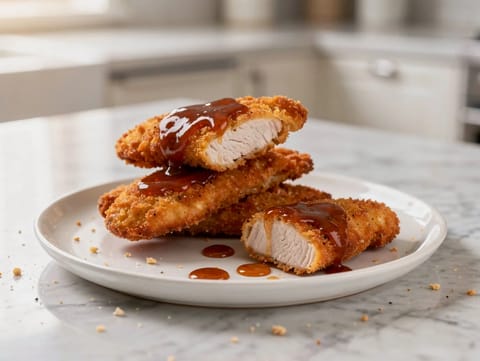
Crispy chicken tenders finished with a honey barbecue glaze.
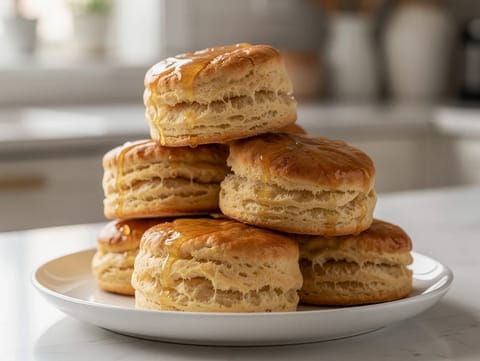
Buttermilk biscuits cooked in the air fryer and brushed with butter.
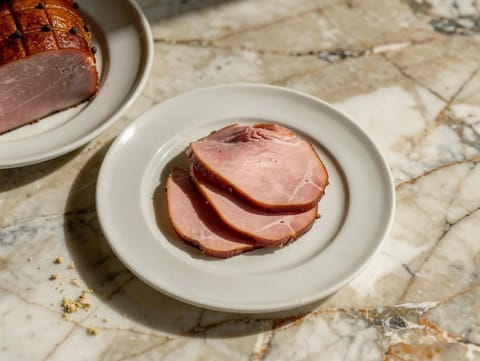
Baked ham finished with a brown sugar and Dijon glaze
Crisp Moroccan briouats filled with almond paste and orange blossom water
Thai mung bean sweets shaped and coloured, then finished with a glossy agar glaze
Crisp striftopita filled with feta, eggs and fresh dill
Air fry puff pastry turnovers filled with cinnamon apples until crisp and golden.
If you use a brush with raw egg, wash it promptly in hot, soapy water and dry it thoroughly, paying attention to the base where residue collects. Sticky sugar syrups can set like glue, so soaking soon after use prevents build-up that turns bristles stiff. Silicone brushes are often easier to clean and less likely to shed, but they can hold less liquid than natural bristles, so you may need more passes. Whatever the style, avoid leaving a damp brush in a drawer, where odours and mould can develop.
A pastry brush is closely linked to Cooking method, because glazing, basting and greasing steps show up in baking, grilling and roasting in different ways. Difficulty can also help you choose recipes where the brush is a simple finishing touch versus those where careful glazing and handling are central to the result.
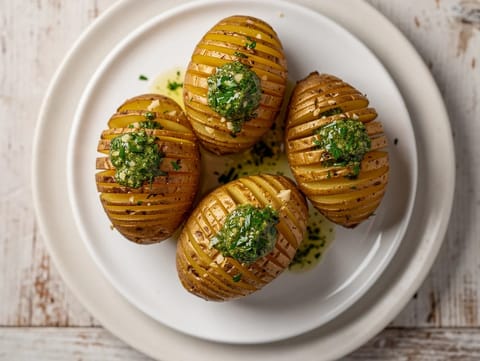
Crisp hasselback potatoes with garlic and parsley butter
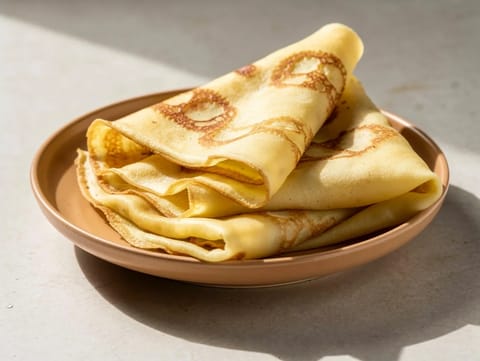
Thin Galician crepes served warm with honey
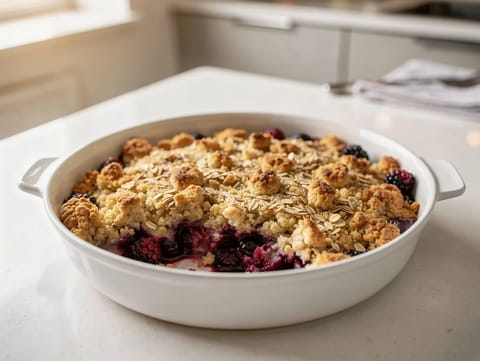
Warm berry crumble with a crisp oat topping.
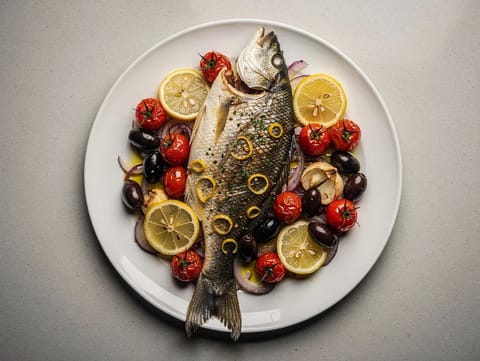
Baked sea bream with tomatoes, olives and lemon
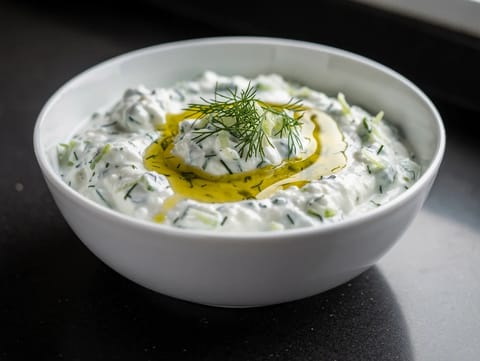
Chilled Turkish yoghurt and cucumber dip with dill and garlic
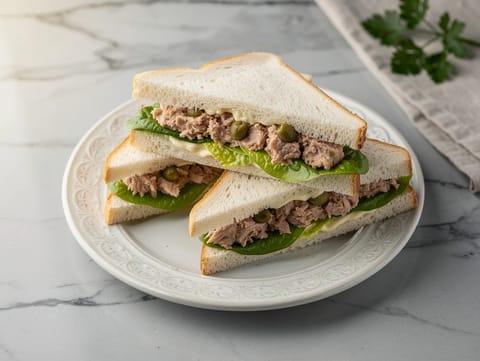
Crustless tuna sandwiches with mayonnaise, capers and lettuce
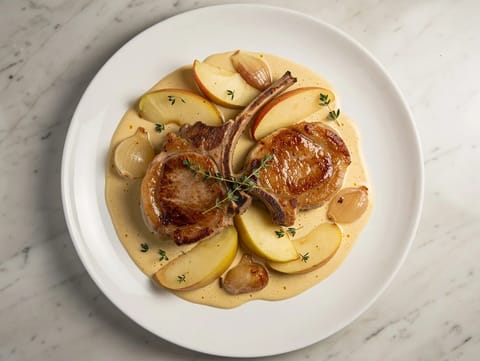
Pork chops with apples in a creamy cider sauce
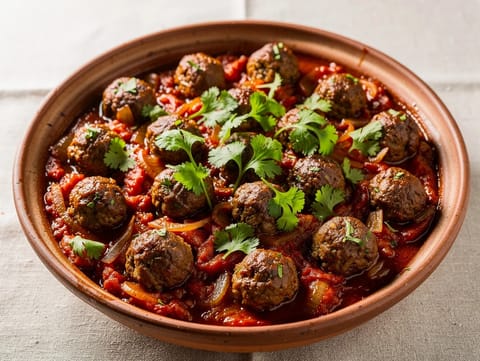
Spiced beef meatballs simmered in a rich tomato sauce
It depends on the job. Silicone is easy to clean and does not shed, but bristles often hold more liquid and spread it more evenly in one pass.
Use a light coat and avoid brushing right up to open seams. If the wash is very thick, a small splash of water or milk can make it easier to apply thinly.
Yes, but sauces with sugar can burn quickly on high heat. Brush in thin layers and apply later in cooking if the recipe suggests it.
Usually from dried sugar syrup, butter or egg at the base of the bristles. Soak and wash promptly after use, and dry thoroughly.
For greasing, a piece of kitchen paper or a bit of butter in the wrapper works. For glazing, a spoon or your fingertips can apply a thin coat, though it is less precise around edges.
A pastry brush is most useful when a thin, even coating matters, whether that is egg wash, butter or glaze. Choose a brush that suits the liquid you are applying, use a light touch, and clean it promptly so yesterday’s syrup does not become tomorrow’s off-flavour.
