
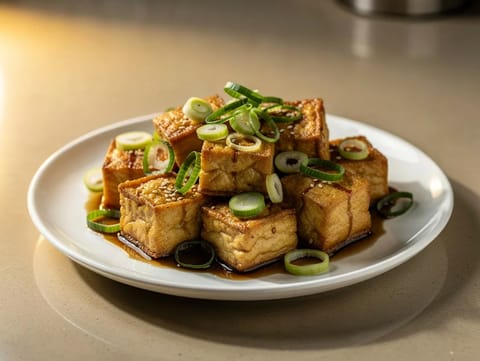
Air Fryer Tofu
Air-fried tofu tossed in soy, sesame, and spring onion.

A rice cooker is most useful when you want steady, hands-off heat and repeatable results. It excels at cooking grains without watching the pan, and it keeps them warm without further attention, which can simplify the rest of your cooking. The trade-off is that it is not a universal substitute for a hob: browning, rapid reduction and fine control over evaporation are limited. Understanding what the cooker is doing, essentially gentle boiling followed by a warm hold, helps you decide when it is the right tool and when a saucepan will be more predictable.
Rice cookers manage the transition from simmering to resting automatically, which is why they suit plain rice and other grains that benefit from a covered steam finish. The sealed lid reduces evaporation, so the grain cooks in a relatively stable environment and is less likely to catch on the base. Many models also handle mixed-in aromatics or small additions well, provided they do not interfere with the grain-to-liquid balance. The keep-warm function is practical for serving, but it can continue to dry the surface over time, so fluffing and covering again can help maintain a tender texture.
Air-fried tofu tossed in soy, sesame, and spring onion.
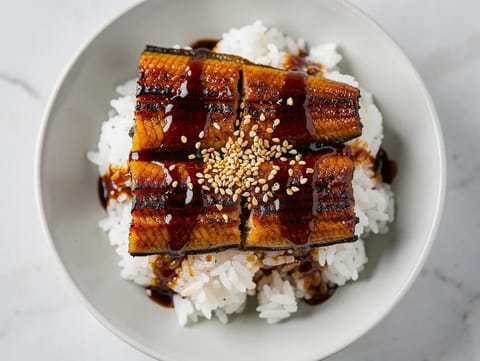
Grilled eel with sweet soy sauce served over rice
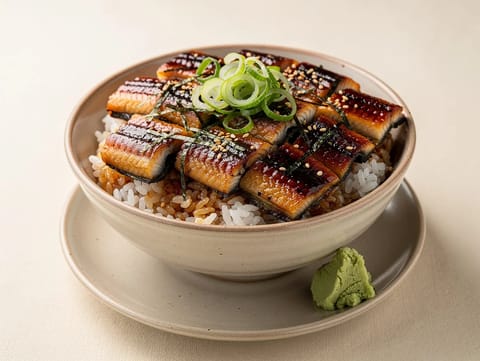
Glazed grilled eel over rice served with green tea
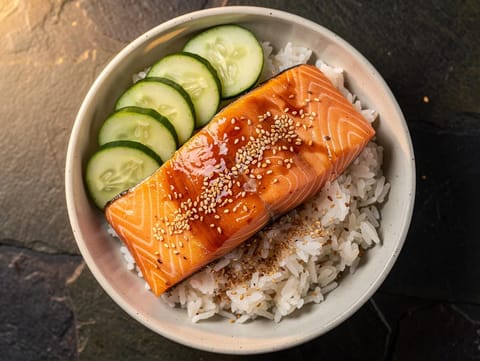
Air-fried salmon with a sweet miso glaze.
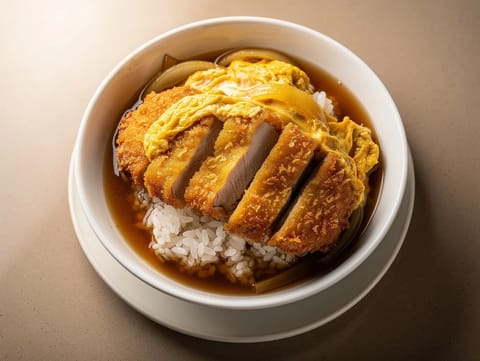
Breaded pork cutlet and lightly set egg over rice
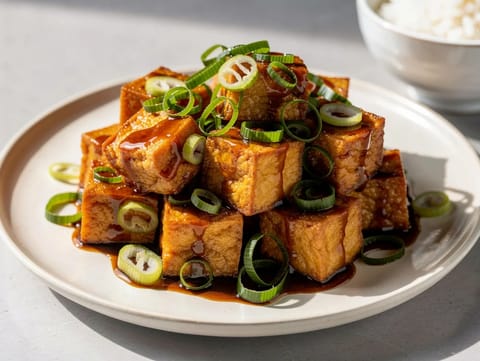
Extra-crispy tofu with a soy and hoisin glaze.
The most frequent issue is treating every rice the same. Different varieties absorb water differently, and rinsing changes how much surface starch remains, which affects stickiness and boil-over risk. Another pitfall is lifting the lid repeatedly; each peek releases steam and can leave the top layer undercooked. Overfilling can also cause starchy foam to climb and block vents. Finally, be cautious with sugary sauces or thick mixtures: they can scorch on the hot plate because the cooker is designed for watery cooking rather than reduction.
Extra-crispy tofu with a soy and hoisin glaze.
Air-fried salmon with a sweet miso glaze.
Grilled eel with sweet soy sauce served over rice
Glazed grilled eel over rice served with green tea
Air-fried tofu tossed in soy, sesame, and spring onion.
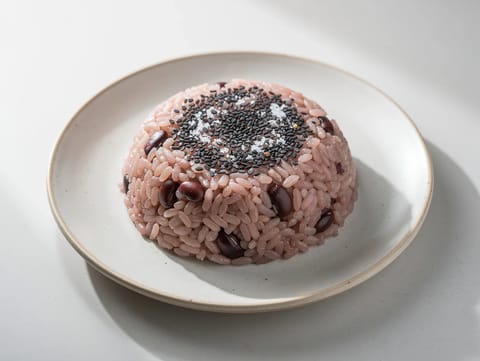
Glutinous rice steamed with adzuki beans, sesame and salt
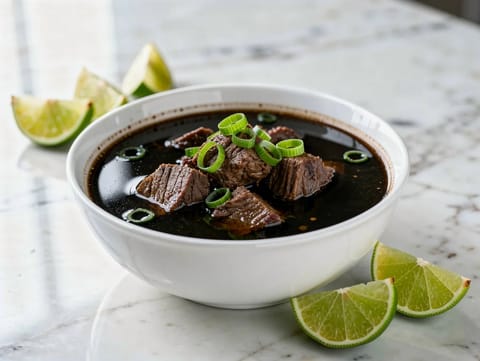
Black beef soup flavoured with keluak
Breaded pork cutlet and lightly set egg over rice
Wasabi tuna poke over sushi rice with cucumber and radishes.
Indonesian chicken in coconut milk with shallots, coriander and turmeric
A rice cooker is an electrical appliance that produces steam, so keep the vent clear and open the lid away from your face and hands. Use the insert and utensils recommended for your model to avoid damaging non-stick coatings. If a recipe involves holding cooked rice warm for a long period, follow the appliance guidance and use your judgement about serving promptly, as warm, moist foods are more sensitive to time and temperature than dry ones.
If you are deciding between a rice cooker and other approaches, Cooking method is the most helpful comparison: absorption, steaming and pilaf-style cooking behave differently. Difficulty can also clarify how much attention a recipe expects, from set-and-forget grains to dishes that rely on toasting, stirring or careful timing.
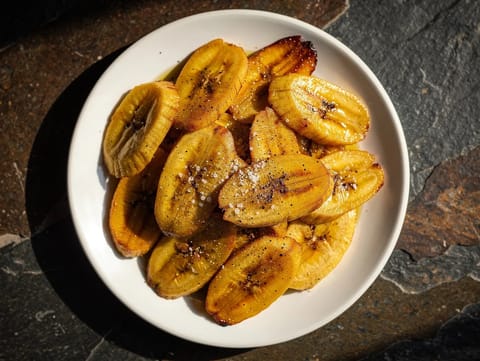
Golden, caramelised plantain slices fried in oil
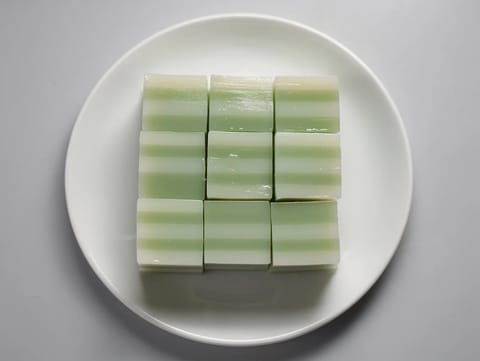
Steamed Thai layered coconut dessert scented with pandan
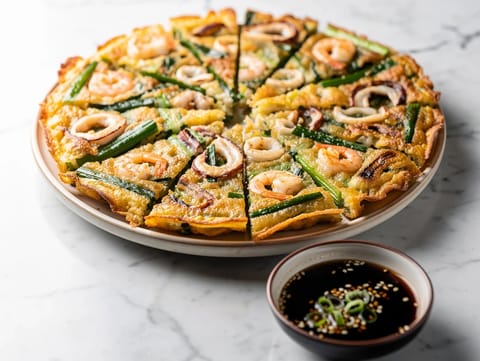
Seafood and spring onion pancake with soy vinegar dipping sauce
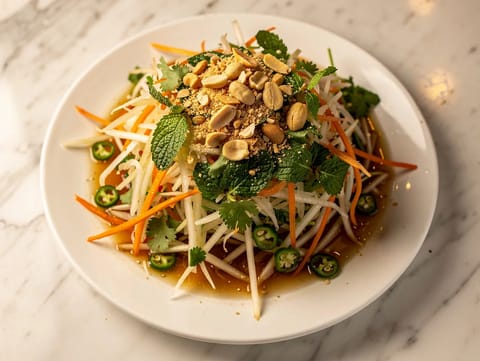
Crunchy green papaya salad with herbs, lime and peanuts
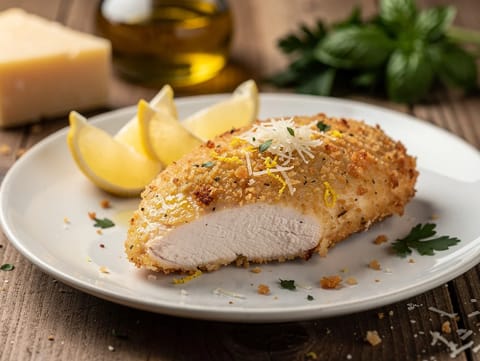
Parmesan-crusted chicken breast cooked crisp in the air fryer.
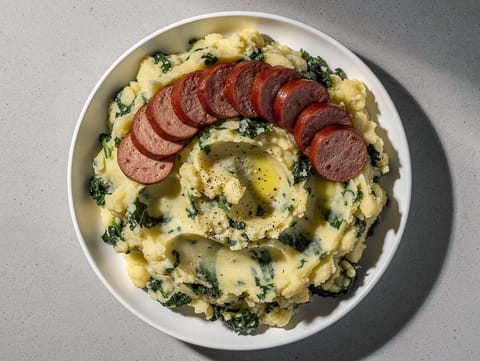
Potato and kale mash topped with smoked sausage
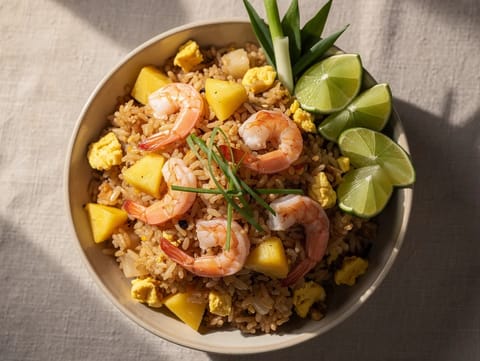
Thai pineapple fried rice with prawns, egg and spring onion
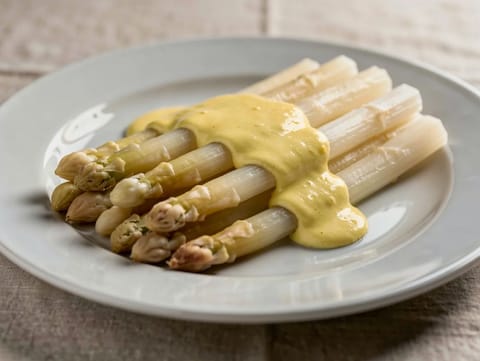
Boiled white asparagus served with classic lemony hollandaise sauce
Not necessarily. Many cookers handle other grains and simple one-pot combinations, but they are best for foods that cook by absorption and steaming rather than browning or reducing.
It depends on the result you want and the rice variety. Rinsing removes surface starch, which can reduce stickiness and foaming, but some dishes rely on that starch for a softer, clinging texture.
Burning can happen if the cooker runs dry too early, if the pot is scratched, or if the mixture contains sugars or thick sauces that scorch more readily than plain water.
You can, but it changes the cooking environment by releasing steam and heat. Many recipes assume the lid stays closed so the top layer finishes by steaming.
Consistency with less attention. A saucepan gives more control for toasting, rapid boiling and reduction, but it asks you to manage heat and timing yourself.
A short rest helps grains finish steaming and firm up, but extended holding can dry the surface. Fluffing and keeping the lid closed can reduce drying.
A rice cooker is at its best when the recipe is about absorption and steam. When you need to toast, reduce or control evaporation closely, a saucepan or oven method will usually give you clearer cues.
