
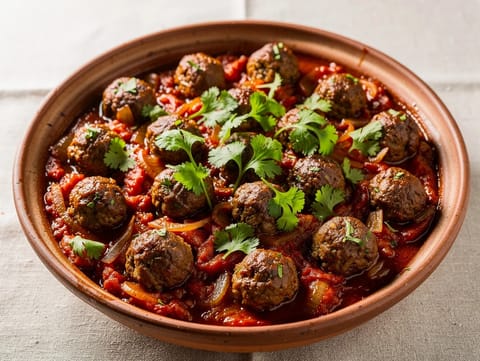
Kefta Tagine (Meatballs in Tomato Sauce)
Spiced beef meatballs simmered in a rich tomato sauce

A tagine is a lidded cooking vessel that encourages gentle, moist cooking. Its conical lid helps steam circulate and condense back into the dish, so it suits braises where you want tender meat, soft vegetables and a sauce that stays glossy rather than reducing aggressively. That same design means a tagine is not the tool for hard searing or rapid evaporation. If you are new to it, the main learning is heat management: low and steady is usually the point.
A traditional tagine is a shallow base with a tall lid, often made from clay or ceramic, though some versions have a metal base. The shape creates a humid cooking environment, which helps aromatics, spices and fats mingle into a cohesive sauce while ingredients soften gradually. Tagine recipes commonly build flavour in layers: aromatics first, then proteins and vegetables, then a covered cook that brings everything together. Because the lid traps moisture, the liquid you add at the start often goes further than you expect, and the dish may need less topping up than a similar stew in an open pot.
Spiced beef meatballs simmered in a rich tomato sauce
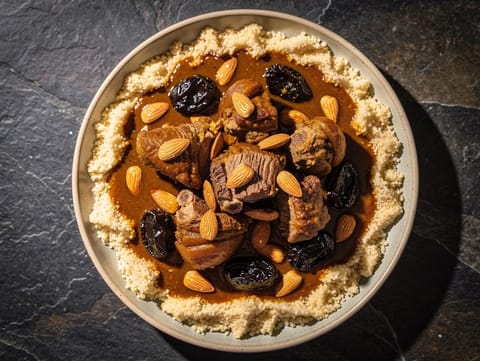
Lamb tagine with prunes and toasted almonds
Tender lamb braised with cinnamon and cumin, finished with apricots, honey and toasted almonds
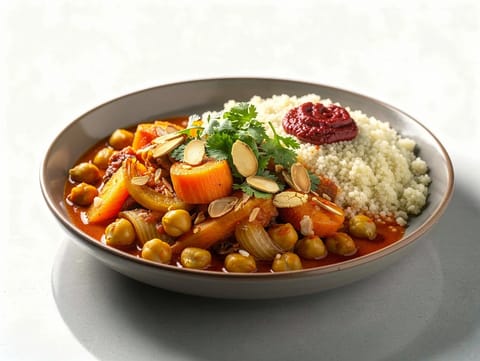
Carrot and chickpea tagine served with couscous and harissa
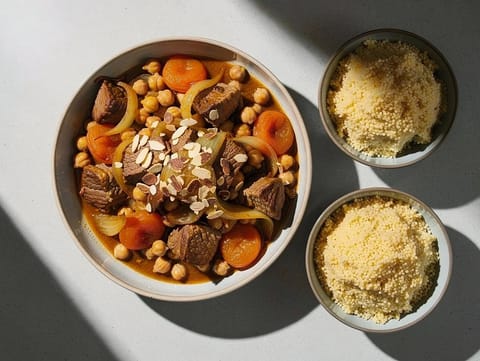
Lamb tagine with apricots, chickpeas and warm spices
Chicken thighs braised with preserved lemon, olives, spices and fresh coriander
Choose ingredients that benefit from gentle braising. Bone-in chicken pieces, lamb or beef cuts suited to slow cooking, and firm vegetables that soften without collapsing are all comfortable in this style of pot. Dried fruits, olives and preserved ingredients also fit the tagine’s moist heat, because they plump and perfume the sauce rather than drying out. If you want a dish with a thick, reduced glaze, a tagine may not get you there without finishing uncovered or transferring to a wider pan. For crisp toppings or browned crusts, plan a separate step, such as grilling or oven finishing, rather than expecting the tagine to do it alone.
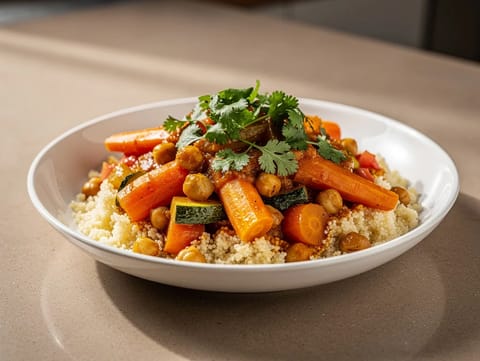
Vegetable tagine with chickpeas, tomatoes and dried apricots
Spiced beef meatballs simmered in a rich tomato sauce
Lamb tagine with apricots, chickpeas and warm spices
Lamb tagine with prunes and toasted almonds
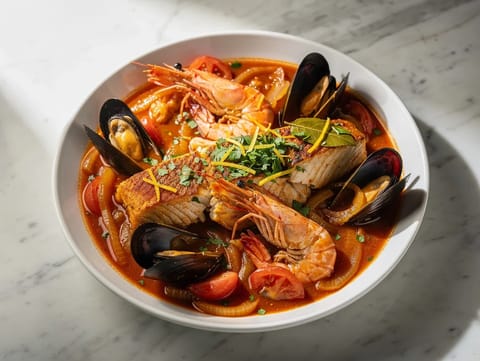
Algarve seafood stew with clams, mussels, prawns and white fish
Carrot and chickpea tagine served with couscous and harissa
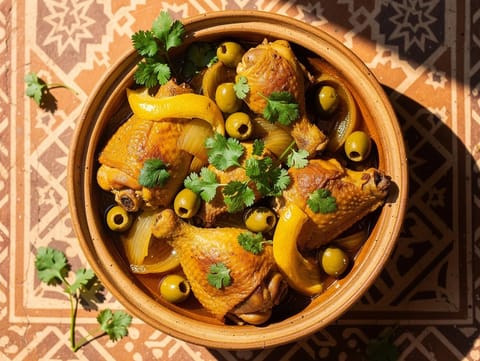
Chicken tagine with preserved lemon, olives and warm spices
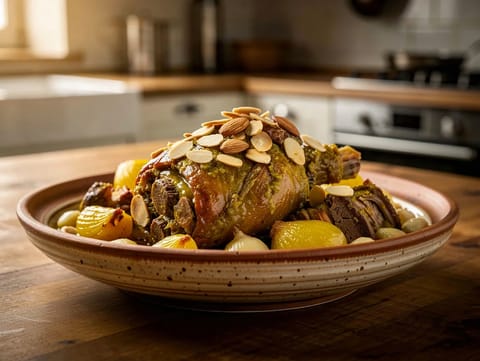
Slow-cooked lamb tagine finished with honey and almonds
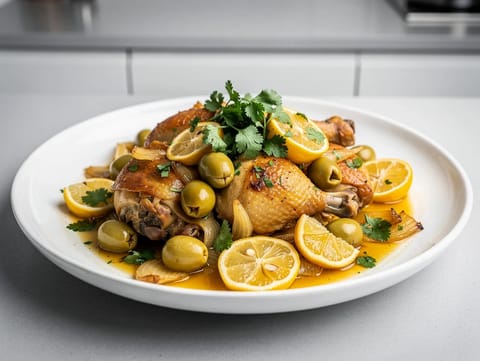
Chicken tagine with preserved lemons, olives and coriander
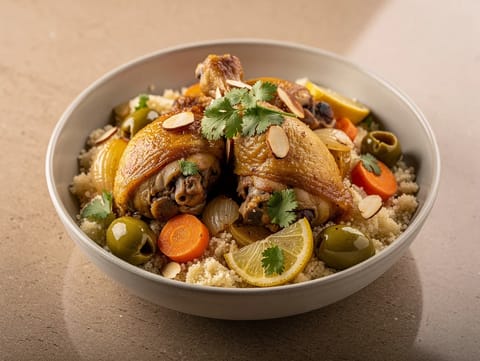
Chicken tagine with preserved lemon and olives over couscous
Hong Kong clay pot rice cooked with chicken, Chinese sausage and a soy sauce finish
Wedding-style Moroccan chicken tagine with preserved lemons and green olives
Clay and ceramic tagines can be sensitive to thermal shock. Sudden changes, such as a cold pot on a very hot burner or adding very cold liquid to a hot base, may cause cracking. Many cooks use a heat diffuser on the hob to spread heat more gently. Always check the maker’s guidance for your specific tagine, especially around soaking, seasoning and whether it is safe for direct flame. Use oven gloves when lifting the lid, and open it away from you to avoid a faceful of steam.
Cooking method is a helpful companion to tagine recipes, because many are essentially braises with a particular moisture pattern and lid behaviour. Difficulty can also help you find recipes that keep the workflow simple, especially if you are learning how your tagine responds to heat on your hob.
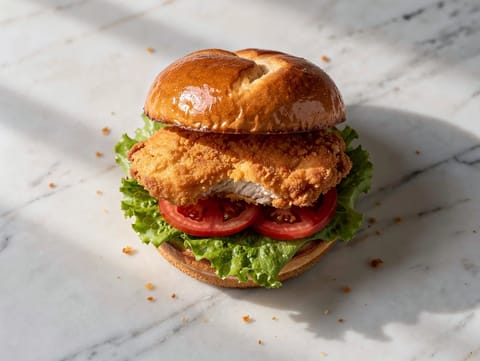
Crispy air-fried chicken in a bun with lettuce and tomato.
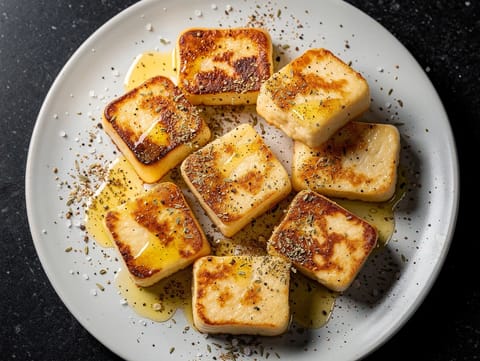
Golden air-fried halloumi finished with lemon and oregano.
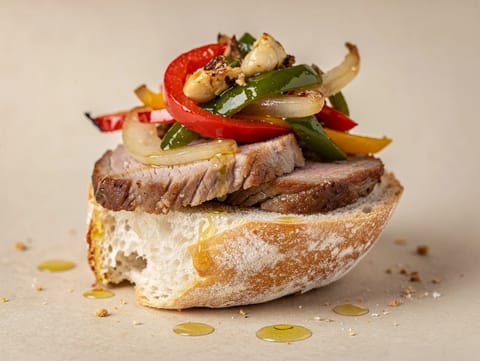
Small pork loin sandwiches topped with sautéed peppers
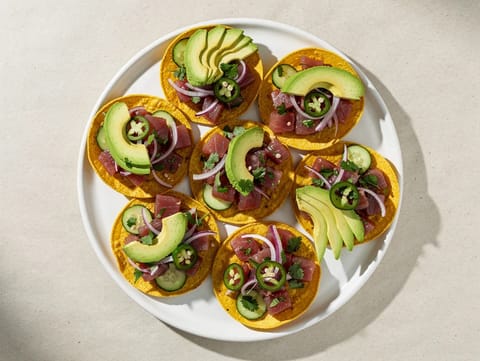
Crisp tostadas topped with tuna ceviche and avocado
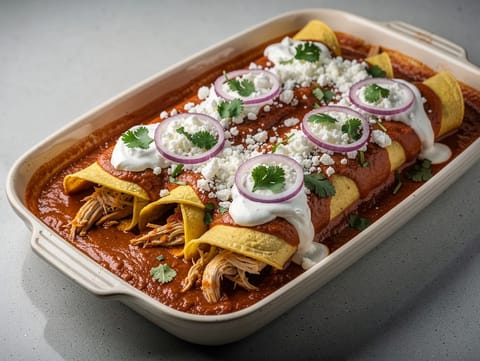
Red chilli chicken enchiladas topped with crema and queso fresco

Baked pancake bites with vanilla batter and blueberries.
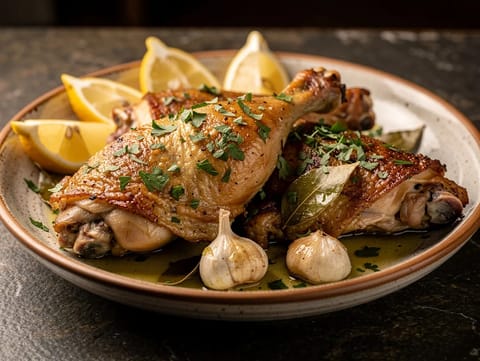
Spanish garlic chicken simmered in olive oil and white wine
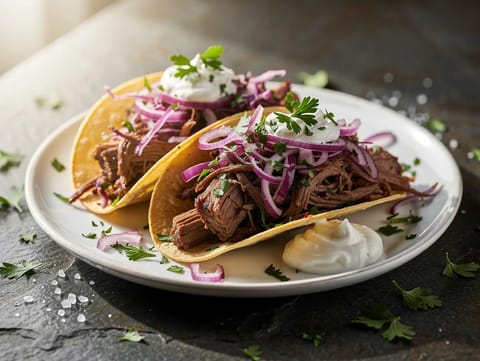
Shredded beef tacos with braised spices, red cabbage and sour cream
It overlaps, but the lid shape and humid environment are distinctive. A tagine tends to keep moisture in, which affects reduction and the way flavours meld over time.
It depends on the material and the manufacturer’s instructions. Some tagines need a diffuser, and some are not suitable for certain hobs. Check the guidance for your specific pot before using direct heat.
Not always. Browning adds roasted notes, but a tagine’s strength is gentle braising. Some recipes build flavour through spices, aromatics and slow cooking rather than a hard sear.
Because the lid traps steam, less liquid evaporates. Use less added liquid to begin with, or finish uncovered to reduce, or transfer to a wider pan if the recipe allows.
Yes, but choose firm fish and watch timing closely. The moist heat is gentle, so fish can go from just-done to overcooked if left too long under the lid.
A heavy lidded casserole or Dutch oven can mimic the gentle braise, though evaporation and condensation will differ. You may need to adjust liquid levels and reduction time.
When choosing a tagine recipe, read for the moisture plan: how much liquid is added, when the lid stays on, and whether there is any uncovered reduction at the end. Once you have that clear, the cooking becomes calm and predictable.
