
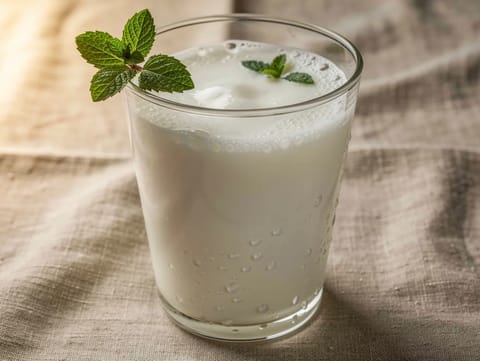
Ayran (Turkish Yoghurt Drink)
Chilled Turkish yoghurt drink whisked with water and salt
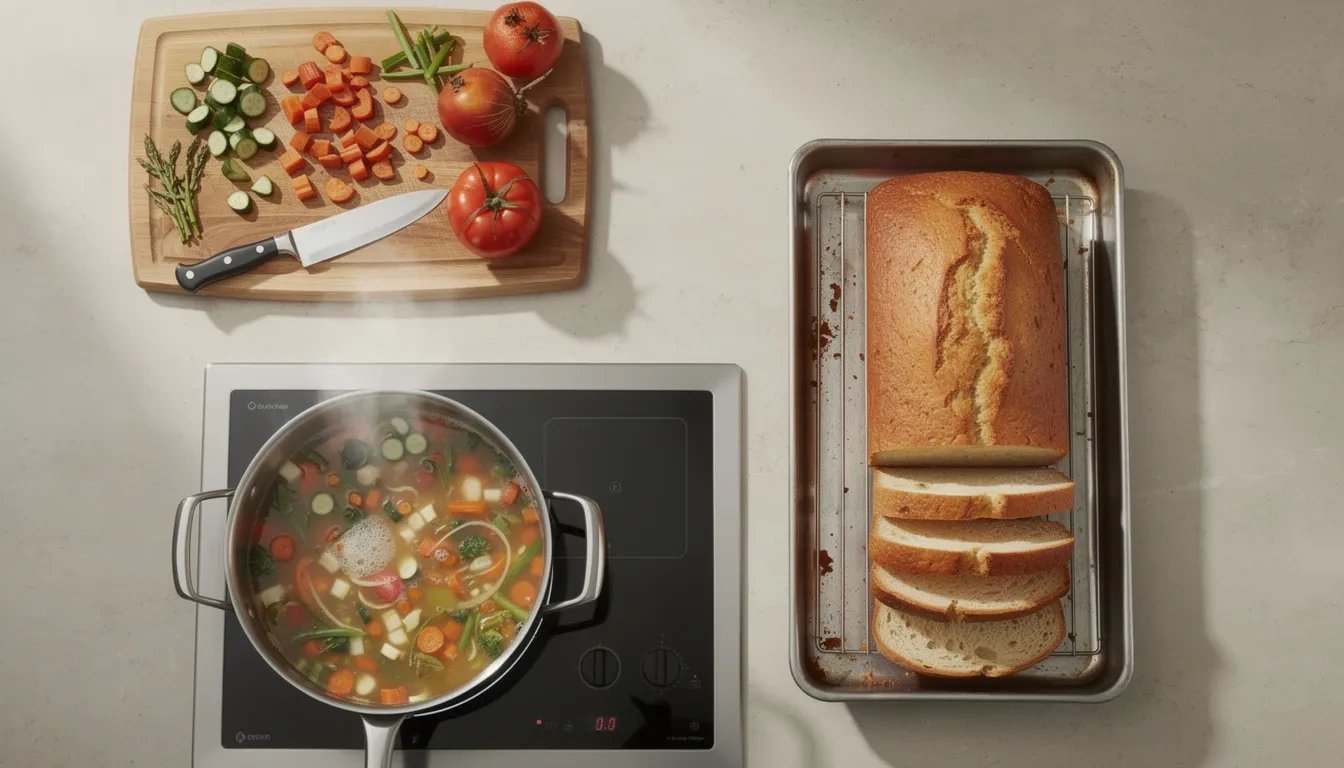
Blending is less about flavour than texture. The same ingredients can become a rustic purée, a silky soup, a spoonable dip or a drinkable smoothie depending on the tool, the liquid level and how long you blend.
Because blending happens quickly, the key decisions come before you switch the machine on: how fine you want the final texture, whether you need heat, and whether the mixture is thick enough to move around the blades.
Blended recipes use mechanical force to break ingredients down and disperse them evenly. That can mean fully smooth results, like puréed soups and sauces, or deliberately coarse textures, like salsas, pestos and some dips. Blending can also emulsify, helping oil and water-based ingredients combine into a stable dressing or sauce.
Blending does not automatically mean no-cook. Many blended dishes start with sautéed aromatics, roasted vegetables or simmered legumes, then are blended for texture. It also does not automatically mean perfectly smooth: some recipes are written to be pulsed briefly so you keep bite and avoid turning herbs or nuts into a paste.
Chilled Turkish yoghurt drink whisked with water and salt
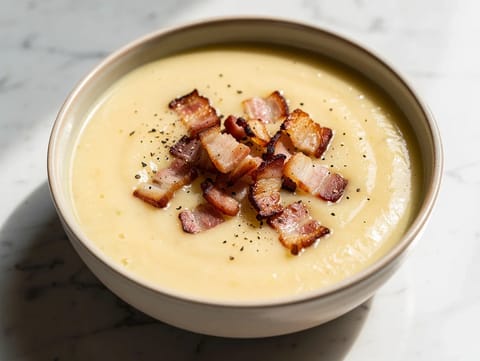
Creamy potato soup topped with crisp bacon
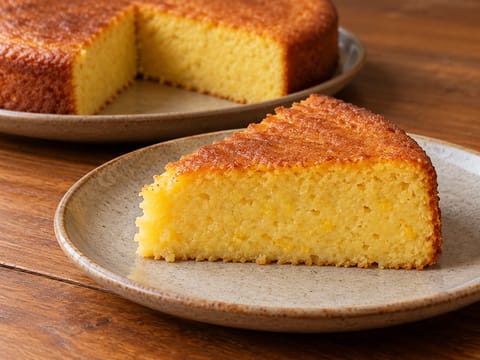
Mexican corn cake made with sweetcorn
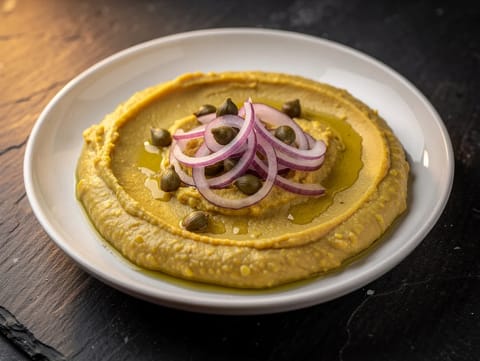
Creamy Greek split pea purée topped with lemon and capers
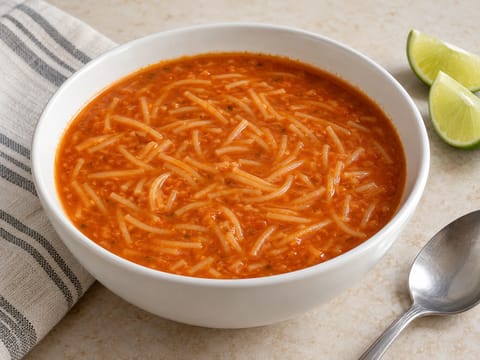
Toasted fideo noodles simmered in tomato and chipotle broth
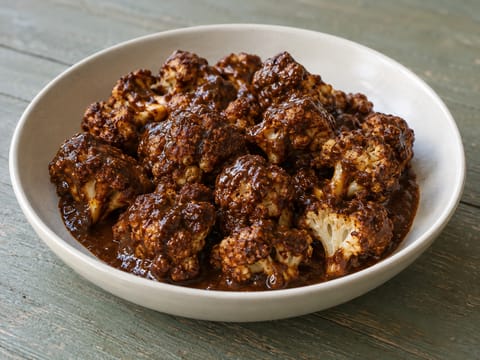
Roasted cauliflower in rich vegan mole poblano
A jug blender is built for smoothness. It creates a strong vortex that pulls ingredients down towards the blades, which is useful for soups, smoothies and silky sauces. A stick (immersion) blender is convenient for blending directly in a pot or bowl, which reduces washing up and makes it easier to stop at “almost smooth”. A food processor tends to chop rather than liquefy, so it suits thicker mixtures such as hummus-style dips, nut pastes and coarse relishes.
If you are working with small quantities, a stick blender or small processor bowl can be easier than a large jug, where ingredients may simply smear up the sides.
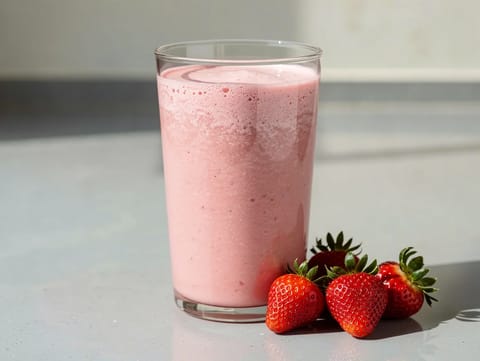
Strawberry yoghurt smoothie scented with rosewater and sweetened with honey.
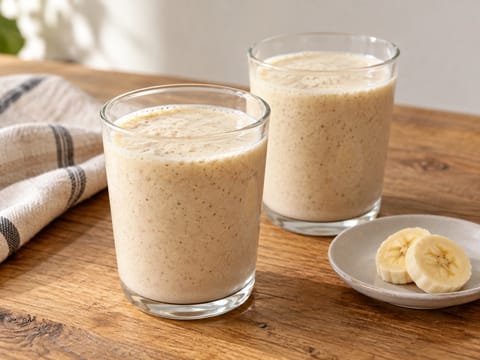
Banana and tahini blended with milk for breakfast.
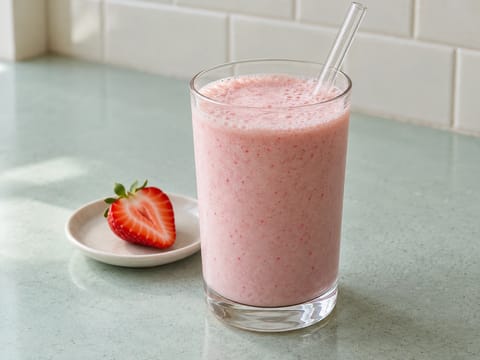
Creamy strawberry milk smoothie blended with ice.
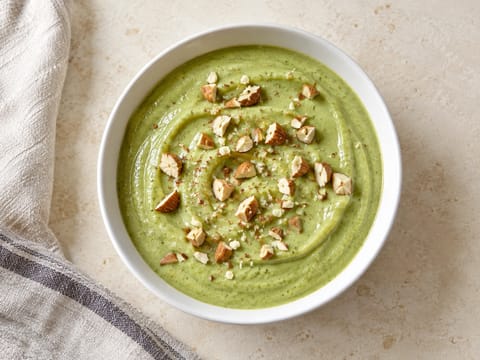
Banana and matcha smoothie bowl topped with almonds.
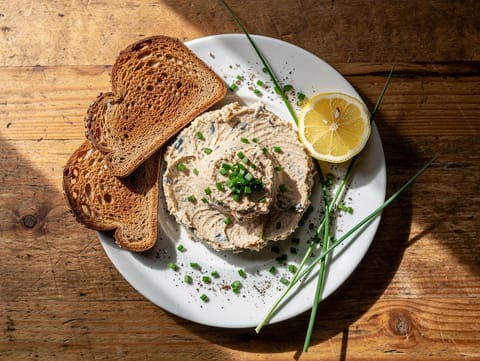
Smoked mackerel pâté with lemon and horseradish on rye

Pepián chicken served over rice with potatoes and carrots
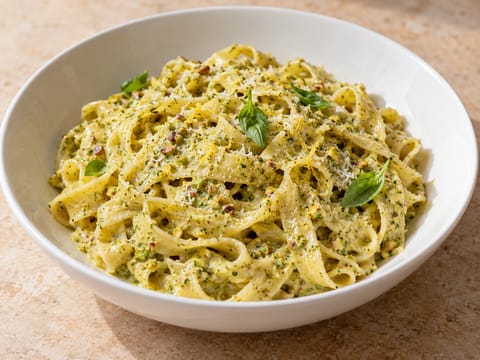
Pasta with creamy ricotta and pistachio pesto
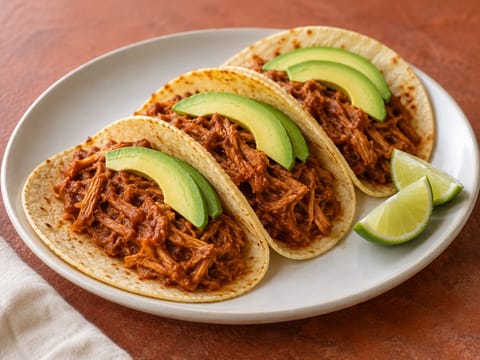
Chipotle pulled pork in a smoky tomato and onion sauce
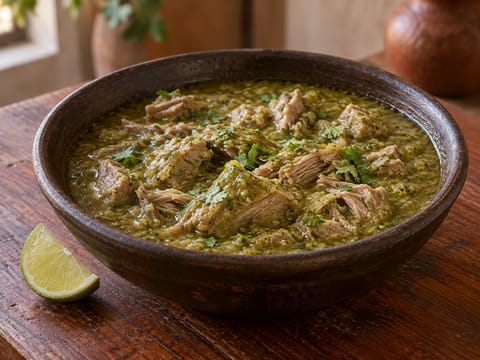
Tender pork simmered in tomatillo salsa verde
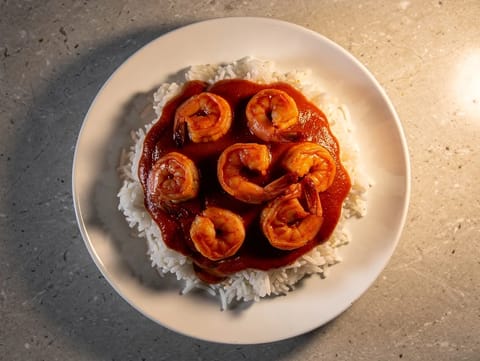
Spicy prawns in guajillo and árbol chilli tomato sauce
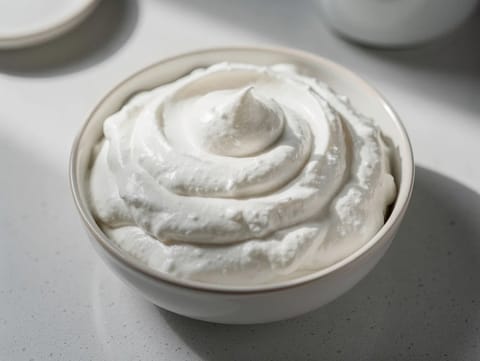
Thick garlic toum made with lemon juice and sunflower oil
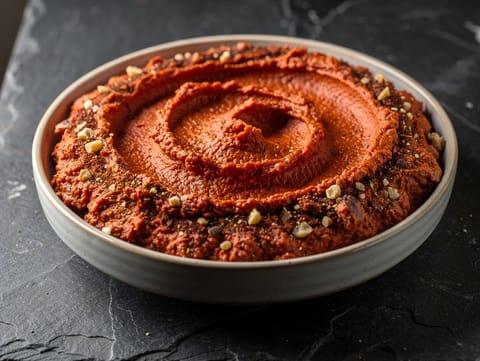
Roasted red pepper and walnut dip with pomegranate molasses
For a silky finish, look for recipes that include enough liquid to keep the blades moving and that specify blending time or visual cues such as “completely smooth”. Straining is sometimes used for extra refinement, especially with fibrous vegetables.
For a thicker, spoonable blend, recipes often rely on cooked starches (potato, beans, lentils) or nuts and seeds. These blends can seize if they are too dry, so they may add liquid gradually. For a coarse, textured result, choose recipes that use pulsing and add delicate ingredients, such as herbs, at the end to avoid bruising and bitterness.
The most common issue is a mixture that will not circulate. This usually means it is too thick or the batch is too small for the container. Add a splash of liquid, scrape down the sides, or switch to a smaller vessel. Another frequent problem is over-blending, which can turn pesto muddy, make some vegetables taste harsher, or whip too much air into a sauce.
Be cautious with hot liquids in sealed jugs. Steam expands quickly and can force the lid up. Many cooks blend hot mixtures in batches, vent the lid, or use a stick blender to reduce pressure build-up.
Equipment is a natural companion here, because the same recipe behaves differently in a jug blender, stick blender or processor. Difficulty can also help you choose: some blended recipes are simply blitz-and-serve, while others depend on careful emulsifying, staged additions or managing hot liquids safely.
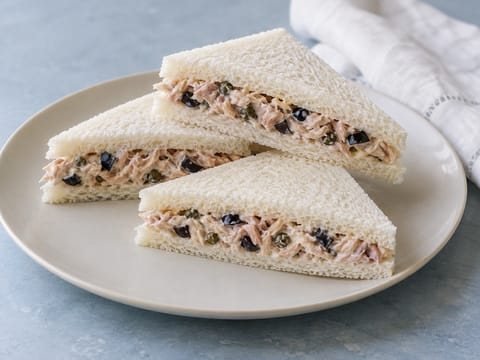
Soft sandwiches filled with tuna, olives, capers and mayonnaise
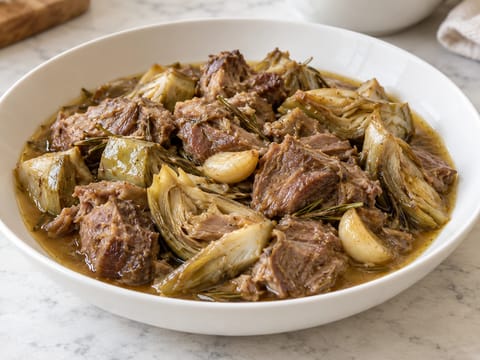
Roman lamb stew with artichokes, white wine and rosemary

Toasted tortillas filled with ham and melted cheddar
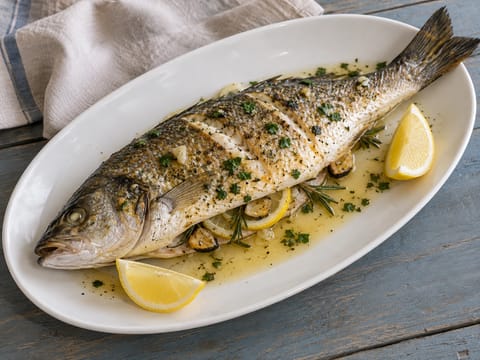
Whole baked sea bass with lemon, garlic and herbs

Savoury crêpes filled with ham and mushrooms in béchamel
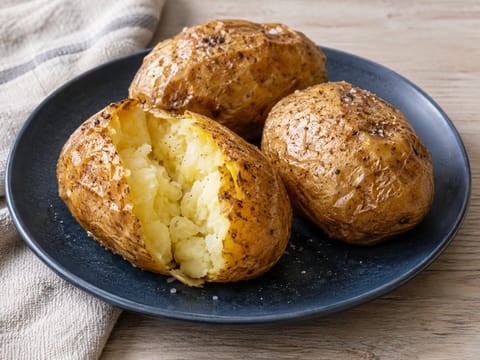
Crisp-skinned baked potatoes cooked quickly in the air fryer.
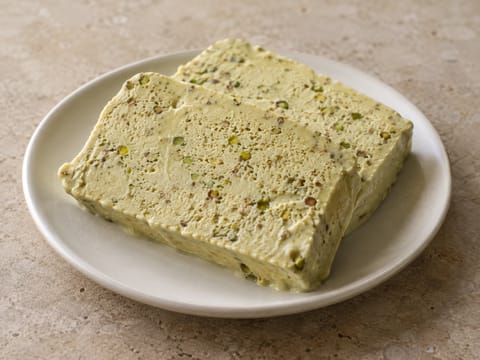
Italian pistachio semifreddo with a soft, sliceable texture
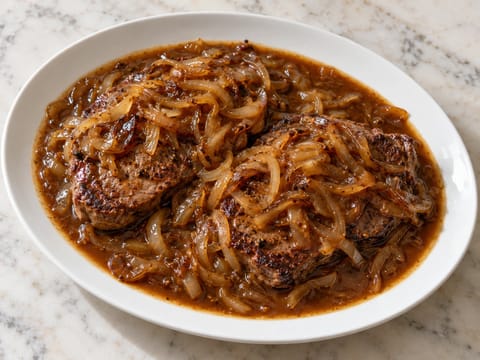
Pan-seared beef steaks with rich onion gravy
In practice, blending usually aims for a smoother, more liquid result, while processing often chops and mixes thicker ingredients. There is overlap, but the tool and the desired texture are the main distinctions.
It is usually too thick, too dry, or too small a batch for the jug. Add liquid gradually, pause to scrape down, or use a smaller container or stick blender.
Cook ingredients until tender, blend long enough for the fibres to break down, and ensure there is enough liquid for good circulation. Some recipes also strain for an extra-silky finish.
Yes. Blending can release bitterness from some ingredients if overdone, and it can also incorporate air, which changes how flavours hit the palate. Heat generated by blending can also slightly alter delicate flavours.
A jug blender is usually better for very smooth textures and crushing ice or fibrous ingredients. A stick blender is excellent for convenience and for stopping at a slightly textured finish.
Avoid filling a jug blender too high, allow steam to vent, and blend in short bursts. Alternatively, use a stick blender directly in the pot to reduce the risk of pressure building under a lid.
Once you decide whether you want smooth, spoonable or deliberately chunky, the rest follows: pick the right tool, add enough liquid for movement, and stop blending as soon as you reach the texture cue. That keeps flavours fresh and results consistent.
