
Polvo à Lagareiro (Octopus with Olive Oil and Potatoes)
Why this recipe works
- Gentle cooking first: Simmering the octopus before roasting makes it tender without relying on a long, dry oven cook.
- Crisp-edged potatoes: Lightly crushing the potatoes creates rough surfaces that catch the olive oil and turn golden in the roasting pan.
- Rich but balanced: Garlic, bay and olive oil give the dish depth, while lemon zest, lemon juice and parsley keep the finish bright.
Get the most out of this recipe
Authenticity notes
- Lagareiro style: The generous olive oil is central to the dish, acting as both cooking medium and sauce rather than just a garnish.
- Potatoes are part of the identity: Crushed potatoes are the natural partner here, soaking up the garlicky oil around the octopus.
Texture tips
- Keep the simmer gentle: A steady, gentle simmer helps the octopus soften evenly; a hard boil can tighten the flesh.
- Drain the potatoes well: Let excess water steam off before roasting so the split edges can crisp rather than turn soft.
- Roast for colour, not tenderness: Once the octopus is tender from simmering, the oven stage is mainly for bronzing and flavour.
Ingredient notes
- Choose good olive oil: Extra virgin olive oil forms much of the sauce, so use one with a flavour you enjoy.
- Potato texture: Yukon Gold potatoes give creamy centres and crispable edges; new potatoes will stay a little firmer.
- Finish with lemon: Add the citrus at the end so it cuts through the richness without losing its fresh edge.
Make-ahead tips
- Cook the octopus in advance: The octopus can be simmered until tender, cooled quickly and chilled covered before the final roast.
- Best finished to order: Roast the potatoes and octopus close to serving so the potatoes keep their golden edges.
- Reheat gently: Warm leftovers in a 200°C (390°F) oven with a small drizzle of olive oil until piping hot, taking care not to overcook the octopus.
Equipment you'll need
Ingredients
Instructions
- Put the octopus in a large pot and add the bay leaves. Cover with cold water and bring to a gentle simmer, then cook for 50 to 70 minutes until a knife slides into the thickest part of a tentacle with little resistance. Lift out the octopus and let it cool until you can handle it; keep 250 ml of the cooking liquid.
- Meanwhile, heat the oven to 220°C (430°F). Put the potatoes in the same pot, add the reserved octopus liquid and top up with water just to cover; add 1 tsp of the fine sea salt. Simmer for 15 to 20 minutes until just tender, then drain well.
- Tip the potatoes into a roasting pan and lightly crush each one with the base of a ladle or a potato masher so they split but still hold together. Add the garlic cloves and drizzle over about two thirds of the olive oil, then season with the remaining salt and the black pepper. Roast for 15 minutes to start crisping the edges.
- Cut the octopus into large pieces, keeping the tentacles as intact as possible. Add it to the roasting pan, turning to coat in the hot oil and garlic. Roast for 15 to 20 minutes, basting once, until the octopus is lightly bronzed and the potatoes are golden.
- Finely chop the fresh parsley and zest the lemon, then cut the lemon into wedges. Drizzle over the remaining olive oil, scatter with the parsley and lemon zest, and serve straight away with lemon wedges for squeezing. Taste and adjust seasoning with a pinch more fine sea salt if needed.
Recipe notes
Tips
- Keep the simmer gentle when cooking the octopus; a hard boil can make the flesh tighten and turn chewy.
- If your octopus is very large, allow a little longer at the simmering stage and check tenderness every 10 minutes after the first hour.
- Food safety: if serving to pregnant people, young children, older adults, or anyone immunocompromised, make sure the octopus is cooked until fully tender and piping hot throughout.
Substitutions
- Replace Yukon Gold potato with new-potatoes for a slightly firmer, waxier texture.
- Replace fresh parsley with fresh-coriander for a different herbal finish.
- Replace lemon with lime for a sharper citrus note.
Storage
- Refrigerate up to 2 days
- Cool leftovers quickly, cover and refrigerate. Reheat in a 200°C (390°F) oven with a small drizzle of extra virgin olive oil for 10 to 15 minutes until piping hot; avoid overcooking the octopus.
Ratings & reviews
Liked this recipe? Share your feedback to support our cooking community.
Tried this recipe?
Choose 1–5 stars. A comment is optional.
Stay inspired
Discover new recipes, seasonal favourites and cooking inspiration every day. Follow JustRecipes on Pinterest and Spillt.
Recipe overview
- Servings: 4 servings
- Total time: 2h (25min active)
- Difficulty: Medium
- Cuisine: Portuguese
-
Allergens:
Molluscs
Plan your meals and get a complete grocery list automatically.
Add to meal plannerEquipment you'll need
Got ingredients left?
Find recipes using ingredients from this recipe or what you already have at home.
Find recipes with these ingredients →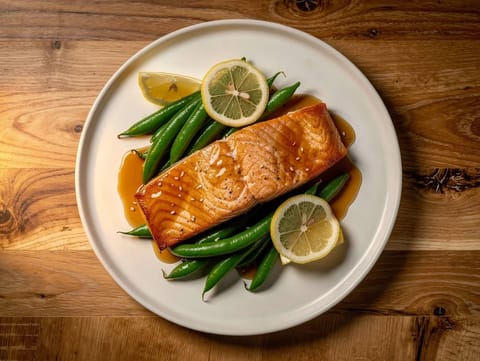
Honey Garlic Salmon with Green Beans
Glazed salmon with green beans
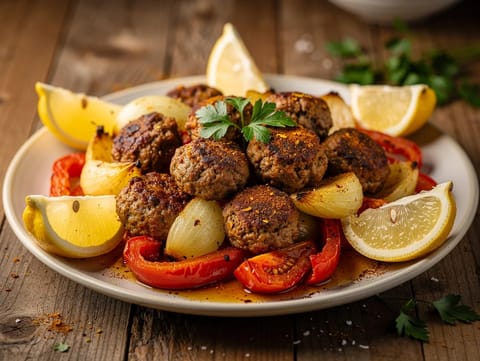
Turkish Spiced Lamb Meatball Traybake with Peppers and Tomatoes
Lamb meatball traybake with peppers, tomatoes, cumin and paprika

Gochujang Roasted Chicken Traybake
Gochujang chicken traybake with sweet potato, broccoli and sesame

Sheet-Pan Sausage with Peppers and Onions
Roasted Italian sausage with peppers and onions on one tray
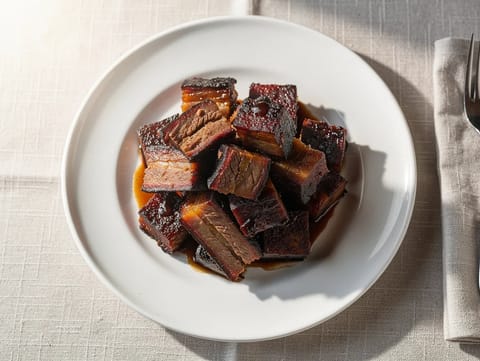
Kansas City Style BBQ Burnt Ends
Sticky Kansas City BBQ burnt ends made from brisket point
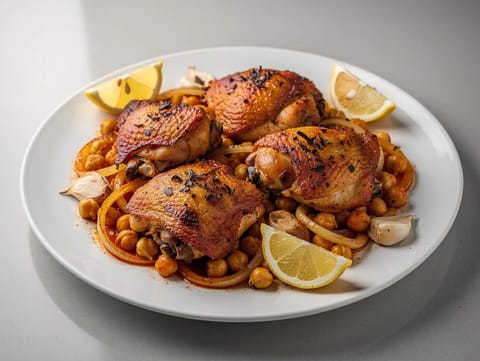
Harissa Roasted Chicken Thighs with Chickpeas
Harissa roasted chicken thighs with chickpeas
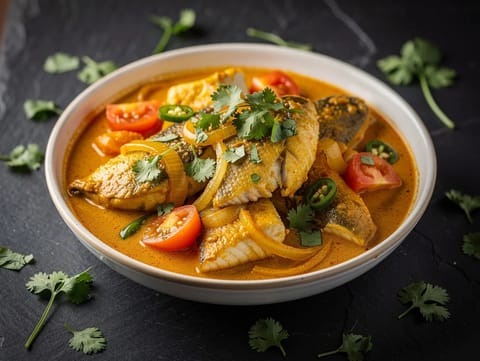
Goan Fish Curry with Coconut and Tamarind
Goan fish curry with coconut milk and tamarind
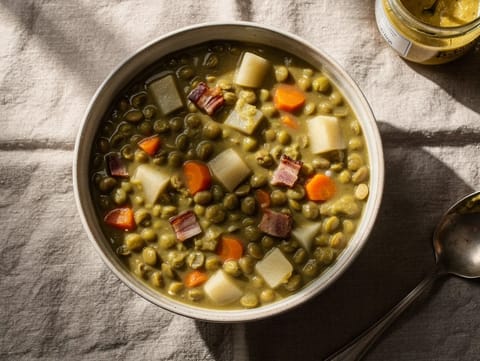
Erbsensuppe (Split Pea Soup with Smoked Bacon)
German split pea soup with smoked bacon, vegetables and marjoram
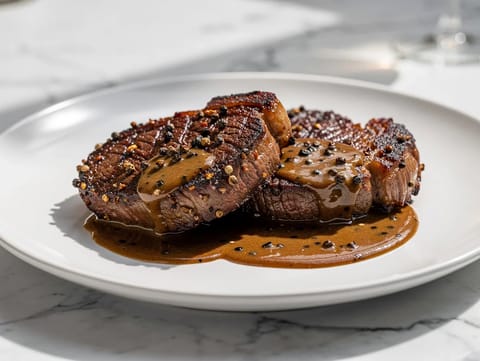
Steak au Poivre (Pepper-Crusted Steak with Brandy Cream Sauce)
Pepper-crusted steak with a brandy and cream pan sauce

Carne Asada with Grilled Nopales
Grilled skirt steak and nopales served in corn tortillas
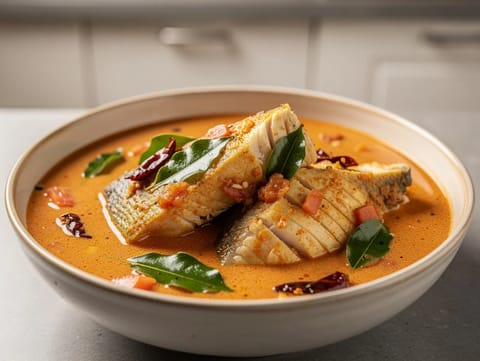
Goan Fish Curry (Xitti Kodi)
Goan coconut fish curry with tamarind and curry leaves
Côtelettes d’Agneau Persillées (Herb-Crusted Lamb Cutlets)
Crisp herb-crusted lamb cutlets finished with lemon
Polvo à Lagareiro Tradicional (Roasted Octopus with Olive Oil)
Roasted octopus with garlic olive oil and smashed roast potatoes
Polvo à Lagareiro (Roasted Octopus with Potatoes and Garlic)
Roasted octopus with potatoes, garlic, bay and olive oil
Insalata di Polpo (Octopus Salad with Potatoes and Olives)
Octopus salad with potatoes, olives, capers and lemon dressing
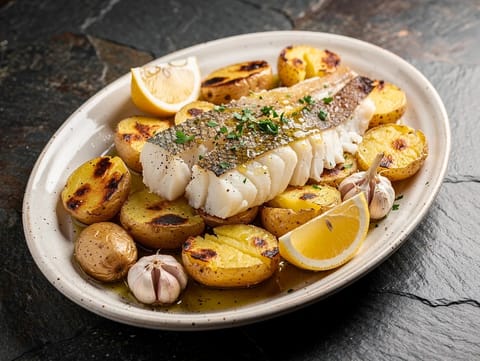
Bacalhau à Lagareiro (Roasted Salt Cod with Garlic and Olive Oil)
Roasted salt cod with garlic, olive oil and potatoes
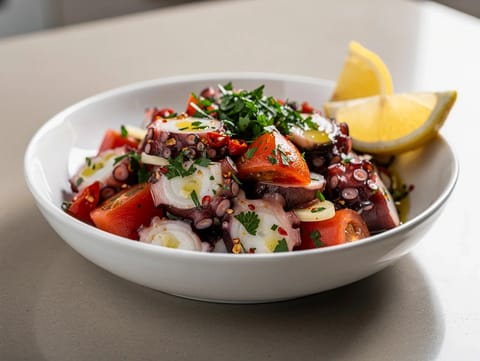
Insalata di Polpo alla Luciana (Luciana-Style Octopus Salad)
Tender octopus salad with tomatoes, garlic, chilli and parsley
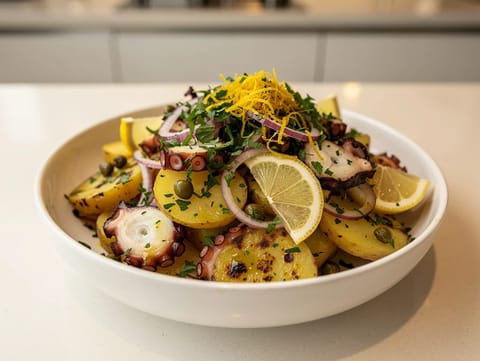
Insalata di Polpo e Patate (Octopus and Potato Salad)
Octopus and potato salad with lemon and capers
You might also like
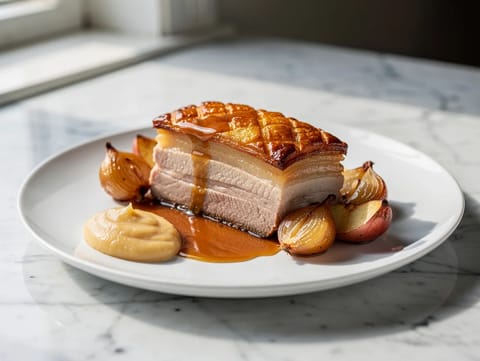
Pork Belly with Cider Gravy and Apple Sauce
Roast pork belly with cider gravy and Bramley apple sauce
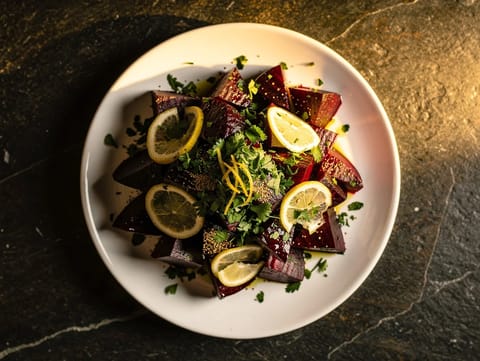
Moroccan Beetroot Salad with Cumin, Lemon and Olive Oil
Beetroot salad with lemon, cumin and fresh parsley
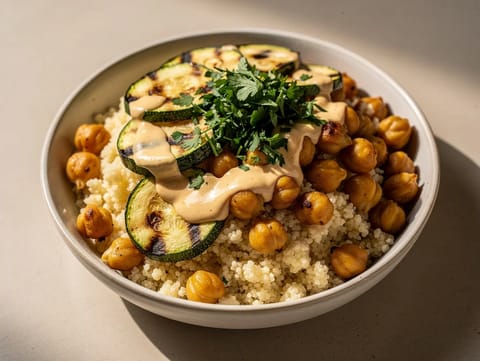
Moroccan-Style Cauliflower Couscous Bowl with Chickpeas and Tahini
Cauliflower couscous bowl with chickpeas, courgette and tahini dressing

Beef Kofta Kebabs
Beef kofta kebabs with onion, garlic, parsley and spices
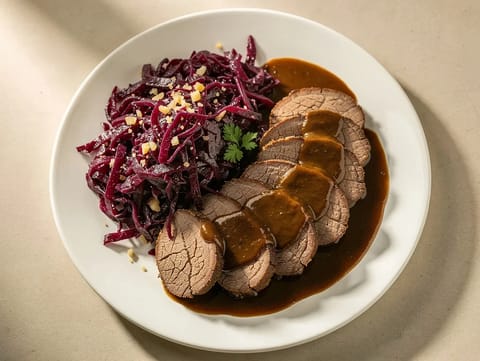
Rheinischer Sauerbraten (German Pot Roast with Red Cabbage)
German pot roast in red wine vinegar with apple red cabbage

Moroccan Spiced Sweet Potato Bowl
Roasted sweet potato bowl with couscous, chickpeas and yoghurt
Make this recipe easier next time
AdvertisementThese tools help you get better results with less effort.
Misen 8-Inch Chef Knife
- AUS-10 steel
- Balanced design
- Less traditional feel
Titanium & PP Double-Sided Cutting Board
- Separate surfaces for meat and produce
- Resists odors and stains
- Harder on knife edges than wood or plastic
WÜSTHOF Classic 8-Inch Chef's Knife
- Excellent build quality
- Reliable edge retention
- Expensive
OXO Good Grips 2-Piece Cutting Board Set
- Two useful sizes with reversible cutting surfaces
- Dishwasher safe and easy to clean
- Plastic surfaces will show knife marks over time
Enjoy cooking with JustRecipes?
Add JustRecipes as one of your preferred Google sources to discover our recipes more easily across Google Search.
Add JustRecipes to GoogleEvery recipe on JustRecipes follows the same structured editorial process. Learn how recipes are created, validated, translated, illustrated, and continuously improved across the platform. How we create recipes.
