
Rheinischer Sauerbraten (German Pot Roast with Red Cabbage)
Why this recipe works
- Long marination: The vinegar, wine and aromatics season the beef deeply before it is slowly braised until tender.
- Sweet-sour balance: Tart marinade, savoury beef stock, apple red cabbage and gingerbread spice create the characteristic rounded acidity of Sauerbraten.
- Built-in side dish: Silky red cabbage cooked with apple turns the roast and gravy into a complete, hearty dinner.
Get the most out of this recipe
Timing notes
- Plan for the marinade: The 24-hour marinating time is part of the flavour structure, not just prep time, so start the day before serving.
- Mostly hands-off cooking: Active work is relatively brief, but the dish needs a long, gentle braise and a separate simmer for the cabbage.
- Rest before slicing: Letting the beef rest briefly helps the slices hold together and keeps the meat juicier at the table.
Authenticity notes
- Rhenish character: Rheinischer Sauerbraten is known for its sweet-sour profile, with gingerbread-style spice adding warmth and body to the gravy.
- Red cabbage on the side: Apple-braised red cabbage is a classic partner for German pot roasts because its acidity cuts through the rich sauce.
- Served as a sliced roast: The beef is braised whole, then sliced and served with sauce rather than shredded or carved like a dry roast.
Make-ahead tips
- Keep components separate: Store the beef, sauce and red cabbage in separate airtight containers so the textures and flavours stay distinct.
- Reheat gently: Warm the sliced beef in the sauce over a low heat until piping hot, adding a little stock if the gravy has thickened too much.
- Freezes well: Cool fully before freezing, then defrost overnight in the fridge and reheat gently in the sauce.
Common mistakes
- Boiling the braise: A hard boil can tighten the beef and make the sauce cloudy; keep the liquid at a bare simmer.
- Thickening too early: Reduce the braising liquid first, then add the gingerbread spice so the sauce turns glossy rather than heavy.
- Slicing without resting: Cutting the beef straight from the pot can make it seem drier; rest it briefly before slicing across the grain.
Equipment you'll need
Ingredients
Marinade and beef
Red cabbage
To finish
Instructions
- Make the marinade: slice the onion and carrots, then combine them in a large non-reactive bowl with the red wine vinegar, red wine, juniper berries, black peppercorns and bay leaves. Add the beef and turn to coat. Cover and chill for 24 hours, turning the beef once or twice if you remember.
- Lift the beef from the marinade and pat it dry; strain the marinade, reserving both the liquid and the vegetables. Put the reserved vegetables into a dutch oven, set the beef on top, then pour over the reserved marinade liquid and the beef stock. Bring to a gentle simmer, cover, and cook on a very low heat for 2.5 to 3 hours, turning the beef once, until very tender.
- While the beef braises, prepare the red cabbage: thinly slice the cabbage and peel and core the apple, then grate it. Put the cabbage and apple into a large pot with a ladleful of the braising liquid from the beef, cover, and simmer gently for 45 to 60 minutes until silky-tender, stirring occasionally. If it looks dry, add another splash of braising liquid.
- Transfer the beef to a board and rest it for 10 to 15 minutes. Skim any excess fat from the surface of the braising liquid, then simmer the liquid uncovered for 10 minutes to concentrate the flavour. Stir in the ground gingerbread spice mix and simmer for 2 to 3 minutes until lightly thickened and glossy.
- Slice the beef and spoon over the sauce. Serve with the apple red cabbage on the side, with extra sauce at the table.
Recipe notes
Tips
- For the best texture, keep the braise at a bare simmer; if it boils hard, the beef can tighten and the sauce can turn cloudy.
- If serving vulnerable groups, use pasteurised wine-based vinegar and ensure the beef is cooked until piping hot throughout before serving.
Substitutions
- Replace Red wine with dry white wine for a lighter, slightly sharper sauce.
- Replace Apple with pear for a softer, sweeter edge in the red cabbage.
Storage
- Refrigerate up to 3 days
- Cool the beef, sauce and red cabbage quickly, then refrigerate in separate airtight containers. Reheat the beef in the sauce over a low heat until piping hot; add a splash of beef stock if the sauce thickens too much. Freeze for up to 2 months and defrost overnight in the fridge before reheating.
Ratings & reviews
Liked this recipe? Share your feedback to support our cooking community.
Tried this recipe?
Choose 1–5 stars. A comment is optional.
Stay inspired
Discover new recipes, seasonal favourites and cooking inspiration every day. Follow JustRecipes on Pinterest and Spillt.

Recipe overview
- Servings: 4 servings
- Total time: 28h 30min (55min active)
- Difficulty: Medium
- Cuisine: German
Plan your meals and get a complete grocery list automatically.
Add to meal plannerEquipment you'll need
Got ingredients left?
Find recipes using ingredients from this recipe or what you already have at home.
Find recipes with these ingredients →
Oven-Baked Pork Ribs with Mojo Picón
Oven-baked pork ribs served with mojo picón sauce

Kalkoenrollade Kerst (Dutch Christmas Turkey Roll)
Turkey roll with herby breadcrumb stuffing and light gravy
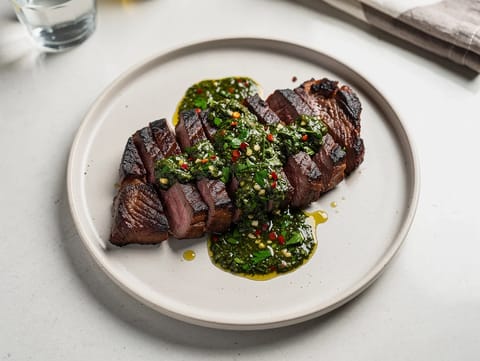
Churrasco with Chimichurri (Grilled Beef Steak)
Grilled beef steak served with herby chimichurri sauce
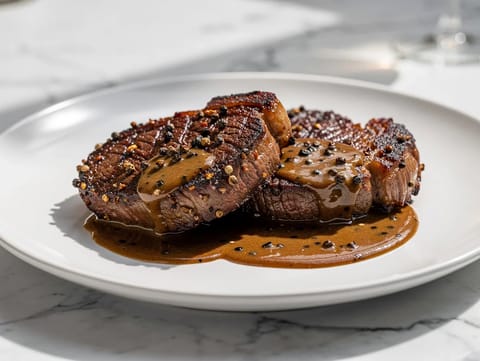
Steak au Poivre (Pepper-Crusted Steak with Brandy Cream Sauce)
Pepper-crusted steak with a brandy and cream pan sauce
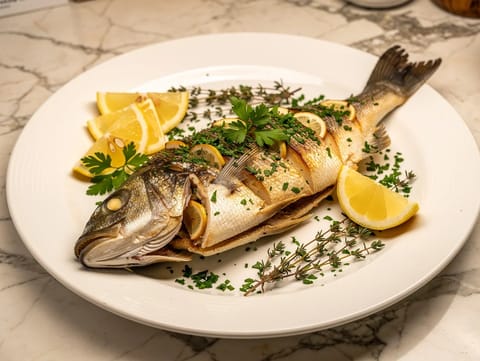
Branzino al Forno con Erbe e Limone (Whole Baked Sea Bass with Herbs and Lemon)
Whole baked sea bass with lemon, garlic and herbs
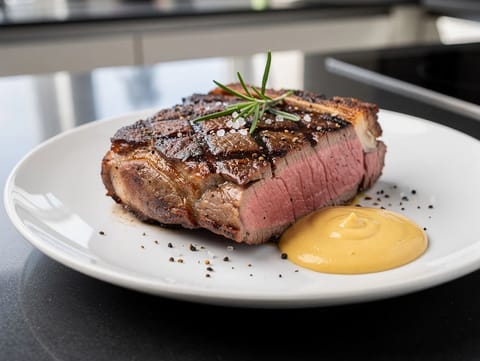
Côte de Bœuf with Béarnaise Sauce
Côte de bœuf served with warm tarragon béarnaise
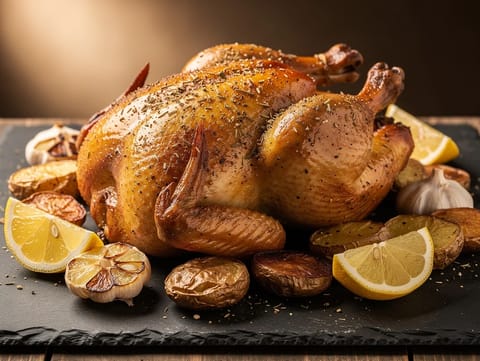
Poulet Rôti aux Herbes de Provence (Herb Roast Chicken)
Roast chicken with Herbes de Provence, lemon and pan potatoes

Falscher Hase (German Stuffed Meatloaf with Eggs)
German stuffed meatloaf baked with hard-boiled eggs inside
Oven-Baked Pork Ribs with Mojo Picón
Oven-baked pork ribs served with mojo picón sauce

Chicken Tikka Masala with Basmati Rice
Chicken tikka masala in a creamy tomato sauce with basmati rice
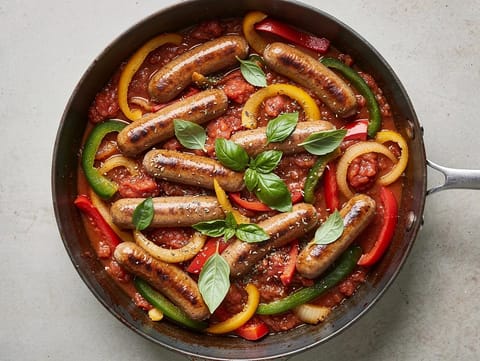
Sausage and Peppers
Pork sausages simmered with peppers, onions, tomatoes and basil

Choucroute Garnie (Alsatian Braised Sauerkraut with Pork and Sausages)
Braised sauerkraut with pork belly, sausages, potatoes and mustard
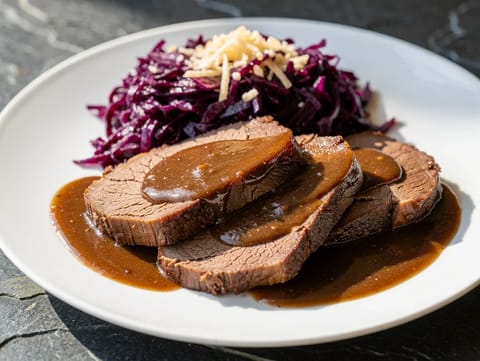
Rheinischer Sauerbraten with Rotkohl (Sweet-Sour Red Cabbage)
Sauerbraten beef served with sweet-sour rotkohl
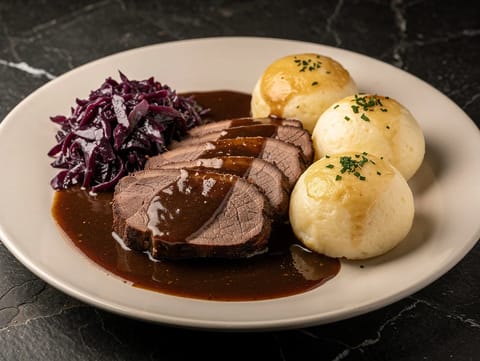
Rheinischer Sauerbraten with Red Cabbage and Potato Dumplings
Marinated beef pot roast with red cabbage and potato dumplings
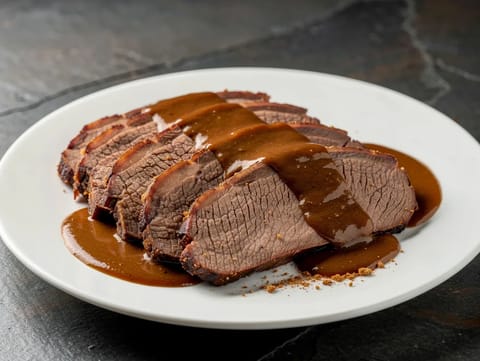
Sauerbraten with Gingersnap Gravy
Marinated beef pot roast with tangy gingersnap gravy
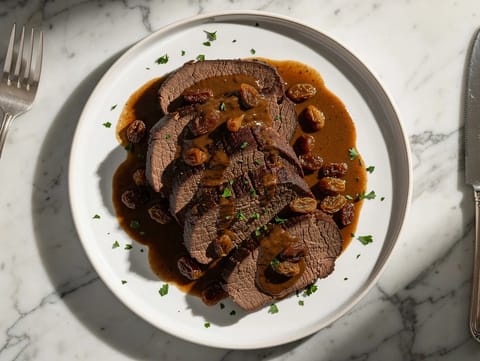
Rheinischer Sauerbraten with Raisins and Gingersnap Gravy
Sauerbraten beef with raisin and gingersnap gravy
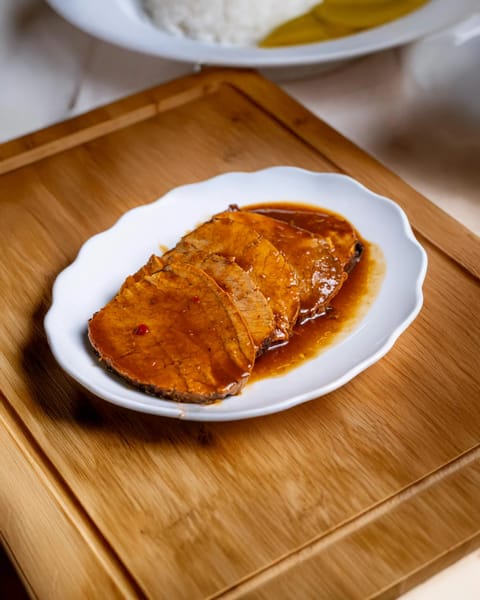
Sauerbraten (German Pot Roast with Tangy Gravy)
German pot roast with tangy gravy thickened with gingersnaps
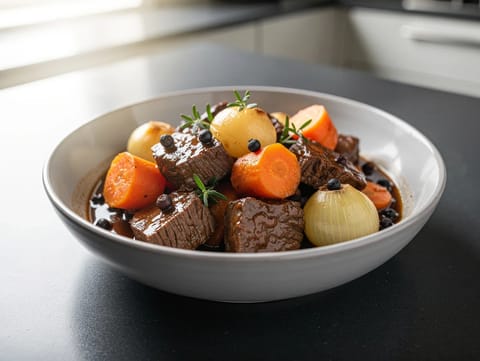
Venison Casserole with Juniper and Root Vegetables
Slow-braised venison with juniper and root vegetables
You might also like
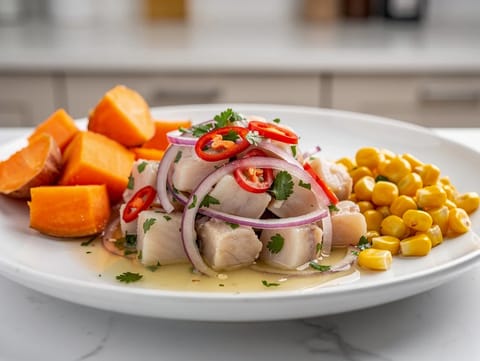
Ceviche de Corvina (Peruvian Sea Bass Ceviche)
Sea bass ceviche cured in lime with onion, chilli and coriander
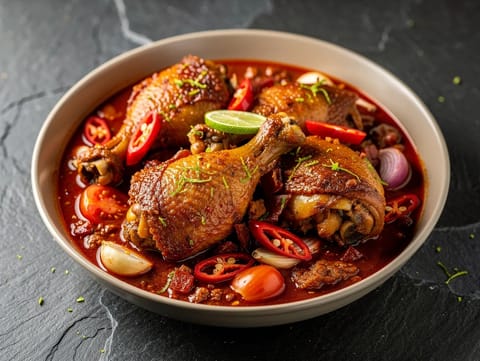
Ayam Rica-Rica (Manado-Style Spicy Chicken)
Manado-style spicy chicken simmered with chilli, tomato and lime
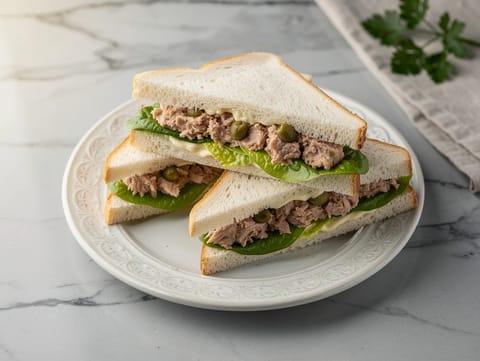
Tramezzini (Italian Crustless Sandwiches) with Tuna
Crustless tuna sandwiches with mayonnaise, capers and lettuce
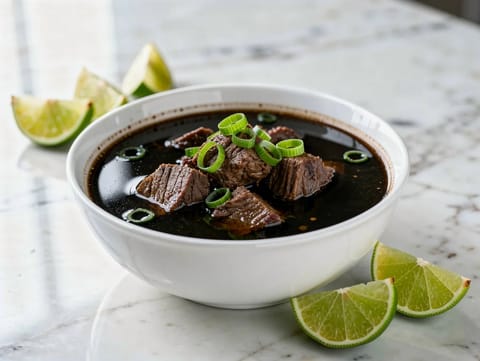
Rawon (East Javanese Black Beef Soup)
Black beef soup flavoured with keluak

Prawn Marie Rose Sandwich
Prawn sandwich with Marie Rose sauce and crisp lettuce

Chicken Tikka with Green Chutney
Grilled chicken tikka with coriander and mint chutney
Make this recipe easier next time
AdvertisementThese tools help you get better results with less effort.
Misen 8-Inch Chef Knife
- AUS-10 steel
- Balanced design
- Less traditional feel
Titanium & PP Double-Sided Cutting Board
- Separate surfaces for meat and produce
- Resists odors and stains
- Harder on knife edges than wood or plastic
WÜSTHOF Classic 8-Inch Chef's Knife
- Excellent build quality
- Reliable edge retention
- Expensive
OXO Good Grips 2-Piece Cutting Board Set
- Two useful sizes with reversible cutting surfaces
- Dishwasher safe and easy to clean
- Plastic surfaces will show knife marks over time
Enjoy cooking with JustRecipes?
Add JustRecipes as one of your preferred Google sources to discover our recipes more easily across Google Search.
Add JustRecipes to GoogleEvery recipe on JustRecipes follows the same structured editorial process. Learn how recipes are created, validated, translated, illustrated, and continuously improved across the platform. How we create recipes.
