
Lasagne Verdi alla Bolognese (Spinach Pasta Lasagne with Ragù)
Why this recipe works
- Deep ragù flavour: A slow, gentle simmer concentrates the meat, wine and tomato into a thick sauce that holds its place between the pasta layers.
- Creamy, defined layers: Béchamel softens the pasta and binds the ragù without making the finished lasagne overly loose.
- Useful for planning ahead: The assembled or baked lasagne can be prepared in advance, and the flavour remains rich after chilling and reheating.
Get the most out of this recipe
Authenticity notes
- Bolognese style: This style of lasagne is built around ragù, béchamel and Parmesan rather than ricotta-heavy or tomato-forward layers.
- Spinach pasta: The green pasta sheets are a defining feature of lasagne verdi, adding colour and a subtle earthy note.
- Structured layering: A thick ragù and pourable béchamel help create clean, distinct layers once the dish has rested.
Timing notes
- Most of the time is hands-off: The active work is mainly chopping, browning and assembling; the ragù simmer and oven bake make up most of the total time.
- Rest before slicing: Letting the lasagne stand for 10 to 15 minutes allows the sauce and pasta to settle, giving neater portions.
Common mistakes
- Using a loose ragù: If the ragù is too wet, the layers can slide apart. Simmer until it is thick, glossy and spoonable rather than runny.
- Overcooking the pasta: Cook the sheets only until just flexible, as they continue softening in the oven with the sauce.
- Slicing too soon: Cutting straight from the oven makes the layers slump. A short rest gives a cleaner, more structured slice.
Make-ahead tips
- Assemble in advance: The lasagne can be assembled ahead and refrigerated before baking; allow a little extra oven time if baking from chilled.
- Freeze baked portions: Cool completely, wrap well and freeze for up to 2 months, then defrost overnight in the fridge before reheating.
- Reheat gently: Reheat covered portions in a 180°C (355°F) oven until piping hot throughout, uncovering near the end if the top needs refreshing.
Equipment you'll need
Ingredients
Ragù
To assemble
Instructions
- Heat the olive oil and butter in a large casserole over medium heat. Finely chop the onion, carrot and celery, then cook them with a pinch of salt for 10 to 12 minutes until soft and sweet, without colouring.
- Add the minced beef and minced pork and turn the heat up to medium-high. Cook for 8 to 10 minutes, breaking it up and stirring, until the meat has lost its raw colour and any liquid has evaporated.
- Pour in the white wine and scrape up any browned bits from the base. Simmer for 3 to 5 minutes until the wine has reduced by about half.
- Stir in the tomato passata and bring to a gentle simmer. Cover slightly and cook on low for 75 to 90 minutes, stirring occasionally, until thick and rich; if it looks dry at any point, add a splash of water.
- Heat the oven to 190°C (375°F). Warm the béchamel sauce gently in a saucepan over low heat, whisking until smooth and pourable.
- Bring a large pot of well-salted water to the boil and cook the lasagna noodles until just flexible, following the packet timing. Drain well and lay them out so they do not stick together.
- Spread a thin layer of béchamel over the base of a baking dish, then add a layer of noodles. Spoon over a third of the ragù, drizzle with béchamel, and sprinkle with a little parmesan; repeat for 2 more layers, finishing with béchamel and the remaining parmesan.
- Bake for 30 to 35 minutes until bubbling at the edges and golden on top. Rest for 10 to 15 minutes before slicing so the layers set neatly.
Recipe notes
Tips
- For the best texture, keep the ragù at a gentle simmer so it reduces slowly and becomes thick enough to hold its shape between the layers.
- If the top browns before the centre is piping hot, loosely cover the dish with foil for the last 10 minutes of baking.
- If serving vulnerable groups, ensure the lasagne is piping hot throughout before serving.
Substitutions
- Replace Dry White Wine with the same amount of water for an alcohol-free ragù.
- Replace Parmesan with Pecorino Romano cheese for a sharper, saltier finish.
- Replace Extra virgin olive oil with Light olive oil for a milder flavour.
Storage
- Refrigerate up to 3 days
- Cool completely, then cover and refrigerate. Reheat portions in a 180°C (355°F) oven until piping hot; freeze tightly wrapped for up to 2 months and defrost overnight in the fridge before reheating.
Ratings & reviews
Liked this recipe? Share your feedback to support our cooking community.
Tried this recipe?
Choose 1–5 stars. A comment is optional.
Stay inspired
Discover new recipes, seasonal favourites and cooking inspiration every day. Follow JustRecipes on Pinterest and Spillt.
Recipe overview
- Servings: 4 servings
- Total time: 2h 45min (45min active)
- Difficulty: Advanced
- Cuisine: Italian
-
Allergens:
Gluten Milk Wheat
Plan your meals and get a complete grocery list automatically.
Add to meal plannerEquipment you'll need
Got ingredients left?
Find recipes using ingredients from this recipe or what you already have at home.
Find recipes with these ingredients →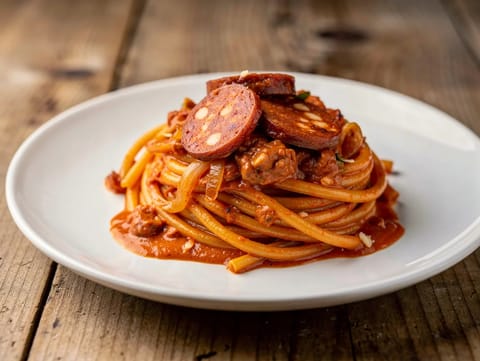
Chorizo Pasta with Smoky Tomato Cream Sauce
Chorizo pasta in smoky tomato cream sauce with Manchego

Baked Macaroni Cheese with Cheddar, Gruyère and Breadcrumbs
Baked macaroni cheese with Cheddar, Gruyère and breadcrumbs
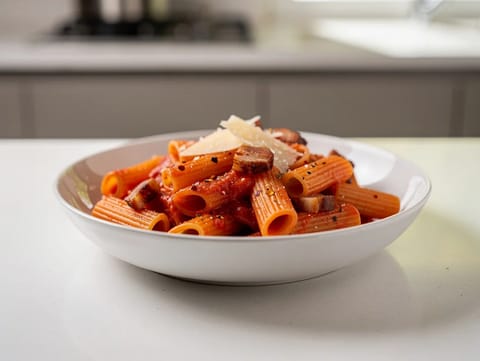
Rigatoni all’Amatriciana (Rigatoni with Guanciale and Tomato)
Rigatoni with guanciale, tomato sauce and Pecorino Romano
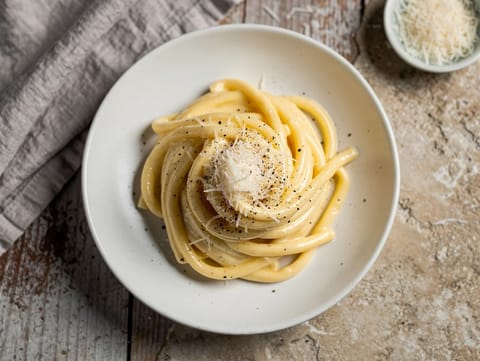
Cacio e Uova (Neapolitan Egg and Cheese Pasta)
Neapolitan pasta with egg, pecorino Romano and black pepper
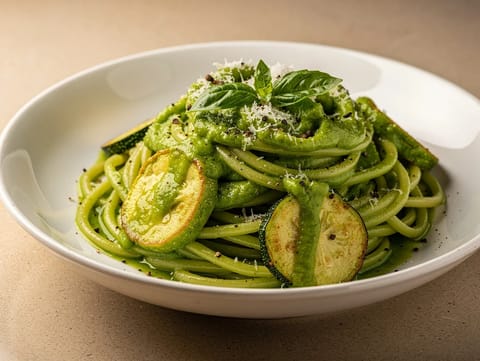
Pasta alla Nerano Verde (Spaghetti with Courgette, Basil and Parmigiano)
Spaghetti in a smooth courgette, basil and Parmigiano sauce
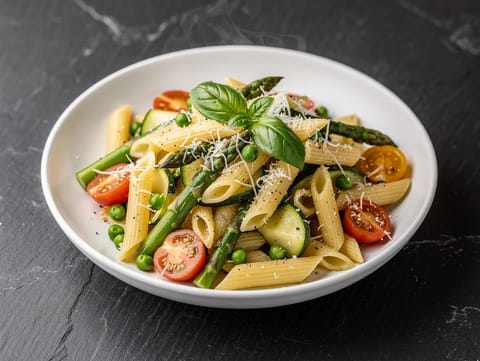
Vegetarian Pasta Primavera
Pasta primavera with spring vegetables, lemon and Parmesan
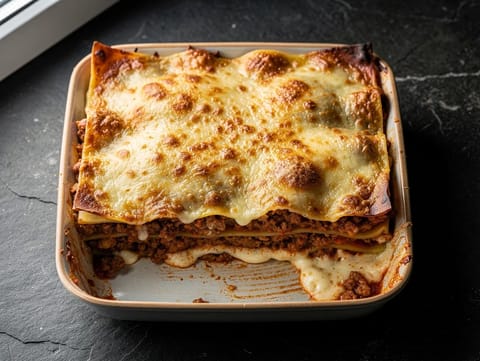
Lasagne al Forno (Baked Lasagne with Beef Ragù and Béchamel)
Baked lasagne layered with beef ragù and béchamel
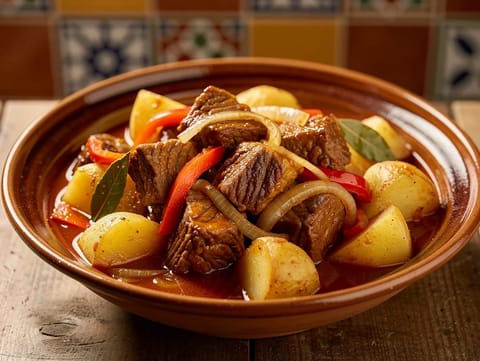
Carne Guisada Española (Spanish Beef Stew)
Spanish beef stew with red wine, peppers and paprika
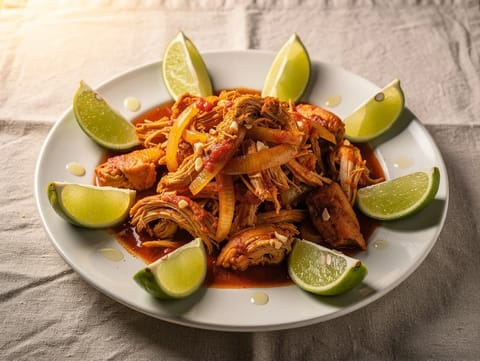
Tinga de Pollo con Chipotle (Shredded Chicken in Chipotle Sauce)
Shredded chicken in smoky chipotle tomato sauce for tortillas
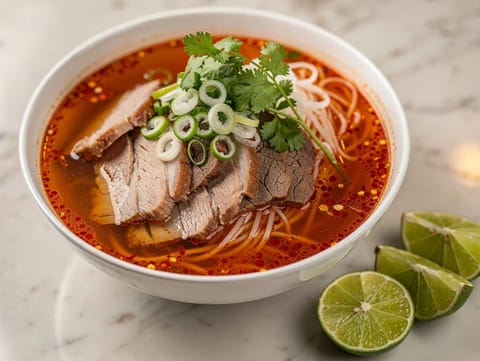
Tết Bún Bò Huế (Spicy Vietnamese Noodle Soup)
Spicy lemongrass beef noodle soup with beef and pork
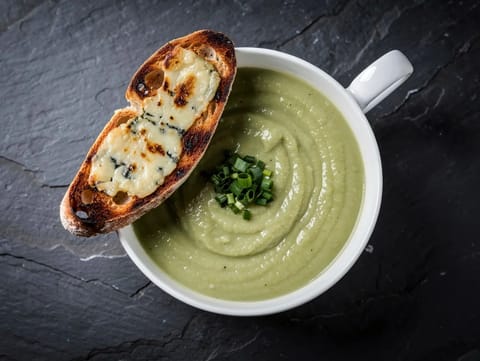
Leek and Potato Soup with Stilton Toast
Smooth leek and potato soup with Stilton toast
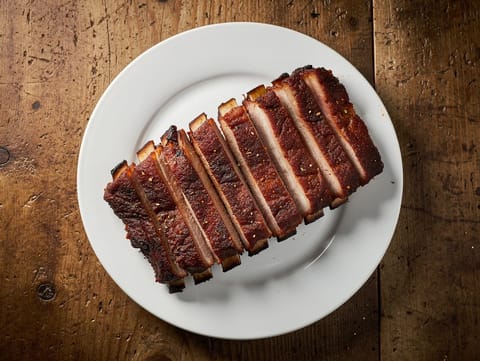
Memphis Dry-Rub Spare Ribs
Slow-roasted spare ribs with a paprika and brown sugar crust
Lasagne al Forno (Baked Lasagne with Beef Ragù and Béchamel)
Baked lasagne layered with beef ragù and béchamel
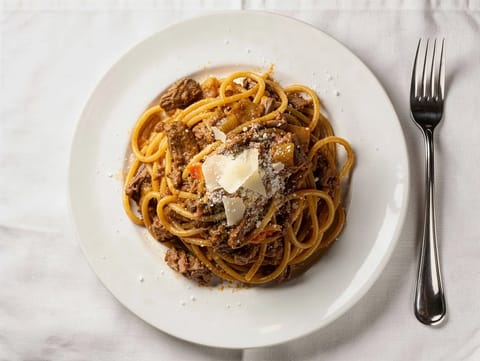
Pasta alla Genovese (Onion-Braised Beef Pasta)
Spaghetti with onion-braised beef sauce and Parmesan
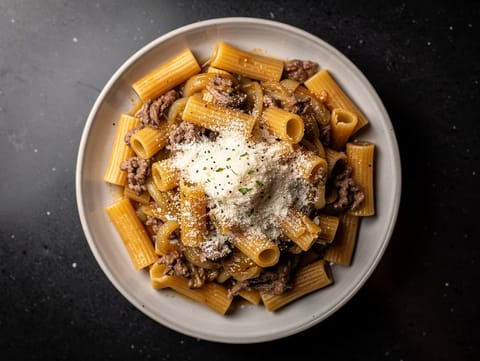
Pasta alla Genovese Campana (Slow-Cooked Onion and Beef Pasta)
Rigatoni with slow-cooked onions, beef and Parmesan
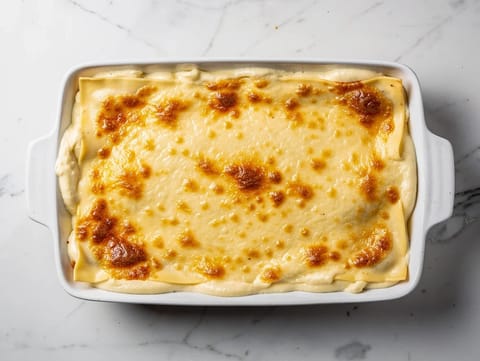
Lasagna Bianca delle Feste (White Lasagne with Pork and Porcini)
White lasagne with béchamel, minced pork and porcini mushrooms
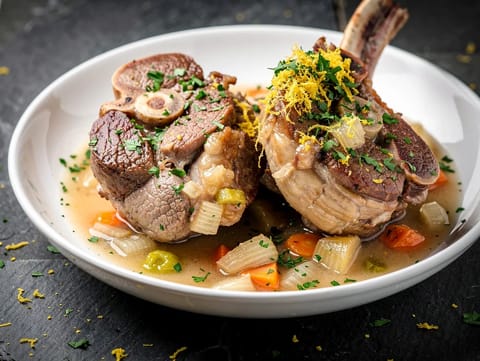
Ossobuco Bianco (White Braised Veal Shanks)
White-braised veal shanks finished with parsley and lemon zest gremolata
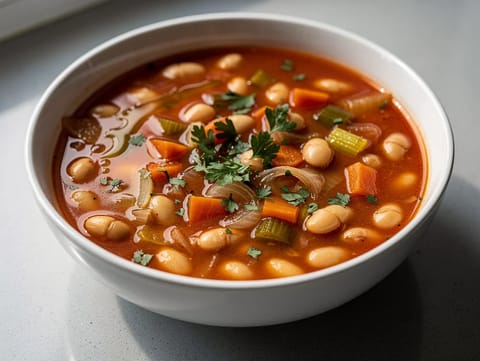
Fasolada (Greek White Bean and Tomato Soup)
Greek white bean and tomato soup with herbs
You might also like
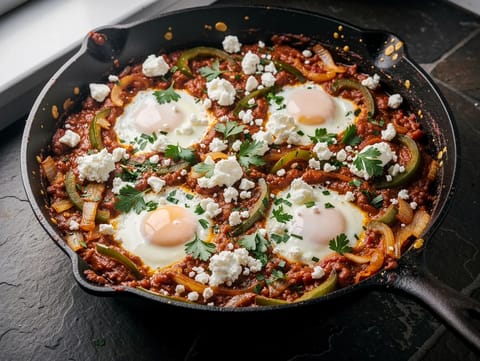
Modern Menemen Shakshuka (Baked Eggs with Spiced Tomatoes)
Baked eggs in spiced tomatoes with peppers and feta

Oven-Baked Cauliflower with Garlic, Paprika and Breadcrumbs
Oven-baked cauliflower with garlic, paprika and breadcrumbs

Amandelkrans (Almond Wreath Pastry)
Buttery almond wreath pastry with flaked almonds and icing glaze
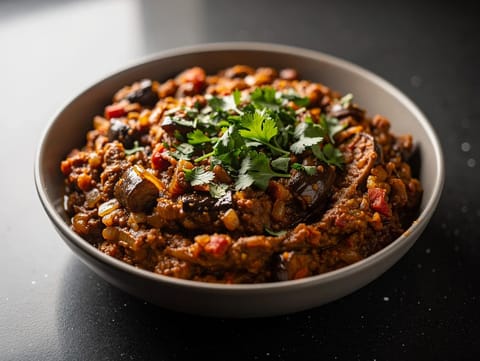
Baingan Bharta (Smoky Mashed Aubergine)
Smoky roasted aubergine mashed with tomatoes, spices and coriander
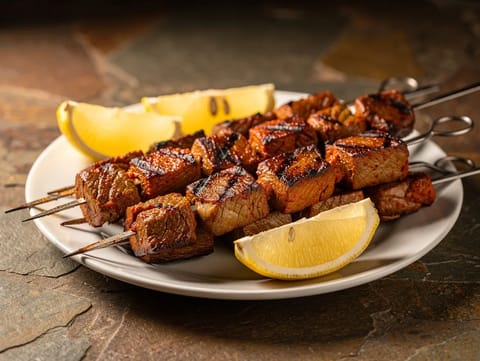
Brochettes (Moroccan Lamb Skewers with Cumin)
Grilled lamb skewers marinated with cumin, garlic and paprika
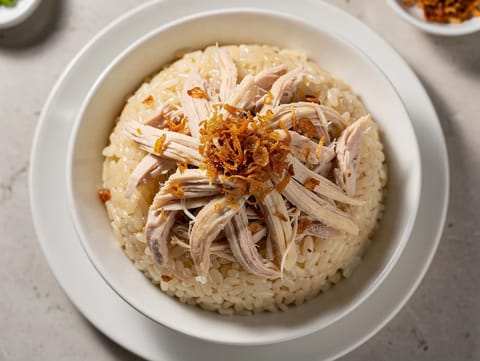
Xoi Ga (Vietnamese Sticky Rice with Chicken)
Sticky rice topped with shredded chicken, ginger and fried shallots
Make this recipe easier next time
AdvertisementThese tools help you get better results with less effort.
WMF Mini Saucepan 16 cm with Lid
- High-quality stainless steel
- Even heat distribution
- Higher price point
T-fal Specialty Nonstick Handy Pot with Glass Lid 3 Quart
- Easy food release
- Dishwasher safe
- Not induction compatible
All-Clad Tri-Ply Stainless Steel Saucepan
- Excellent heat control
- Premium build quality
- Expensive
Enjoy cooking with JustRecipes?
Add JustRecipes as one of your preferred Google sources to discover our recipes more easily across Google Search.
Add JustRecipes to GoogleEvery recipe on JustRecipes follows the same structured editorial process. Learn how recipes are created, validated, translated, illustrated, and continuously improved across the platform. How we create recipes.
