
Pasta e Ceci alla Romana (Roman Chickpea and Pasta Soup)
Why this recipe works
- Simple layered flavour: Garlic, rosemary and tomato passata season the stock before the chickpeas and pasta go in, giving the broth depth without a long cook.
- Naturally creamy body: The pastina releases starch as it simmers, while lightly mashed chickpeas thicken the soup without needing cream.
- One-pot method: Cooking the pasta directly in the broth keeps the process streamlined and helps the soup develop its characteristic thick consistency.
Get the most out of this recipe
Authenticity notes
- Roman-style aromatics: Rosemary, garlic and a restrained tomato base give this version its recognisable Roman character while keeping the chickpeas central.
- Soup or stew texture: Pasta e ceci is often served anywhere from brothy to thick and spoonable; adjust the consistency with stock to suit how you like it.
- Small pasta shapes: Pastina gives a soft, thick finish, while ditalini offers a more defined short-tube texture.
Timing notes
- Mostly hands-off simmering: The active work is brief; most of the time is spent gently simmering the chickpeas and then cooking the pasta in the broth.
- Let it settle: A short rest off the heat allows the starches to relax and the soup to thicken into a more cohesive texture.
- Best texture on the day: The pasta continues to absorb liquid as it sits, so the soup is at its loosest and most balanced soon after cooking.
Common mistakes
- Do not brown the garlic: The garlic should only perfume the oil; if it colours too much, it can make the broth taste bitter.
- Watch the thickness: Small pasta thickens the soup quickly, so loosen it with hot stock if it becomes too dense before the pasta is tender.
- Add pasta after the chickpeas: Let the chickpeas simmer first so they flavour the broth; adding the pasta too early can make it over-soft.
Make-ahead tips
- Reheat gently: Warm leftovers slowly on the hob and add a little vegetable stock to bring the soup back to a spoonable consistency.
- Avoid freezing: This dish is better refrigerated than frozen, as the small pasta can become soft and swollen after thawing.
- Prepare the aromatics: Garlic can be crushed and the rosemary readied in advance so the cooking starts quickly when needed.
Equipment you'll need
Ingredients
Instructions
- Warm the olive oil in a large pot over medium heat. Lightly crush the garlic cloves and add them with the rosemary sprig; cook for 1 to 2 minutes until fragrant, without letting the garlic colour.
- Stir in the tomato passata and cook for 2 to 3 minutes, stirring, until it darkens slightly. Pour in the vegetable stock and bring to a gentle simmer.
- Add the chickpeas and simmer for 15 minutes so the broth takes on their flavour. For a thicker, creamier soup, mash a few chickpeas against the side of the pot with a wooden spoon.
- Remove and discard the rosemary sprig and garlic. Stir in the pastina and simmer, stirring often, until the pasta is tender and the soup has thickened naturally.
- Take the pot off the heat and let the soup stand for 5 minutes to settle and thicken. Finish with the black pepper, then ladle into bowls and serve hot.
Recipe notes
Tips
- Stir frequently once the pastina goes in, as small pasta can catch on the base of the pot as the soup thickens.
- If the soup becomes too thick before the pasta is tender, loosen it with a splash of hot vegetable stock and continue simmering.
- For the best flavour, add the black pepper at the end so it stays aromatic.
Substitutions
- Replace Pastina with ditalini for a more traditional short-tube pasta texture.
- Replace Fresh rosemary with fresh thyme for a softer, less piney herbal note.
Storage
- Refrigerate up to 3 days
- Cool completely, then refrigerate in a sealed container. The pasta will continue to absorb liquid, so loosen with a little vegetable stock when reheating and warm gently on the hob until piping hot.
Ratings & reviews
Liked this recipe? Share your feedback to support our cooking community.
Tried this recipe?
Choose 1–5 stars. A comment is optional.
Stay inspired
Discover new recipes, seasonal favourites and cooking inspiration every day. Follow JustRecipes on Pinterest and Spillt.
Recipe overview
- Servings: 2 bowls
- Total time: 45min (15min active)
- Difficulty: Easy
- Cuisine: Italian
Plan your meals and get a complete grocery list automatically.
Add to meal plannerEquipment you'll need
Got ingredients left?
Find recipes using ingredients from this recipe or what you already have at home.
Find recipes with these ingredients →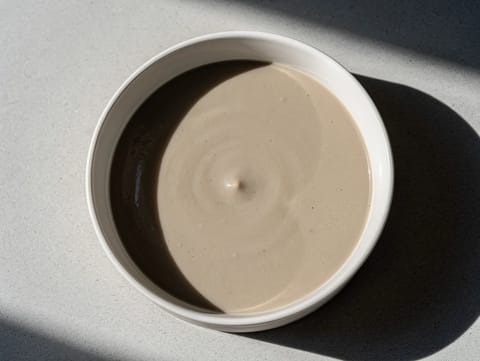
Velouté de Champignons (Creamy French Mushroom Soup)
Blended mushroom soup finished with double cream
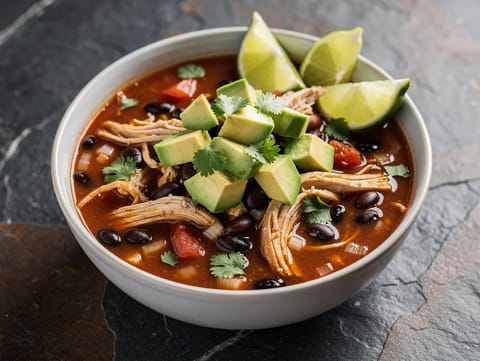
Modern Tortilla Soup with Chipotle, Chicken and Avocado
Chipotle chicken soup topped with tortilla strips and avocado
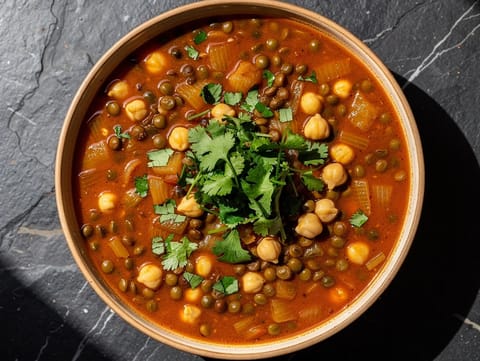
Harira (Moroccan Lentil and Chickpea Soup)
Moroccan lentil and chickpea soup with tomatoes and coriander
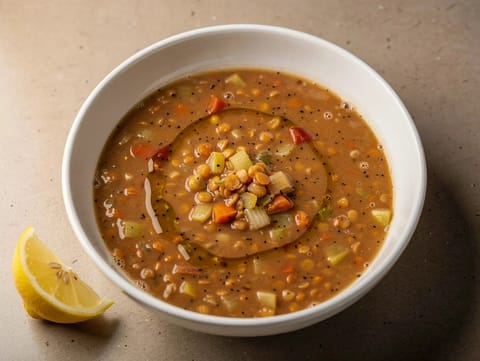
Ramadan Lentil Soup with Cumin and Lemon
Smooth red lentil soup with cumin and lemon
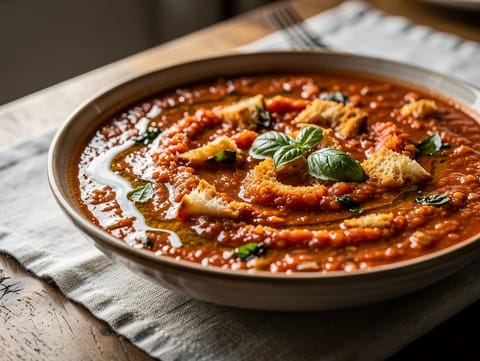
Pappa al Pomodoro (Tuscan Tomato and Bread Soup)
Tuscan tomato and bread soup finished with fresh basil
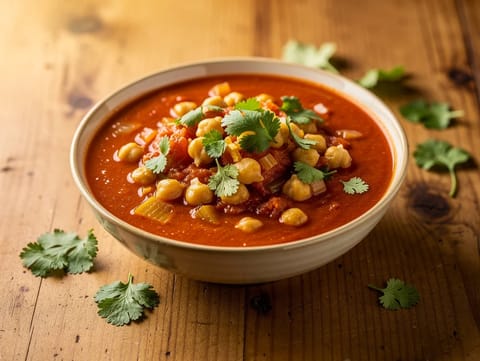
Moroccan Tomato Soup with Chickpeas and Spices
Smooth tomato and chickpea soup with Moroccan spices
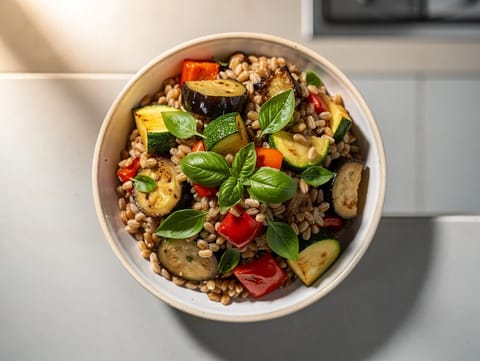
Farro Bowl con Verdure (Farro with Roasted Vegetables and Lemon)
Farro with roasted vegetables, lemon, garlic and basil
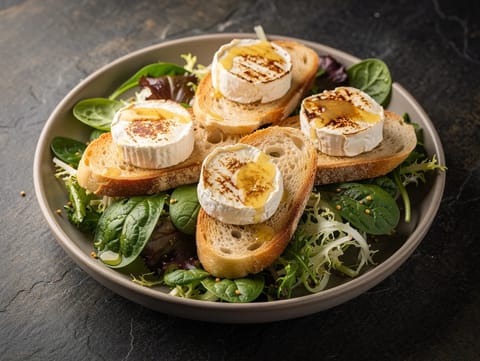
Salade de Chèvre Chaud (Warm Goat’s Cheese Salad)
Leafy salad with warm goat’s cheese on toasted baguette
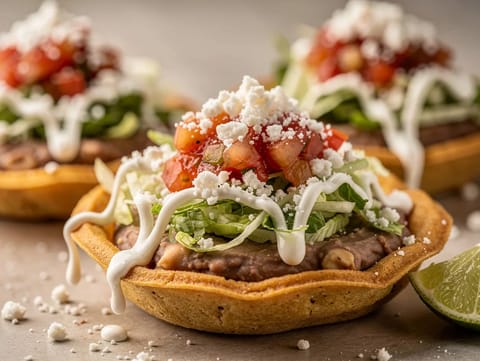
Sopes (Thick Masa Corn Cakes with Beans and Salsa)
Thick masa cakes topped with beans, lettuce, salsa and cotija
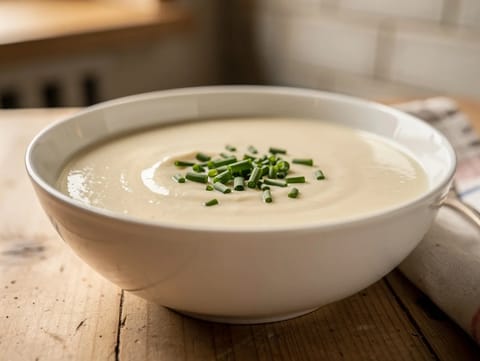
Vichyssoise (Cold Leek and Potato Soup)
Chilled leek and potato soup blended with double cream
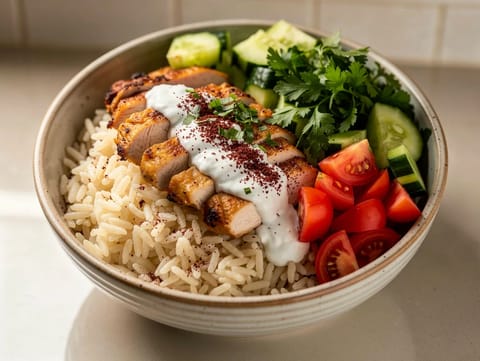
Turkish Chicken Bowl with Rice and Garlic Yoghurt Sauce
Turkish chicken bowl with rice, garlic yoghurt and salad
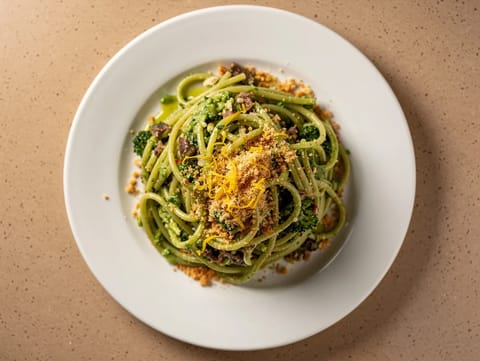
Broccoli and Anchovy Pasta (Pasta con Broccoli e Acciughe)
Spaghetti with broccoli, anchovies and toasted breadcrumbs
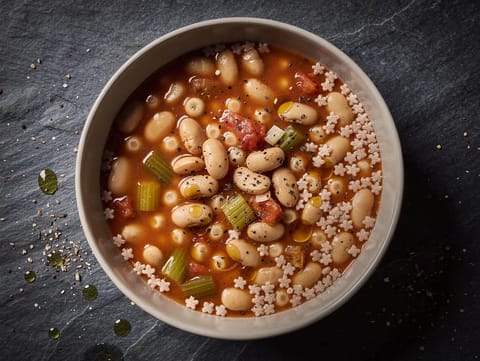
Pasta e Fagioli alla Napoletana (Neapolitan Bean and Pasta Stew)
Neapolitan bean and pasta stew with cannellini and tomato
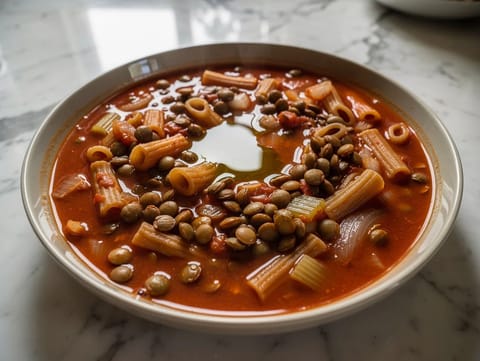
Vegan Pasta e Lenticchie (Italian Lentil Pasta Stew)
One-pot vegan pasta and lentil stew with rosemary
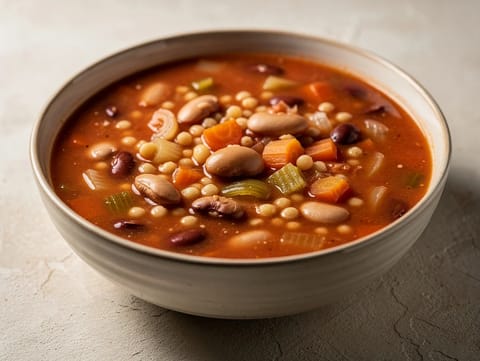
Pasta e Fagioli (Italian Bean and Pasta Soup)
Italian bean and pasta soup with tomato and rosemary
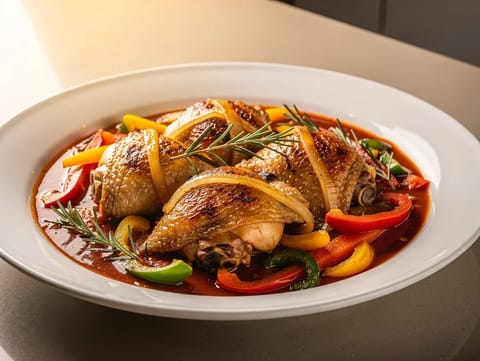
Pollo alla Cacciatora (Modern Light Version)
Chicken thighs simmered in tomato and red wine sauce
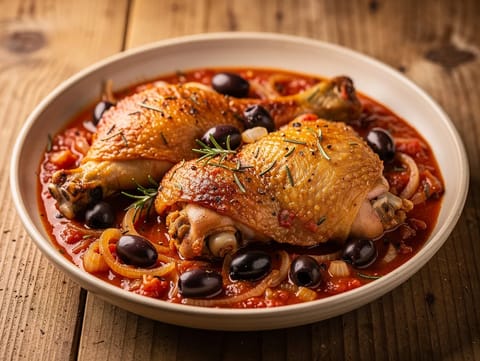
Pollo alla Cacciatora (Chicken with Tomato and Olives)
Chicken thighs simmered in tomato sauce with olives and rosemary
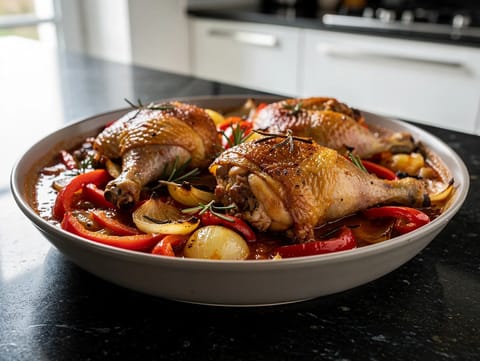
Pollo alla Romana (Chicken Braised with Peppers in Tomato Sauce)
Chicken braised with peppers in a tomato and white wine sauce
You might also like

Sopa Paraguaya (Savoury Cornbread with Cheese and Onion)
Savoury cornbread baked with cheese and softened onions

Madeleine Cakes
French shell-shaped sponge cakes with lemon and vanilla
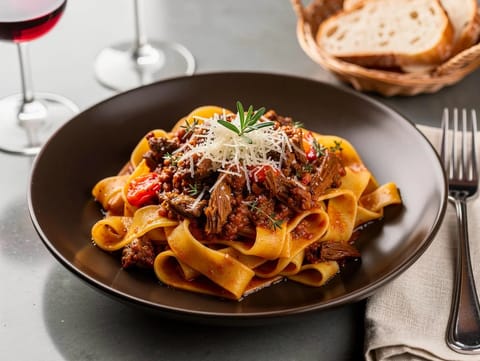
Pappardelle al Cinghiale (Pappardelle with Wild Boar Ragù)
Pappardelle with slow-simmered wild boar ragù and pecorino
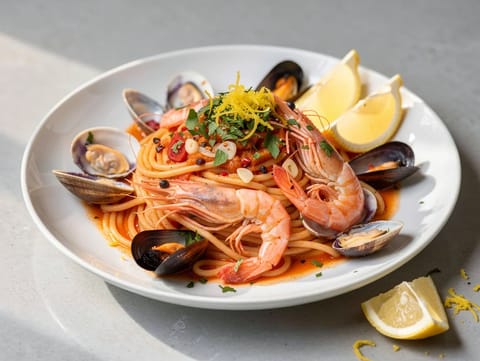
Linguine allo Scoglio (Italian Seafood Pasta)
Seafood linguine with mussels, clams and prawns
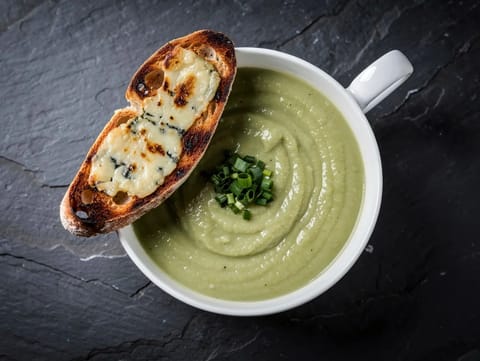
Leek and Potato Soup with Stilton Toast
Smooth leek and potato soup with Stilton toast
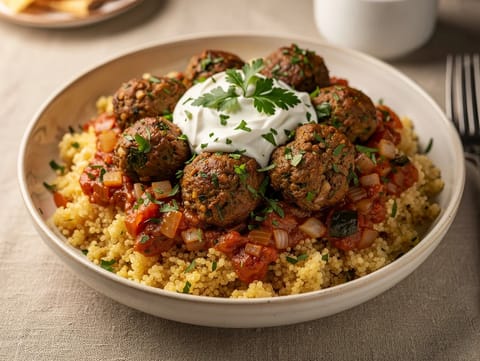
Moroccan-Spiced Lamb Meatball Bowl with Couscous
Lamb meatballs in tomato sauce served over couscous
Enjoy cooking with JustRecipes?
Add JustRecipes as one of your preferred Google sources to discover our recipes more easily across Google Search.
Add JustRecipes to GoogleEvery recipe on JustRecipes follows the same structured editorial process. Learn how recipes are created, validated, translated, illustrated, and continuously improved across the platform. How we create recipes.
