
Bauernbrot mit Schmalz (Farmhouse Rye Bread with Dripping)
Why this recipe works
- Deep savoury flavour: Rye flour, caraway, fried onion and marjoram give the bread and dripping a robust, rustic flavour without needing many ingredients.
- Dark, crusty loaf: Starting the bake at 230°C (445°F) helps the crust form quickly, while reducing to 200°C (390°F) lets the loaf finish baking through.
- Built for simple serving: The bread is designed to be sliced thickly and served at room temperature, making it practical for lunch plates, snack boards or casual sharing.
Get the most out of this recipe
Authenticity notes
- Farmhouse style: Bauernbrot is a rustic German country-style loaf, often made with rye for a darker crumb and stronger flavour than a plain white bread.
- Yeasted version: Many traditional versions use sourdough, but instant yeast makes this version more accessible while keeping the rye-forward character.
- Schmalz pairing: Pork dripping with onion and herbs is a classic savoury spread for hearty rye bread, especially when served at room temperature.
Timing notes
- Judge the rise by feel: The shaped loaf should rise and spring back slowly when pressed; if it feels tight and resists, give it more time before baking.
- Let the loaf settle: Cooling before slicing helps the rye crumb firm up, so the bread cuts cleanly rather than compressing.
- Soften the dripping: If the dripping has been chilled, let it stand briefly at room temperature so it spreads easily over thick slices.
Ingredient notes
- Rye dough stays tacky: Rye flour does not become as stretchy as wheat dough, so expect a slightly tacky dough rather than a smooth, elastic white-bread texture.
- Caraway gives warmth: Caraway brings the recognisable aniseed-like note often associated with rye bread; ground coriander gives a softer alternative.
- Lard sets as it cools: The dripping will firm up in the fridge, so its spreadable texture depends on letting it soften before serving.
Make-ahead tips
- Bake the bread ahead: The loaf can be baked in advance and kept wrapped at room temperature, ready to slice when needed.
- Freeze in slices: Slicing before freezing makes it easy to warm only what you need and keeps the rest of the loaf well protected.
- Warm from frozen: Frozen slices can be reheated in a 180°C (355°F) oven until warmed through and lightly refreshed.
Equipment you'll need
Ingredients
Instructions
- In a mixing bowl, combine the water and instant yeast, then stir in the rye flour, plain flour, fine sea salt and caraway seeds to form a rough dough. Knead for 8 to 10 minutes until the dough feels smoother and slightly elastic (it will still be tacky because of the rye). Cover and leave to rise until noticeably puffed, about 60 to 75 minutes.
- Tip the dough onto a lightly floured surface and shape into a tight round loaf. Set it on a baking tray and cover; prove until the loaf has risen and springs back slowly when pressed, about 45 to 60 minutes. Meanwhile, heat the oven to 230°C (445°F).
- Bake the loaf for 15 minutes, then reduce the oven to 200°C (390°F) and bake for 35 to 40 minutes more until very dark and crusty. The bread should sound hollow when tapped underneath. Cool on a rack for at least 45 minutes before slicing thickly.
- While the bread cools, melt the lard in a saucepan over low heat until just liquid. Finely dice the yellow onion, then fry it in a frying pan over medium heat until deep golden and sweet, 10 to 15 minutes. Stir the fried onion and dried marjoram into the melted lard, then season with a pinch more fine sea salt if needed and let it cool to a spreadable consistency.
- Serve the bread at room temperature with the onion and marjoram dripping spread generously on top. If the dripping has set very firm, let it stand at room temperature for 10 minutes before serving. Any leftover dripping can be used like a savoury spread on toast.
Recipe notes
Tips
- For a darker, thicker crust, bake the loaf on the middle shelf and avoid opening the oven door during the first 20 minutes.
- If you are serving anyone who is pregnant, elderly, or immunocompromised, make sure the onions are thoroughly cooked and the dripping is kept chilled and served fresh.
Substitutions
- Replace caraway seeds with ground coriander for a softer, less aniseed-like spice note.
- Replace dried marjoram with dried thyme for a slightly woodier herbal flavour.
Storage
- Refrigerate up to 3 days
- Store the bread wrapped at room temperature for up to 2 days, or slice and freeze for up to 2 months. Keep the dripping in a sealed container in the fridge and use within 3 days; let it soften at room temperature before serving. Reheat frozen bread slices in a 180°C (355°F) oven for 8 to 10 minutes until warmed through.
Ratings & reviews
Liked this recipe? Share your feedback to support our cooking community.
Tried this recipe?
Choose 1–5 stars. A comment is optional.
Stay inspired
Discover new recipes, seasonal favourites and cooking inspiration every day. Follow JustRecipes on Pinterest and Spillt.
Recipe overview
- Servings: 8 servings
- Total time: 3h 30min (35min active)
- Difficulty: Medium
- Cuisine: German
-
Allergens:
Gluten Wheat
Plan your meals and get a complete grocery list automatically.
Add to meal plannerEquipment you'll need
Got ingredients left?
Find recipes using ingredients from this recipe or what you already have at home.
Find recipes with these ingredients →
Cornbread with Honey Butter
Golden cornbread served warm with whipped honey butter
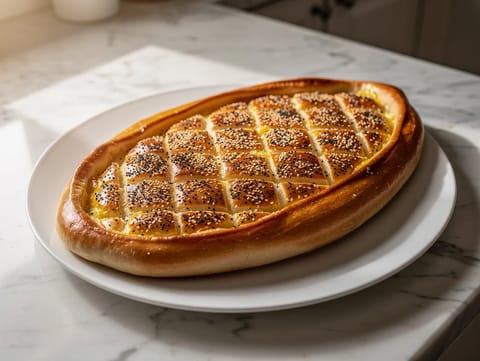
Ramadan Pide (Turkish Iftar Flatbread)
Soft Turkish flatbread topped with sesame and nigella
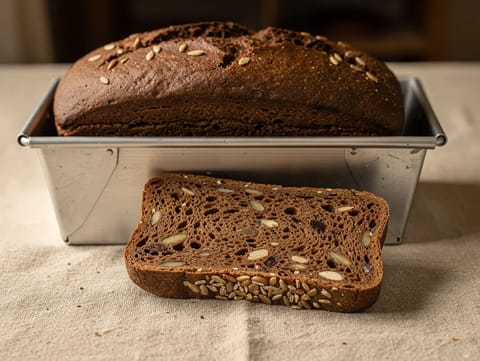
Nordic Rugbrød (Dense Rye Bread with Sunflower Seeds)
Dense Nordic rye bread with treacle and sunflower seeds

Easter Rosca (Ring-Shaped Sweet Bread with Orange and Vanilla)
Ring-shaped sweet bread with orange zest, icing and almonds
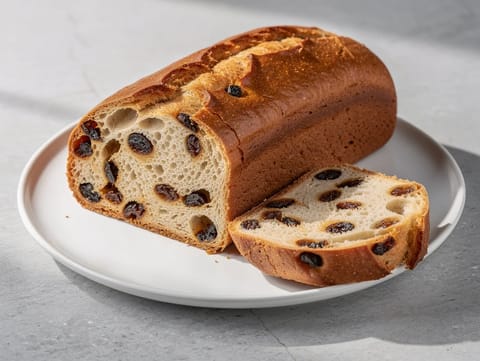
Stafidopsomo (Greek Raisin Bread)
Greek raisin bread with olive oil and cinnamon
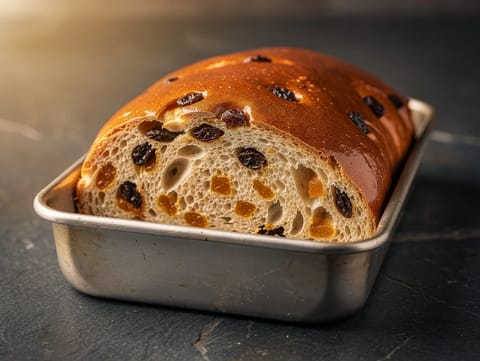
Julebrød (Norwegian Christmas Bread with Raisins and Mixed Peel)
Norwegian Christmas bread with raisins, peel and cardamom

Ochazuke (Tea-Poured Rice)
Steamed rice with salmon and nori, topped with green tea
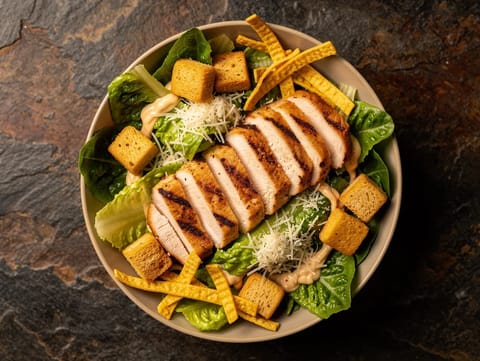
Southwest Chicken Caesar Salad
Chicken Caesar salad with smoky lime dressing and tortillas

Japanese Veggie Bento Bowl with Miso Aubergine
Sushi rice bowl with miso aubergine, edamame and pickles

Thai Spicy Noodle Salad (Modern)
Rice noodle salad with spicy lime dressing and peanuts
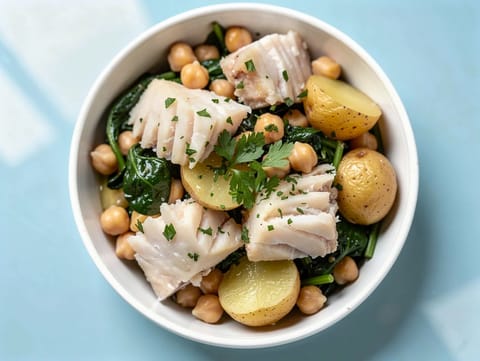
Bacalhau com Grão Bowl (Cod with Chickpeas and Potatoes)
Poached cod with chickpeas, potatoes and spinach

Broad Bean, Pecorino and Mint Salad (Insalata di Fave e Pecorino)
Broad bean salad with pecorino, mint, lemon and olive oil
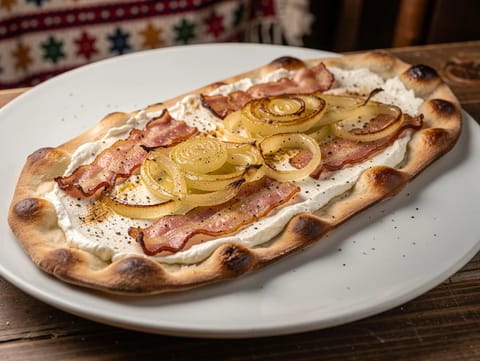
Tarte Flambée Alsacienne (Alsatian Cream and Bacon Flatbread)
Thin flatbread with crème fraîche, onions and streaky bacon
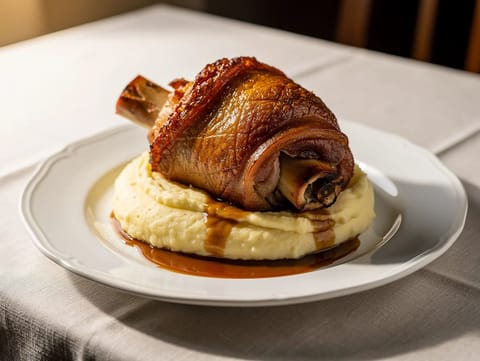
Schweinshaxe (Roasted Pork Knuckle)
Roasted pork knuckle with crisp crackling and simple beer gravy

Bavarian Flatbread with Crème Fraîche, Bacon and Onions
Flatbread with crème fraîche, bacon, onions and chives
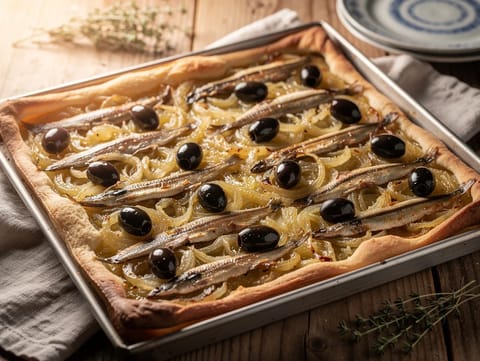
Pissaladière (Niçoise Onion Tart with Anchovies and Olives)
Niçoise onion tart topped with anchovies and black olives

Tarte Flambée (French Flatbread with Onion and Lardons)
Crisp tarte flambée with onion, lardons and crème fraîche
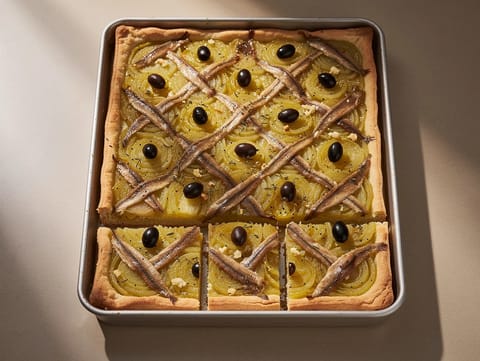
Pissaladière Niçoise (Onion and Anchovy Tart)
Onion tart topped with anchovies and black olives
You might also like

Tuna Avocado Cucumber Poke Bowl
Tuna, avocado and cucumber poke bowl with sushi rice.

Rawon (East Javanese Black Beef Soup)
Black beef soup flavoured with keluak

Air Fryer Samosas
Crisp air-fryer samosas with spiced potato and pea filling.

Air Fryer Shawarma Chicken
Marinated shawarma chicken cooked until browned in the air fryer.
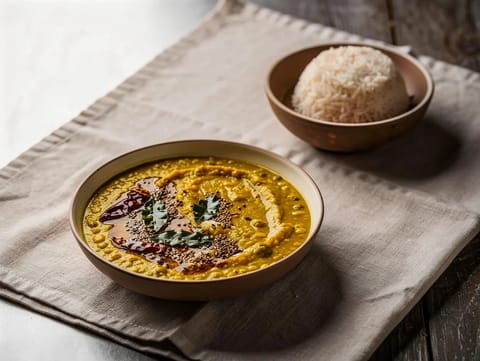
Tarka Dal (Yellow Lentils with Tempered Spices)
Yellow lentil dal topped with hot tempered spices

Polenta Cremosa con Uova (Creamy Polenta with Fried Eggs)
Creamy polenta with butter, Parmesan and fried eggs
Make this recipe easier next time
AdvertisementThese tools help you get better results with less effort.
KitchenAid Stainless Steel Mixing Bowls
- Non-slip base
- Stainless steel
- Not microwave safe
T-fal Specialty Nonstick Handy Pot with Glass Lid 3 Quart
- Easy food release
- Dishwasher safe
- Not induction compatible
OXO Good Grips Stainless Mixing Bowl Set
- Non-slip base
- Comfort grip
- Higher price
WMF Mini Saucepan 16 cm with Lid
- High-quality stainless steel
- Even heat distribution
- Higher price point
Enjoy cooking with JustRecipes?
Add JustRecipes as one of your preferred Google sources to discover our recipes more easily across Google Search.
Add JustRecipes to GoogleEvery recipe on JustRecipes follows the same structured editorial process. Learn how recipes are created, validated, translated, illustrated, and continuously improved across the platform. How we create recipes.
