
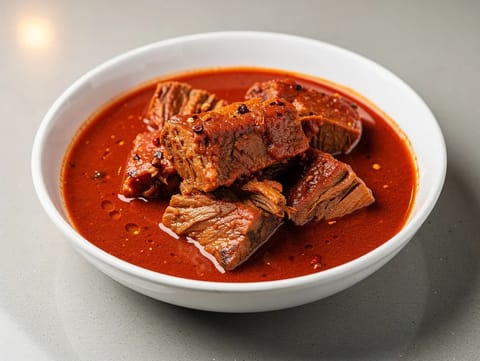
Asado de Boda (Mexican Wedding Pork Stew)
Mexican pork stew simmered with ancho chilli and tomatoes

Mexican cooking is built on a few powerful foundations: maize in the form of tortillas and masa, beans and chillies, and a strong tradition of salsas that bring freshness and bite. From there, regional styles vary widely, from coastal seafood to slow-cooked meats and complex sauces.
Use this page to get your bearings, then choose recipes by the building blocks you want to cook with, such as a salsa, a tortilla-based dish, or a long-simmered stew.
Many Mexican meals are assembled from components. A taco, for example, is as much about the tortilla and salsa as it is about the filling. When choosing a recipe, notice whether it asks you to make a salsa, pickle onions, warm tortillas properly, or prepare beans, because those steps often define the final flavour and texture. A simple grilled or braised filling can taste completely different depending on whether it is paired with a bright, raw salsa, a smoky chilli sauce, or a creamy element such as avocado.
Mexican pork stew simmered with ancho chilli and tomatoes
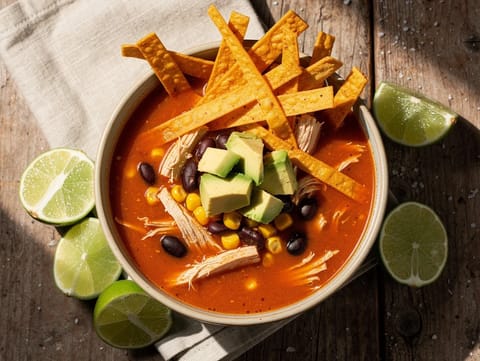
Chicken tortilla soup with black beans, sweetcorn and tortilla strips
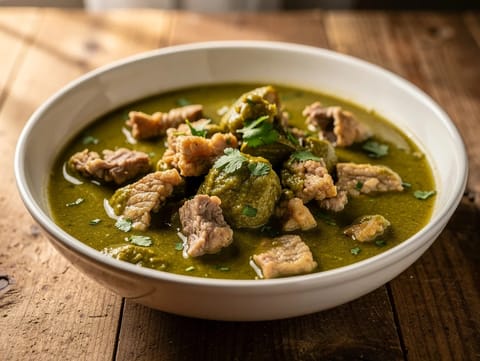
Pork rinds softened in tangy tomatillo and green chilli sauce
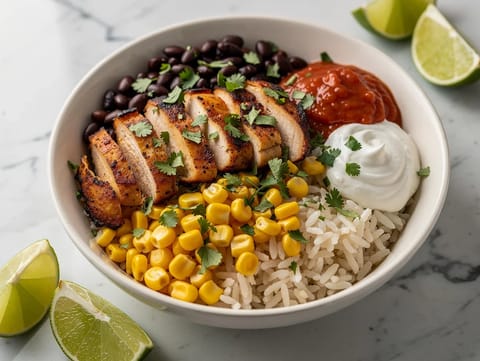
Chicken burrito bowl with beans, rice, sweetcorn, salsa and sour cream.
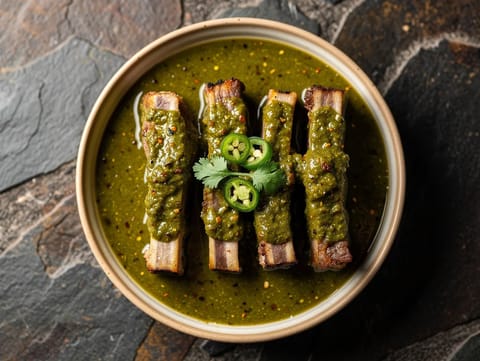
Tender pork ribs in tomatillo and jalapeño salsa verde

Chilled hibiscus tea drink sweetened and finished with lime
Maize is central, whether as tortillas, tostadas or masa-based doughs, and it brings a distinct, slightly sweet grain flavour that wheat does not replicate. Beans add substance and a gentle earthiness that balances chilli heat. Chillies are used for more than spiciness: different types contribute fruitiness, smokiness or bitterness, and they may be used fresh, dried, toasted or soaked. Tomatoes and tomatillos often form the base of salsas and sauces, with lime and coriander adding lift. If a recipe specifies a chilli, it is usually worth following, because substitutions can change both heat and flavour character.
Huevos rancheros with warm tortillas, ranchero sauce, coriander and queso fresco
Mexican-style black bean bowl with basmati rice, tomato salsa, avocado and lime
Air fryer burritos with spiced beef, rice and beans, served with salsa.
Tender pork carnitas cooked with orange and garlic, then crisped for tacos
Chilled gluten-free tres leches cake with almond sponge, soaked in three milks and topped with cream
Crisp pan-fried red snapper finished with garlic butter, chilli and lime
Tender pulled pork tinga coated in chipotle, tomato and onion sauce
Crisp tortilla flatbread topped with refried beans, Oaxaca style cheese, vegetables and lime
Mexican pot beans cooked until creamy with onion and garlic in their broth
Pork ribs simmered until tender and coated in blended red chilli and tomato salsa
Romaine taco salad topped with spiced minced beef, avocado and lime yoghurt dressing
Roasted poblanos filled with cheese, battered and fried, served with tomato sauce
Mexican recipes often develop flavour through dry heat. Charring tomatoes, onions and chillies deepens sweetness and adds smokiness, while toasting dried chillies and spices can make sauces taste fuller and less raw. Long, gentle cooking is also common, especially for beans and braised meats, where time turns simple ingredients into a cohesive filling. Tortillas benefit from proper warming, which makes them pliable and brings out their aroma. Even when a recipe is quick, it often relies on one deliberate technique, such as a hot comal-style pan or a well-balanced salsa, to make it taste complete.
Mexico’s regional cuisines reflect local ingredients and histories, so it is normal to see very different dishes under the same broad label. Coastal cooking may lean towards seafood and citrus, while inland dishes can feature slow-cooked meats, beans and maize-based staples. It is also useful to distinguish Mexican cooking from Tex-Mex and other Mexican-inspired styles, which may use different cheeses, spice blends and formats. None of these approaches is inherently “more” or “less” flavourful, but they do taste different, so reading the ingredient list and method helps you choose what you are actually craving.
If you want to cook a specific format, browsing by Dish helps you focus on tacos, enchiladas, soups, salsas or rice-and-bean staples. For a more ingredient-led route, Ingredient is useful when you have tortillas, beans, tomatoes or a particular chilli to use up.

Lobster roll with mayonnaise, lemon and celery
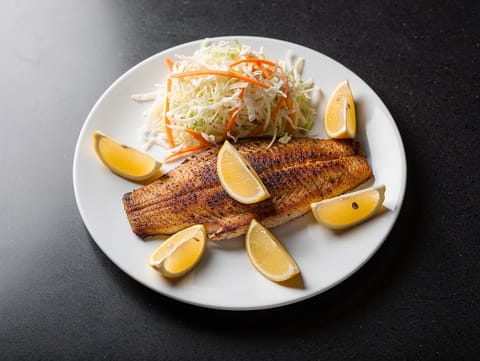
Blackened Cajun catfish with quick lemony coleslaw
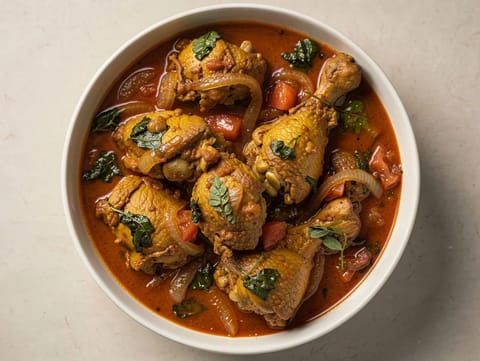
Chicken curry with fresh fenugreek leaves and yoghurt
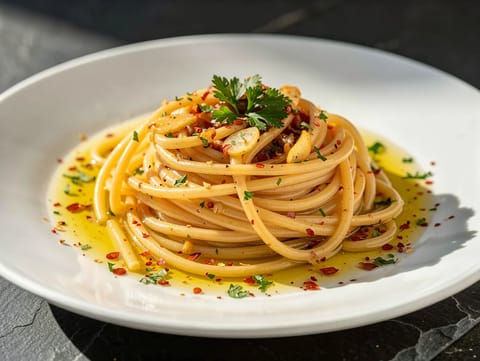
Spaghetti with anchovy, garlic, chilli and parsley
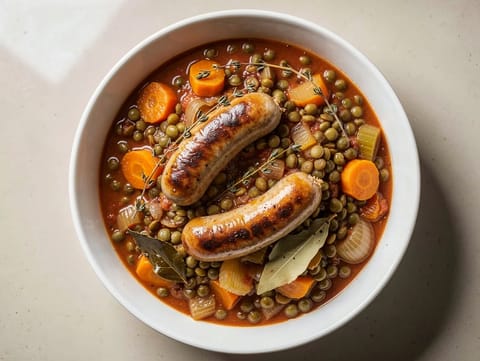
One-pot sausage casserole with green lentils and vegetables

Roast rib of beef with Yorkshire puddings and gravy
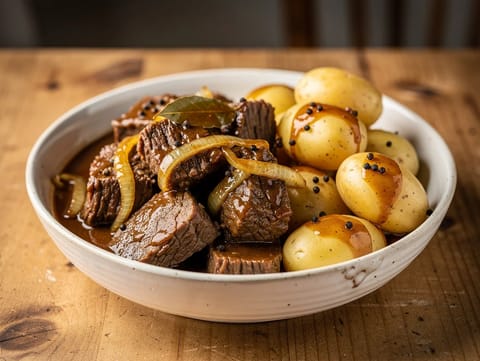
Westphalian beef stew with onions and plenty of black pepper
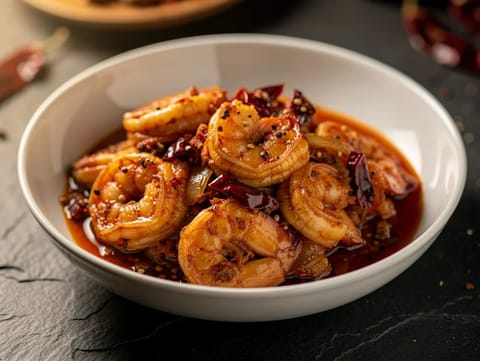
Goan-style prawns cooked in a tangy chilli masala
No. Chillies are common, but they are used for aroma and depth as well as heat, and many dishes are mild. Heat is often adjustable at the salsa or condiment stage.
Salsa is often the main source of freshness, acidity and chilli character. It can be raw and bright or cooked and smoky, and it frequently determines whether a dish tastes light, rich, sharp or deep.
Charring adds smokiness and a slight bitterness that balances sweetness and acidity. It also softens raw edges in onions and chillies, which can make blended sauces taste rounder.
In many dishes it is a key ingredient with its own flavour and texture. Warming it properly improves pliability and aroma, and the choice between maize and wheat changes the overall taste.
Mexican-inspired recipes often borrow familiar formats and flavours but use different cheeses, spice blends or pantry ingredients. A recipe tied to a specific dish name or technique usually gives more precise cues about chillies, masa, or sauce preparation.
Mexican cooking rewards a component mindset. Pick a foundation such as tortillas, beans or a salsa style, then choose a filling and a finishing element that balance it. Small choices, like charring or using the right chilli, make a big difference.
