
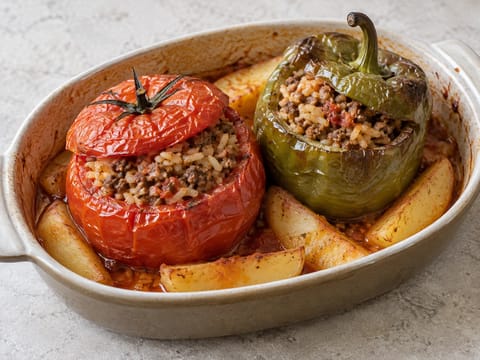
Gemista with Minced Meat (Greek Stuffed Vegetables)
Greek stuffed tomatoes and peppers with rice and beef
A casserole is less a single recipe than a way of cooking: ingredients layered or mixed in a deep dish, then baked until the centre is hot and the top is browned. That method changes everything, from how quickly dinner comes together to whether you get a spoonable, saucy bake or neat slices. If you are choosing a casserole for a busy day, it helps to think in terms of what needs pre-cooking, what can go in raw, and what you want the surface to do in the oven.
Casserole is a broad label for oven-baked dishes cooked in a single vessel, often with a sauce or binding element that sets as it bakes. Some casseroles are fully mixed, others are layered; some are designed to be served with a spoon, others to be cut into portions. The name does not automatically mean slow-cooked, heavy, or even particularly complicated. A casserole can be built from cooked leftovers, or assembled from mostly raw ingredients, depending on how quickly those ingredients cook and how much liquid they release. It also does not guarantee a one-step process: many versions start with browning meat, softening onions, or making a quick sauce before everything goes into the oven.
Greek stuffed tomatoes and peppers with rice and beef
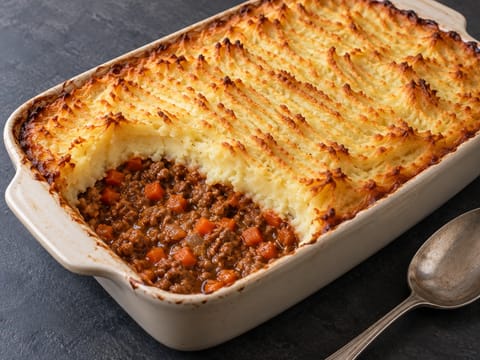
Shepherd’s pie with minced lamb and creamy mash
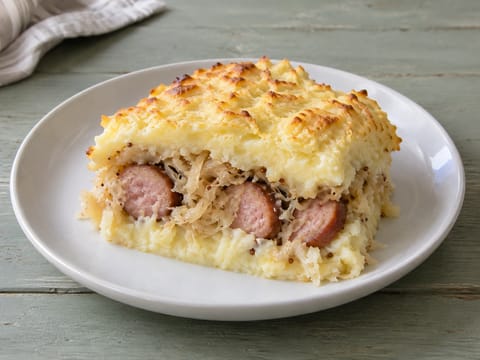
Dutch sauerkraut casserole with mashed potatoes and sausage
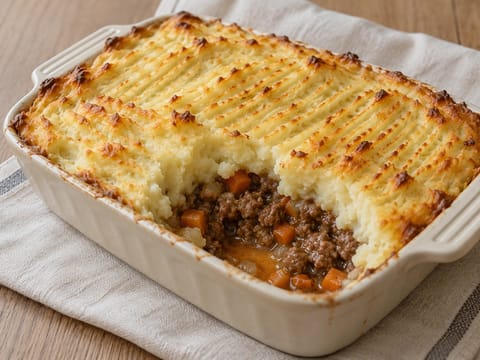
Minced beef pie topped with creamy mashed potatoes
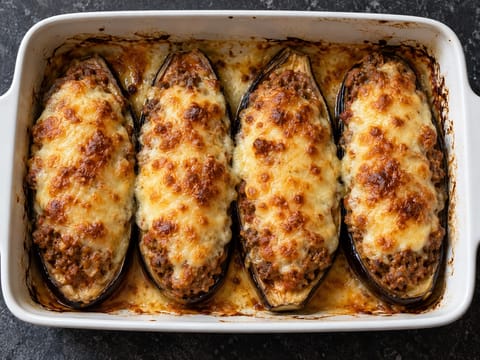
Stuffed aubergines with minced beef, béchamel and cheese
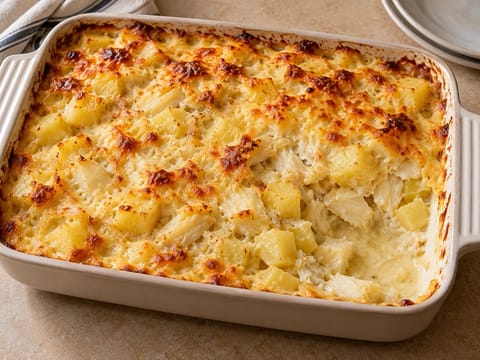
Creamy baked salt cod and potato casserole
Creamy, bound casseroles rely on a thick sauce, eggs, cheese, or a starchy base to hold everything together; they tend to reheat neatly and slice more cleanly once they have rested. Brothier, stew-like bakes are looser and often depend on the oven to reduce and concentrate flavour, which can be useful when you want tender vegetables and a spoonable finish. Layered vegetable bakes, such as gratin-style dishes, are about even slicing and steady heat so the centre softens before the top over-browns. Topped casseroles add a second texture: breadcrumbs, crushed crackers, pastry, mashed potato, or cheese can turn a soft bake into something with contrast. The topping choice affects timing, as some need only a brief blast of heat at the end.
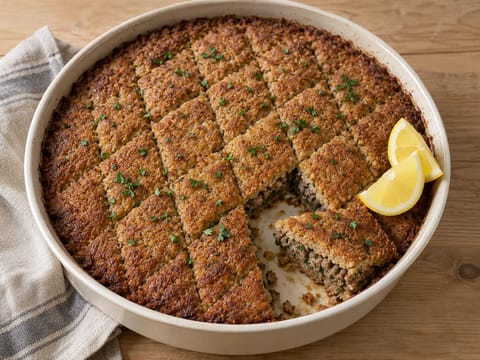
Baked bulgur and lamb tray with a spiced minced filling
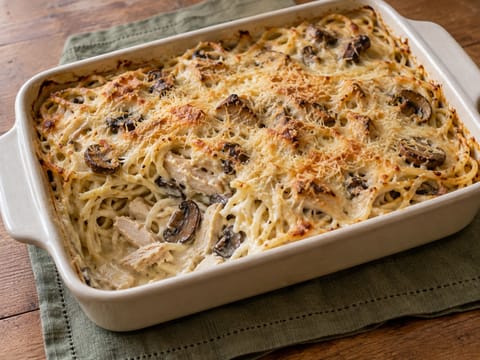
Turkey pasta bake with mushrooms in a creamy Parmesan sauce
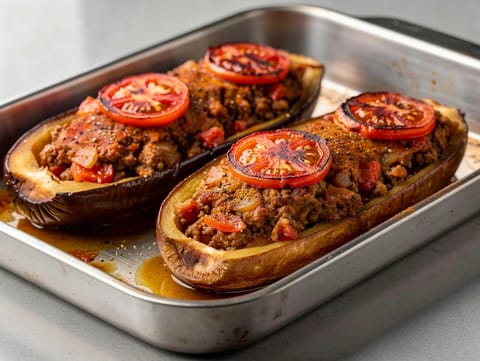
Baked aubergines stuffed with minced beef, onion and tomatoes
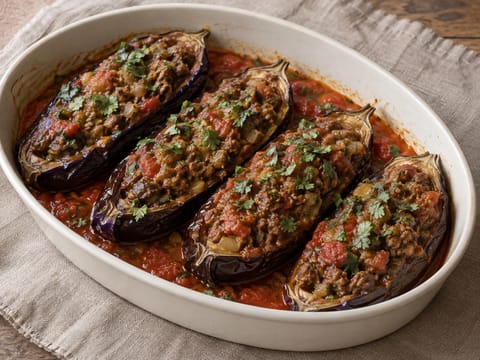
Baked aubergines stuffed with spiced lamb in tomato sauce
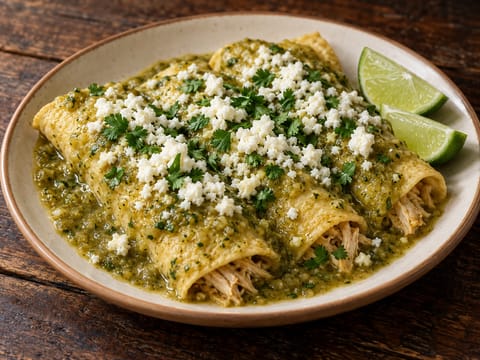
Baked chicken enchiladas with tomatillo salsa verde and queso fresco
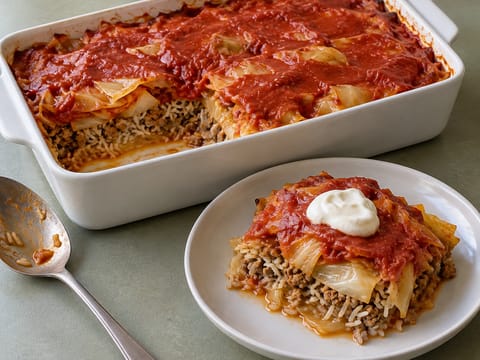
Unstuffed cabbage casserole with minced pork, rice and tomato sauce
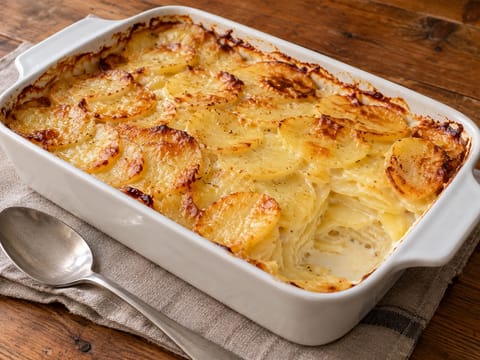
Danish creamed potatoes baked with garlic and nutmeg
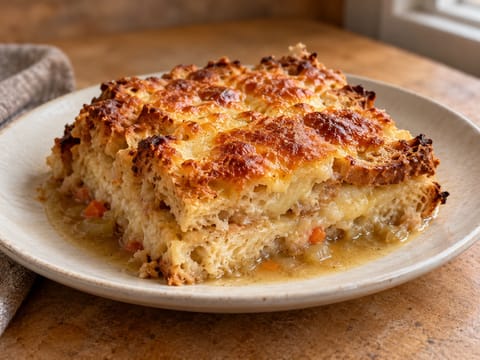
Sardinian bread and pecorino bake soaked in beef stock
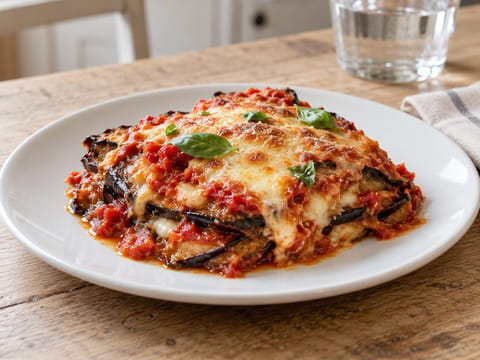
Baked aubergine layered with tomato sauce, basil and cheese
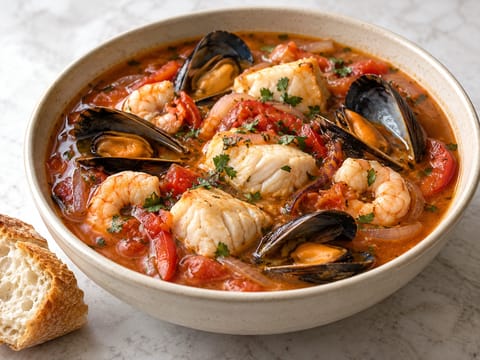
Seafood casserole with prawns, mussels and white fish
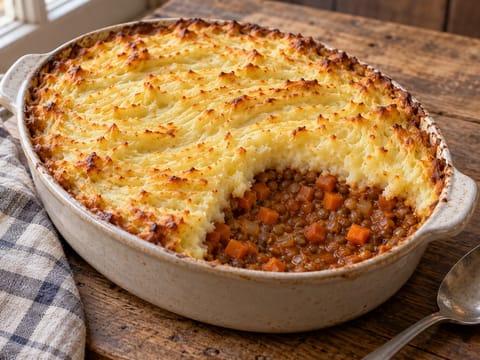
Vegetarian shepherd's pie with lentils and mashed potato topping
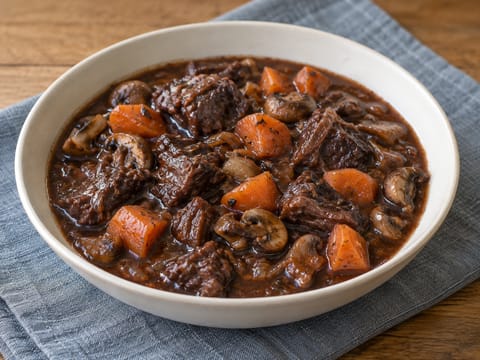
Slow-braised venison casserole with juniper, thyme and mushrooms
If you want a true assemble-and-bake approach, look for casseroles built around quick-cooking ingredients: thinly sliced vegetables, cooked grains, canned beans, or pre-cooked proteins. When a recipe starts with raw meat or dense vegetables, expect a longer bake or a pre-cook step to avoid a watery base and underdone pieces. For a crisp top, choose methods that keep the surface relatively dry, or that add the topping late so it browns rather than steams. For a creamy interior, recipes that begin with a roux-based sauce or a reduced dairy mixture are more predictable than those that rely on the oven alone to thicken. If you are planning ahead, casseroles that are fully cooked and then reheated often hold their shape better than those baked straight from the fridge, which can slow heat penetration and affect setting.
Casseroles are closely tied to cooking method, because baking, pre-browning, and finishing under a grill all change the final texture. It can also help to browse by course, especially if you are deciding between a main-dish bake and a smaller side-style gratin.
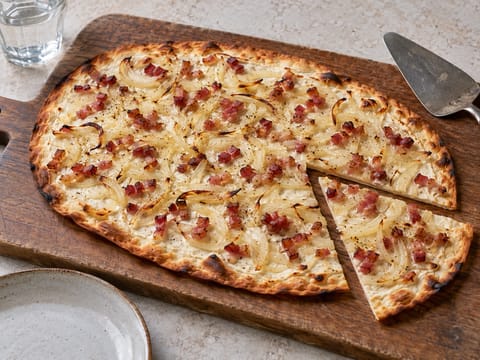
Thin, crisp flatbread with crème fraîche, onion and bacon
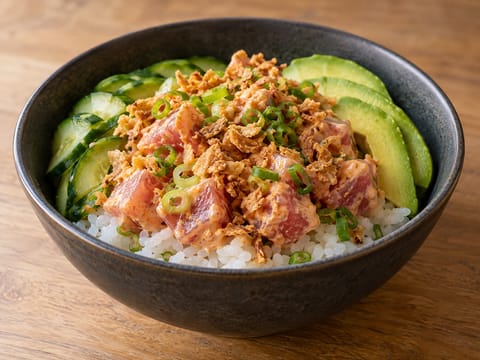
Spicy tuna poke bowl with crunchy topping, avocado and cucumber.
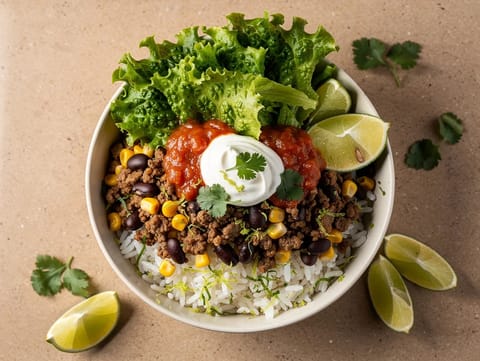
Taco bowl with lime rice, minced beef and black beans
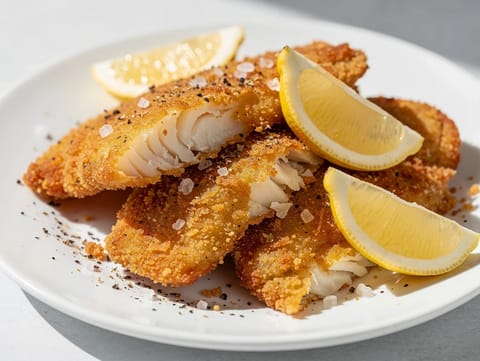
Breaded white fish fillets cooked crisp in the air fryer.
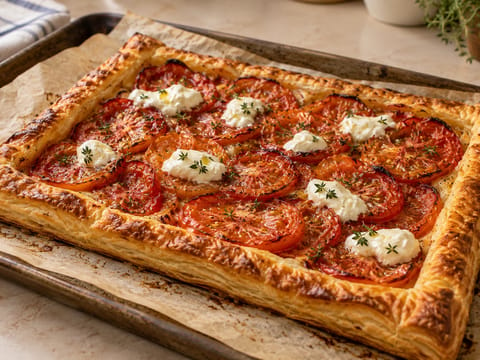
Puff pastry tart with Dijon mustard and baked tomatoes
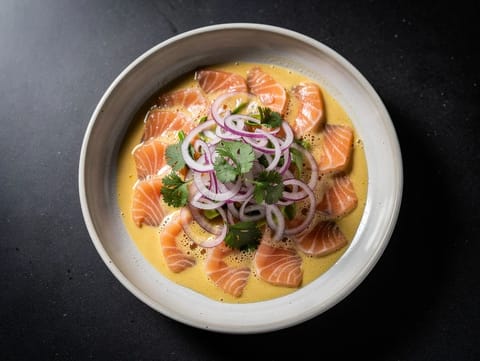
Sliced raw salmon served with lime and ají amarillo sauce
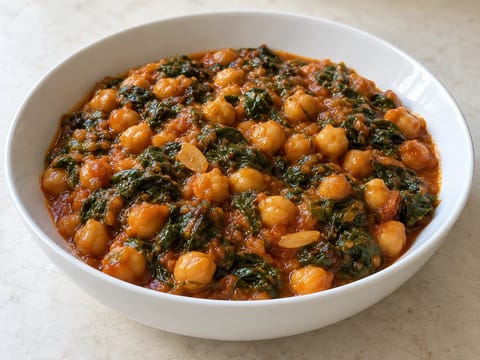
Spinach and chickpeas simmered with cumin, paprika and tomato
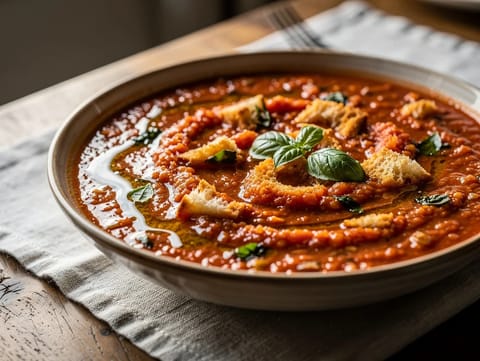
Tuscan tomato and bread soup finished with fresh basil
A gratin is usually a layered bake with a browned top, often focused on vegetables and a crisp surface. A casserole is broader: it can be layered or mixed, creamy or brothy, and may or may not have a topping.
Not always, but most include some liquid or binding so the centre cooks evenly and doesn’t dry out. That might be stock, tomatoes, dairy, eggs, or moisture released from vegetables.
Common causes are vegetables releasing water, not reducing the sauce enough before baking, or covering the dish so steam can’t escape. Some recipes manage this by pre-cooking ingredients or baking uncovered for part of the time.
A topping that browns quickly is useful, and many casseroles add it near the end. Using the grill briefly can crisp the surface, but keep an eye on it as it can colour fast.
Often yes, but the results depend on the recipe. Starchy components can absorb liquid and soften, and a chilled dish takes longer to heat through, which can affect how a sauce sets.
Resting lets bubbling liquids settle and thicken slightly, making it easier to portion. It also reduces the risk of the centre collapsing into a loose pool when you serve.
Start by choosing the texture you want: spoonable and saucy, or sliceable and set. Then check the method for any pre-cooking steps, and whether the topping is baked throughout or added at the end. Those details usually tell you how the casserole will behave on the table.
