
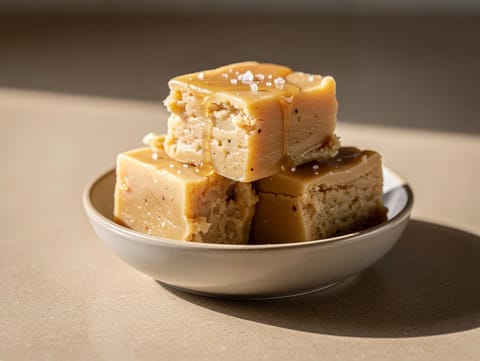
Clotted Cream Fudge with Golden Syrup
Rich clotted cream fudge set into smooth squares

Condiments are the small, concentrated elements that make a meal feel finished: a spoon of chutney, a swipe of mustard, a drizzle of chilli oil, a dollop of yoghurt sauce. They are often quick to make, but they do a specific job, adding acidity, heat, sweetness, saltiness or richness right at the end. That makes them useful when you are planning ahead, because a single condiment can lift simple cooked grains, roasted vegetables, grilled meat or a sandwich without changing how you cook the main dish.
A condiment is served alongside or added at the end, rather than forming the main body of the dish. It is usually more intensely seasoned than a sauce you would simmer a stew in, because it is meant to be used in small amounts. Many condiments are designed to provide contrast: something sharp against something fatty, something sweet against something salty, or something crunchy against something soft. The term covers a wide range, from smooth spreads to chunky relishes, and from fresh herb sauces to cooked, reduced mixtures. It does not automatically mean spicy, and it does not have to be shelf-stable. Some are made to be eaten immediately, while others develop flavour as they sit.
Rich clotted cream fudge set into smooth squares
Fresh pineapple salsa with red pepper, red onion, lime juice and coriander
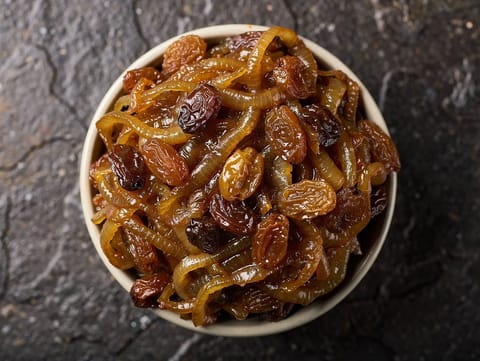
Sweet onion and raisin topping simmered with honey and cinnamon
Acid-led condiments include vinaigrette-like dressings, pickled relishes and citrusy salsas; they brighten rich foods and can wake up leftovers that taste muted. Sweet-sour condiments, such as chutneys and fruit relishes, often pair well with salty cheeses or roasted meats because they bridge savoury and sweet. Heat-forward condiments range from chilli pastes to infused oils; they add aroma and warmth, but the fat content can also carry flavour across the palate. Creamy condiments, including yoghurt sauces and mayonnaise-based spreads, soften spice and add body to lean or dry foods. Herb sauces sit somewhere in the middle: they can be sharp, grassy and fresh, or deeper and more rounded if they include nuts, cheese or toasted spices.
Sweet onion and raisin topping simmered with honey and cinnamon
Rich clotted cream fudge set into smooth squares
Fresh pineapple salsa with red pepper, red onion, lime juice and coriander
Use acidity when the main dish is rich or starchy: it cuts through oil and makes grains and potatoes taste less heavy. Choose creamy condiments when the food is spicy, smoky or very lean, as dairy or emulsified sauces can smooth harsh edges and add moisture. Sweet elements work best when there is salt and savoury depth to meet them, such as cured meats, roasted vegetables, or strong cheeses. For simply cooked proteins, a herb-heavy condiment can provide the aromatic top notes that would otherwise come from a more complex cooking method. If a dish already has a dominant flavour, keep the condiment focused on one contrast, such as heat or sharpness, rather than adding several competing directions.
If you need something fast, look for condiments that are stirred together rather than cooked: yoghurt with herbs, a quick mustard dressing, or a simple chilli-lime sauce. When you have a little more time, cooked condiments can give depth that stands up to robust foods, because simmering reduces water and concentrates flavour. Consider texture as well as taste. A smooth condiment spreads easily in sandwiches and wraps, while a chunky relish is better when you want bursts of flavour on a fork. Finally, think about how the condiment will be used. A drizzle needs to be pourable; a dollop should hold its shape; a spooning sauce should cling rather than run straight to the bottom of the plate.
Condiments make more sense when you consider the cooking method of the main dish, because grilled, roasted and fried foods often benefit from something sharp or creamy at the end. Cuisine can also be a helpful route, as many condiments are closely tied to regional flavour combinations and staple ingredients.
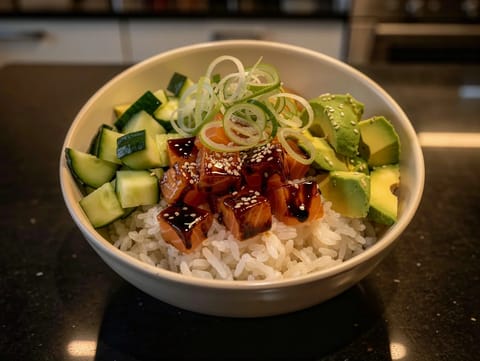
Salmon poke bowl with sushi rice, cucumber and avocado.

Fried brioche soaked in cinnamon milk and coated in sugar
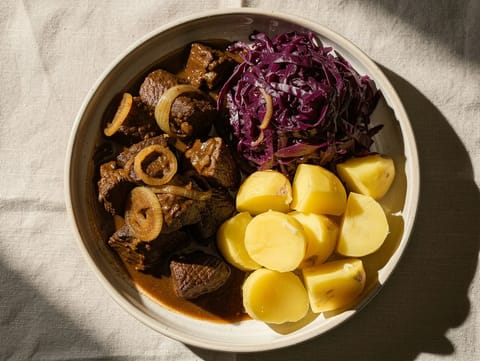
Dutch beef and onion stew served with red cabbage and potatoes

Oven-baked BBQ chicken thighs with tangy ketchup sauce

Toasted wraps filled with black beans, avocado and tomato salsa

Roast chicken with tarragon cream sauce

Steamed suet pudding rolled with strawberry jam

Galician tuna pie baked in olive-oil pastry
A condiment is usually served alongside or added at the end in small amounts, with concentrated seasoning. A sauce can be cooked into a dish or used more generously as part of the main serving.
They are designed to be eaten with other foods. Acidity, salt and spice can seem intense alone, but they balance richer or blander components on the plate.
Add it gradually and aim for a background warmth rather than a dominant flavour. A creamy or acidic element on the plate can also help keep heat in balance.
It can carry much of the flavour, especially with simply cooked foods, but it still functions as a finishing element rather than the bulk of the dish.
Leftovers often benefit from acidity and fresh aromatics. A sharp relish, herb sauce or citrusy dressing can bring back brightness that fades after chilling.
No. Sugar is one way to balance acidity or bitterness, but many condiments rely on salt, fat, herbs or spices for balance instead.
A good condiment solves a specific problem: it adds sharpness, creaminess, heat or sweetness where the main dish needs it. Choose one clear direction, then match the texture to how you plan to spoon, spread or drizzle it.
