
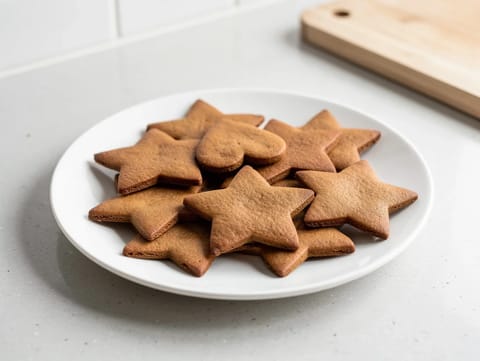
Pepperkaker (Nordic Gingerbread Biscuits with Golden Syrup)
Thin Nordic gingerbread biscuits with warm spices

A silicone baking mat is a reusable non-stick liner for trays and tins. It can make sticky doughs and delicate biscuits easier to lift, and it reduces the need for greasing. The trade-off is that a mat changes how heat reaches the base of what you’re baking. Because silicone insulates slightly, you may get paler undersides or a softer finish compared with baking directly on metal or on parchment. If you know what texture you’re aiming for, it’s straightforward to decide when a mat is helpful and when it gets in the way.
Baking mats create a consistent, non-stick surface and protect trays from caramelised sugar and melted cheese. They also encourage even spreading because the surface is smooth and lightly insulating. That can be useful for biscuits, meringues and piped mixtures where you want uniform shapes. However, insulation can reduce the quick burst of heat that helps set the base and drive off moisture, so some bakes stay softer underneath. Mats are less suitable for anything that relies on a crisp, well-browned base, such as certain pastries, or for recipes where the tray itself is meant to conduct strong heat.
Thin Nordic gingerbread biscuits with warm spices
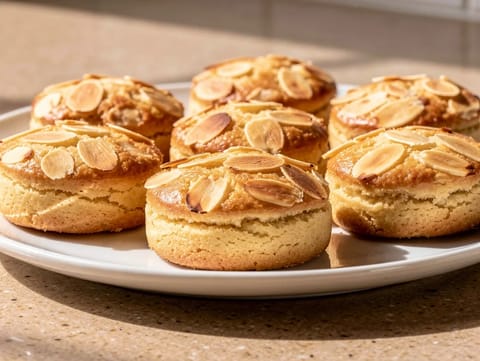
Buttery Dutch cookies with a thick almond paste filling
Cornflour biscuits sandwiched with dulce de leche and finished with coconut
Gevulde speculaas with spiced dough, almond paste filling and sliced almonds
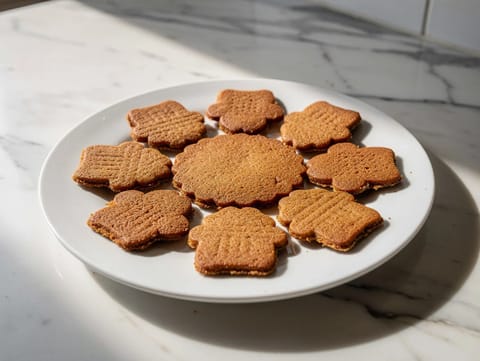
Crisp Dutch spiced biscuits with cinnamon and mixed spice
Nordic molasses cookies with cinnamon, ginger and cloves, baked until crisp-edged
Choose a mat for sticky items you want to release cleanly, or when you want to protect a tray from baked-on sugars. Choose parchment when you want a disposable liner that still allows good browning and can be cut to fit odd shapes. Greasing and flouring a tin can still be the best approach for cakes where the batter needs to climb the sides, because a very slick surface can sometimes affect rise and shape. If you do not have a mat, parchment is the closest substitute; if you do not have parchment, a light grease is usually more reliable than trying to bake directly on an unlined tray.
Buttery Dutch cookies with a thick almond paste filling
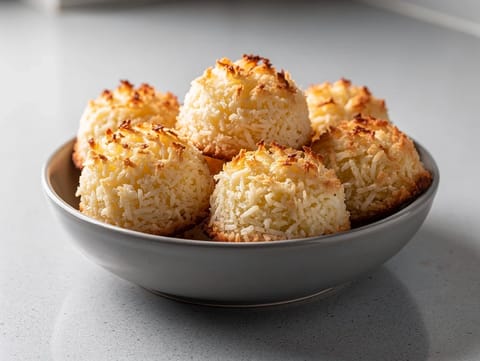
Chewy coconut macaroons baked into small golden mounds
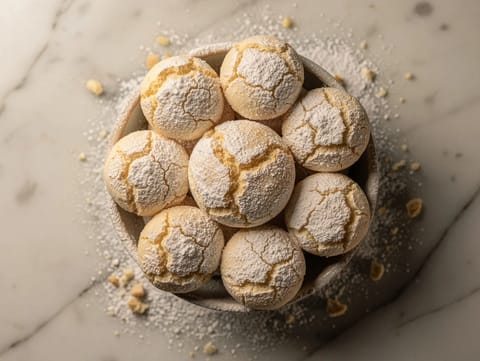
Soft almond macaroons with a crisp icing sugar crust
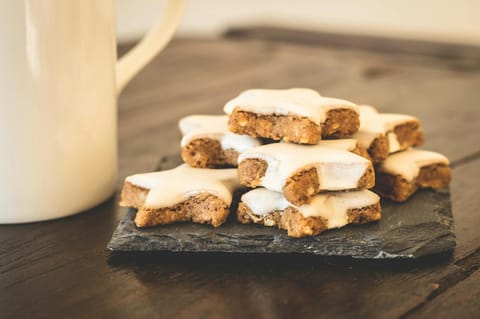
Almond and cinnamon star biscuits topped with sweet meringue glaze
Thin Nordic gingerbread biscuits with warm spices
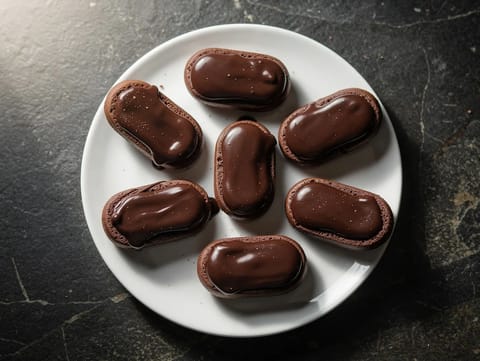
Spiced honey and cocoa biscuits finished with dark chocolate glaze
Crisp Dutch spiced biscuits with cinnamon and mixed spice
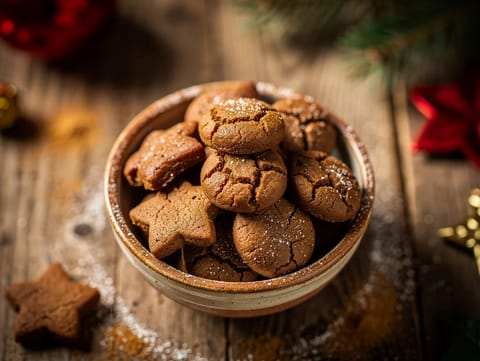
Treacle gingerbread cookies with warm spices and crisp edges
Gevulde speculaas with spiced dough, almond paste filling and sliced almonds
Nordic molasses cookies with cinnamon, ginger and cloves, baked until crisp-edged
Dutch gevulde speculaas baked until golden, then sliced into neat squares
Cornflour biscuits sandwiched with dulce de leche and finished with coconut
The most frequent surprise is pale bottoms. If a recipe expects a crisp base, switch to parchment or bake directly on the tray. Another issue is using a mat under very fatty mixtures: melted fat can pool and effectively shallow-fry the edges, changing spread and texture. Keep an eye on excess grease and use the tray size the recipe expects. Finally, mats can hold onto odours and flavours if not cleaned thoroughly, which matters for delicate bakes. Wash well, dry completely, and avoid cutting on the mat, as knife marks create places for residue to cling.
Cooking method is useful here because baking mats show up in everything from biscuits to roasted vegetables, and the method tells you whether browning underneath matters. Difficulty can also help you find recipes that match your confidence with shaping, piping and judging doneness, where a mat can be either a help or a distraction.
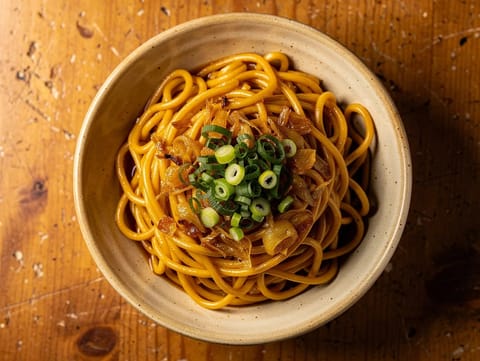
Wheat noodles tossed in fragrant spring onion oil and soy sauce
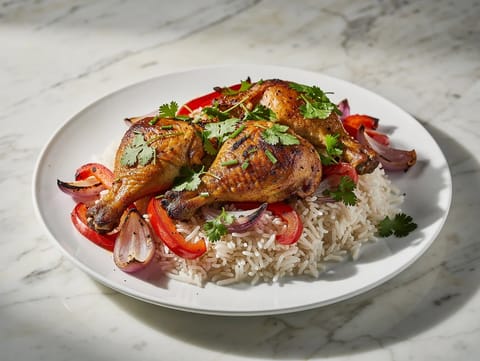
Lemongrass chicken traybake with peppers, onion and jasmine rice
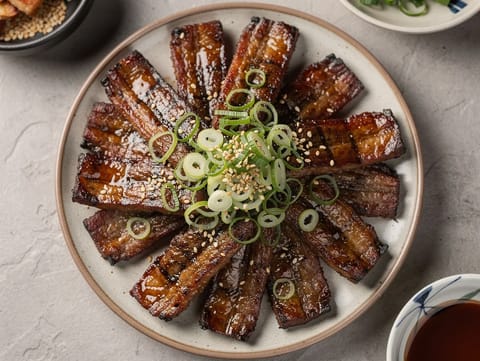
Marinated Korean short ribs grilled or seared until caramelised
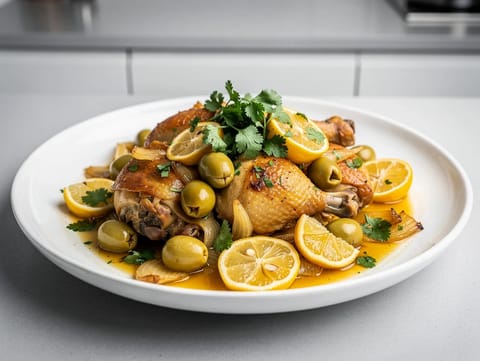
Chicken tagine with preserved lemons, olives and coriander
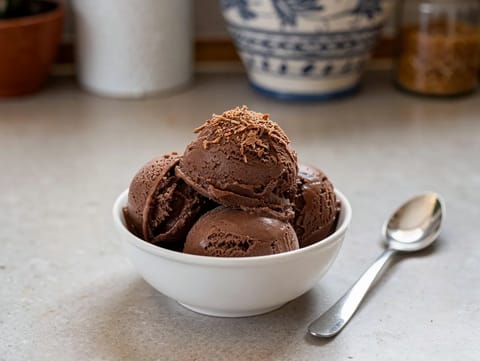
Dense dark chocolate gelato made with milk and double cream
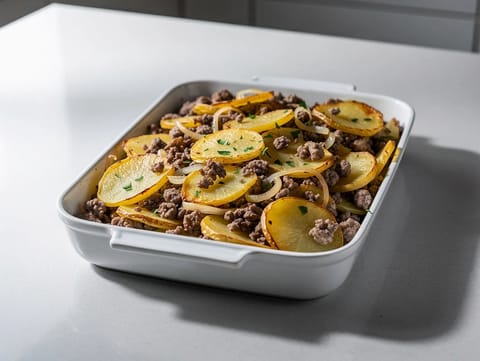
Baked Finnish potato and sausage casserole set with egg
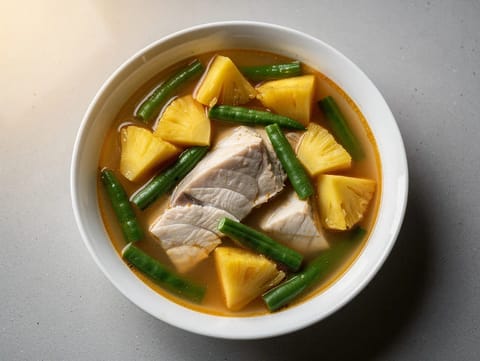
Sour orange Thai fish curry with tamarind and pineapple
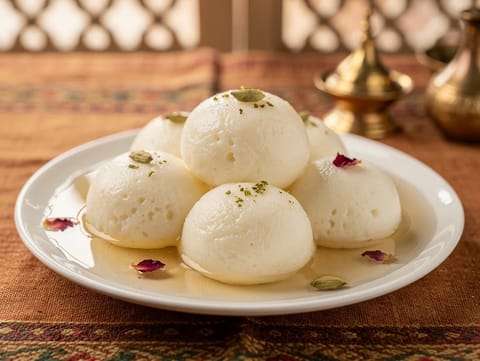
Soft rasgulla chenna balls simmered until spongy in sugar syrup
Sometimes. They both prevent sticking, but parchment usually browns better underneath and can be shaped into tins. Mats are reusable and protect trays well, but can soften the base of some bakes.
A very smooth, non-stick surface can encourage spread before the edges set. Tray temperature, dough warmth and fat content also play a part.
You can, but it depends on the result you want. If you need crisp, browned contact with the tray, a mat may insulate and reduce browning.
No. Limits vary by product. Check the manufacturer’s guidance and avoid placing a mat where it could touch a heating element.
Usually not. Most mats are designed to be non-stick without greasing, and extra fat can change spread and texture in baking.
Some can be trimmed, but cutting can create rough edges and reduce lifespan. Many cooks prefer to buy a size that fits their most-used tray.
If clean release and easy clean-up are the priority, a baking mat is a sensible choice. If the recipe depends on a crisp, well-browned base, parchment or bare metal often gives a closer match.
