
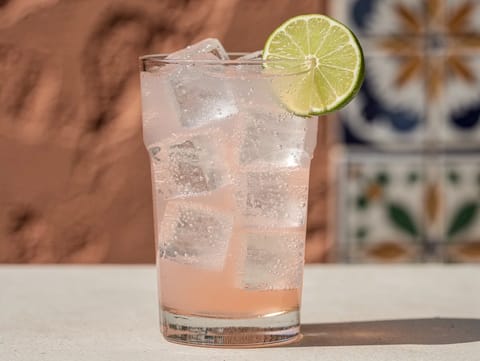
Paloma (Grapefruit Tequila Cocktail)
Tequila and grapefruit cocktail topped with soda water

A cocktail shaker is less about theatre and more about control. It chills quickly, dilutes predictably and, crucially, lets you combine ingredients that will not mix smoothly with a spoon. If a drink includes citrus juice, egg white, cream or a thick syrup, shaking changes the texture as well as the temperature. For spirit-forward drinks that are meant to stay clear and silky, stirring is usually the better match, and a shaker can be the wrong tool.
Shaking is a short, vigorous mix that does three jobs at once: it chills the drink, adds dilution from melting ice, and aerates. Aeration is what turns egg white into a stable foam, softens the sharpness of fresh citrus, and helps syrups and purées disperse evenly. A shaker also acts as a strainer, depending on the style, so you can hold back ice and pulp when you pour.
What it does not do is replace careful measuring or good ice. A shaker cannot correct an unbalanced recipe, and warm, wet or very small ice will dilute faster than you expect. Many recipes specify shaking or stirring because they are aiming for a particular look and mouthfeel, not simply because one method is quicker.
Tequila and grapefruit cocktail topped with soda water
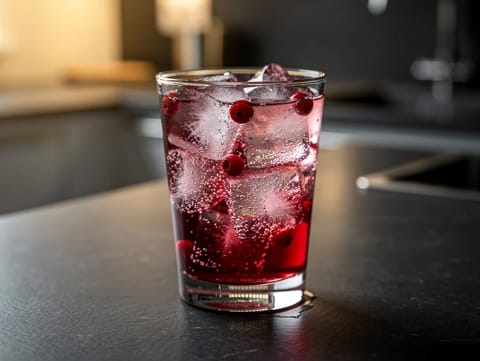
Lingonberry cordial spritzer with sparkling water, lemon and ice
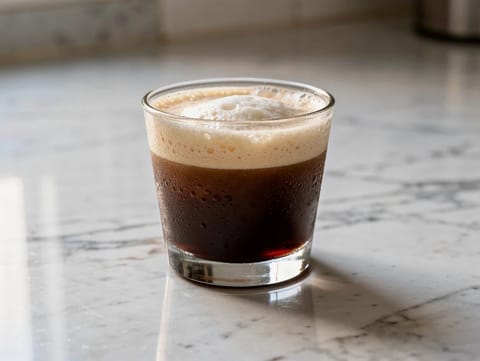
Frothy iced espresso shaken with sugar and strained
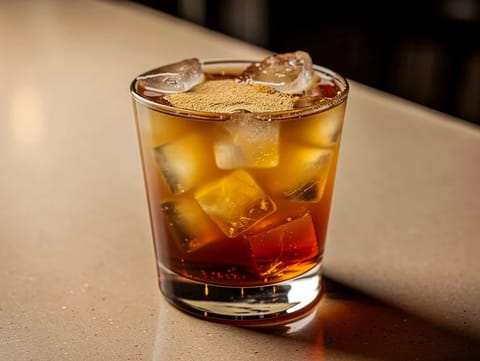
Caribbean rum punch with lime, pineapple and orange juices
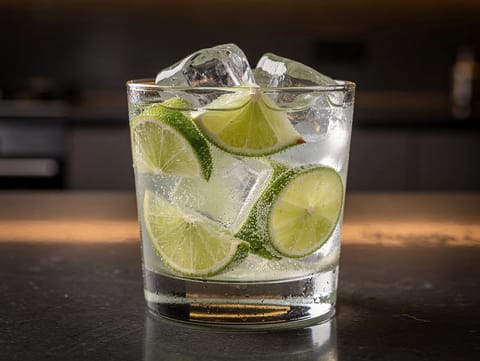
Caipirinha with muddled lime, caster sugar, cachaça and ice
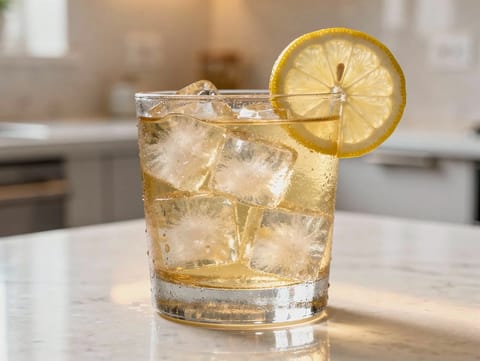
Bourbon lemonade with fresh lemon juice and simple syrup
Leaks usually come from a poor seal. With a cobbler shaker, check the cap and built-in strainer are seated properly; with a Boston shaker, make the seal with a firm tap and keep the smaller tin or glass slightly angled. If it is stuck, a sharp tap on the side of the seal, not brute force, is what releases it.
Over-dilution is often an ice issue rather than a shaking issue. Start with plenty of solid ice and shake until the outside of the tin is properly cold. Under-shaking shows up as a drink that tastes hot and disjointed, with syrup sitting heavy. Finally, remember that anything fizzy is usually added after shaking, otherwise you lose carbonation and build pressure in the shaker.
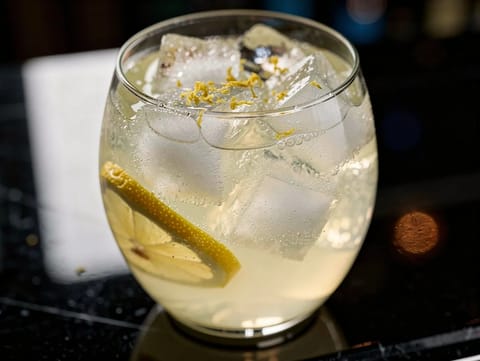
Ouzo spritz with lemon, syrup, sparkling water and ice
Tequila and grapefruit cocktail topped with soda water
Caribbean rum punch with lime, pineapple and orange juices
Lingonberry cordial spritzer with sparkling water, lemon and ice
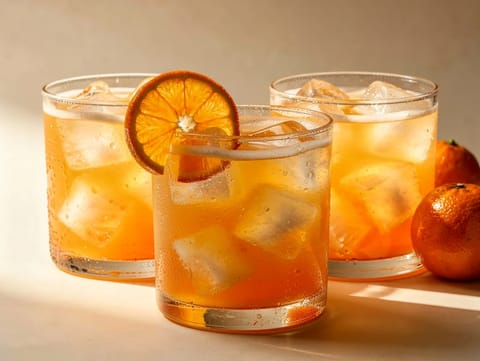
Valencian citrus cocktail with sparkling wine served over ice
Frothy iced espresso shaken with sugar and strained
Bourbon lemonade with fresh lemon juice and simple syrup
Caipirinha with muddled lime, caster sugar, cachaça and ice
If you are deciding between shaking, stirring and blending, browsing by Cooking method helps you match technique to the drink’s texture and clarity. Difficulty is also useful for cocktails, because some recipes hinge on timing, straining and garnish work rather than long ingredient lists.
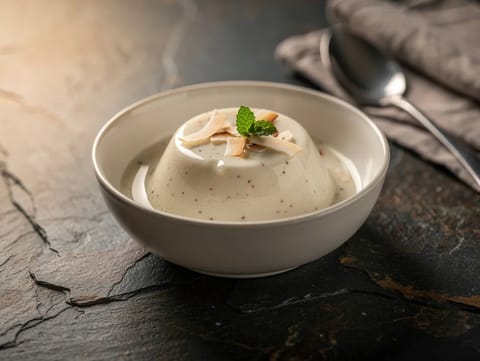
Vegan coconut panna cotta set with agar-agar and vanilla
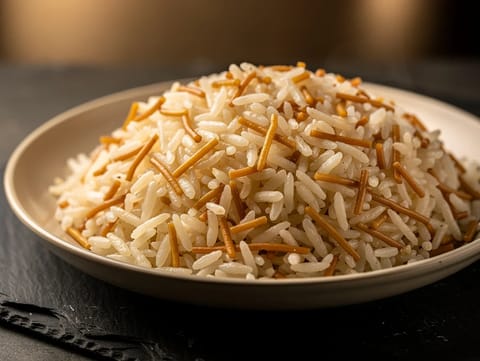
Turkish rice pilaf with toasted vermicelli cooked in chicken stock
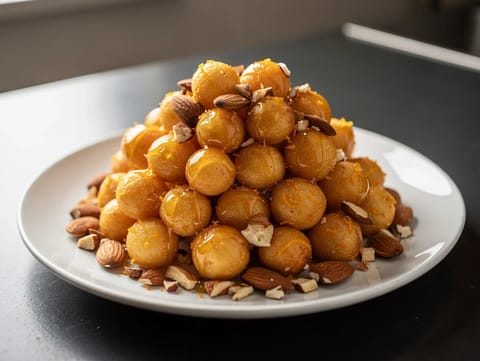
Fried dough balls coated in warm honey and citrus zest
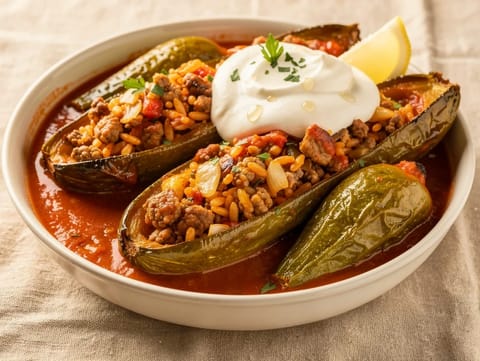
Courgettes stuffed with minced lamb and rice in tomato sauce
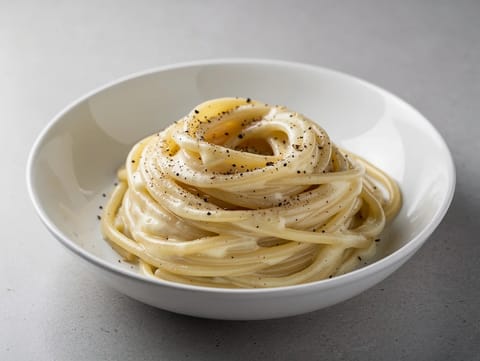
Roman spaghetti with Pecorino Romano and black pepper
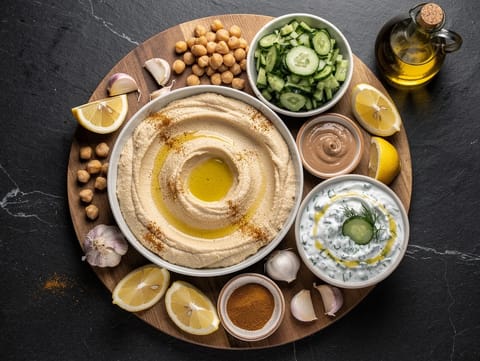
Iftar mezze board with hummus, cacık, olives and pita
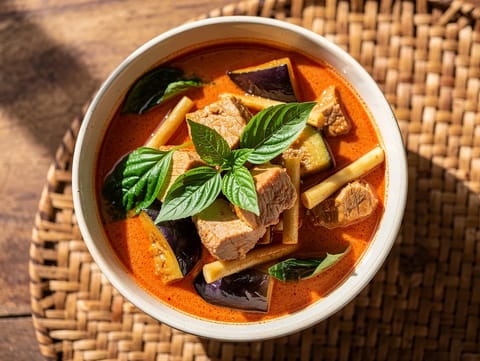
Thai red pork curry with coconut milk and basil
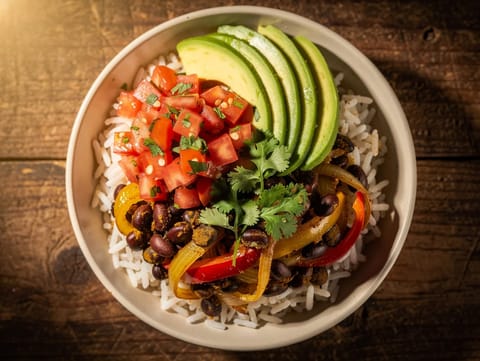
Veggie burrito bowl with black beans, peppers and avocado
Not always. A clean jam jar with a tight lid can stand in for a shaker for many shaken drinks, then strain through a small sieve. The main limitation is capacity and how well it seals.
A Boston shaker is usually two pieces (tin-on-tin or tin-on-glass) and needs a separate strainer. A cobbler shaker has a built-in strainer and cap, which is convenient but can ice up and stick.
Shaking suits drinks with citrus, dairy, egg white, fruit purée or thick syrups, where you want aeration and thorough mixing. Stirring suits spirit-forward drinks where clarity and a silky texture matter.
It’s shaking without ice, commonly used for egg white drinks to build foam before chilling with a second shake with ice. Some recipes reverse the order; the goal is controlled aeration.
Cold metal contracts and the seal tightens, especially if liquid gets into the join. A quick tap at the edge of the seal usually breaks it; warming the outside briefly with your hands can help.
It’s best not to. Shake the non-fizzy ingredients with ice, strain, then top with the sparkling component in the glass to keep the bubbles.
Choose a shaker when the recipe needs aeration or when ingredients resist combining. If the drink is meant to be clear and spirit-led, reach for a mixing glass and spoon instead, and treat the method as part of the flavour and texture, not an optional flourish.
