
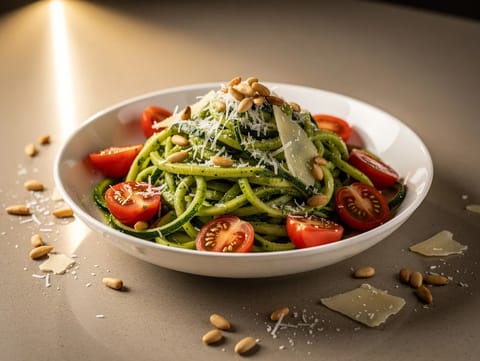
Courgette Noodle Pesto Bowl with Cherry Tomatoes
Courgette noodles with basil pesto, cherry tomatoes and Parmesan

A mandoline slicer is for one thing: producing very even slices quickly. That consistency matters when you want vegetables to cook at the same rate in a gratin, or when you want a salad to feel crisp and uniform. It is less helpful when you need varied shapes, thick wedges, or lots of trimming and peeling first. The other reality is safety: the blade is exposed and efficient, so the tool rewards calm, deliberate use and a proper hand guard.
Mandolines shine with firm produce that can be squared off into a stable shape: potatoes, courgettes, cucumbers, apples, fennel and cabbage are typical candidates. The key is creating a flat face so the ingredient doesn’t rock as you slice. If a recipe calls for paper-thin slices, a mandoline is often the most reliable way to get them without bruising the ingredient. For softer items, very ripe fruit, or anything irregular and knobbly, you may spend more time wrestling than slicing. In those cases, a sharp knife and a steady board can be quicker and give you more control.
Courgette noodles with basil pesto, cherry tomatoes and Parmesan
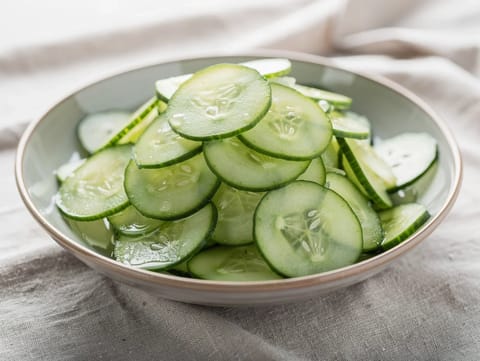
Danish cucumber salad in a sweet and tangy vinegar dressing
Provençal vegetable tian layered with potatoes, baked with garlic, thyme and breadcrumbs
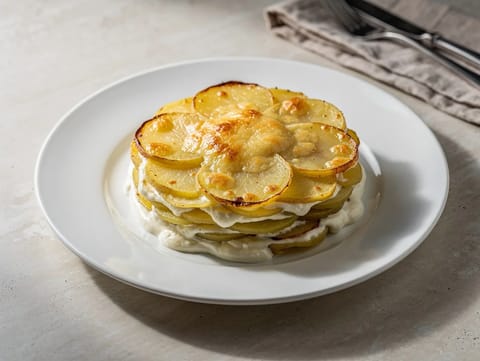
Potato gratin with Gruyère, milk and garlic
Golden gratin dauphinois with garlic, cream and milk, served with thyme and lemon roast chicken
Layered potatoes baked slowly in garlic cream, optionally topped with Gruyère
The most common problem is trying to slice an ingredient that is too short to hold safely. Stop early and finish the last piece with a knife, or save it for another use. Another issue is pressing down hard: it can crack brittle vegetables and makes the slices ragged. Let the blade do the work and keep the motion smooth. If slices are coming out thicker than expected, check that the thickness setting is locked and that the blade is seated correctly. Finally, do not ignore the hand guard. A cut-resistant glove can add confidence, but it is not a substitute for good technique.
Potato, courgette and leek gratin baked in garlic cream with Gruyère
Choose a mandoline when thickness matters and you want repeatable results, especially for layered bakes, quick pickles and salads where texture is the point. Choose a knife when you need flexibility: chunks, batons, rough slices, or a mix of sizes for a more rustic finish. A food processor slicing disc can be the fastest option for large volumes, but it tends to give a slightly different cut and can be less precise at very thin settings. If a recipe only needs a handful of slices, the set-up and washing-up of a mandoline may outweigh the time saved.
Mandoline recipes often hinge on the cut and the technique. Cooking method helps you spot whether those slices are destined for frying, baking, pickling or serving raw, which changes the thickness you want. Difficulty can also be a useful guide, because some dishes are forgiving about slice size while others rely on precision.
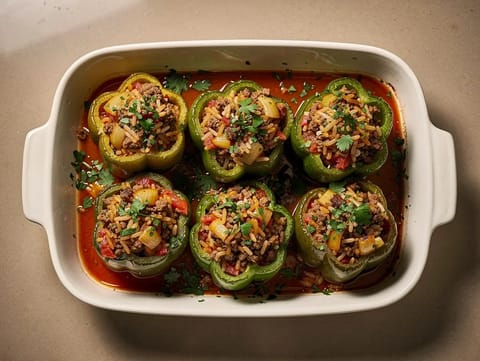
Baked stuffed peppers with minced beef, rice and tomatoes
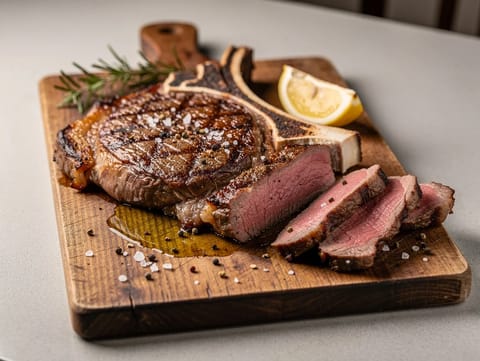
Tuscan T-bone steak, seared and simply seasoned
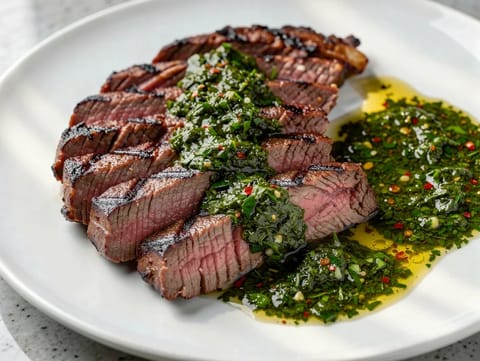
Grilled ribeye served with parsley and garlic chimichurri
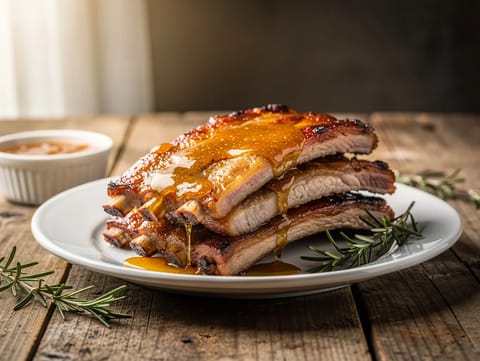
Slow-baked ribs finished with a sticky honey glaze
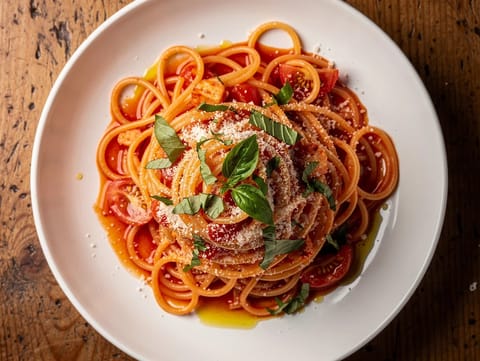
Spaghetti with fresh tomatoes, garlic, basil and parmesan
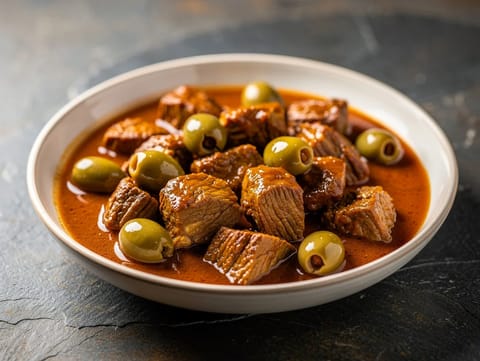
Spanish-style veal stew with olives, sherry and sweet paprika
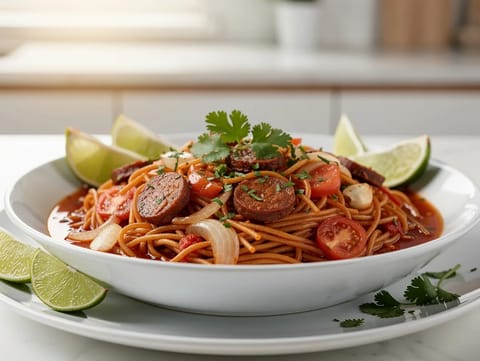
Toasted vermicelli cooked in tomato broth with browned chorizo
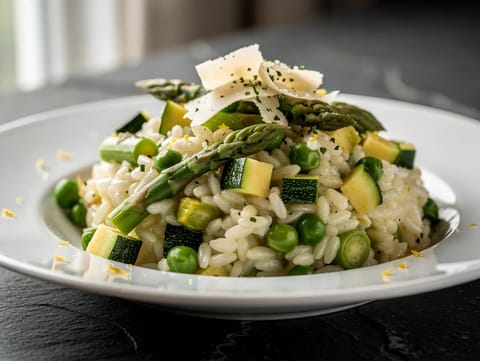
Creamy risotto with asparagus, peas, courgette and Parmesan
No. A sharp knife can do it, but a mandoline makes it easier to keep slices consistently thin, which can matter for even cooking and a uniform texture.
Very soft or very irregular items are tricky, as are small pieces that cannot be held securely. Anything that rocks on the deck tends to slice unevenly.
Yes. The blade is exposed and efficient, and the last few strokes are where most slips happen. Use the guard and stop before the piece becomes too small.
Unevenness usually comes from the ingredient not sitting flat, the thickness setting shifting, or pushing at an angle. Trim a flat side and keep the motion straight.
Many mandolines have a julienne attachment. Results depend on the model and the firmness of the ingredient, and the same safety rules apply.
A mandoline earns its place when you want speed and uniformity, and it is perfectly reasonable to reach for a knife when the job is small or the ingredient is awkward. Set it up carefully, slice deliberately, and stop before the last piece becomes unsafe.
