
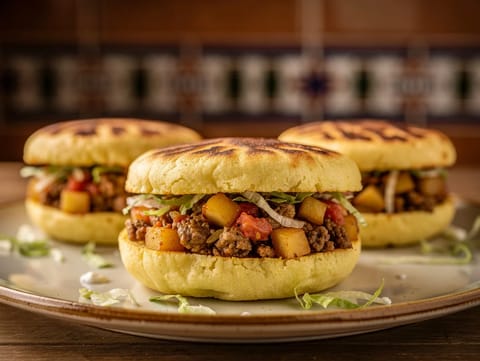
Gorditas de Picadillo (Stuffed Masa Cakes with Minced Beef)
Griddled masa cakes stuffed with minced beef picadillo and potato

A non-stick frying pan is most useful when sticking would spoil the result or slow you down: delicate fish, eggs, pancakes, and quick sautés where you want clean release. It is not a universal substitute for every frying pan, though. Non-stick coatings change how you can use heat, how you build browning, and which utensils are sensible. Knowing when to reach for non-stick, and when another pan will behave better, makes recipe choices simpler.
Non-stick shines with foods that are prone to tearing or clinging, and with batters that need to slide cleanly when you flip. It also helps when you’re cooking with relatively little fat, because release is less dependent on a well-oiled surface. The trade-off is that many non-stick pans are not designed for very high heat, and the coating can reduce the kind of deep, sticky browning you might want for pan sauces. If a recipe relies on fond, the browned bits left behind after searing, a stainless-steel pan is often a better match. For high-heat searing and robust browning, cast iron can also be a strong alternative, though it behaves differently with delicate foods.
Griddled masa cakes stuffed with minced beef picadillo and potato
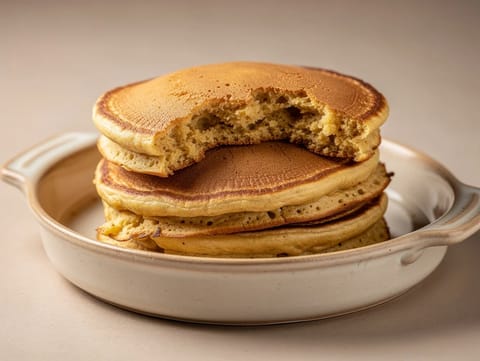
Banana oat pancakes blended with soy protein and cooked until golden
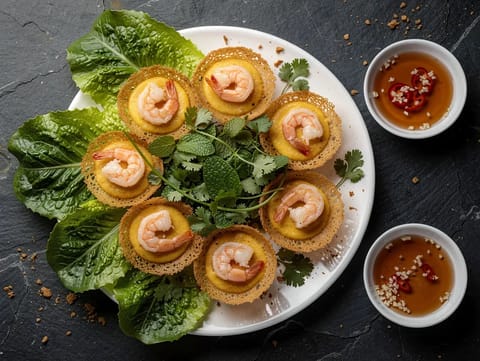
Crisp mini pancakes with prawns, coconut milk, turmeric and herbs
One-sided baghrir pancakes with tiny holes, finished with butter and honey
Fried potatoes and onions set in eggs with soft peppers folded through
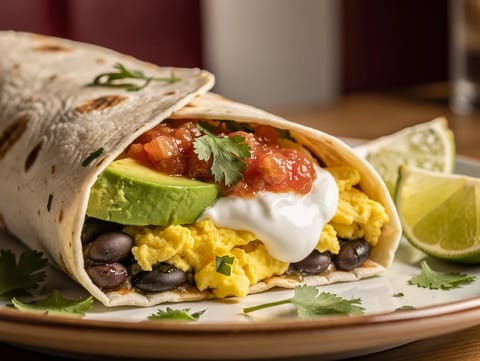
Breakfast burrito with scrambled eggs, avocado and salsa
Choose non-stick when the priority is clean release and gentle handling, such as eggs, thin fillets, or anything you’ll be turning with a spatula. Choose stainless steel when you want strong browning and the option to deglaze the pan for a sauce; it rewards good preheating and enough fat to prevent sticking. Choose cast iron when you want heat retention and a hard sear, especially for thicker cuts or vegetables that benefit from sustained contact with a hot surface. If a recipe involves acidic ingredients simmering in the pan, stainless steel is generally more predictable than cast iron, while non-stick is usually best kept to shorter, gentler cooking.
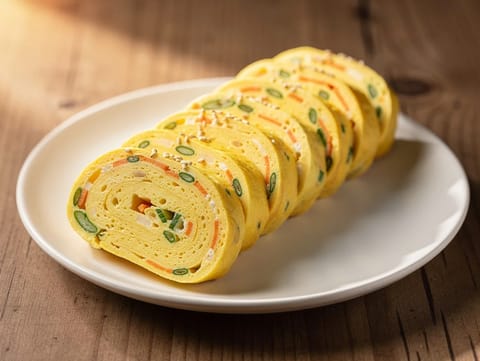
Korean rolled omelette with spring onions and carrot
Banana oat pancakes blended with soy protein and cooked until golden
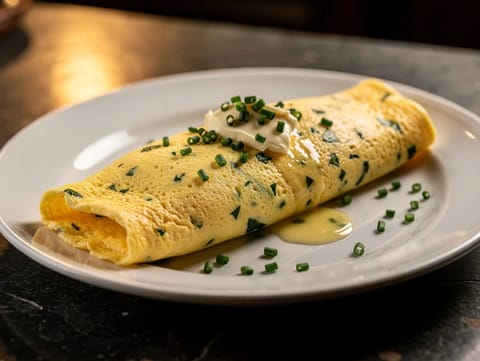
Soft French omelette with chives, parsley and tarragon
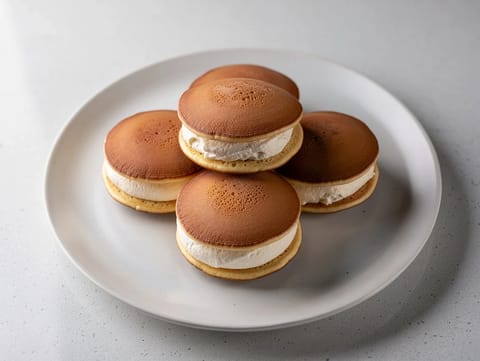
Japanese honey pancakes sandwiched with lightly sweetened whipped cream
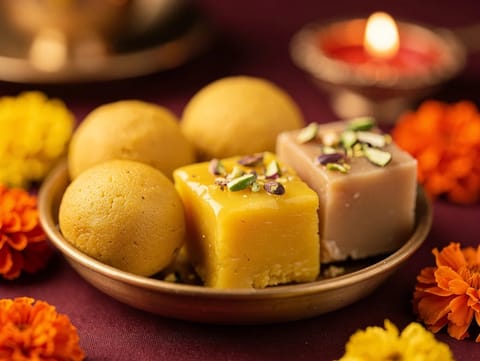
Diwali sweets platter with besan ladoo, coconut barfi and cashew fudge
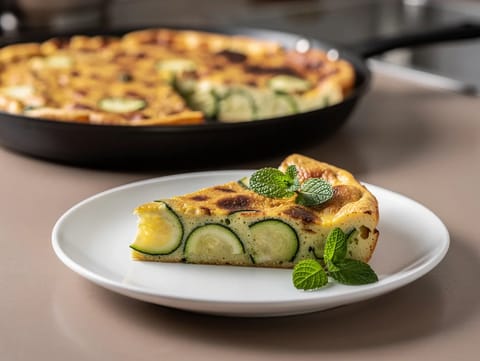
Courgette and mint frittata with Parmigiano Reggiano
Crisp mini pancakes with prawns, coconut milk, turmeric and herbs
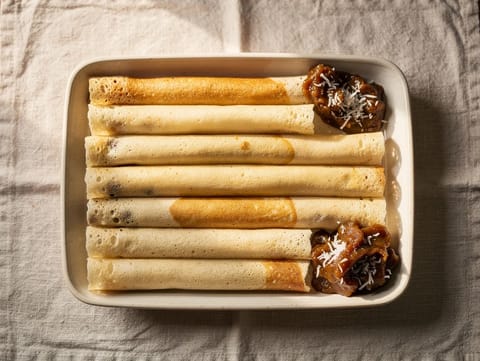
Bengali rice crêpes filled with coconut and jaggery
Griddled masa cakes stuffed with minced beef picadillo and potato
Breakfast burrito with scrambled eggs, avocado and salsa
Fried potatoes and onions set in eggs with soft peppers folded through
Tortilla española cooked slowly until set and golden, served in wedges
Overheating an empty non-stick pan is a frequent problem: the coating can degrade faster when it’s heated hard with nothing in it to absorb energy. Using metal utensils can also scratch the surface, creating rough spots where food starts to catch. Another issue is expecting non-stick to behave like stainless steel for searing; if you keep turning up the heat to chase browning, you may end up with uneven colour and a stressed coating. Finally, harsh scouring pads can dull or damage the surface. A gentle wash and a soft sponge usually keep the coating performing as intended.
Non-stick pans are closely tied to technique: how hot the pan gets, how often you turn food, and whether you’re aiming for browning or clean release. Cooking method is a useful way to find recipes that suit gentle frying versus hard searing. Difficulty can also help, because some pan-cooked recipes depend on confident heat control and timing.
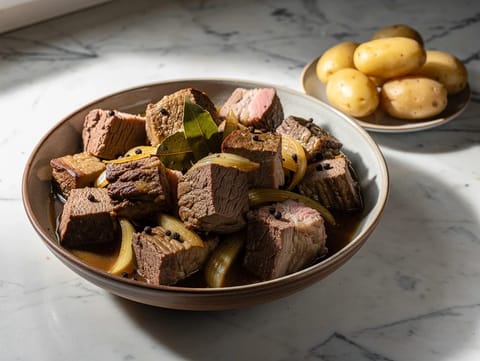
Finnish beef and pork hot pot with onions and bay

Caramel chocoflan with vanilla flan and chocolate sponge
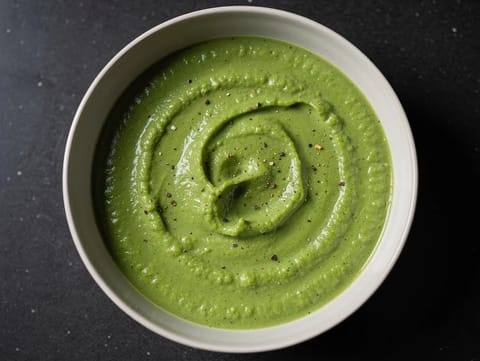
Smooth broccoli soup finished with Stilton and double cream
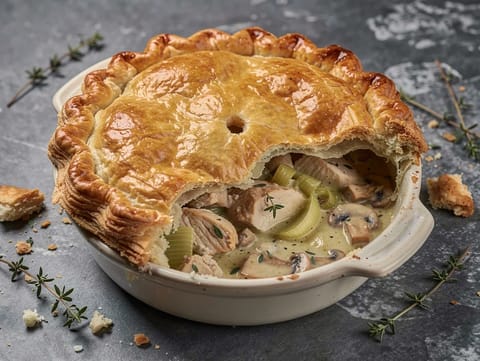
Chicken and leek pie with mushrooms and puff pastry
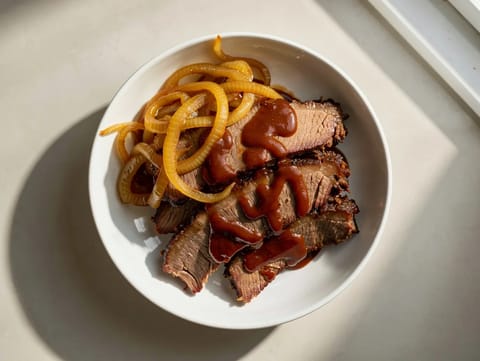
Slow-cooked beef brisket finished with glossy BBQ-style sauce
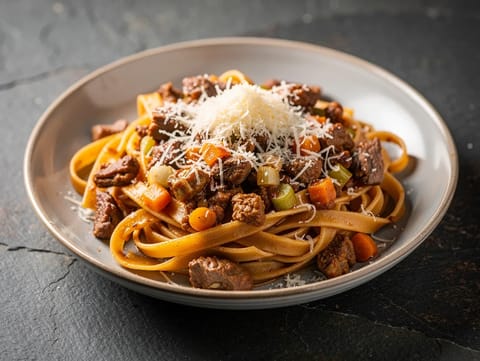
Tagliatelle with slow-simmered wild boar ragù
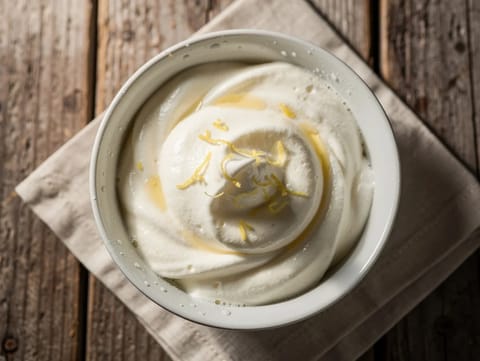
Whipped syllabub with lemon and white wine
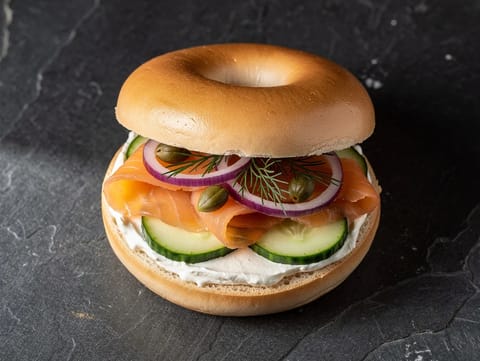
Smoked salmon bagel with lemon cream cheese, cucumber and capers
You can cook steak in non-stick, but it may not be the best tool if you want a deep crust and fond for a sauce. Stainless steel or cast iron usually supports higher heat and stronger browning.
The coating may be worn or scratched, or the pan may be too cool so proteins cling before they set. Using enough heat to start cooking promptly, and avoiding damaged surfaces, helps.
Often a little oil or butter still improves flavour and browning, even if release is good. Some foods also cook more evenly with a thin film of fat.
Wood, silicone or other non-metal utensils reduce the risk of scratching. Scratches can create sticking points and shorten the useful life of the coating.
Usually less so. Pan sauces often rely on browned bits sticking and then dissolving when you deglaze. Non-stick is designed to prevent that sticking in the first place.
A non-stick frying pan is a practical choice for delicate foods and tidy cooking, but it has clear limits around heat and browning. If a recipe depends on a hard sear or a deglazed sauce, consider stainless steel or cast iron instead.
