
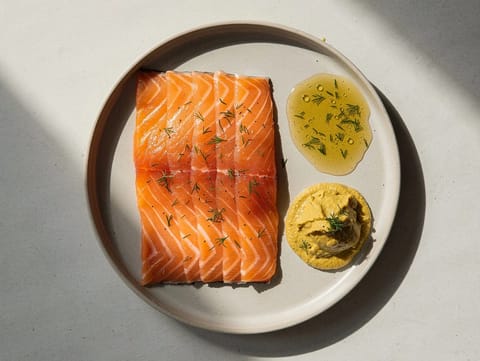
Gravlax (Cured Salmon with Mustard Dill Sauce)
Cured salmon with dill, sliced thin and served with mustard sauce

Cling film is less about cooking and more about controlling the surface of food. Used well, it limits drying, prevents a skin forming on custards and sauces, and keeps odours contained in the fridge. It is also a quick way to cover bowls, wrap dough for resting, or line a tin for easy lifting. The key is knowing when you need a true seal and when a lid, plate or damp cloth will do the job with less fuss.
Cling film excels when you need close contact with the food. Pressed directly onto the surface of pastry cream, lemon curd or a purée, it reduces evaporation and helps stop a rubbery skin forming. Over a bowl, it creates a reasonably airtight cover for resting doughs and batters, or for holding prepped ingredients without picking up fridge smells.
It is also useful as a removable liner. A strip in a loaf tin can help you lift out set desserts or chilled mixtures cleanly, and a layer over a work surface can keep sticky doughs from grabbing. In these jobs, the advantage is speed and minimal washing up rather than heat resistance.
A loose cover is the most common issue. If the film is only draped over a bowl, it traps little moisture and can still allow a skin to form. Pull it taut and press it to the rim, or press it directly onto the food when surface drying is the concern.
Another snag is condensation. Warm food covered tightly will steam, then drip back, which can thin sauces or make crisp toppings soggy. Let food cool a little first when texture matters.
Finally, avoid using cling film where it may meet high heat. It is not designed for oven temperatures, and even near heat it can soften and lose its seal.
If you are choosing recipes by technique, Cooking method is a helpful companion: cling film often appears in steps like resting dough, covering custards, or wrapping foods for chilling. Difficulty can also be useful, because recipes that rely on tight wrapping or careful surface contact tend to assume a bit more attention to detail.
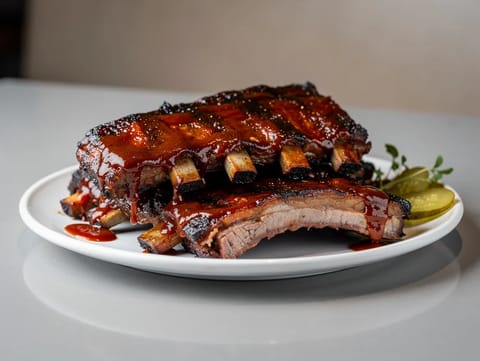
Slow-baked pork ribs finished with Kansas City BBQ sauce
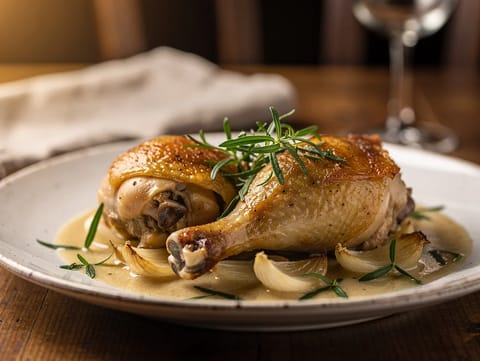
French chicken fricassée in a tarragon and cream sauce
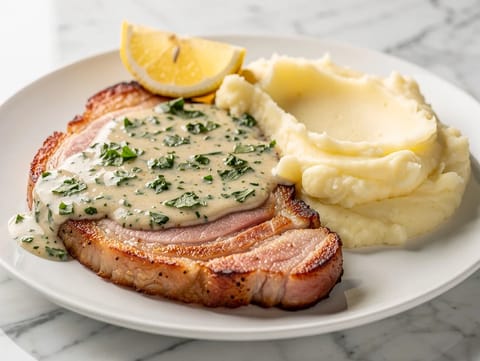
Pan-fried gammon with creamy mash and parsley white sauce
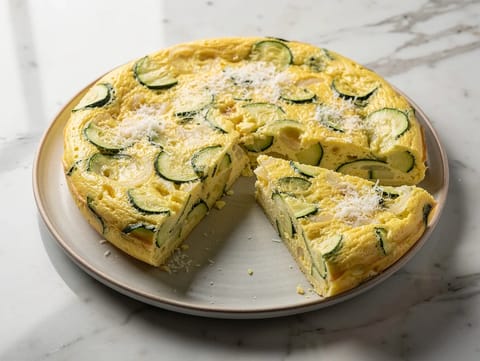
Italian courgette frittata with Parmesan
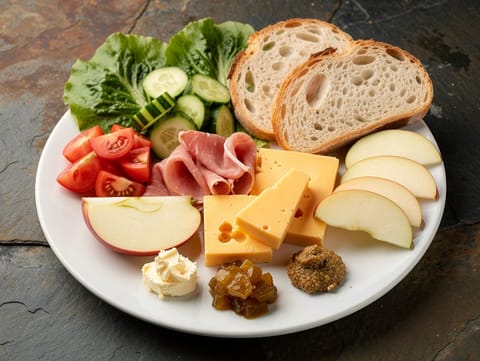
Cold plate of cheddar, ham, bread and pickle with salad
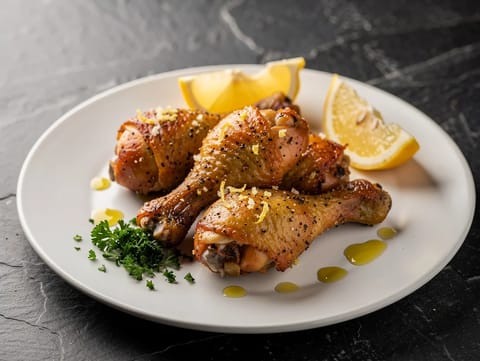
Crisp air fryer chicken drumsticks with lemon and black pepper.
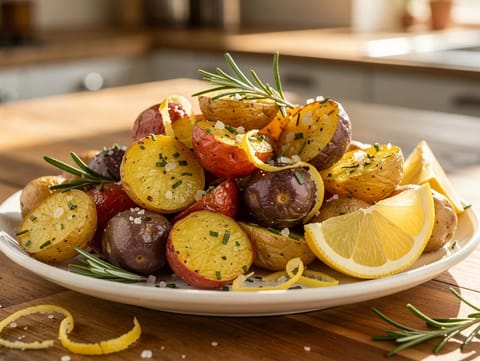
Crispy air-fried baby potatoes with garlic and rosemary.
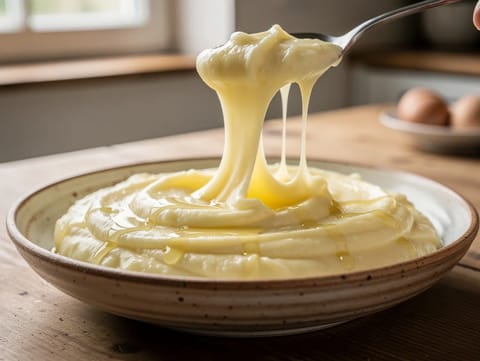
Stretchy cheese mash with potatoes, Tomme and garlic
Yes. Cling film is the common British term; plastic wrap is widely used elsewhere. Both refer to a thin, flexible plastic film used to cover or wrap food.
When the main risk is a skin forming or the surface drying out, such as custards, pastry cream, curds, mashed potatoes or purées. Direct contact limits evaporation far more than covering the bowl alone.
A tight-fitting lid is the simplest substitute. A plate can work for short rests, and a damp cloth is sometimes used for doughs where you want to prevent drying without sealing in too much moisture.
It usually needs tension. Pull it tight across the bowl and press firmly around the rim. Very wet rims, floury edges, or a bowl that is still warm and steaming can also make the seal unreliable.
For oven use, no. For microwaves, practices vary by product and local guidance, so it is safest to follow the manufacturer’s instructions and keep the film from touching food if the packaging advises it.
That is condensation. If food is warm when wrapped, steam collects and then cools into droplets. Cooling the food first, or using a looser cover when appropriate, reduces this.
Reach for cling film when surface contact and a quick seal matter, especially for chilling, resting and protecting delicate textures. When heat or crispness is the priority, a lid, plate or breathable cover is often the more reliable choice.
