
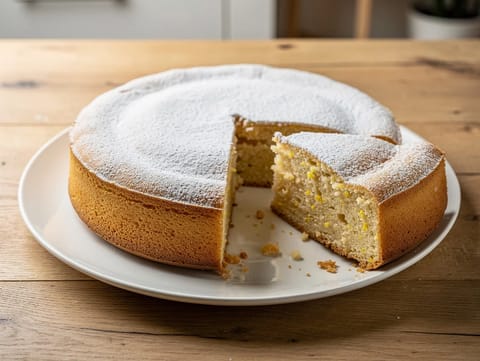
Gluten-Free Torta di Mandorle (Italian Almond Cake)
Gluten-free almond cake with lemon zest and icing sugar

A springform pan is a cake tin with a removable base and a latch that releases the sides. It’s chosen when you need to unmould something delicate or tall without turning it out, such as cheesecakes and certain tortes. The same design that makes it convenient also creates its main limitation: it is not reliably watertight. This guide helps you judge when a springform pan is genuinely useful, and what to do if you only have a standard cake tin.
The removable sides let you lift the ring away from the baked (or chilled) dessert, keeping edges neat and reducing the risk of cracks from turning out. That’s particularly helpful for set custard-style fillings and crumb crusts that can shear if inverted. Springform pans are commonly round, but the defining feature is the release mechanism, not the shape.
Because the base and sides meet at a seam, a springform pan behaves differently from a one-piece tin in the oven and in a water bath. It can also be slightly less rigid, so careful handling matters when moving it in and out of the oven.
Gluten-free almond cake with lemon zest and icing sugar
Tender Italian apple cake made with yoghurt, lemon zest, vanilla and a touch of cinnamon
Buttery Dutch appeltaart filled with cinnamon apples and a touch of lemon
Basque burnt cheesecake with a caramelised top and creamy centre
Air fryer cheesecake with vanilla, lemon and a digestive biscuit base.
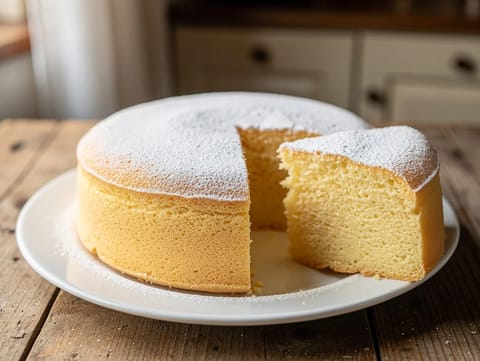
Light buttery sponge cake finished with a dusting of icing sugar
Choose a springform pan when the recipe needs clean unmoulding and the structure is fragile: baked cheesecakes, chilled cheesecakes, mousse-style cakes, or layered tortes where you want to keep the sides intact.
A standard cake tin can work for sturdier bakes that turn out cleanly, especially if you line the base and sides well. A loose-bottomed tin is another middle ground: it releases more easily than a fixed tin, but it still doesn’t solve every unmoulding problem for very delicate fillings.
If the recipe involves a water bath, a springform pan may need extra protection against seepage, or a different tin may be simpler.
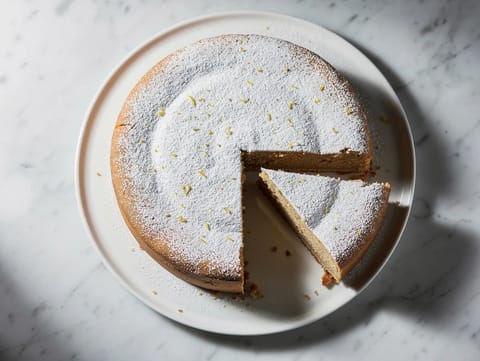
Spanish almond cake dusted with icing sugar
Gluten-free almond cake with lemon zest and icing sugar
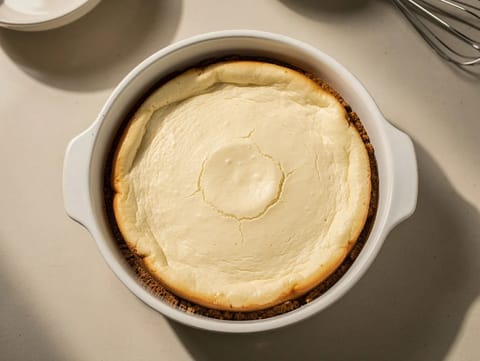
Rich New York-style cheesecake baked in an air fryer.
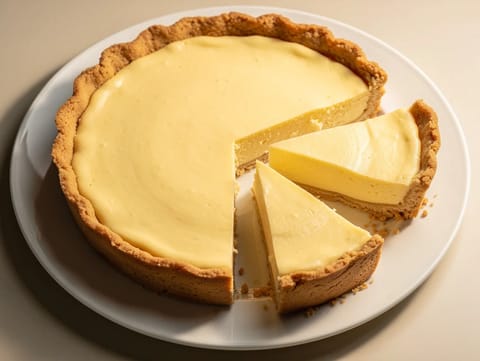
No-bake lemon pie with a crisp biscuit crumb base
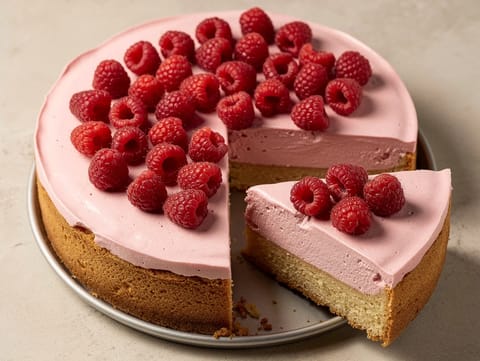
Almond sponge topped with raspberry mousse and fresh raspberries
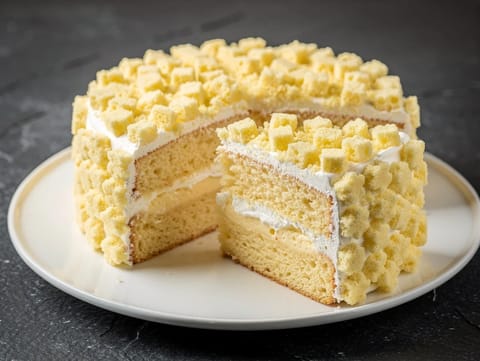
Italian sponge cake with pastry cream and whipped cream
Light buttery sponge cake finished with a dusting of icing sugar
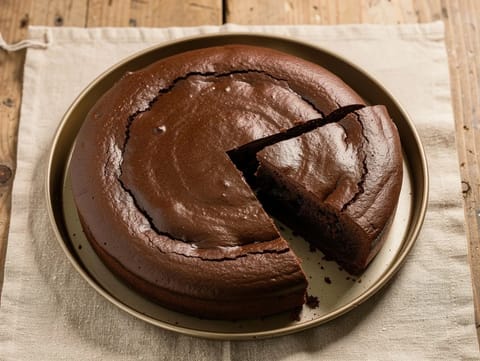
Fudgy flourless chocolate cake with cocoa
Tender Italian apple cake made with yoghurt, lemon zest, vanilla and a touch of cinnamon
Basque burnt cheesecake with a caramelised top and creamy centre
Buttery Dutch appeltaart filled with cinnamon apples and a touch of lemon
Chilled strawberry charlotte lined with ladyfingers and filled with set cream
Leaks are the classic issue. Even a well-made springform can let thin batters or water-bath moisture through the seam. Lining the base carefully and protecting the outside when needed helps, but it’s a reminder that springform pans are not designed for very runny mixtures.
Another problem is sticking at the latch seam, where crumbs and batter can bake on. A thorough clean and careful lining reduce tearing when you release the ring.
Finally, don’t over-tighten the latch. If the ring is forced out of shape, the base may not sit flat, which can affect even baking and make leaks more likely.
Difficulty is a useful next lens for springform-pan baking, because unmoulding and cooling are often where things go wrong, even when the mixing is straightforward. Cooking method can also help you compare baked versus chilled set desserts, and whether a water bath or gentle baking is part of the technique.
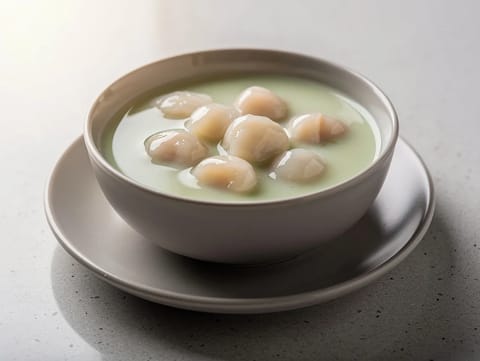
Thai rice dumplings served in warm pandan coconut milk
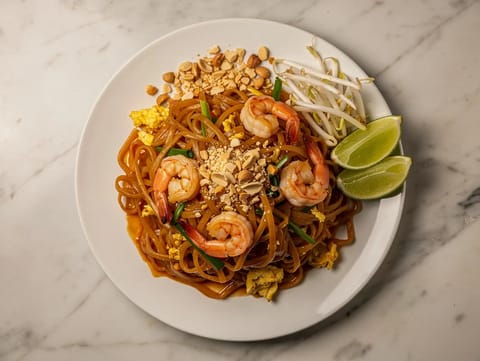
Pad Thai rice noodles with prawns, egg, peanuts and lime

Brazilian prawn stew simmered in coconut milk and tomatoes
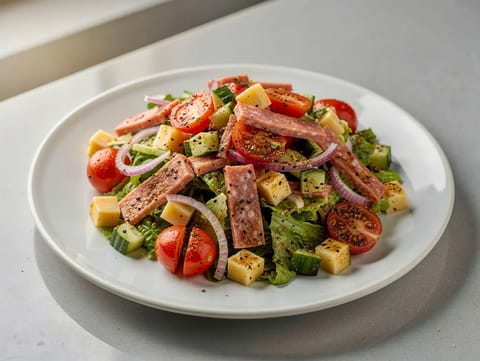
Chopped salad with lettuce, salami, provolone and vinaigrette

Yeast doughnuts filled with apricot jam and sugar
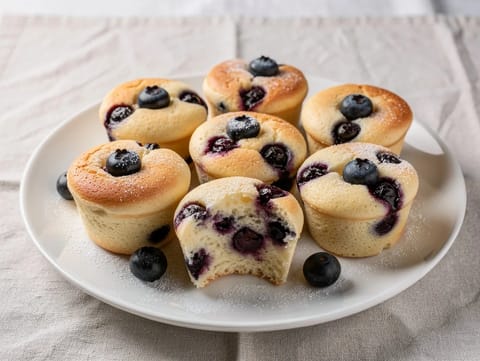
Baked pancake bites with vanilla batter and blueberries.
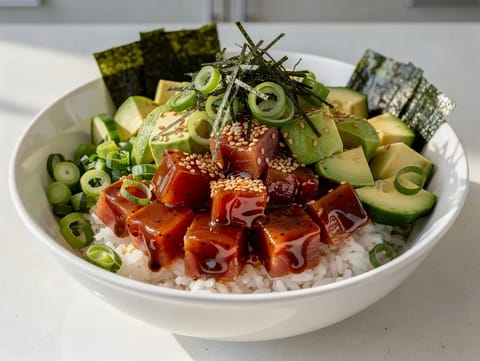
Spicy tuna and avocado over sushi rice with sesame.

Choux pastry gougères with Gruyère and diced ham
Often it’s the easiest option because you can remove the sides without turning the cake out. Some cheesecakes can be made in a lined cake tin, but unmoulding is usually trickier.
The base and sides meet at a seam, and thin batters or water can find their way through. Ensuring the base is seated correctly and lining well helps, but it may never be completely watertight.
Sometimes. A loose-bottomed tin releases differently: you push the base up rather than unclipping the sides. It can work for some cakes, but very delicate fillings may still be hard to release cleanly.
Many recipes benefit from lining the base, and sometimes the sides, to reduce sticking and make lifting out easier. The exact approach depends on whether the bake is crumb-based, sticky, or very delicate.
You can, but seepage is a risk because of the seam. Some cooks protect the outside to reduce water getting in, or choose a different tin when the recipe allows.
Make sure the base is seated the right way up and fully engaged in the ring before filling. Carry the filled pan on a tray for support, especially with heavier mixtures.
A springform pan earns its place when presentation and gentle unmoulding matter more than a perfectly sealed tin. If you understand its leak-prone seam and plan your lining and handling accordingly, it’s a straightforward tool for delicate bakes and set desserts.
