
Polenta con Ragù di Cinghiale (Polenta with Wild Boar Ragù)
Why this recipe works
- Slow-built flavour: A softened soffritto, reduced red wine, tomatoes and woody herbs give the ragù depth before the long simmer tenderises the meat.
- Creamy base: Stirring Parmesan into the polenta gives it a glossy, savoury finish that balances the richness of the game sauce.
- Hearty serving style: The soft polenta catches the ragù, making the dish generous, warming and well suited to relaxed cold-weather dinners.
Get the most out of this recipe
Timing notes
- Mostly hands-off simmering: The active work is front-loaded: once the soffritto, meat and wine are cooked down, the ragù needs a slow, occasional stir rather than constant attention.
- Serve the polenta straight away: Polenta thickens as it stands, so finish it close to serving time and loosen it with a little water if needed.
- Ragù improves after resting: The sauce can be made ahead and gently reheated; the flavours become more rounded after a night in the fridge.
Texture tips
- Keep the simmer gentle: A low, steady bubble helps the wild boar soften without the sauce reducing too aggressively.
- Whisk the polenta in gradually: Adding the maize flour in a steady stream while whisking helps prevent lumps and gives a smoother finish.
- Adjust consistency before serving: If either the ragù or polenta becomes too thick, loosen it gradually with a little stock or water until it returns to a spoonable texture.
Ingredient notes
- Wild boar: Wild boar has a deeper, leaner flavour than pork, so it benefits from slow cooking and enough moisture in the sauce.
- Parmesan finish: Parmigiano-Reggiano gives the polenta a savoury, nutty finish; Grana Padano is a milder alternative.
- Herbs: Fresh rosemary and bay give the ragù a warm, aromatic background, but remove them before serving so the sauce stays smooth and balanced.
Ingredient swaps
- Without wine: Replace the red wine with vegetable stock for an alcohol-free ragù, allowing it to simmer down so the sauce still develops depth.
- Cheese alternative: Use Grana Padano instead of Parmesan if you prefer a slightly softer, less assertive flavour.
Equipment you'll need
Ingredients
Wild boar ragù
Polenta and finish
Instructions
- Finely dice the carrot, celery and onion. Season the wild boar with 1 tsp of the fine sea salt and the black pepper.
- Heat the extra virgin olive oil in a dutch oven over medium heat. Add the carrot, celery and onion with the remaining 1 tsp salt, and cook for 8 to 10 minutes until softened and lightly golden.
- Add the wild boar and cook for 8 to 10 minutes, breaking it up and stirring, until it has lost its raw colour and begins to brown. Pour in the red wine and simmer for 5 to 7 minutes until reduced by about half.
- Stir in the canned chopped tomatoes and vegetable stock, then add the rosemary and bay leaves. Bring to a gentle simmer, cover slightly ajar, and cook for 90 minutes, stirring occasionally, until the ragù is rich and the meat is tender.
- When the ragù has about 25 minutes left, bring 1 litre water to the boil in a saucepan and whisk in the maize flour in a steady stream. Reduce to low and cook for 20 to 25 minutes, stirring often, until thick and creamy.
- Remove the rosemary and bay leaves from the ragù, then taste and adjust seasoning with a little more fine sea salt and black pepper if needed. Stir the parmesan into the polenta until melted and glossy.
- Spoon the polenta into warm bowls and ladle the wild boar ragù over the top. Finish with a little extra parmesan if you like, and serve straight away.
Recipe notes
Tips
- Keep the ragù at the gentlest simmer you can manage; a slow bubble helps it turn rich without drying out.
- If the ragù looks dry before the meat is tender, add a splash of vegetable stock and continue simmering.
- If serving anyone who is pregnant, elderly, or immunocompromised, ensure the ragù is simmered until the meat is fully cooked and piping hot throughout.
Substitutions
- Replace Red wine with the same amount of Vegetable stock for an alcohol-free ragù.
- Replace Parmesan with Grana padano cheese for a slightly milder finish.
Storage
- Refrigerate up to 3 days
- Cool the ragù and polenta quickly, then refrigerate in separate airtight containers. Reheat the ragù gently on the hob with a splash of vegetable stock; reheat the polenta with a little water, stirring until creamy. Freeze the ragù for up to 3 months; polenta can be frozen but may turn grainy, so it is best made fresh.
Ratings & reviews
Liked this recipe? Share your feedback to support our cooking community.
Tried this recipe?
Choose 1–5 stars. A comment is optional.
Stay inspired
Discover new recipes, seasonal favourites and cooking inspiration every day. Follow JustRecipes on Pinterest and Spillt.
Recipe overview
- Servings: 4 servings
- Total time: 2h 45min (35min active)
- Difficulty: Medium
- Cuisine: Italian
-
Allergens:
Milk
Plan your meals and get a complete grocery list automatically.
Add to meal plannerEquipment you'll need
Got ingredients left?
Find recipes using ingredients from this recipe or what you already have at home.
Find recipes with these ingredients →
Cozido à Portuguesa (Portuguese Boiled Dinner)
Portuguese boiled dinner with meats, sausages and vegetables
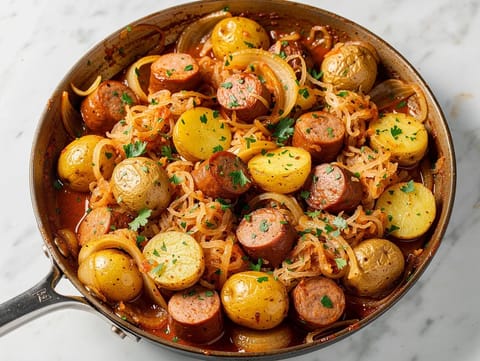
Smoked Sausage Skillet with Potatoes and Sauerkraut
One-pan smoked sausage with potatoes, sauerkraut and paprika
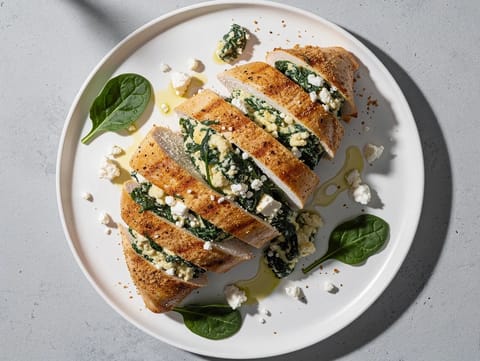
Air Fryer Spinach and Cheese Chicken
Chicken stuffed with spinach and feta, cooked in the air fryer.
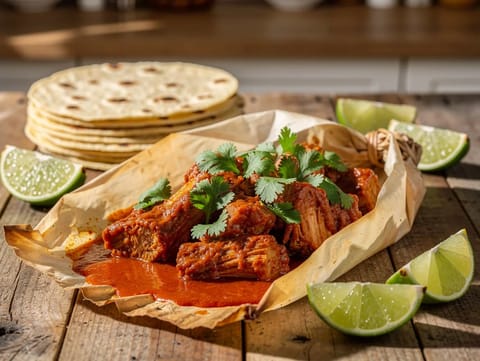
Mixiotes (Steamed Pork Parcels in Chilli Marinade)
Steamed pork parcels in chilli and tomato marinade
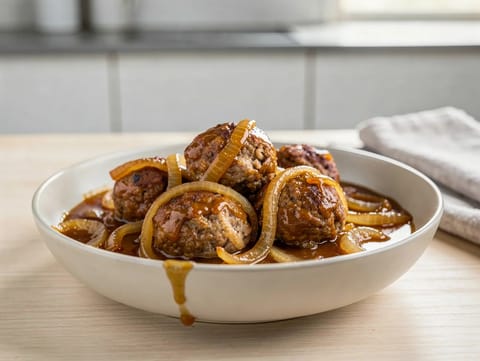
Boulets à la Liégeoise (Liège Meatballs in Sweet-Sour Onion Sauce)
Liège meatballs simmered in sweet-sour onion sauce
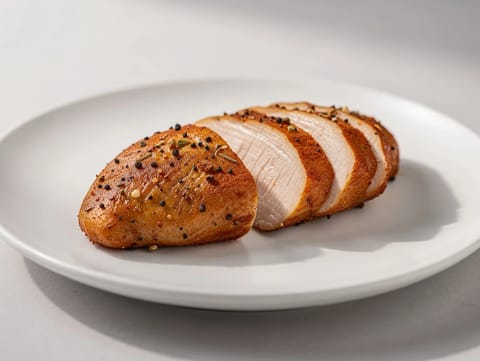
Air Fryer Chicken Breast
Juicy air fryer chicken breast with smoky paprika seasoning.

Air Fryer Parmesan Crusted Chicken Tenders
Crispy air-fried chicken tenders with a Parmesan crust.
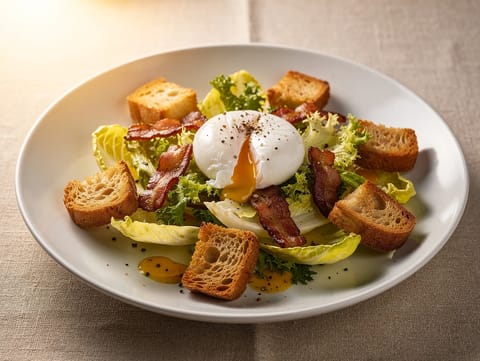
Salade Lyonnaise (Frisée Salad with Poached Egg and Lardons)
Warm frisée salad with lardons, poached egg and mustard dressing
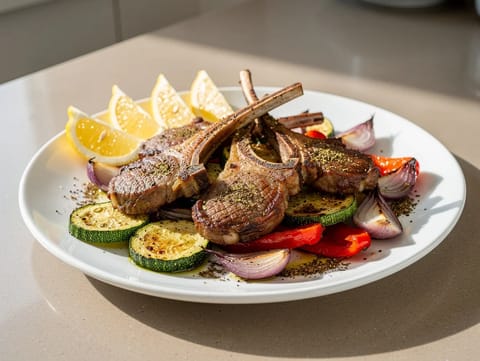
Za’atar Lamb Chops with Roasted Vegetables
Za'atar lamb chops roasted with courgette, pepper and red onion
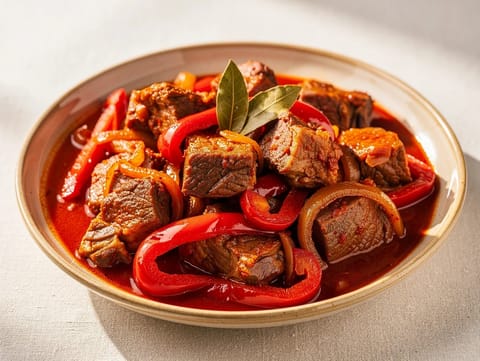
Cordero Chilindrón (Spanish Lamb with Peppers and Tomatoes)
Spanish lamb stew with tomatoes, red peppers and sweet paprika
Schnitzel (Crispy Breaded Pork Cutlets)
Crispy breaded pork schnitzel finished with lemon
Beef Wellington with Mushroom Duxelles
Beef Wellington wrapped with mushroom duxelles, prosciutto and pastry
Zuppa di Farro con Verdure (Italian Spelt and Vegetable Soup)
Italian spelt soup with beans, tomatoes, vegetables and Parmesan
Vegan Pasta e Fagioli
Italian vegan bean and pasta soup with tomatoes and herbs
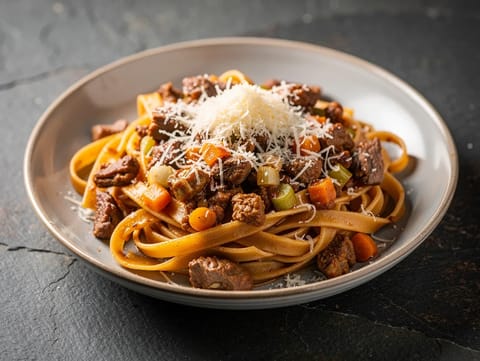
Tagliatelle al Ragù di Cinghiale (Tagliatelle with Wild Boar Ragù)
Tagliatelle with slow-simmered wild boar ragù
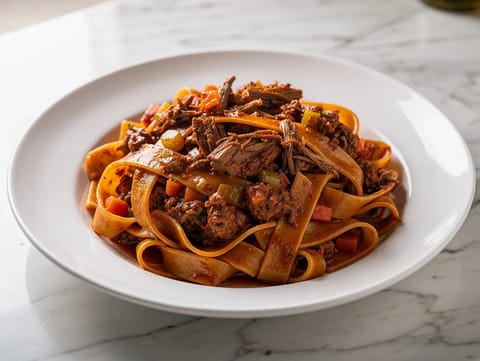
Ragù di Cinghiale (Wild Boar Ragù with Pappardelle)
Wild boar ragù tossed through pappardelle with rosemary and juniper
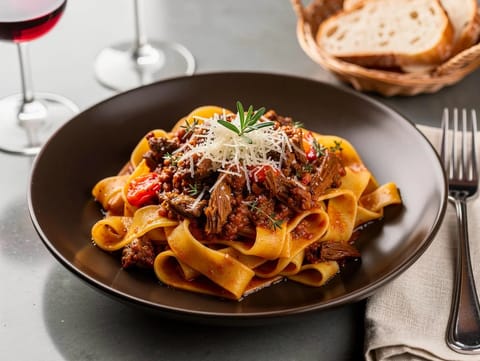
Pappardelle al Cinghiale (Pappardelle with Wild Boar Ragù)
Pappardelle with slow-simmered wild boar ragù and pecorino
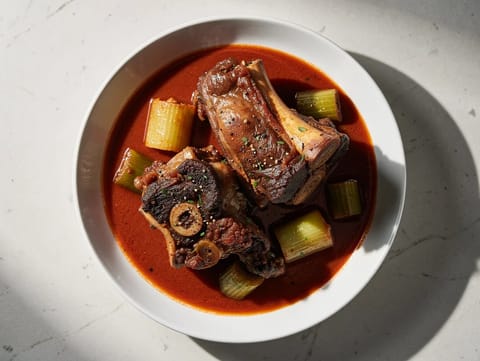
Coda alla Vaccinara (Roman Oxtail Stew)
Roman oxtail stew with tomato, red wine and celery
You might also like
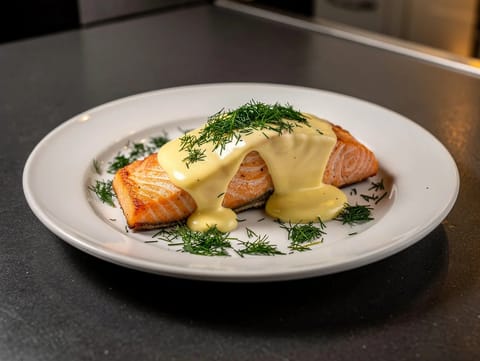
Baked Salmon with Hollandaise Sauce
Baked salmon with warm hollandaise sauce

Chicken Teriyaki Avocado Poke Bowl
Teriyaki chicken poke bowl with sushi rice, cucumber and avocado.
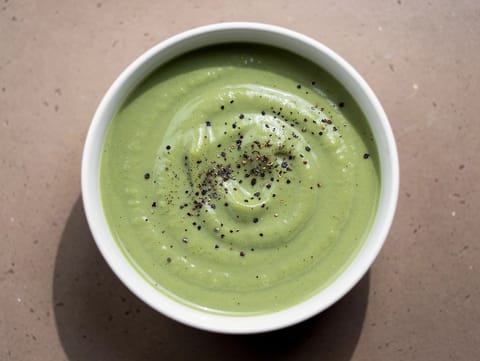
Broccoli and Stilton Soup
Creamy broccoli and Stilton soup blended smooth with leeks

Zuccotto (Florentine Dome Cake)
Florentine dome cake with cocoa sponge and ricotta filling
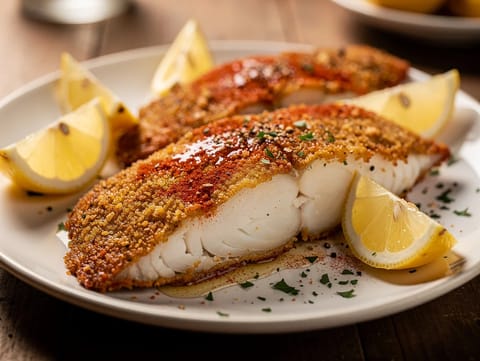
Air Fryer Cod Fillets
Breadcrumbed cod fillets cooked until flaky and golden.
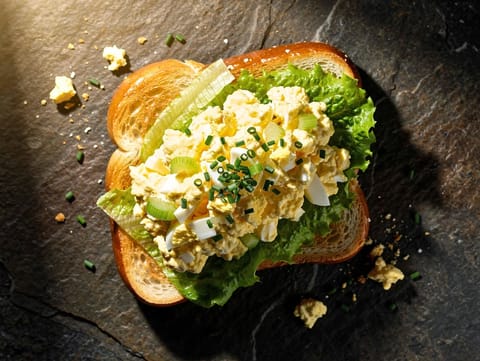
Egg Salad Sandwich on Brioche
Egg salad on toasted brioche with chives and lettuce
Make this recipe easier next time
AdvertisementThese tools help you get better results with less effort.
Misen 8-Inch Chef Knife
- AUS-10 steel
- Balanced design
- Less traditional feel
Titanium & PP Double-Sided Cutting Board
- Separate surfaces for meat and produce
- Resists odors and stains
- Harder on knife edges than wood or plastic
All-Clad Tri-Ply Stainless Steel Saucepan
- Excellent heat control
- Premium build quality
- Expensive
OXO Good Grips 2-Piece Cutting Board Set
- Two useful sizes with reversible cutting surfaces
- Dishwasher safe and easy to clean
- Plastic surfaces will show knife marks over time
Enjoy cooking with JustRecipes?
Add JustRecipes as one of your preferred Google sources to discover our recipes more easily across Google Search.
Add JustRecipes to GoogleEvery recipe on JustRecipes follows the same structured editorial process. Learn how recipes are created, validated, translated, illustrated, and continuously improved across the platform. How we create recipes.
