
Kadhi Pakora (Yoghurt Curry with Onion Fritters)
Why this recipe works
- Tangy but rounded: Plain yoghurt gives the kadhi its characteristic sharpness, while chickpea flour and ghee temper the acidity.
- Fritters with structure: The pakoras are fried first for colour and texture, then briefly simmered so they become tender without falling apart.
- Aromatic tempering: Mustard seeds, curry leaves, garlic and ghee are added at the end, keeping their fragrance vivid in the finished curry.
Get the most out of this recipe
Ingredient notes
- Use plain yoghurt: Sweetened or flavoured yoghurt will throw off the savoury balance; plain yoghurt gives the sauce its clean, tangy base.
- Whisk the besan thoroughly: Combining the chickpea flour with yoghurt before adding the rest of the water helps prevent lumps and gives the kadhi an even texture.
- Fresh curry leaves are best: Fresh curry leaves give the tempering its distinctive aroma. Dried leaves can be used if needed, but the flavour will be more muted.
Common mistakes
- Boiling the yoghurt too hard: Keep the kadhi at a gentle simmer and whisk often at the start; high heat can cause the yoghurt to split.
- Letting the flour catch: Once the besan begins to thicken the curry, stir regularly so it does not stick to the base of the pot.
- Simmering the pakoras too long: Add the fritters near the end and cook them only until tender, otherwise they can break down into the sauce.
Adjust the heat
- For a milder kadhi: Use less green chilli, or remove the seeds before chopping for a softer heat.
- For more heat: Add extra green chilli to the pakora batter or finish the kadhi with a little hot sauce, as suggested in the substitutions.
- Keep the heat rounded: The yoghurt base naturally softens chilli heat, so season gradually and taste once the kadhi has simmered.
Make-ahead tips
- Best texture strategy: For the best pakora texture, keep the curry and fritters separate if preparing ahead, then combine and warm through before serving.
- Reheat gently: Warm the kadhi over low heat, adding a splash of water if it has thickened in the fridge.
- Serve soon after combining: Once the pakoras are in the curry, they will continue to soften, so the finished dish is at its best soon after reheating or cooking.
Equipment you'll need
Ingredients
Kadhi
Pakoras
Tempering
Instructions
- Make the kadhi base: in a bowl, whisk the yoghurt with 60 g chickpea flour, ground turmeric, ground cumin, fine sea salt and a splash of the water until smooth. Whisk in the remaining water a little at a time to make a thin, lump-free mixture.
- Pour the mixture into a large pot and bring to a gentle simmer over medium heat, whisking often so it does not catch. Reduce the heat to low and simmer for 25 minutes, stirring regularly, until slightly thickened and the raw taste of the flour has cooked out.
- Meanwhile, prepare the pakoras: thinly slice the onion, finely chop the green chilli, and grate the ginger. Put them in a bowl with 120 g chickpea flour, ground turmeric, ground cumin and fine sea salt, then add 90 ml water gradually to make a thick, clinging batter.
- Heat the vegetable oil in a frying pan over medium-high heat until a small drop of batter sizzles immediately. Drop in heaped spoonfuls of batter and fry for 3 to 4 minutes, turning once, until deep golden and crisp. Lift out with a slotted spoon and drain briefly.
- Slide the pakoras into the simmering kadhi and cook for 6 to 8 minutes so they turn tender inside but do not break down. Keep the heat low and stir gently.
- Make the tempering: in a small saucepan, heat the ghee over medium heat. Add the brown mustard seeds and cook until they start to pop, then add the curry leaves and sliced garlic and cook for 30 to 60 seconds until fragrant. Pour the tempering over the kadhi, stir once, and serve hot.
Recipe notes
Serving suggestions
This recipe pairs well with:
Tips
- Keep the kadhi at a gentle simmer and whisk well at the start to prevent the yoghurt from splitting.
- For pakoras that stay tender inside, fry until deep golden, then simmer them in the kadhi only briefly before serving.
- If serving vulnerable groups, use pasteurised yoghurt and make sure the curry is piping hot throughout.
Substitutions
- Replace ghee with unsalted butter for a similar richness in the tempering.
- Replace brown mustard seeds with yellow mustard seeds for a milder, less pungent tempering.
- Replace green chili pepper with 1 tsp hot sauce stirred into the kadhi at the end for heat without fresh chillies.
Storage
- Refrigerate up to 3 days
- Cool, cover and refrigerate. Reheat gently in a saucepan over low heat, adding a splash of water to loosen, and warm until piping hot; the pakoras will soften further as they sit.
Ratings & reviews
Liked this recipe? Share your feedback to support our cooking community.
Tried this recipe?
Choose 1–5 stars. A comment is optional.
Stay inspired
Discover new recipes, seasonal favourites and cooking inspiration every day. Follow JustRecipes on Pinterest and Spillt.
Recipe overview
- Servings: 4 servings
- Total time: 1h (50min active)
- Difficulty: Medium
- Cuisine: Indian
-
Allergens:
Milk
Plan your meals and get a complete grocery list automatically.
Add to meal plannerEquipment you'll need
Got ingredients left?
Find recipes using ingredients from this recipe or what you already have at home.
Find recipes with these ingredients →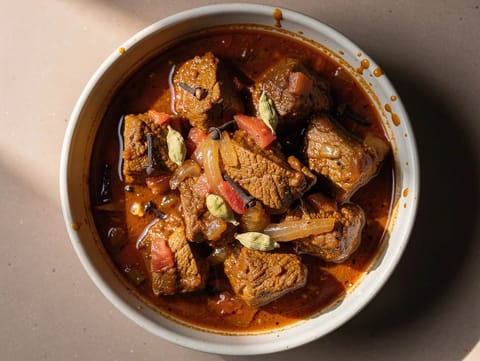
Pork Vindaloo (Goan-Style Pork Curry)
Goan-style pork vindaloo with vinegar, garlic and spices
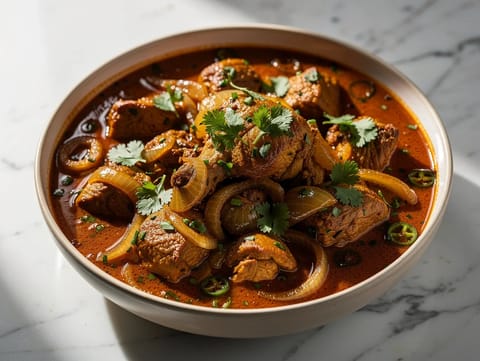
Chicken Do Pyaza (Chicken Curry with Onions)
North Indian chicken curry with onions, tomatoes, spices and yoghurt
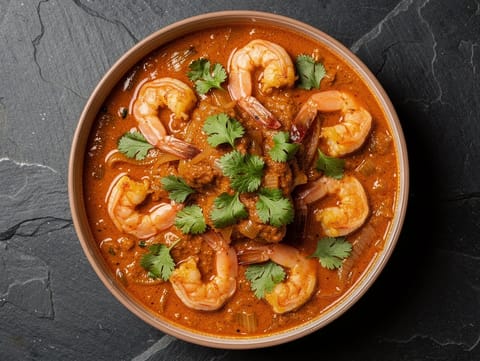
Prawn Masala Curry
Prawns in a spiced onion and tomato masala sauce

Chicken Tikka Masala with Basmati Rice
Chicken tikka masala in a creamy tomato sauce with basmati rice
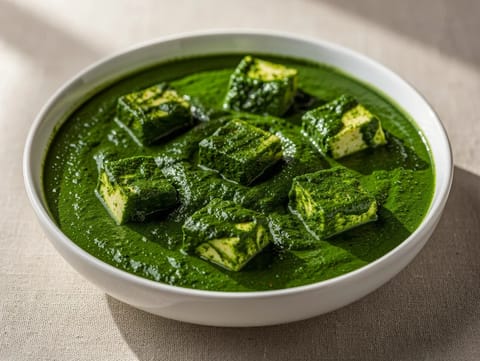
Palak Paneer (Spinach and Paneer Curry)
Smooth spinach curry with paneer
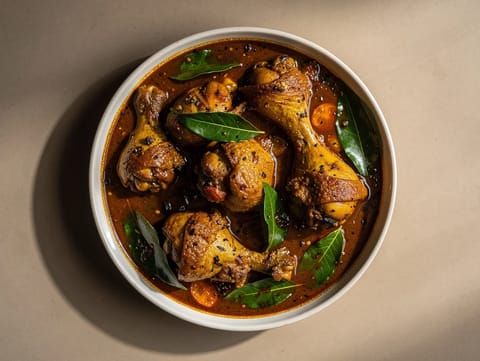
Chicken Chettinad (South Indian Spiced Curry)
South Indian chicken curry with coconut milk and curry leaves
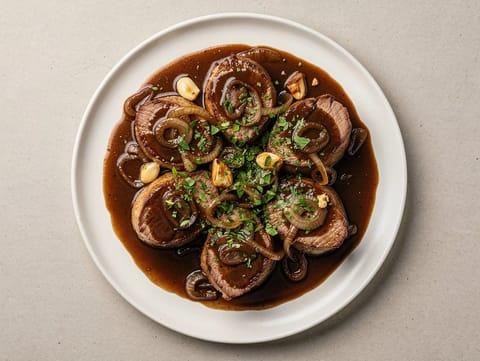
Solomillo al Pedro Ximénez (Pork Tenderloin in Pedro Ximénez Sauce)
Seared pork tenderloin finished in a glossy Pedro Ximénez sauce
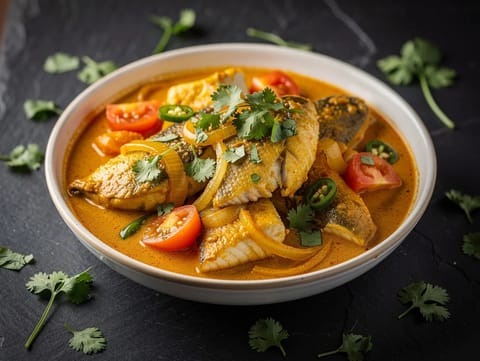
Goan Fish Curry with Coconut and Tamarind
Goan fish curry with coconut milk and tamarind
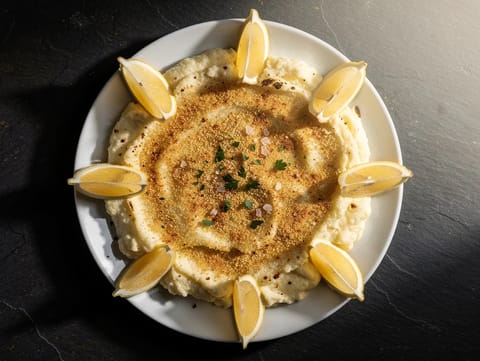
Brandade de Morue (French Salt Cod and Potato Gratin)
Salt cod and potato gratin with garlic and breadcrumbs
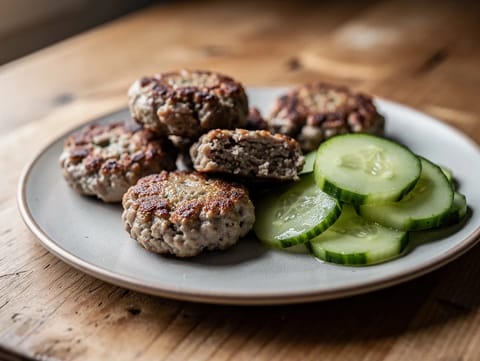
Danish Frikadeller (Pork Patties) with Pickled Cucumber
Pan-fried Danish pork patties with pickled cucumber
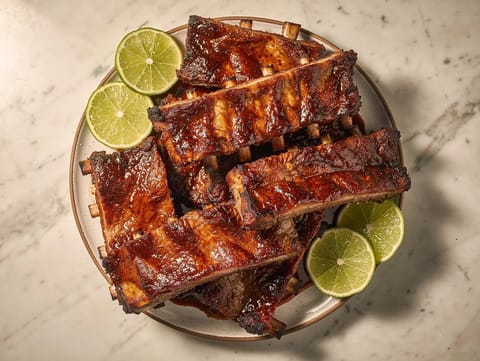
Costillas de Cerdo Adobadas (Adobo-Marinated Pork Ribs)
Roasted pork ribs in smoky adobo with a glossy glaze
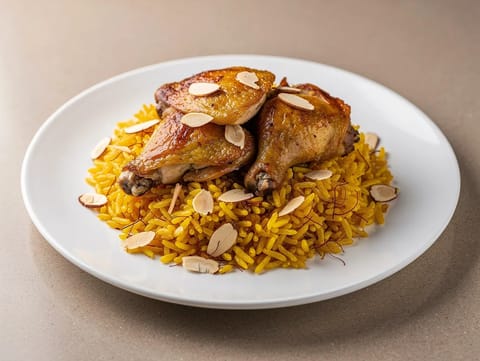
Chicken Muhammar with Saffron Rice
Braised chicken with saffron rice and toasted almonds
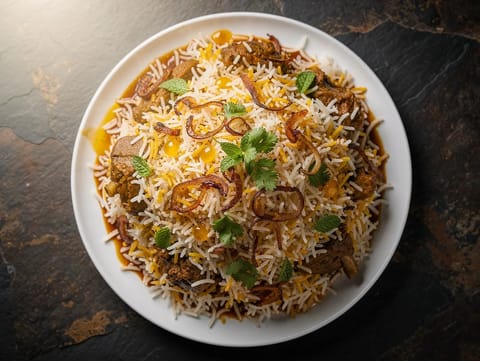
Hyderabadi-Style Lamb Biryani
Hyderabadi-style lamb biryani layered with rice and fried onions
Chicken Do Pyaza (Chicken Curry with Onions)
North Indian chicken curry with onions, tomatoes, spices and yoghurt
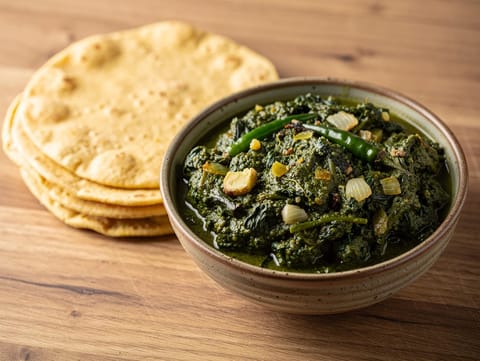
Sarson da Saag with Makki di Roti (Mustard Greens Curry and Maize Flatbread)
Mustard greens and spinach curry served with maize flatbread
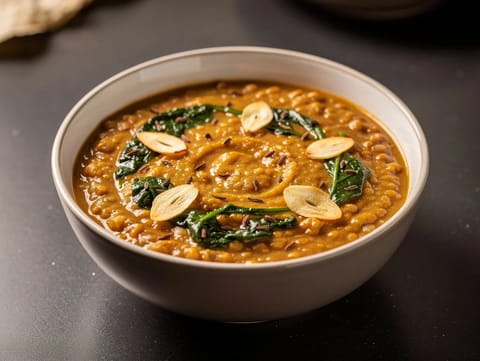
Palak Dal (Spinach and Lentil Curry)
Creamy palak dal with spinach and a cumin, garlic and chilli tarka
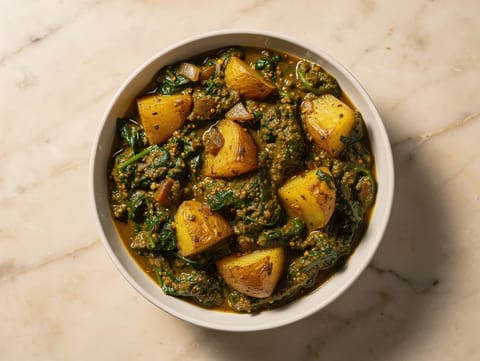
Saag Aloo (Spinach and Potato Curry)
Spinach and potato curry finished with ghee and lemon
Palak Paneer (Spinach and Paneer Curry)
Smooth spinach curry with paneer
You might also like
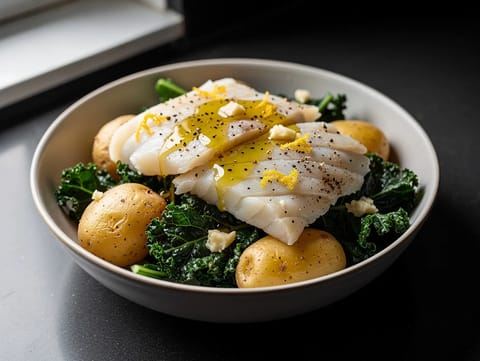
Bacalhau Bowl (Salt Cod with Potatoes and Kale)
Poached salt cod bowl with potatoes, kale and lemon
Belgian Beer-Braised Ham with Mustard and Brown Sugar Glaze
Beer-braised ham with mustard and brown sugar glaze

Isterband with Dill Potatoes (Smoked Sausage with Potatoes)
Smoked sausage served with dill potatoes and mustard
Spätzle Mushroom Bowl with Creamy Mushroom Sauce
Spätzle with creamy mushroom sauce, onion, garlic and parsley

Agedashi Tofu (Fried Tofu in Dashi Broth)
Crisp fried tofu served in warm dashi broth
Psarosoupa (Greek Fish Soup with Lemon and Vegetables)
Light Greek fish soup finished with lemon and olive oil
Make this recipe easier next time
AdvertisementThese tools help you get better results with less effort.
KitchenAid Stainless Steel Mixing Bowls
- Non-slip base
- Stainless steel
- Not microwave safe
T-fal Specialty Nonstick Handy Pot with Glass Lid 3 Quart
- Easy food release
- Dishwasher safe
- Not induction compatible
OXO Good Grips Stainless Mixing Bowl Set
- Non-slip base
- Comfort grip
- Higher price
WMF Mini Saucepan 16 cm with Lid
- High-quality stainless steel
- Even heat distribution
- Higher price point
Enjoy cooking with JustRecipes?
Add JustRecipes as one of your preferred Google sources to discover our recipes more easily across Google Search.
Add JustRecipes to GoogleEvery recipe on JustRecipes follows the same structured editorial process. Learn how recipes are created, validated, translated, illustrated, and continuously improved across the platform. How we create recipes.
