
Sekihan (Japanese Adzuki Bean Rice)
Why this recipe works
- Natural colour and flavour: The adzuki cooking liquid tints the rice gently while adding a mild bean flavour without needing extra seasoning.
- Simple ingredient list: Rice, beans, sesame and salt create a distinctive dish with very few components.
- Stores well: Cooked sekihan can be chilled or frozen in portions, then gently reheated with a little moisture to restore its sticky texture.
Get the most out of this recipe
Authenticity notes
- Celebration rice: Sekihan is widely associated with auspicious occasions in Japan, with the red-tinted rice forming part of its recognisable identity.
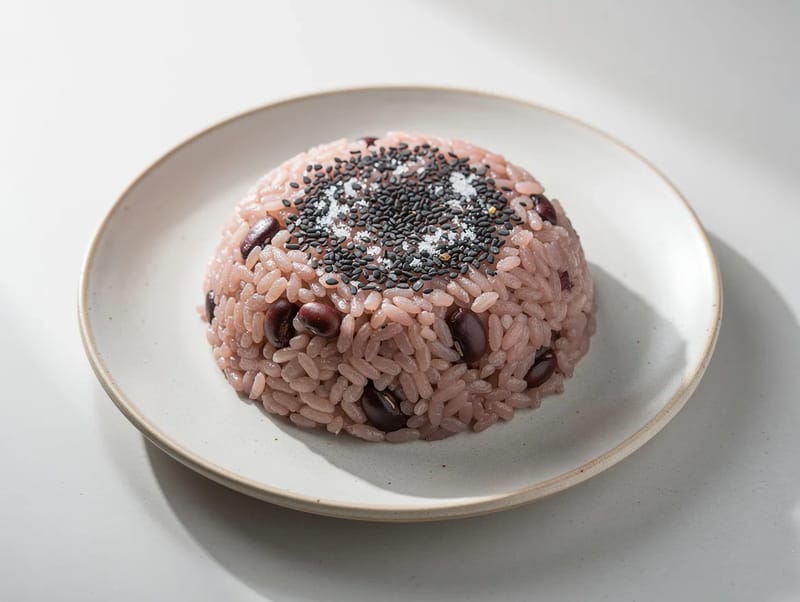
- Colour from the beans: The rice is not dyed; the rosy tone comes from soaking and cooking the glutinous rice with the adzuki bean liquid.
- Sesame salt finish: Black sesame and fine salt give the mild rice its customary nutty, savoury finishing touch.
Ingredient notes
- Use glutinous rice: Glutinous rice gives sekihan its signature sticky, chewy texture; ordinary short-grain rice will cook less cohesively.
- Keep the beans whole: Cook the adzuki until tender but still holding their shape, then fold them through gently to avoid breaking them up.
- Season at the end: The sesame salt is the main seasoning, so adjust it at serving rather than making the rice itself salty.
Timing notes
- Mostly passive time: The active work is brief; most of the recipe is bean simmering, rice soaking, steaming and resting.
- Rest before fluffing: Leaving the rice covered after cooking helps the steam settle evenly, making the grains tender and sticky.
- Serve warm: Sekihan is at its best warm, when the rice is soft and the sesame salt is fragrant.
Make-ahead tips
- Best texture on the day: The rice has its finest chew on the day it is cooked, especially when served warm after resting.
- Freeze in portions: Cool the rice quickly, then freeze individual portions so they can be defrosted and reheated as needed.
- Reheat with moisture: Use a steamer or rice cooker with a splash of water to warm the rice through without drying it out.
Equipment you'll need
Ingredients
Instructions
- Rinse the adzuki beans, then put them in a saucepan with the water. Bring to the boil, boil for 2 minutes, then drain and return the beans to the pan with fresh water from the measured amount.
- Bring back to a gentle simmer and cook for 25 to 35 minutes, until the beans are tender but still hold their shape. Strain, reserving the cooking liquid, and let both cool until just warm.
- Rinse the glutinous rice in several changes of water until the water runs mostly clear, then drain well. Soak the rice in enough reserved bean cooking liquid to cover for 20 minutes, then drain, reserving the soaking liquid.
- Tip the drained rice into a rice cooker or steamer bowl and stir in the cooked beans. Add reserved bean liquid to cook the rice, using the same total liquid volume you would normally use for this amount of glutinous rice in your cooker or steamer setup.
- Steam or cook until the rice is tender and sticky, 25 to 30 minutes, then rest for 10 minutes with the lid on. Fluff gently to avoid crushing the beans.
- Toast the black sesame seeds in a dry pan over a low heat for 2 to 3 minutes until fragrant, then mix with the fine sea salt. Serve the sekihan warm, sprinkled with the sesame salt.
Recipe notes
Tips
- If the bean cooking liquid looks very dark, dilute it with a little water before cooking the rice so the colour stays rosy rather than brownish.
- For the best texture, keep the beans intact by stirring them through the rice gently just before cooking and fluffing with a light hand after steaming.
Substitutions
- Replace black sesame seeds with roasted sesame seeds for a milder, more familiar flavour.
- Replace fine sea salt with pink himalayan salt for a slightly rounder saltiness in the sesame salt.
Storage
- Refrigerate up to 2 days
- Cool quickly, then refrigerate in a sealed container. Reheat in a steamer or rice cooker with a splash of water until piping hot; freeze in portions for up to 1 month and defrost overnight in the fridge before reheating.
Ratings & reviews
Liked this recipe? Share your feedback to support our cooking community.
Tried this recipe?
Choose 1–5 stars. A comment is optional.
Stay inspired
Discover new recipes, seasonal favourites and cooking inspiration every day. Follow JustRecipes on Pinterest and Spillt.
Recipe overview
- Servings: 4 servings
- Total time: 1h 25min (20min active)
- Difficulty: Easy
- Cuisine: Japanese
-
Allergens:
Sesame
Plan your meals and get a complete grocery list automatically.
Add to meal plannerEquipment you'll need
Got ingredients left?
Find recipes using ingredients from this recipe or what you already have at home.
Find recipes with these ingredients →
Pea and Mint Risotto with Crispy Pancetta
Creamy risotto with peas, mint and crispy pancetta
Vietnamese Ginger Fish Bowl with Jasmine Rice
Jasmine rice bowl with ginger fish and lime dressing

Arroz con Pollo (Chicken and Saffron Rice One-Pot)
One-pot chicken thighs with saffron rice, peppers, tomato and peas

Quick Dal Tadka with Jeera Rice
Red lentil dal with cumin, garlic and chilli tadka

Latin-Style Chicken Rice Bowl with Black Beans and Avocado
Chicken rice bowl with black beans, avocado and lime

Egg Fried Rice with Prawns
Stir-fried rice with prawns, egg, peas and spring onions

Maiale al Latte (Pork Braised in Milk)
Pork braised in milk with sage, garlic and lemon
Tiradito with Ponzu Dressing (Japanese-Peruvian Salmon)
Chilled salmon tiradito with ponzu dressing and sesame oil

Honey Garlic Salmon with Green Beans
Glazed salmon with green beans

Tamales de Rajas con Crema (Poblano and Crema Tamales)
Corn husk tamales with roasted poblano, onion and crema

Agnolotti del Plin (Stuffed Pasta with Brown Butter and Sage)
Stuffed pasta with pork, spinach, brown butter and sage

Hühnerfrikassee (German Chicken Fricassee with Rice)
Creamy German chicken fricassee with rice, carrots and peas
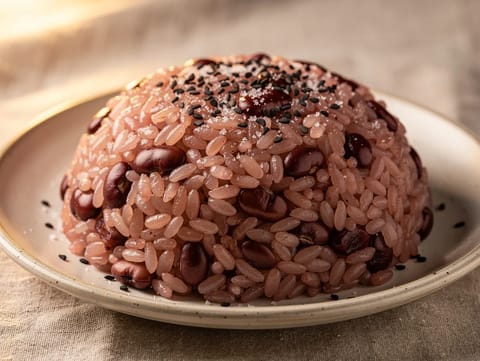
Sekihan (Red Bean Rice for Celebrations)
Glutinous rice cooked with adzuki beans and black sesame
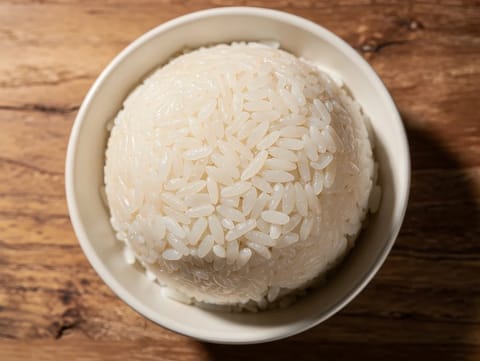
Sticky Rice (Khao Niao)
Thai sticky rice steamed from soaked glutinous rice

Patjuk (Korean Red Bean Porridge)
Korean red bean porridge with rice flour dumplings
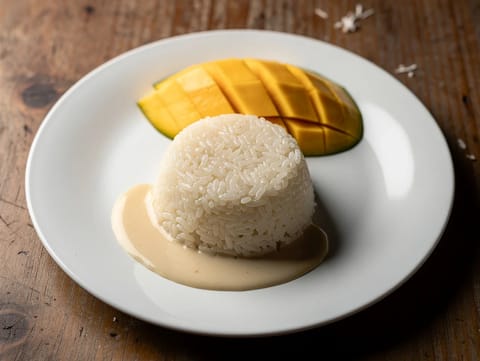
Mango Sticky Rice
Sticky coconut rice served with ripe mango
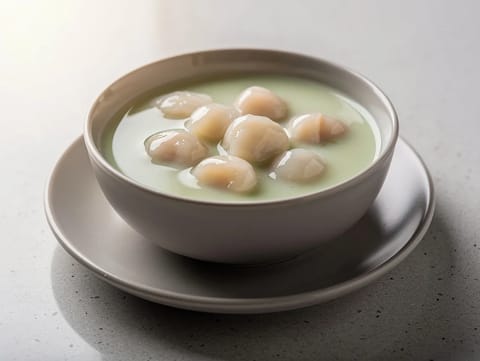
Bua Loy (Sweet Rice Dumplings in Coconut Milk)
Thai rice dumplings served in warm pandan coconut milk
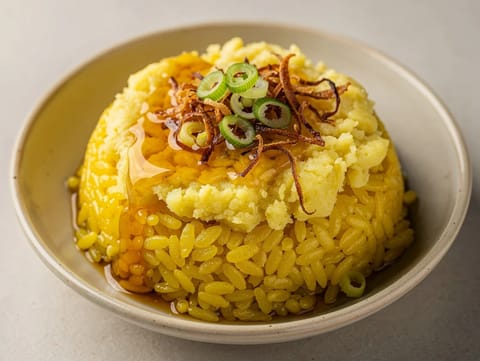
Xoi Xeo (Savoury Mung Bean Sticky Rice)
Turmeric sticky rice with mung beans and fried shallots
You might also like
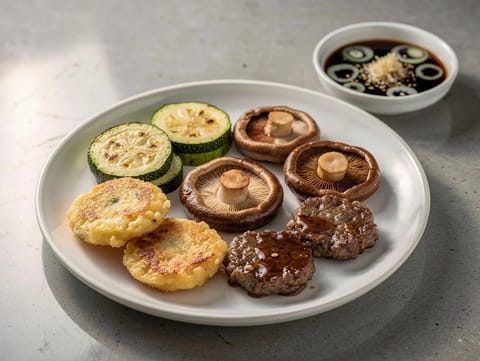
Holiday Jeon (Assorted Korean Pancakes)
Assorted Korean pan-fried pancakes with a soy vinegar dipping sauce

Thai-Style Tamarind Iced Tea
Tamarind iced tea with black tea and lime

Onigiri (Rice Balls)
Hand-shaped rice balls with salmon filling and nori
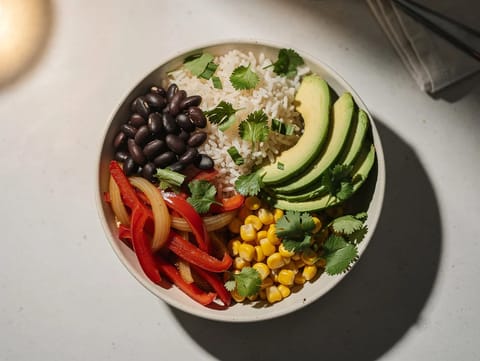
Mexican Veggie Burrito Bowl with Black Beans and Avocado
Veggie burrito bowl with rice, beans, avocado and sour cream

Latin Quinoa Soup
Tomato quinoa soup with black beans, sweetcorn and lime

Julekake (Norwegian Christmas Bread with Raisins and Mixed Peel)
Soft Norwegian Christmas bread with raisins and mixed peel
Make this recipe easier next time
AdvertisementThese tools help you get better results with less effort.
WMF Mini Saucepan 16 cm with Lid
- High-quality stainless steel
- Even heat distribution
- Higher price point
T-fal Specialty Nonstick Handy Pot with Glass Lid 3 Quart
- Easy food release
- Dishwasher safe
- Not induction compatible
All-Clad Tri-Ply Stainless Steel Saucepan
- Excellent heat control
- Premium build quality
- Expensive
Enjoy cooking with JustRecipes?
Add JustRecipes as one of your preferred Google sources to discover our recipes more easily across Google Search.
Add JustRecipes to GoogleEvery recipe on JustRecipes follows the same structured editorial process. Learn how recipes are created, validated, translated, illustrated, and continuously improved across the platform. How we create recipes.
