
Poulet à l’Estragon (Creamy Tarragon Chicken)
Why this recipe works
- Built-in depth: Browning the chicken first leaves savoury pan juices that enrich the shallot, wine and stock base.
- Smooth cream sauce: Double cream thickens the cooking liquid into a glossy sauce that coats the chicken without needing a separate roux.
- Classic herb finish: Adding fresh tarragon near the end preserves its distinctive aroma and keeps the sauce bright rather than heavy.
Get the most out of this recipe
Common mistakes
- Boiling after adding cream: Keep the heat low once the double cream goes in; a hard boil can make the sauce split or turn greasy.
- Rushing the chicken: Bone-in thighs need the covered simmer to cook through fully, so check that the juices run clear before serving.
- Serving a thin sauce: If the sauce needs more body, remove the cooked chicken and reduce the sauce briefly before returning the meat to warm through.
Ingredient notes
- Use fresh tarragon if possible: Fresh tarragon gives the sauce its clean, aniseed fragrance; dried tarragon is stronger and less delicate, so it changes the finish.
- Choose a dry white wine: A crisp, dry white wine works best because it adds acidity without making the cream sauce taste sweet.
- Double cream matters: Double cream gives a stable, rich sauce and is less likely to split than lower-fat alternatives when warmed gently.
Serving ideas
- Serve with rice: Plain rice is ideal for catching the creamy tarragon sauce without competing with it.
- Add green beans: Green beans bring freshness and a little snap alongside the rich chicken and cream.
- Finish with extra tarragon: A final scattering of fresh tarragon reinforces the herb flavour and lifts the sauce just before serving.
Make-ahead tips
- Prepare the base ahead: The chicken can be cooked in the sauce ahead, then cooled and refrigerated before finishing gently to serve.
- Reheat gently: Warm over low heat until piping hot, adding a little stock if the sauce has thickened too much.
- Best not frozen: Cream sauces can become grainy after freezing, so this dish is better kept in the fridge and eaten within a few days.
Equipment you'll need
Ingredients
Instructions
- Pat the chicken dry, then season all over with the salt and pepper. Peel and finely slice the shallots. Pick the tarragon leaves and roughly chop them.
- Melt the butter in a Dutch oven over medium-high heat. Add the chicken, skin-side down, and brown well for 6 to 8 minutes, then turn and brown the other side for 3 to 4 minutes. Transfer to a plate.
- Reduce the heat to medium and add the shallots to the pan. Cook for 3 to 4 minutes until softened, scraping up any browned bits. Pour in the wine and simmer for 2 to 3 minutes to reduce slightly.
- Stir in the chicken stock and Dijon mustard until smooth. Return the chicken to the pan, skin-side up, and bring to a gentle simmer. Cover and cook for 15 to 18 minutes, until the chicken is cooked through and the juices run clear.
- Lower the heat and stir in the double cream. Simmer gently, uncovered, for 3 to 5 minutes until the sauce lightly thickens, without letting it boil. Stir through most of the tarragon, then scatter the rest over the top to serve.
Recipe notes
Serving suggestions
This recipe pairs well with:
Tips
- For the best sauce, keep the simmer very gentle after adding the double cream so it stays smooth and does not split.
- If the sauce is thinner than you like, lift out the chicken once cooked and simmer the sauce for a few minutes to reduce, then return the chicken to warm through.
- If serving vulnerable people, make sure the chicken is fully cooked through before serving.
Substitutions
- Replace Dry White Wine with the same amount of Chicken stock for an alcohol-free version.
- Replace Fresh tarragon with Fresh parsley for a milder, more neutral herb finish.
Storage
- Refrigerate up to 3 days
- Cool, then refrigerate in a sealed container. Reheat gently in a saucepan over low heat until piping hot, adding a splash of Chicken stock if the sauce has thickened too much; avoid boiling.
Ratings & reviews
Liked this recipe? Share your feedback to support our cooking community.
Tried this recipe?
Choose 1–5 stars. A comment is optional.
Stay inspired
Discover new recipes, seasonal favourites and cooking inspiration every day. Follow JustRecipes on Pinterest and Spillt.
Recipe overview
- Servings: 4 servings
- Total time: 45min (20min active)
- Difficulty: Easy
- Cuisine: French
-
Allergens:
Milk Mustard
Plan your meals and get a complete grocery list automatically.
Add to meal plannerEquipment you'll need
Got ingredients left?
Find recipes using ingredients from this recipe or what you already have at home.
Find recipes with these ingredients →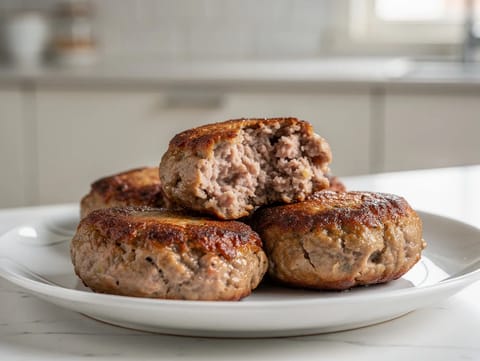
Frikadeller (Danish Pan-Fried Pork Meatballs)
Danish pan-fried pork meatballs with onion and breadcrumbs
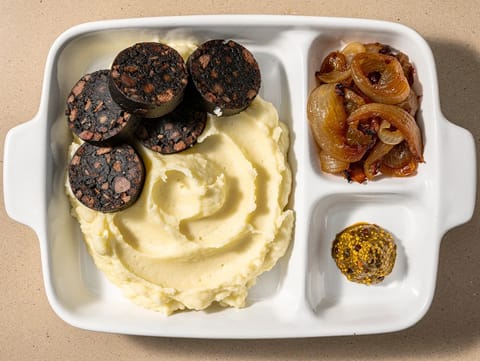
Black Pudding with Mash
Pan-fried black pudding with buttery mash and caramelised onions
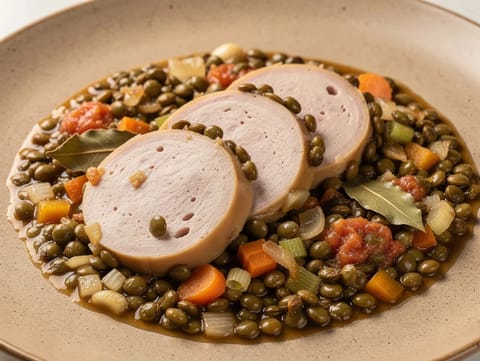
Zampone e Lenticchie (Sausage with Lentils)
Sausage served over lentils with tomato and stock
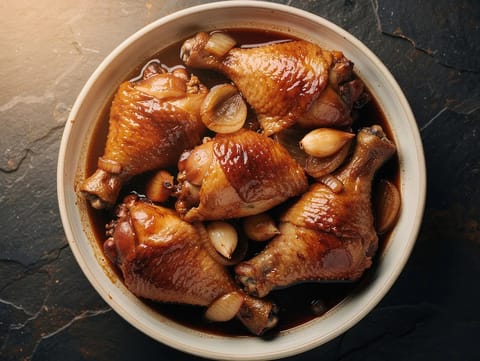
Pollo a la Coca-Cola (Chicken in Chipotle Cola Sauce)
Chicken simmered with chipotle, onion and a glossy cola sauce
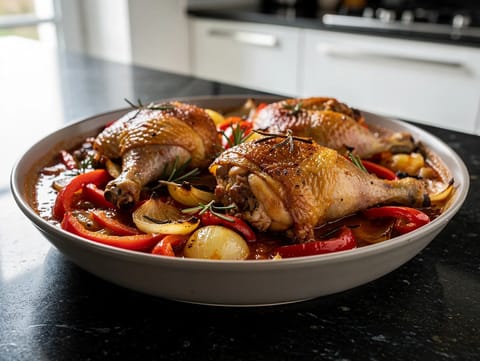
Pollo alla Romana (Chicken Braised with Peppers in Tomato Sauce)
Chicken braised with peppers in a tomato and white wine sauce
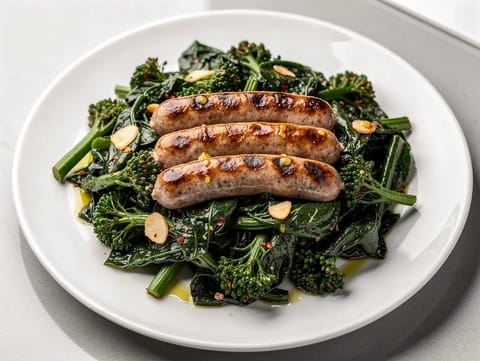
Salsiccia e Friarielli (Italian Sausages with Broccoli Rabe)
Italian sausages served over garlicky broccoli rabe with lemon
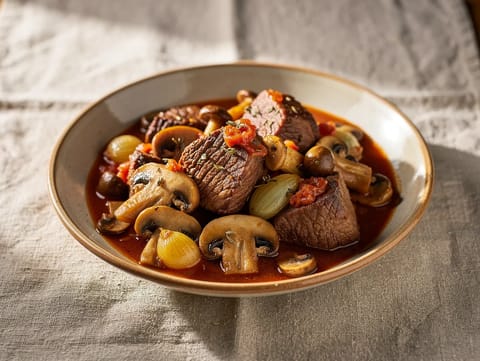
Estofado de Jabalí con Setas (Wild Boar and Mushroom Stew)
Wild boar and mushroom stew braised with red wine
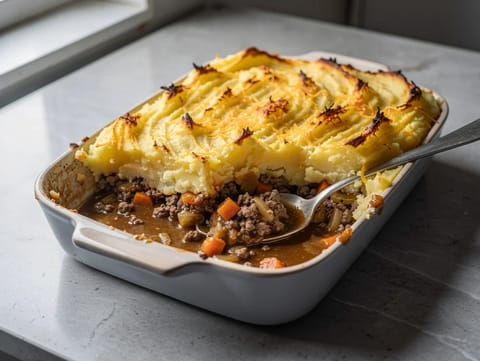
Cottage Pie with Cheesy Mash Topping
Cottage pie topped with cheddar mash and baked until golden
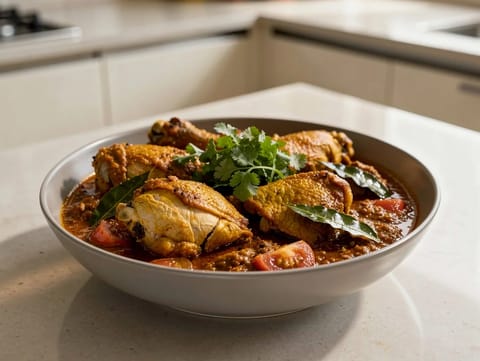
Chicken Chettinad Curry
South Indian chicken curry with toasted spices, pepper and coconut
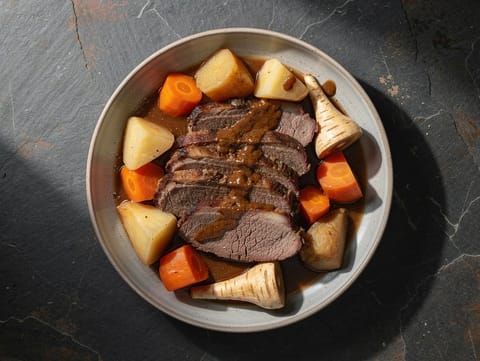
Braised Beef Brisket with Root Vegetables
Braised brisket with red wine and root vegetables
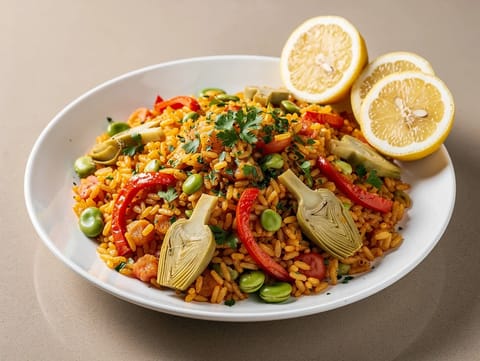
Vegetarian Paella with Artichokes and Broad Beans
Vegetarian paella with saffron rice, artichokes and broad beans
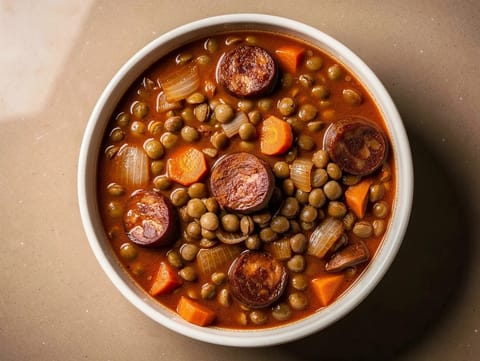
Lentejas con Chorizo (Spanish Lentil and Chorizo Stew)
Spanish lentil stew simmered with chorizo, tomato and smoked paprika
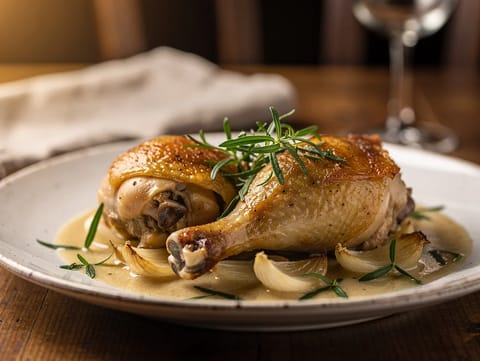
Fricassée de Poulet à l’Estragon (Chicken with Tarragon Cream)
French chicken fricassée in a tarragon and cream sauce
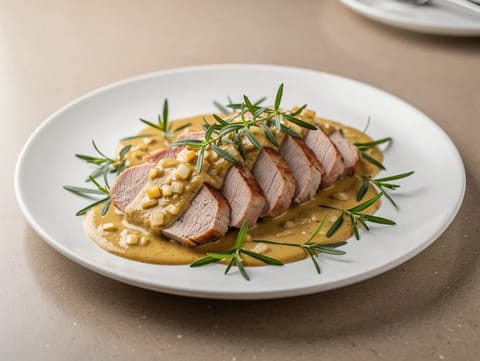
Pork Tenderloin with Dijon and Tarragon Sauce
Seared pork tenderloin with Dijon and tarragon cream sauce
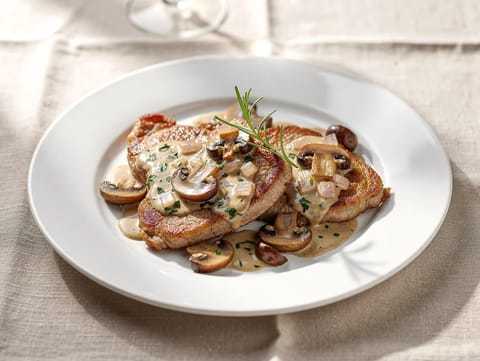
Veal Escalope with Mushroom and Tarragon Cream Sauce
Pan-fried veal escalopes with mushroom and tarragon cream sauce
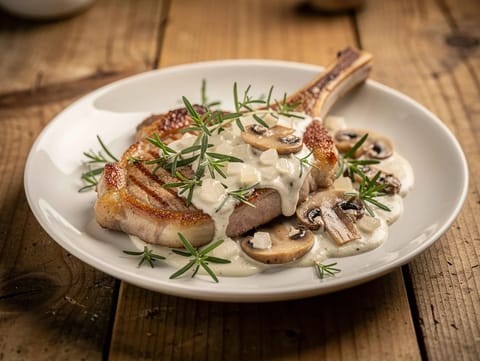
Côte de Veau à la Crème (Veal Chops with Mushroom Cream Sauce)
Veal chops with creamy mushroom sauce
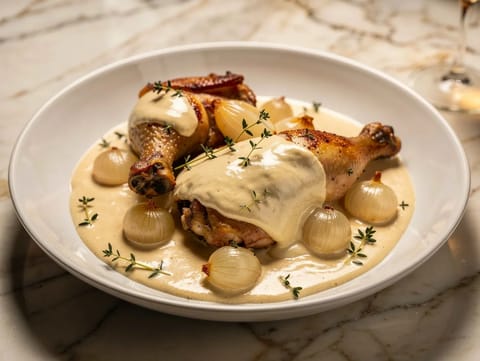
Poulet en Sauce Normande (Chicken in Cream and Apple Sauce)
Chicken simmered with apples, cider, mustard and double cream
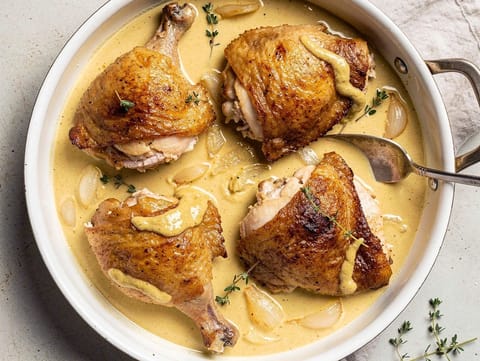
Poulet Moutarde (French Mustard Chicken)
Chicken simmered in a Dijon mustard and white wine sauce
You might also like
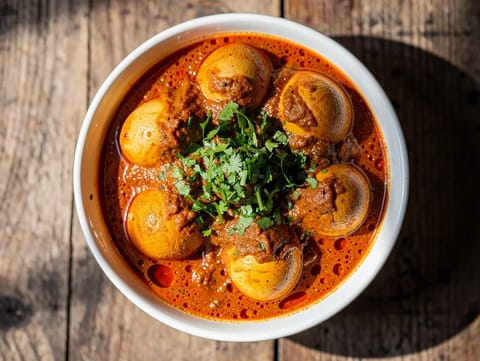
Egg Curry (Anda Masala)
Egg curry in a spiced tomato and onion gravy

Vegetarian Black Bean Burgers
Crisp pan-fried black bean burgers in toasted buns
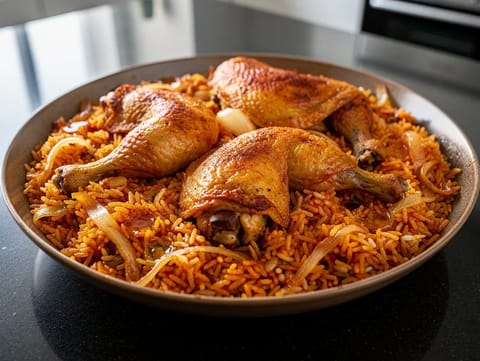
Eid Chicken Pilaf (Turkish Rice Cooked in Stock with Browned Thighs)
Turkish chicken pilaf with basmati rice simmered in stock
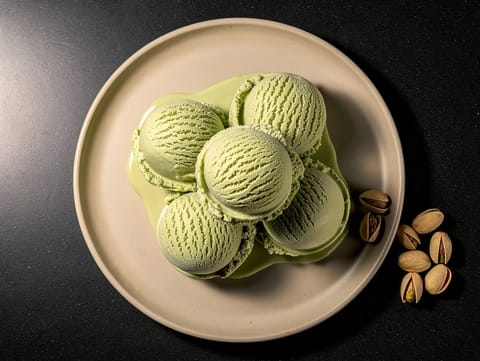
Gelato al Pistacchio (Sicilian Pistachio Gelato)
Smooth Sicilian-style pistachio gelato
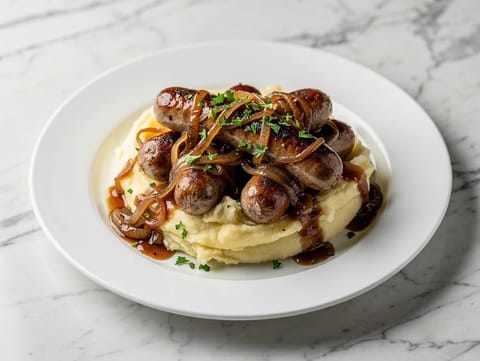
Gluten-Free Bangers and Mash with Onion Gravy
Gluten-free sausages with mash and onion gravy
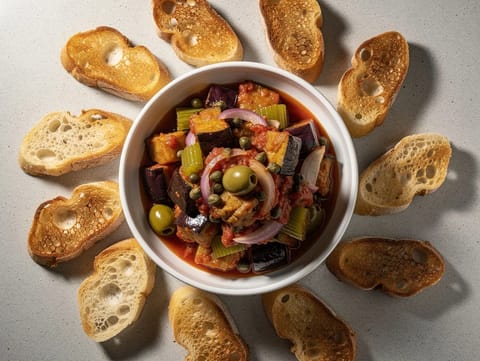
Caponata Siciliana (Sweet-Sour Aubergine Relish) with Crostini
Sweet-sour aubergine caponata served with crisp crostini
Enjoy cooking with JustRecipes?
Add JustRecipes as one of your preferred Google sources to discover our recipes more easily across Google Search.
Add JustRecipes to GoogleEvery recipe on JustRecipes follows the same structured editorial process. Learn how recipes are created, validated, translated, illustrated, and continuously improved across the platform. How we create recipes.
