
Poached Salmon with Hollandaise and Asparagus
Why this recipe works
- Gentle cooking: Poaching keeps the salmon tender and evenly cooked, avoiding the dryness that can come from stronger direct heat.
- Glossy sauce: Whisking warm butter slowly into the egg yolks creates a smooth hollandaise that coats the fish and asparagus cleanly.
- Bright finish: Lemon juice cuts through the richness of the butter sauce and keeps the dish fresh rather than heavy.
Get the most out of this recipe
Timing notes
- Serve straight away: Hollandaise is at its best warm, loose and glossy, so plate the salmon and asparagus as soon as the sauce is finished.
- Prepare before whisking: Trim the asparagus, zest and juice the lemon, and melt the butter before starting the hollandaise so the sauce can be made without pauses.
Common mistakes
- Do not boil the salmon: Keep the poaching water at a bare simmer; vigorous bubbling can break the fillets and cook the outside before the centre is ready.
- Keep the hollandaise gentle: If the bowl gets too hot, the yolks can scramble. Use barely simmering water and whisk constantly.
- Add butter slowly at first: The emulsion is most fragile at the beginning, so whisk in the warm butter gradually until the sauce starts to thicken.
Texture tips
- Aim for just opaque salmon: Lift the fish out as soon as it flakes easily; carryover heat will continue to finish it gently while you plate.
- Loosen if needed: If the hollandaise tightens, whisk in a little warm water gradually until it returns to a spoon-coating consistency.
Ingredient notes
- Use very fresh eggs: Fresh yolks give hollandaise better flavour and structure, and are especially important because the sauce is cooked gently.
- Adjust the lemon at the end: Lemons vary in sharpness, so finish the sauce by tasting and adding more juice only until the richness feels balanced.
- Whole peppercorns add lift: Lightly crushed peppercorns give a cleaner, more aromatic heat than pre-ground pepper.
Equipment you'll need
Ingredients
Instructions
- Put the butter in a saucepan over low heat and melt gently until fully liquid; keep it warm but not sizzling. Finely grate a little lemon zest, then squeeze the lemon and set the juice aside. Lightly crush the peppercorns with the bottom of a pan or a mortar and pestle.
- Bring the water to a gentle simmer in a wide saucepan and season it with half the fine sea salt. Lower in the salmon and keep the water at a bare simmer, cooking for 6 to 10 minutes until the fish is just opaque and flakes easily; aim for about 50 to 52°C (120 to 125°F) in the thickest part. Lift out and keep warm while you finish the sauce and asparagus.
- Meanwhile, trim the woody ends from the asparagus. Steam for 3 to 5 minutes until bright green and just tender, then season with a pinch of the remaining salt. Keep warm.
- To make the hollandaise, set a heatproof bowl over a pan of barely simmering water (the bowl should not touch the water). Whisk the egg yolks with 2 tbsp lemon juice and a pinch of salt for 2 to 3 minutes until thickened and pale. Keep the heat low and whisk constantly so the yolks do not scramble.
- Very slowly whisk in the warm melted butter in a thin stream until the sauce is glossy and thick enough to coat a spoon. Take off the heat and season with more lemon juice, salt and crushed peppercorns to taste. If it tightens, whisk in 1 to 2 tsp warm water from the pan beneath to loosen.
- Divide the asparagus between plates and top with the salmon. Spoon over the hollandaise, then finish with a little extra crushed peppercorn and a final squeeze of lemon. Serve straight away while the sauce is warm and glossy.
Recipe notes
Tips
- Keep the poaching water at a bare simmer; vigorous bubbling can break the salmon and make it cook unevenly.
- For the smoothest hollandaise, add the butter very slowly at first, then a little faster once the sauce has emulsified.
- If serving anyone who is pregnant, elderly, or immunocompromised, use very fresh eggs and ensure the hollandaise is heated to at least 63°C (145°F) while whisking.
Substitutions
- Replace Lemon with Lime for a slightly sharper, more aromatic hollandaise.
- Replace Black peppercorns with White pepper for a milder pepper heat and a paler finish.
Storage
- Refrigerate up to 1 days
- Best eaten immediately. If you must store leftovers, refrigerate the salmon and asparagus in an airtight container and reheat gently until piping hot; hollandaise does not reheat well and is best made fresh.
Ratings & reviews
Liked this recipe? Share your feedback to support our cooking community.
Tried this recipe?
Choose 1–5 stars. A comment is optional.
Stay inspired
Discover new recipes, seasonal favourites and cooking inspiration every day. Follow JustRecipes on Pinterest and Spillt.
Recipe overview
- Servings: 2 servings
- Total time: 40min (30min active)
- Difficulty: Medium
- Cuisine: British
-
Allergens:
Eggs Fish Milk
Plan your meals and get a complete grocery list automatically.
Add to meal plannerEquipment you'll need
Got ingredients left?
Find recipes using ingredients from this recipe or what you already have at home.
Find recipes with these ingredients →
Tiradito de Atún (Peruvian-Style Tuna with Aji Amarillo and Lime)
Tuna tiradito with lime, aji amarillo and red onion
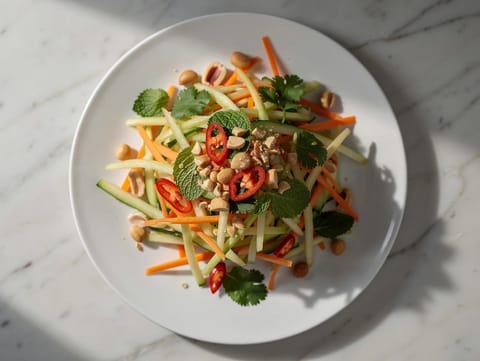
Vietnamese Green Mango Salad with Peanuts
Green mango salad with herbs, chilli and peanuts

Moroccan Carrot and Chickpea Salad (Modern)
Carrot and chickpea salad with lemon and toasted almonds
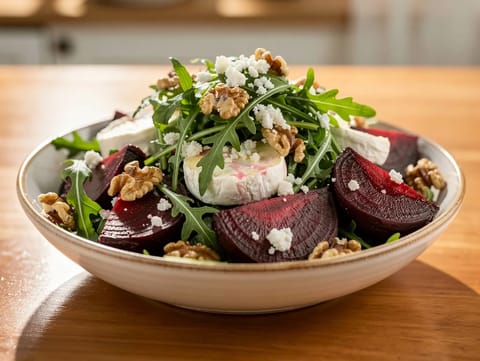
Roasted Beetroot and Goat’s Cheese Salad
Roasted beetroot salad with goat's cheese and rocket
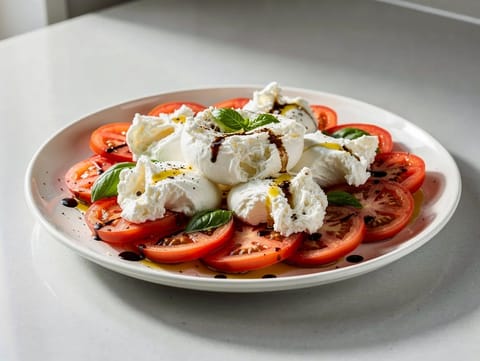
Insalata Caprese con Burrata (Tomato and Burrata Salad)
Ripe tomatoes and burrata with basil, olive oil and balsamic
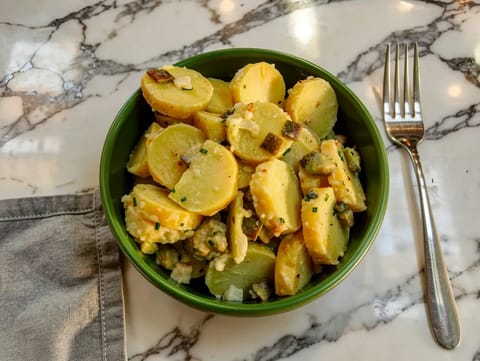
Kartoffelsalat (German Potato Salad with Mustard Dressing)
German potato salad with vinegar, mustard and parsley

Asado (South American Barbecue with Chimichurri)
Slow grilled beef short ribs served with chimichurri

Ribbe (Norwegian Roast Pork Belly with Crisp Crackling)
Norwegian roast pork belly with crisp crackling

BBQ Ribs (American Barbecue)
Slow-baked pork ribs with a smoked paprika brown sugar rub
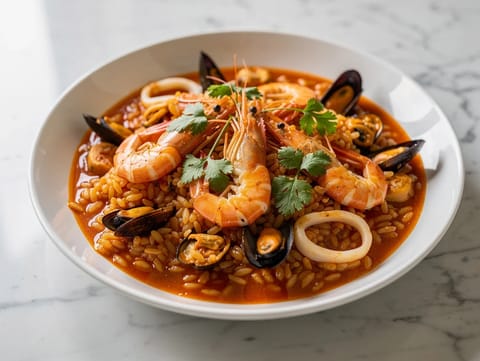
Arroz de Marisco (Portuguese Seafood Rice)
Portuguese seafood rice with prawns, mussels, squid and tomato

Modern Canh Chua (Vietnamese Sweet and Sour Fish Soup)
Light Vietnamese sweet and sour fish soup with tamarind
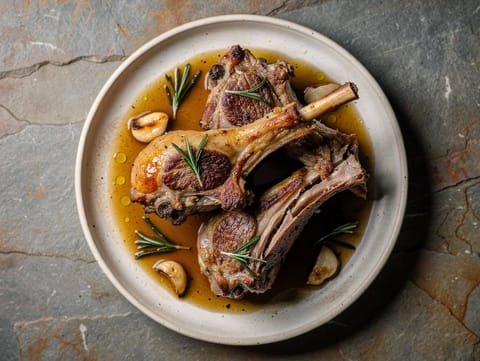
Abbacchio alla Romana (Roman-Style Braised Lamb)
Roman-style braised lamb with rosemary, white wine and lemon

Baked Salmon with Hollandaise Sauce
Baked salmon with warm hollandaise sauce
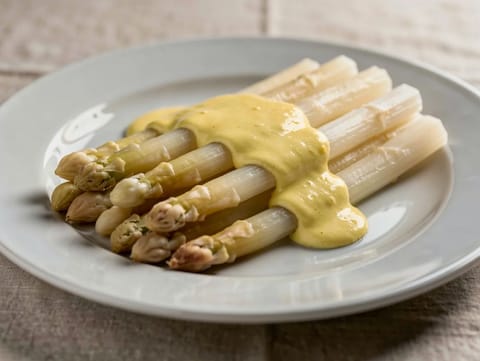
Spargel mit Hollandaise (White Asparagus with Hollandaise Sauce)
Boiled white asparagus served with classic lemony hollandaise sauce

Salmon with Lemon Beurre Blanc
Pan-seared salmon with lemon beurre blanc
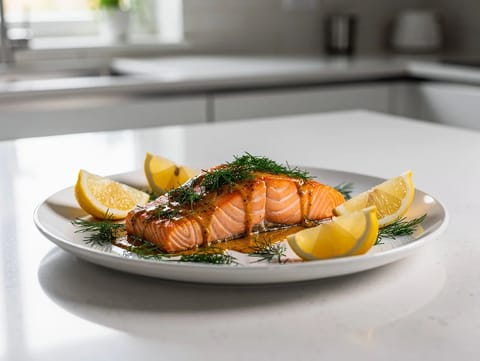
Nordic Glazed Salmon with Mustard, Honey and Dill
Baked salmon with honey mustard and dill glaze

Maiale al Latte (Pork Braised in Milk)
Pork braised in milk with sage, garlic and lemon
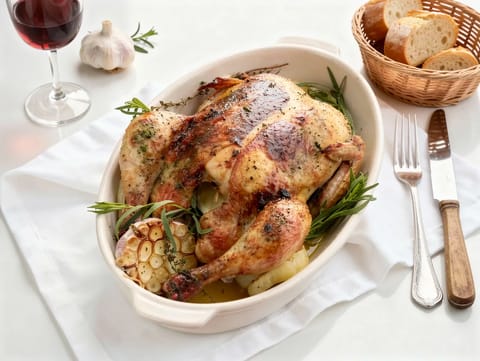
Poulet Rôti with Tarragon and Garlic
Roast chicken with tarragon, garlic and pan jus
You might also like

Belgian Chocolate Brownie Torte
Dense chocolate brownie torte with a crisp top
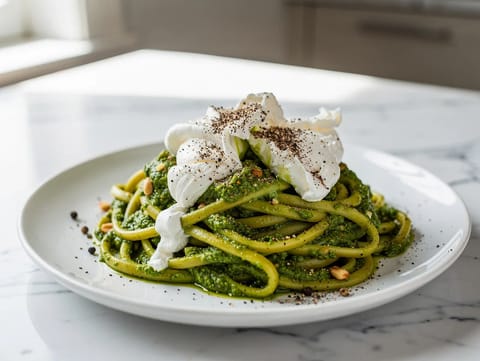
Pesto Pasta with Burrata
Pesto pasta topped with creamy burrata
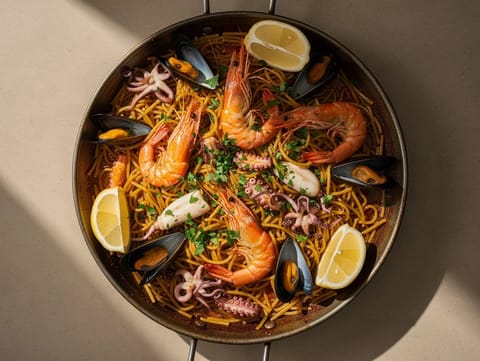
Fideuà Valenciana (Valencian Noodle Paella)
Toasted noodles cooked with seafood in saffron fish stock
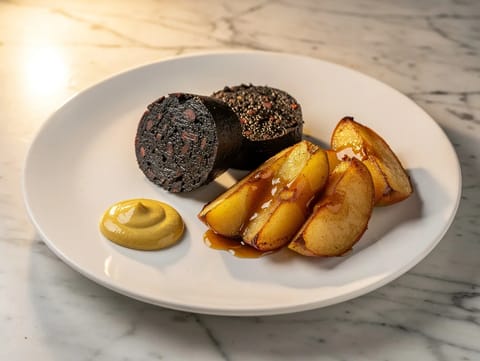
Bloedworst met Appel (Blood Sausage with Apple)
Crisp pan-fried blood sausage served with caramelised apples
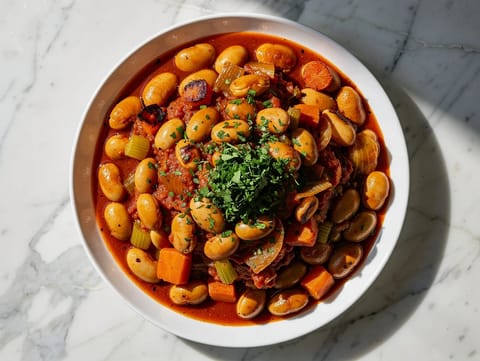
Gigantes Plaki (Greek Baked Giant Beans in Tomato Sauce)
Greek baked giant beans in tomato and olive oil sauce
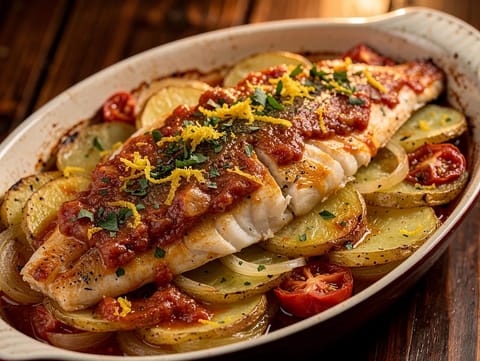
Psari Plaki (Baked Fish with Tomato and Potatoes)
Greek baked fish with tomato sauce, potatoes and onions
Make this recipe easier next time
AdvertisementThese tools help you get better results with less effort.
KitchenAid Stainless Steel Mixing Bowls
- Non-slip base
- Stainless steel
- Not microwave safe
T-fal Specialty Nonstick Handy Pot with Glass Lid 3 Quart
- Easy food release
- Dishwasher safe
- Not induction compatible
OXO Good Grips Stainless Mixing Bowl Set
- Non-slip base
- Comfort grip
- Higher price
WMF Mini Saucepan 16 cm with Lid
- High-quality stainless steel
- Even heat distribution
- Higher price point
Enjoy cooking with JustRecipes?
Add JustRecipes as one of your preferred Google sources to discover our recipes more easily across Google Search.
Add JustRecipes to GoogleEvery recipe on JustRecipes follows the same structured editorial process. Learn how recipes are created, validated, translated, illustrated, and continuously improved across the platform. How we create recipes.
