
Light Pea and Ham Soup
Why this recipe works
- Gentle smoky depth: The ham hock seasons the soup as it simmers, giving the split peas and vegetables a savoury, smoky base.
- Creamy without cream: Blending only part of the soup thickens it naturally while keeping some texture from the peas and vegetables.
- Keeps and reheats well: Split pea soups thicken as they stand, making this a practical option for preparing ahead and loosening with extra stock when reheating.
Get the most out of this recipe
Timing notes
- Cook until the peas collapse: The soup is ready when the split peas are very tender and the ham is beginning to pull away from the bone; timing may vary slightly with the age of the peas.
- Mostly hands-off: The chopping is brief, but the soup needs a long, gentle simmer to soften the peas and draw flavour from the ham hock.
Texture tips
- For a thicker soup: Blend closer to half the pot, then simmer briefly to bring the texture together.
- For a lighter finish: Add a little more stock when reheating or after blending, as split peas continue to absorb liquid as they stand.
Ingredient notes
- Use a bone-in ham hock: A smoked, bone-in hock gives the soup its characteristic savoury flavour and provides shreddable meat for the finished bowl.
- Check seasoning at the end: Ham hocks can vary in saltiness, so finish with black pepper and adjust any extra seasoning only after the ham has been stirred back in.
Make-ahead tips
- Good for batch cooking: Cool the soup quickly, then refrigerate in a sealed container; it will keep well for a few days and can also be frozen.
- Reheat gently: Warm on the hob until piping hot throughout, adding a splash of stock if the soup has thickened in the fridge or freezer.
Equipment you'll need
Ingredients
Instructions
- Peel and finely chop the onion. Peel the carrots and dice them, then dice the celery.
- Rinse the split peas in a sieve-strainer under cold water until the water runs clearer. Tip them into a large pot with the ham hock, bay leaves and vegetable stock.
- Bring to a gentle simmer, then add the onion, carrots and celery. Cook partially covered for 75 to 90 minutes, stirring occasionally, until the peas are very tender and the ham is starting to pull away from the bone.
- Lift out the ham hock and set it on a board until cool enough to handle. Remove and discard the bay leaves.
- Blend about a third to a half of the soup until creamy, keeping some texture. If it seems too thick, loosen with a splash of vegetable stock and return to a gentle simmer.
- Shred the ham, discarding skin, fat and bone, then stir the meat back into the pot. Season with black pepper, simmer for 3 to 5 minutes, then serve hot.
Recipe notes
Tips
- Keep the simmer gentle so the soup stays light and the ham remains tender rather than stringy.
- If you are serving vulnerable groups, make sure the soup is piping hot throughout before serving.
Substitutions
- Replace the vegetable stock with chicken stock for a fuller, more traditional flavour.
Storage
- Refrigerate up to 3 days
- Cool quickly, then refrigerate in a sealed container. Reheat gently on the hob, adding a little vegetable stock if it has thickened, until piping hot; freeze for up to 3 months.
Ratings & reviews
Liked this recipe? Share your feedback to support our cooking community.
Tried this recipe?
Choose 1–5 stars. A comment is optional.
Stay inspired
Discover new recipes, seasonal favourites and cooking inspiration every day. Follow JustRecipes on Pinterest and Spillt.
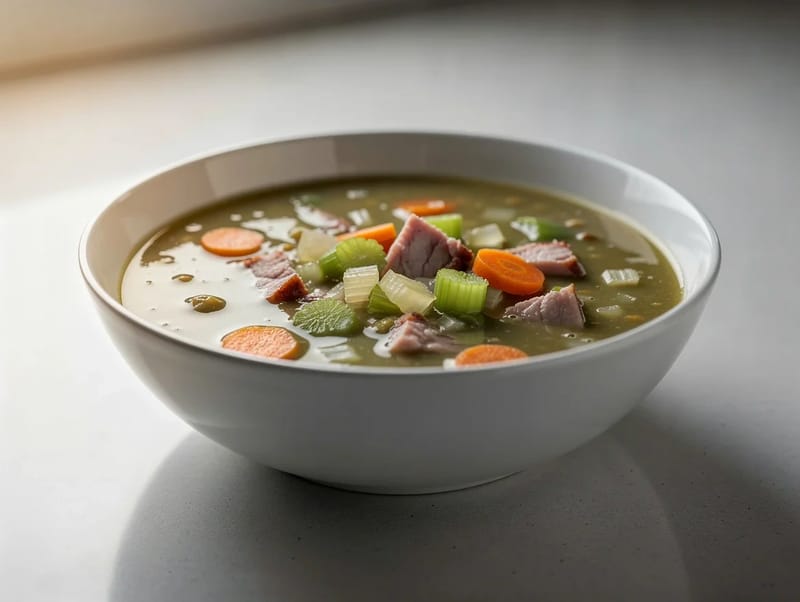
Recipe overview
- Servings: 4 servings
- Total time: 2h (20min active)
- Difficulty: Easy
- Cuisine: British
Plan your meals and get a complete grocery list automatically.
Add to meal plannerEquipment you'll need
Got ingredients left?
Find recipes using ingredients from this recipe or what you already have at home.
Find recipes with these ingredients →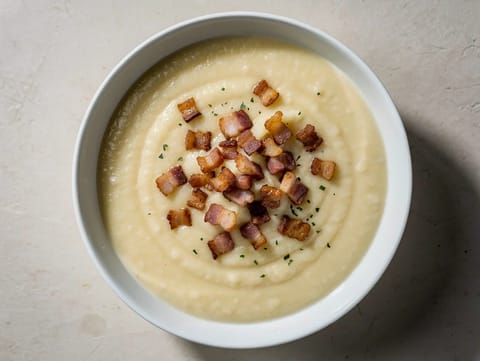
Kartoffelsuppe (German Potato Soup with Leek and Celeriac)
Creamy German potato soup topped with crispy bacon
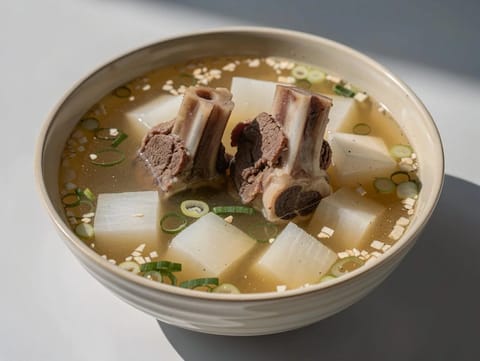
Galbitang (Korean Clear Beef Short Rib Soup with Radish)
Korean clear short rib soup with radish and spring onions
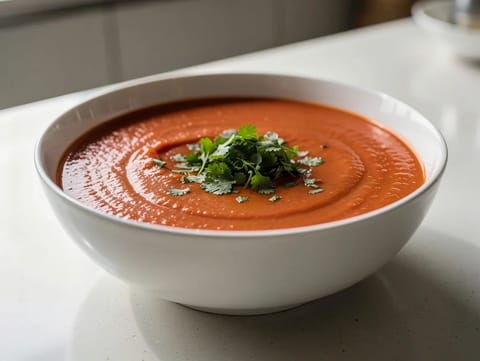
Light Moroccan Tomato Soup
Light tomato soup blended smooth with spices, lemon and coriander
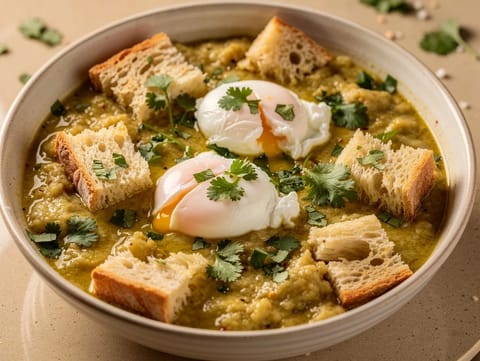
Açorda com Ovo (Portuguese Garlic Bread Soup with Egg)
Garlic bread soup with coriander and a poached egg
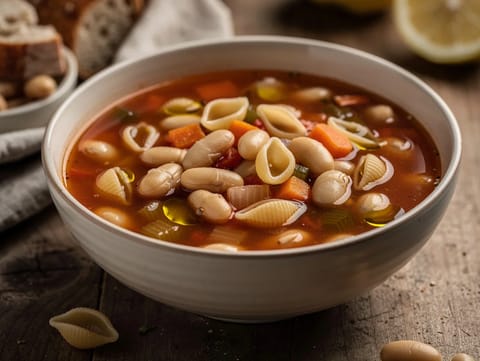
Vegan Pasta e Fagioli
Italian vegan bean and pasta soup with tomatoes and herbs
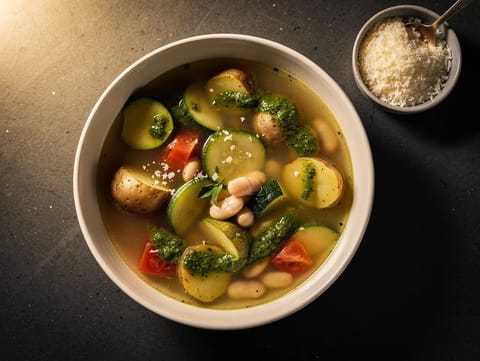
Soupe au Pistou (Vegetable Soup with Basil Sauce)
Vegetable and bean soup finished with basil pistou
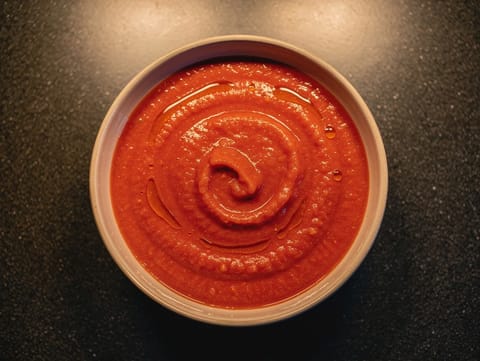
Gazpacho (Cold Tomato Soup)
Chilled gazpacho made with tomatoes, cucumber and red pepper
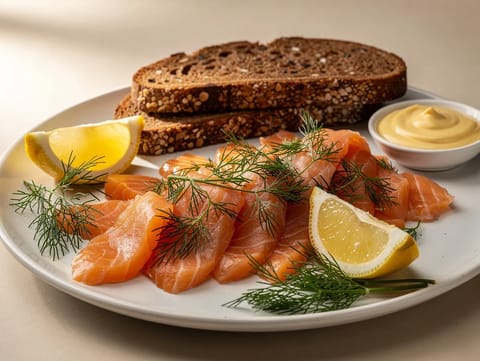
Gravlax Platter with Dill, Rye Bread and Mustard Sauce
Dill-cured salmon served with rye bread and mustard sauce
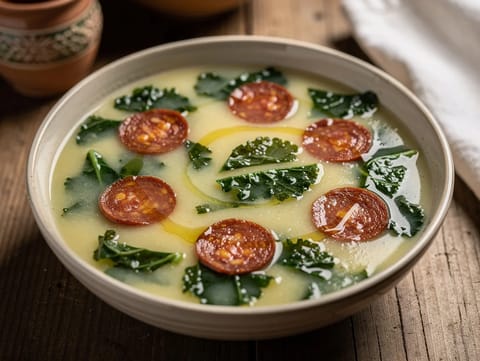
Caldo Verde (Portuguese Kale and Potato Soup)
Portuguese potato soup with kale, olive oil and chouriço
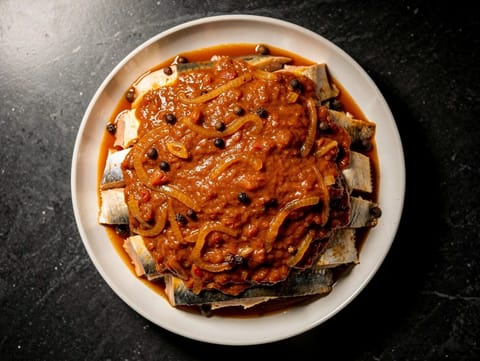
Śledź po Kaszubsku (Kashubian Herring in Tomato Sauce)
Pickled herring layered with tomato and onion sauce
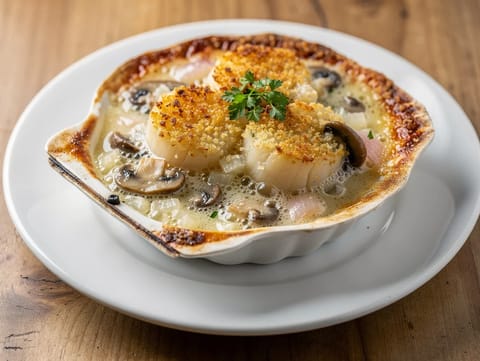
Coquilles Saint-Jacques (Scallop Gratin with Creamy Wine Sauce)
Scallop gratin in creamy white wine sauce with breadcrumbs
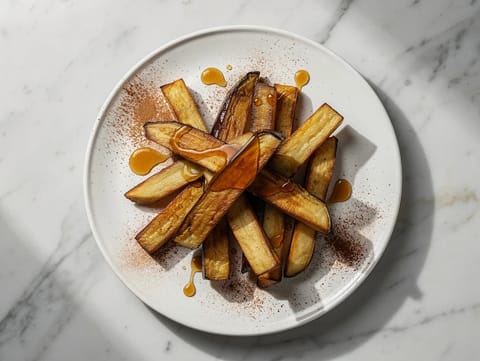
Berenjenas Fritas con Miel (Fried Aubergine with Honey)
Crisp fried aubergine batons drizzled with honey
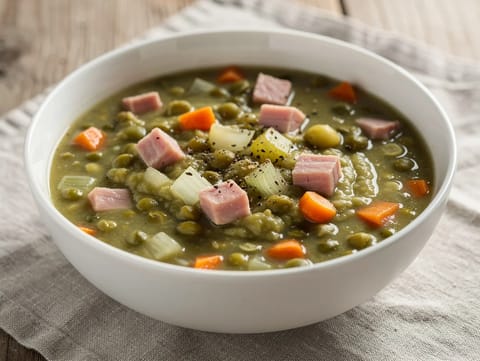
Pea and Ham Soup
Thick split pea and ham soup with vegetables

Grochówka (Polish Split Pea Soup with Smoked Sausage)
Polish split pea soup with smoked sausage and marjoram
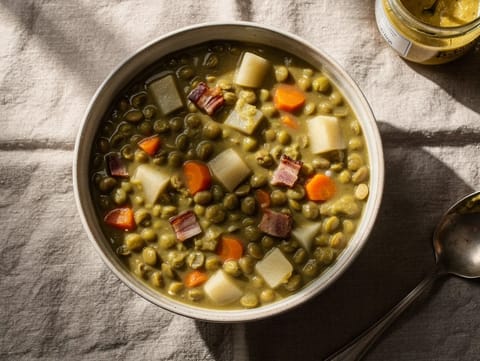
Erbsensuppe (Split Pea Soup with Smoked Bacon)
German split pea soup with smoked bacon, vegetables and marjoram
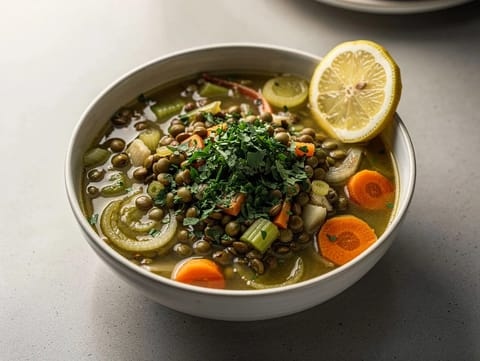
New Year Lentil Soup with Vegetables and Lemon
Green lentil soup with vegetables, bay leaf and lemon
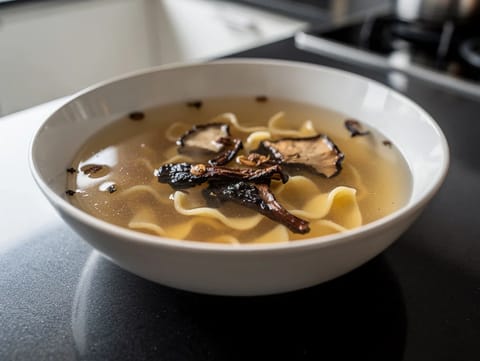
Zupa Grzybowa (Polish Christmas Eve Mushroom Soup)
Polish dried mushroom soup served with egg noodles
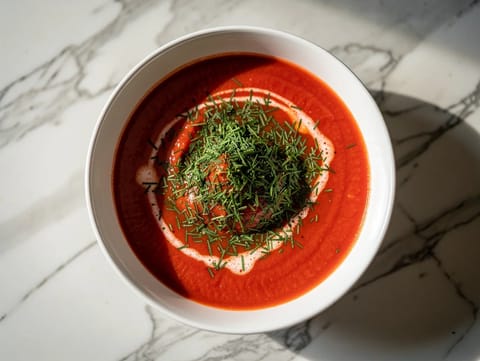
Zupa Pomidorowa Lekka (Light Polish Tomato Soup)
Light tomato soup with carrots, celery, cream and dill
You might also like
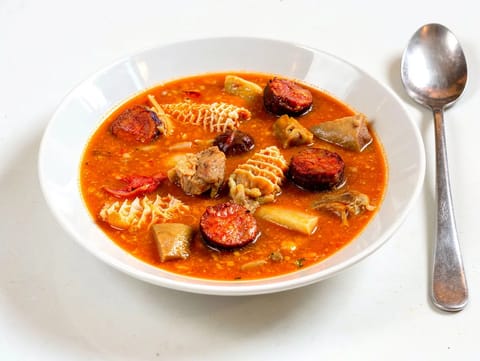
Callos a la Madrileña (Madrid-Style Tripe Stew)
Madrid-style tripe stew with chorizo, ham and smoked paprika
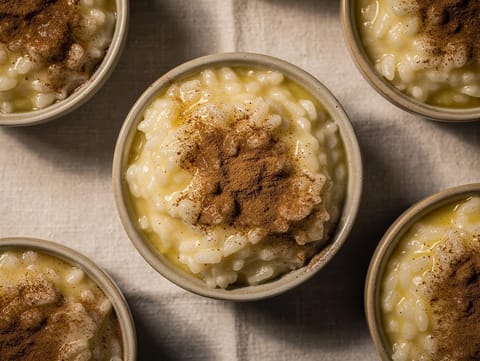
Arroz Doce (Portuguese Rice Pudding)
Portuguese rice pudding with cinnamon, egg yolks and lemon zest

Air Fryer Blueberry Pie
Air fryer blueberry pie with lemon and cornflour-thickened filling.

Air Fryer Italian Meatballs
Air-fried Italian meatballs with parmesan, garlic and marinara sauce.

Revuelto de Setas y Jamón (Scrambled Eggs with Wild Mushrooms and Ham)
Soft scrambled eggs with mushrooms and serrano ham
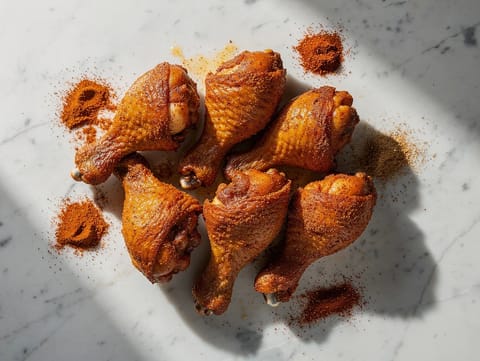
Air Fryer Cajun Chicken Drumsticks
Cajun chicken drumsticks cooked crisp in the air fryer.
Enjoy cooking with JustRecipes?
Add JustRecipes as one of your preferred Google sources to discover our recipes more easily across Google Search.
Add JustRecipes to GoogleEvery recipe on JustRecipes follows the same structured editorial process. Learn how recipes are created, validated, translated, illustrated, and continuously improved across the platform. How we create recipes.
