
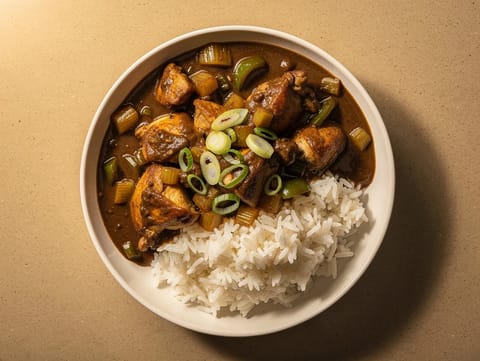
Cajun Chicken Étouffée
Cajun chicken étouffée with dark roux served over rice
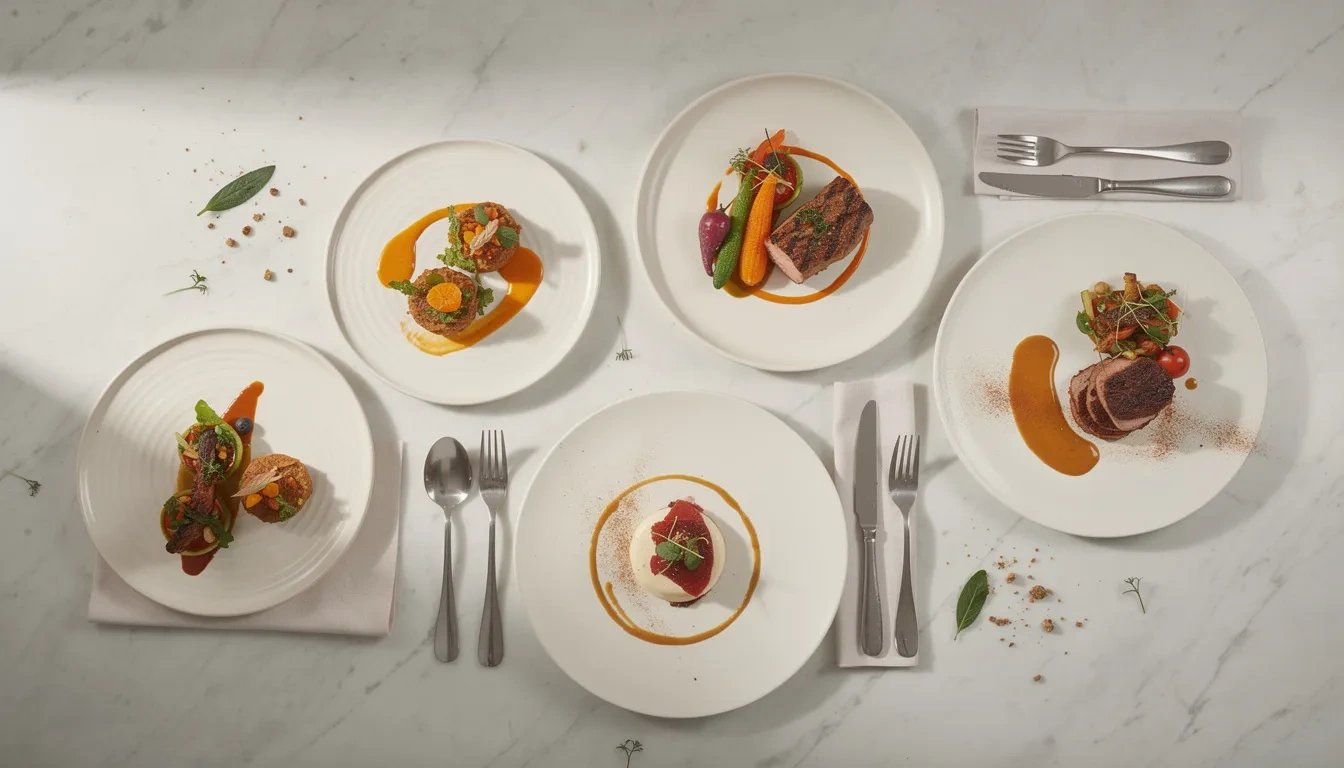
Course is a practical way to browse because it describes a recipe’s job on the table, not its cuisine, technique or level of effort. A side dish can be as simple as a dressed salad or as involved as a slow-cooked vegetable gratin, but it still plays the same supporting role. Thinking in courses also helps you build a meal that feels complete: something substantial, something fresh or crisp, and an ending that fits the mood, whether that is fruit, pastry or a drink.
Course labels group recipes by how they are typically served: as the main focus, a supporting plate, a sweet finish, or something to start or snack on. That matters because the same ingredient can behave very differently depending on its role. A tomato salad is usually a side dish, while a tomato soup might be lunch, and a tomato-based sauce could anchor dinner. When you browse by course, you are essentially choosing portion size, pacing and what else needs to be on the table. It is also a useful way to avoid accidental repetition, such as pairing a rich main with a creamy side and a heavy dessert, when what you really need is contrast and a lighter finish.
Cajun chicken étouffée with dark roux served over rice
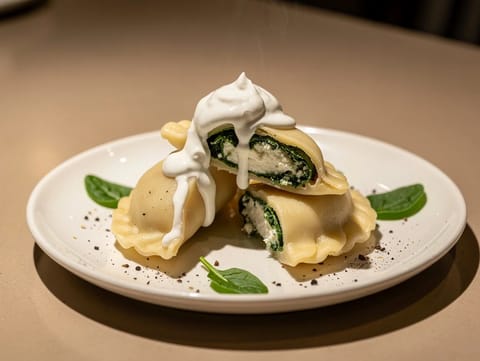
Pierogi filled with spinach and ricotta
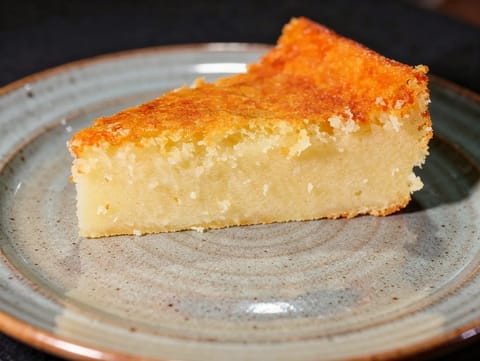
Dense Portuguese almond cake finished with icing sugar
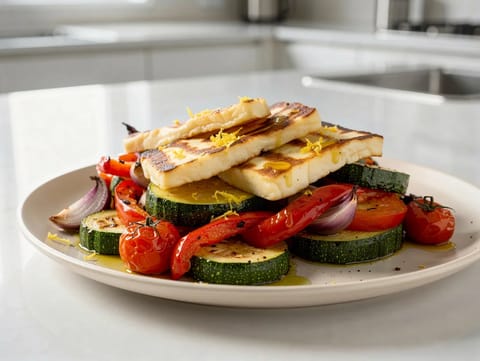
Halloumi traybake with roasted courgette, pepper and tomatoes

Caramel chocoflan with vanilla flan and chocolate sponge

Chilled German red berry pudding thickened with cornflour
Breakfast and brunch recipes tend to lean on eggs, breads, grains and fruit, with brunch often sitting between breakfast and lunch in both timing and richness. Lunch and dinner overlap in ingredients, but lunch recipes commonly work well as a single-bowl meal, sandwich-style serving, or something that can be packed and eaten at room temperature. Appetizers are designed to be small and appetite-opening, while snacks are more about informal eating between meals. Side dishes are built to complement something else, so they often focus on one main texture or flavour note. Desserts and pastries both sit at the sweet end, but pastry usually signals baking and dough work, whereas dessert can include chilled, spooned or fruit-led options. Drinks cover everything from warming mugs to cold, mixed or blended serves.
Pierogi filled with spinach and ricotta
Cajun chicken étouffée with dark roux served over rice
Caramel chocoflan with vanilla flan and chocolate sponge
Dense Portuguese almond cake finished with icing sugar
Halloumi traybake with roasted courgette, pepper and tomatoes
Chilled German red berry pudding thickened with cornflour
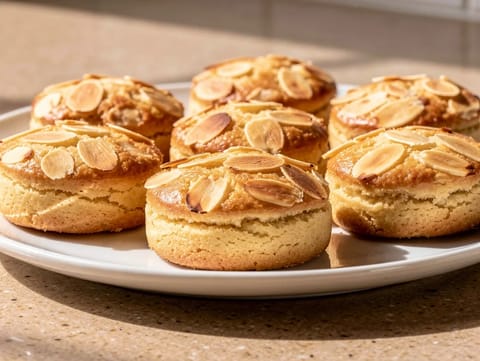
Buttery Dutch cookies with a thick almond paste filling
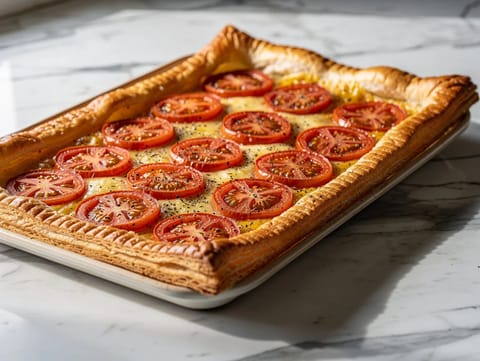
Puff pastry tart with Dijon mustard, tomatoes and Gruyère
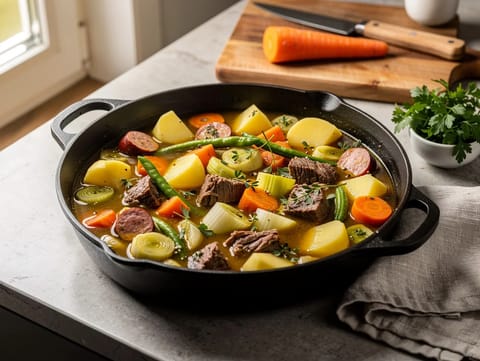
German one-pot stew with smoked sausage, beans and potatoes

Dense Breton butter cake with vanilla and egg yolks
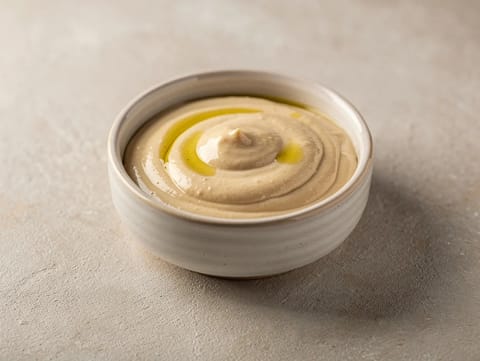
Smooth tahini sauce with lemon, garlic and water
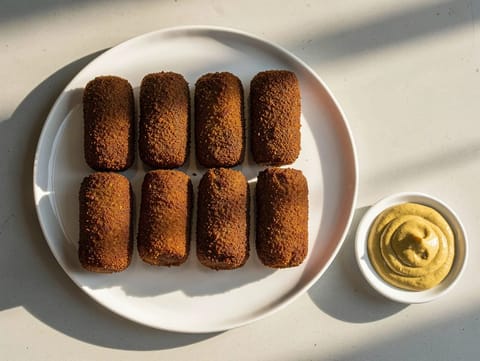
Dutch beef ragout croquettes with a crisp breadcrumb coating
Start with the anchor of the meal. If you already know the main course, side dishes become a question of contrast: something crisp against something braised, something sharp against something creamy, or a starchy element when the main is light. If you are planning around time of day, choose meal-based courses first (breakfast, brunch, lunch, dinner), then add an appetizer, snack or drink only if it suits the pace you want. When you are feeding a mixed group, course browsing can help you keep options open: pick a flexible main, then offer sides and drinks that let people adjust heat, richness or portion size at the table. For a sweet finish, decide whether you want a baked project (pastry) or a dessert that can be assembled, chilled or served in bowls.
A satisfying menu usually has a clear centre and a few supporting pieces that do not compete for attention. If your main course is saucy, a side that can soak up juices (bread, rice, potatoes) often makes sense, while a crisp salad or quick-pickled element can keep the meal from feeling one-note. Appetizers work best when they are genuinely smaller than the main, so they set expectations rather than replace dinner. For brunch, it helps to mix at least one savoury and one sweet direction, even if both are simple. Desserts are easiest to fit in when you think about temperature and weight: after a rich meal, fruit, yoghurt-based or chilled desserts can feel more natural, while pastry suits occasions where baking is part of the plan. Drinks can either echo flavours in the food or deliberately reset the palate.
Once you have chosen a course, Dish type helps you get specific about what you want on the plate, such as soup versus salad, or cake versus biscuits. Cuisine is useful when you want the courses to share a flavour language, so the starter, main and sides feel connected even if the techniques differ.
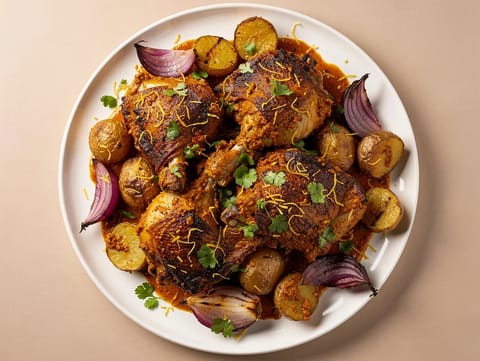
Masala chicken traybake with potatoes, red onion and yoghurt
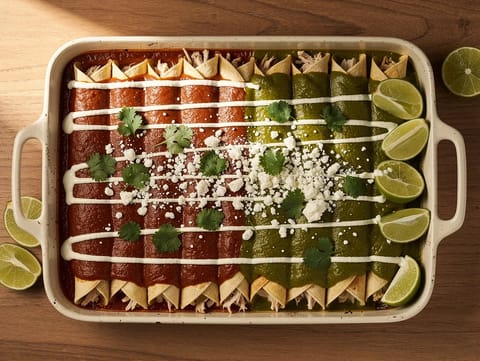
Chicken enchiladas baked with red and green chilli sauces
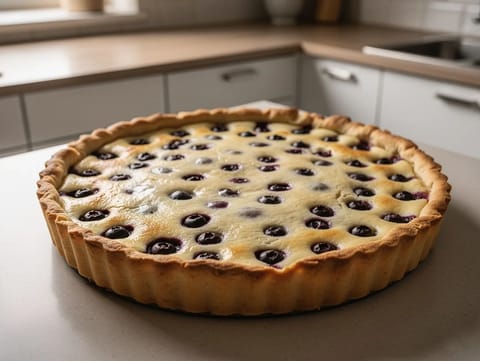
Finnish blueberry pie with sour cream filling
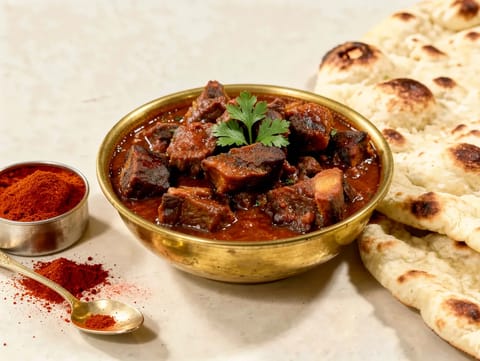
Rajasthani red mutton curry simmered with yoghurt and spices
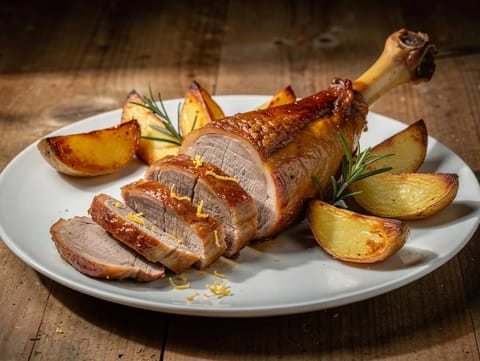
Roast lamb over potatoes with garlic, rosemary and white wine
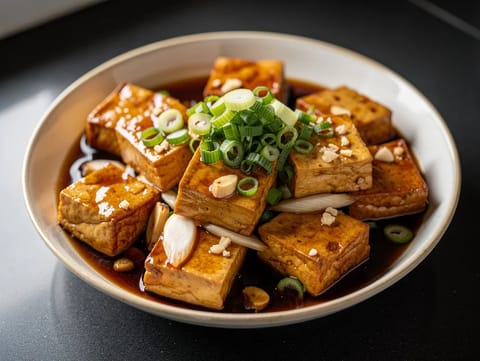
Pan-fried tofu braised in a glossy sweet soy sauce
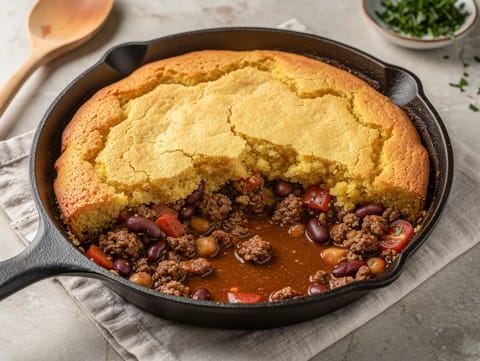
Beef and bean chilli baked under a golden cornbread topping
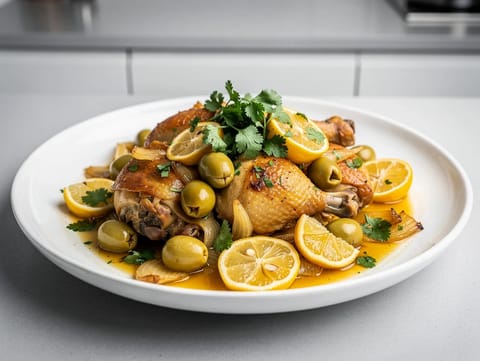
Chicken tagine with preserved lemons, olives and coriander
Course describes a recipe’s role in the meal (starter, side dish, dessert). Meal time is about when you eat it (breakfast, lunch, dinner). They often overlap, but they are not identical: soup can be a starter at dinner or the main event at lunch.
Appetizers are typically served before a meal and are portioned to leave people hungry for what comes next. Snacks are more flexible and can be eaten on their own, often with less concern for pacing or what follows.
Not necessarily. Pastry refers to dough-based baking and can be sweet or savoury. In practice, browsing pastry is most helpful when you want recipes that involve crusts, laminated doughs, choux, or similar baking structures.
Some recipes naturally straddle roles. A salad might be a side dish, a light lunch, or part of a brunch table depending on portion size and what else is served with it. Use course as a starting point, then decide based on how you plan to serve it.
Contrast is usually the key. If the main is rich, a side with acidity or crunch can balance it. If the main is lean or vegetable-forward, a starchy or hearty side can make the meal feel complete.
No. A meal can feel finished with fruit, coffee or tea, or a small sweet bite. Dessert is simply one way to signal an ending, and it can be as light or as involved as you choose.
Browsing by course keeps your choices focused on what the table needs next: a centrepiece, a supporting plate, something small to start, or a finish. Once the role is clear, it becomes much easier to choose flavours, textures and portion sizes that work together.
