
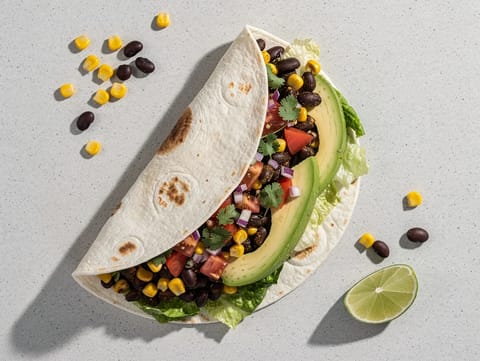
Southwest Black Bean Wrap
Toasted wraps filled with black beans, avocado and tomato salsa
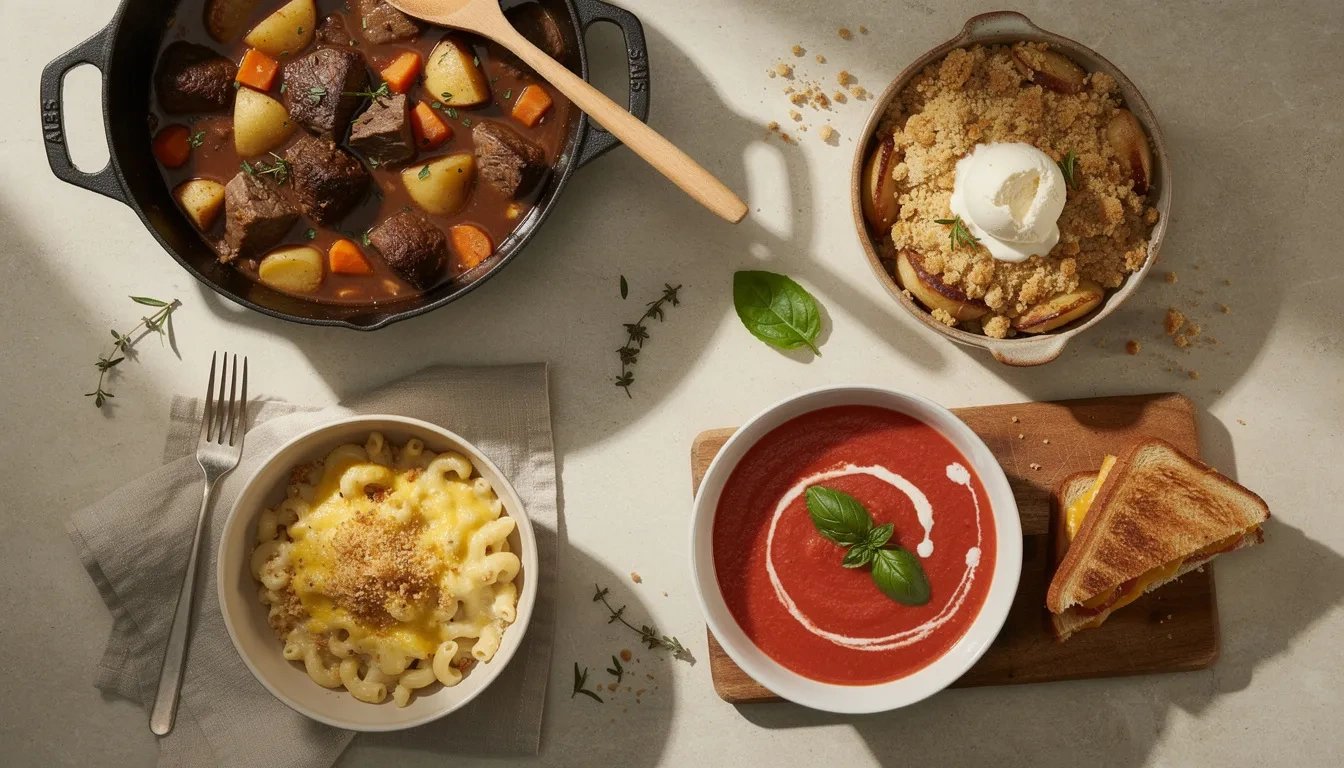
Mexican dinner recipes often share a practical strength: they are built from a few repeatable elements that you can mix and match. A warm tortilla or a bowl of rice and beans becomes a meal once you add a well-seasoned filling, something fresh and crunchy, and a sauce with acidity.
This collection theme is best approached by format. Decide whether you want something hand-held, spoonable, or tray-based, then choose the flavour direction, from smoky and chilli-led to bright with lime, coriander and tomato.
“Mexican dinner” can mean recipes rooted in Mexican home cooking as well as Mexican-inspired dishes that use familiar ingredients such as tortillas, beans, tomatoes, chillies, corn and lime. The common thread is the way flavours are layered: toasted spices, browned aromatics, and sauces that balance heat with acidity.
It does not automatically mean very spicy food. Heat level is often adjustable, and many dishes rely more on smokiness, sweetness from cooked onions or tomatoes, and the savoury depth of beans and roasted meats. If you are cooking for a mixed table, look for recipes where chilli is added at the end or served on the side, so everyone can season to taste.
Toasted wraps filled with black beans, avocado and tomato salsa
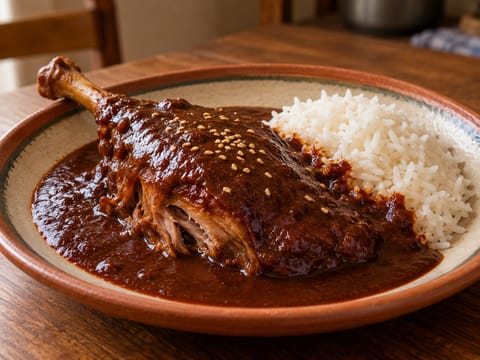
Braised duck legs in smooth plum mole with sesame
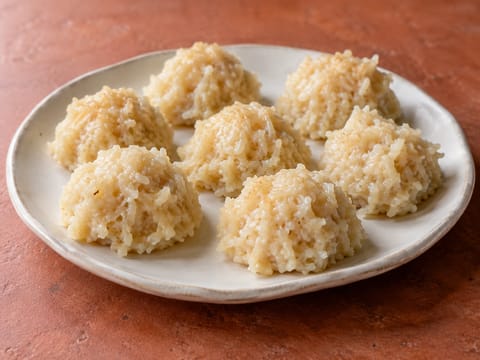
Chewy coconut sweets made with condensed milk and vanilla
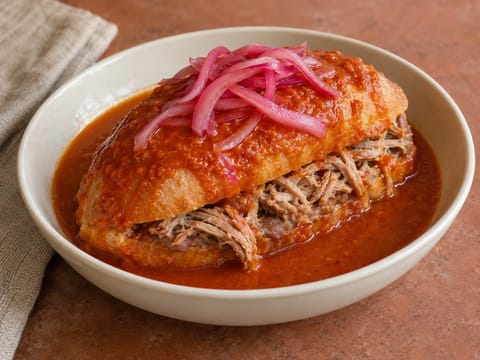
Drowned sandwich with pulled pork, beans and chilli tomato sauce
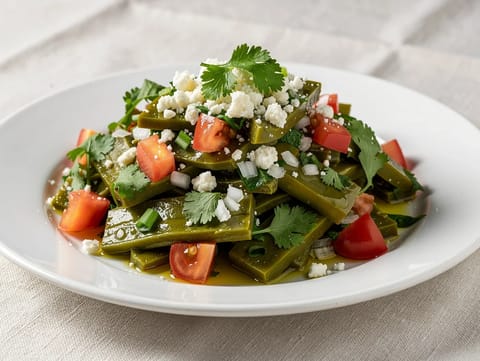
Nopales salad with tomato, lime and queso fresco
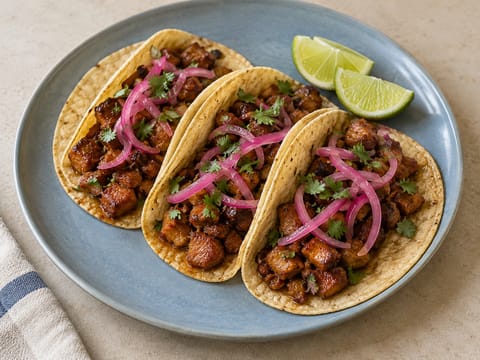
Corn tortillas filled with adobo-style pork and pickled red onion
A satisfying Mexican-style dinner usually benefits from at least one fresh element alongside the cooked main. Think shredded lettuce or cabbage, sliced radishes, a tomato salsa, or a quick pickled onion. That crunch and acidity keeps richer fillings from tasting heavy.
If your main is soft and saucy, add something crisp or toasted, such as tortilla chips, a crunchy slaw, or a charred corn side. If your main is grilled or roasted, a spoonable sauce such as salsa verde, pico de gallo, or a creamy dressing brings it together. For a simple spread, choose one centrepiece and offer two or three toppings so people can build their own plates without extra cooking.
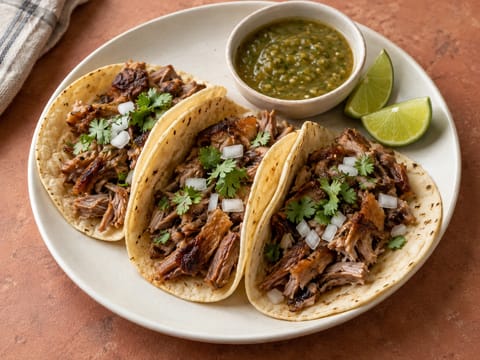
Orange-braised pork carnitas served in warm corn tortillas
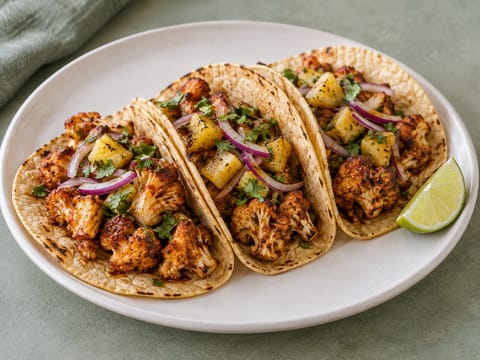
Roasted cauliflower tacos with pineapple, coriander and lime
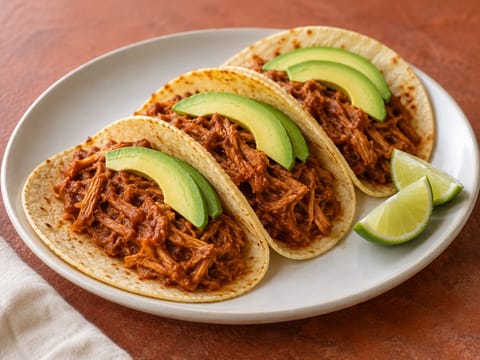
Chipotle pulled pork in a smoky tomato and onion sauce
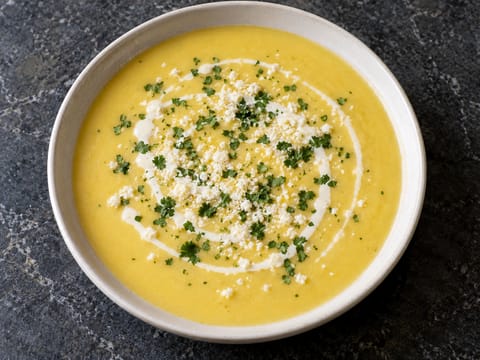
Creamy Mexican sweetcorn soup finished with crema and lime
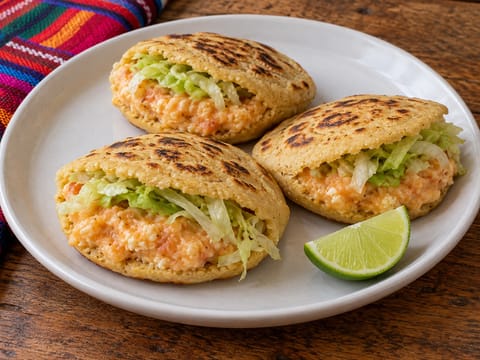
Griddled gorditas filled with potato, onion and queso fresco
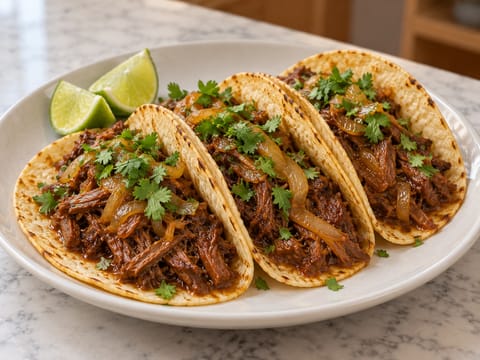
Slow-cooked beef tacos with onion, coriander and lime
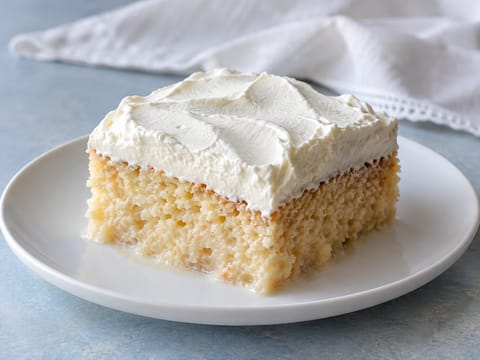
Gluten-free almond sponge cake soaked with three milks
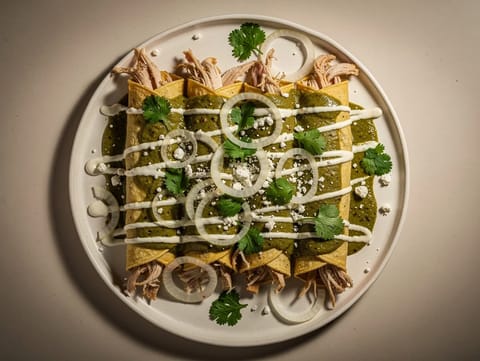
Baked chicken enchiladas with tomatillo sauce and crema
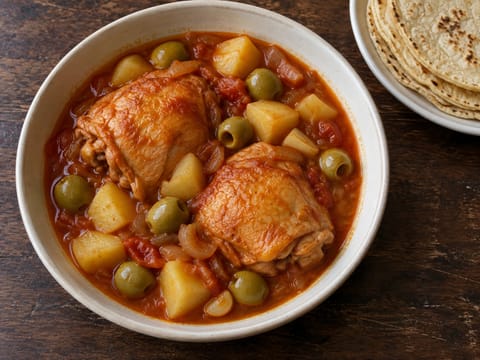
Chicken stew with potato, tomato, achiote and green olives

Sweet fried masa cakes coated in cinnamon sugar
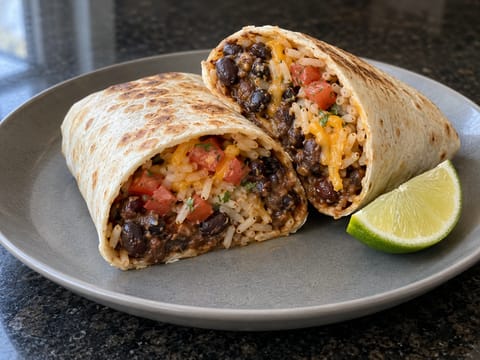
Vegetarian burrito with black beans, rice, salsa and cheddar
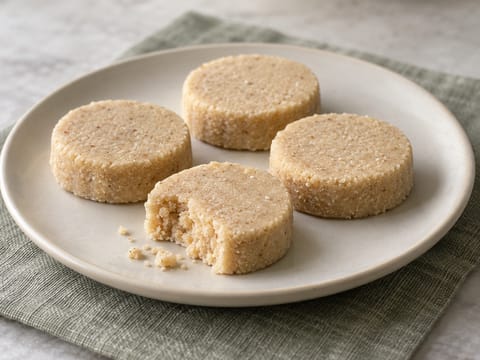
Crumbly peanut and icing sugar sweets pressed into rounds
Cooking time is a helpful companion for Mexican-style dinners because the same flavour profile can show up in quick tacos or longer-simmered stews and beans. If you are also cooking to a particular eating pattern, the Diet collections can help you find versions that fit your own guidelines.
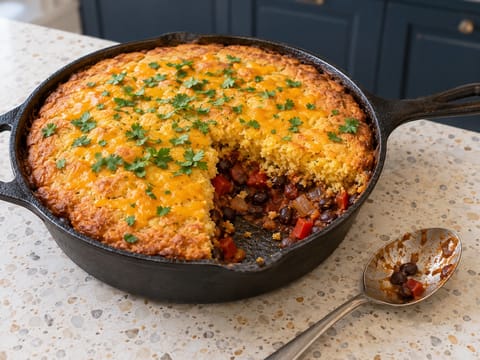
Black bean chilli baked under a golden cornbread topping

Italian lemon and basil sorbet churned smooth and frozen

Tomato rubbed toast topped with salt cured anchovies
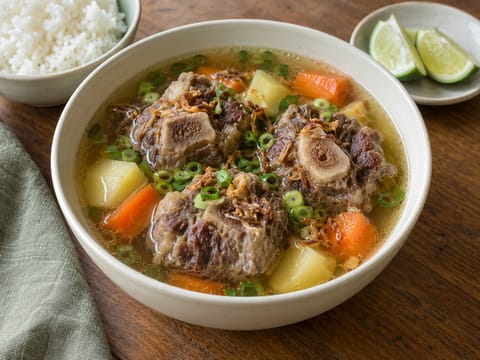
Clear Indonesian oxtail soup with carrots, potatoes and warm spices
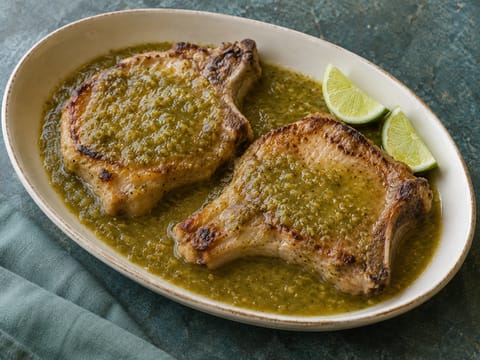
Pan-seared pork chops simmered in tomatillo salsa verde
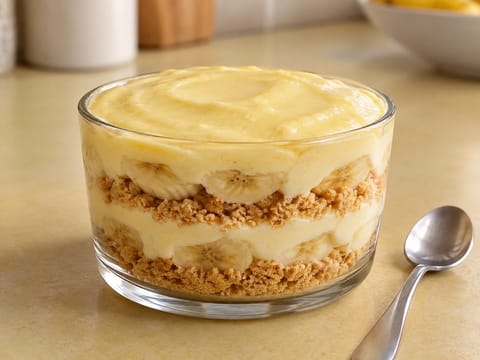
Layered banana pudding with vanilla custard and biscuits
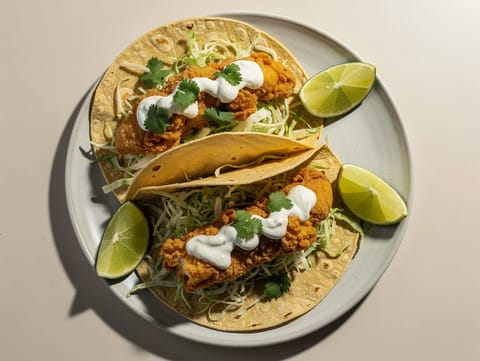
Crispy battered fish tacos with cabbage, lime and sour cream
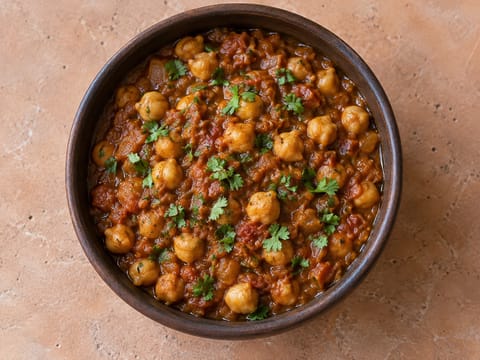
Chickpea curry in a spiced tomato and onion masala
No. Many dishes are more about smokiness, toasted spices and acidity than high heat, and chilli can often be adjusted or served separately.
A seasoned main (beans, vegetables, meat or fish), a starch such as tortillas or rice, and toppings that add freshness and acidity, such as salsa, lime, herbs or crunchy vegetables.
Add contrast at the end: lime juice, a sharp salsa, pickled onions, fresh coriander, or a little salt. Acidity and freshness are often what makes the flavours “pop”.
Mexican recipes are rooted in Mexican cooking traditions, while Mexican-inspired dishes borrow ingredients and flavour ideas but may use different techniques or combinations.
Yes. Many meals work as bowls, salads, soups or stews, with beans, rice, corn and vegetables providing structure.
Choose a main that holds well, then set out toppings in bowls so people can assemble their own plates. It reduces last-minute cooking and suits different preferences.
Pick your dinner style, tacos, bowls, soup or traybake, then focus on the finishing touches: something fresh, something sharp, and a sauce. Those small additions are what make Mexican-style food feel generous and complete.
