
Latte e Caffè con Biscotti (Milky Coffee with Dipping Biscuits)
Latte e caffè is strong coffee with hot milk, served with dipping biscuits

A coffee maker is about repeatability. It controls water temperature, contact time and, in many machines, the flow of water through the grounds. That consistency is useful when you want the same cup day after day, or when coffee is an ingredient in drinks and desserts where strength matters. Most problems people blame on beans are actually workflow issues: the wrong grind for the machine, stale grounds, or a build-up of oils and limescale that dulls flavour.
Different machines emphasise different qualities. Filter-style brewers tend to produce a clean, lighter-bodied cup that works well black and is easy to make in larger quantities. Espresso machines create a small, concentrated coffee with crema, designed for milk drinks and for recipes that call for a strong coffee flavour in a small volume. Pod machines prioritise speed and minimal measuring, with flavour depending heavily on the capsule. Press-style brewers (often treated as coffee makers in home kitchens) give a fuller body because more fine particles and oils stay in the cup. Your best match is the one that fits your preferred strength, texture and routine.
Latte e caffè is strong coffee with hot milk, served with dipping biscuits
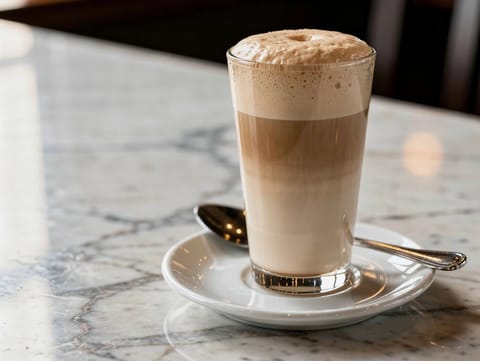
Portuguese latte with espresso and plenty of steamed milk
A crisp coffee drink made with espresso, tonic water and ice

Iced espresso with sweetened almond drink
If coffee tastes thin, the grind is often too coarse for the machine or the dose is too low for the amount of water. If it tastes harsh or bitter, the grind may be too fine, the brew time too long, or the machine may be running too hot. A surprisingly common issue is old grounds: once coffee is ground, it loses aroma quickly. Finally, residue matters. Coffee oils cling to baskets and carafes, and limescale can affect water flow and temperature, so regular cleaning makes a noticeable difference to clarity and consistency.
Iced espresso with sweetened almond drink
Portuguese latte with espresso and plenty of steamed milk
Latte e caffè is strong coffee with hot milk, served with dipping biscuits
A crisp coffee drink made with espresso, tonic water and ice
Coffee makers combine hot water with electricity, and some use steam or pressure. Follow the manufacturer’s guidance for filling, locking parts in place and releasing pressure before opening. Take care with glass carafes and metal steam wands, which can stay hot after the machine is switched off. If a machine is leaking or behaving unpredictably, treat it as a maintenance issue rather than something to “work around” mid-brew.
Cooking method is a natural companion because coffee shows up in recipes in different forms: brewed, espresso-strength, cold-brewed or reduced, each behaving differently in drinks and desserts. Difficulty can also help you choose between straightforward brews and recipes that involve timing, milk texturing or more precise extraction.
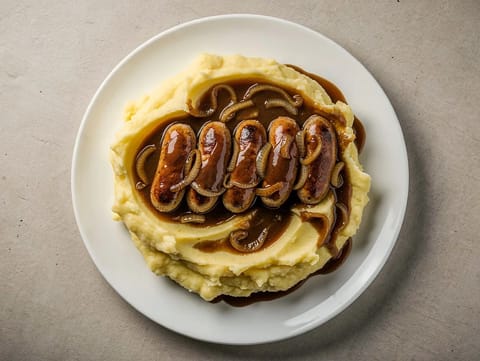
Pork sausages over creamy mash with onion gravy
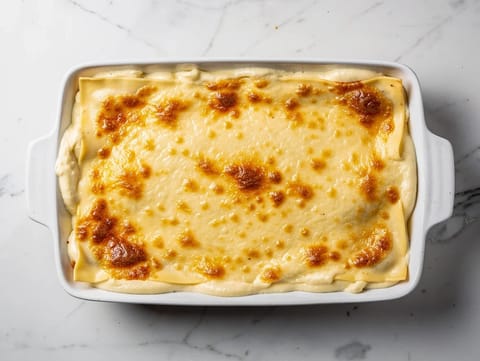
White lasagne with béchamel, minced pork and porcini mushrooms
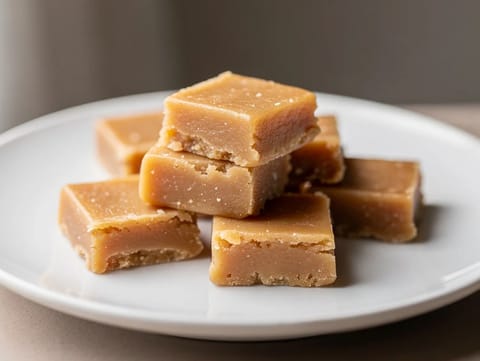
Crumbly Scottish tablet made with butter and condensed milk

Butter chicken traybake with creamy tomato sauce
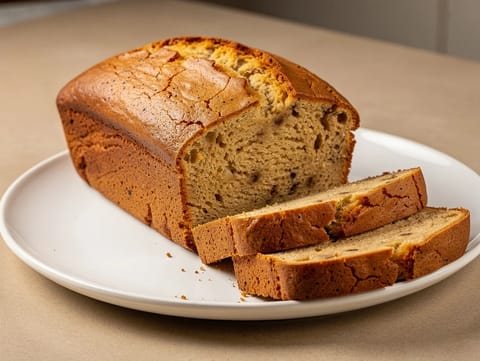
Moist banana bread loaf with vanilla

Corn tortillas dipped in black bean sauce with queso fresco

Turkish bulgur salad with lemon, herbs and pomegranate molasses
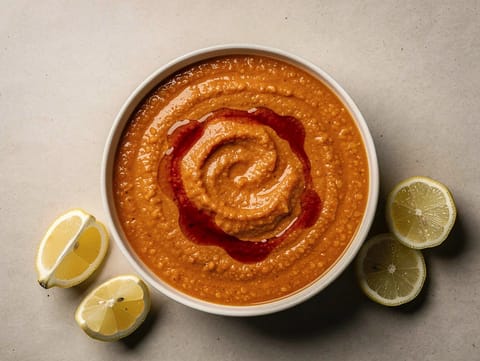
Smooth Turkish red lentil soup finished with paprika butter
Bitterness often comes from over-extraction: water spending too long with the grounds, or a grind that is too fine for the machine. It can also come from built-up oils in the equipment.
Common causes are under-extraction (too coarse a grind, too short a brew) or simply not enough coffee for the amount of water. Stale grounds can also taste flat even when the brew is strong.
Fresh grinding is one of the simplest ways to improve aroma and flavour, because ground coffee stales quickly. That said, a consistent pre-ground coffee can still work well if it suits your machine and you use it up promptly.
Not exactly. Espresso is brewed under pressure with a fine grind and short contact time, producing a concentrated coffee with a distinct texture. “Strong coffee” can be made in many ways and may not behave the same in recipes.
Filter coffee is usually cleaner and lighter-bodied because paper filters trap oils and fine particles. French press coffee is fuller and can feel more textured because more oils and fines remain in the cup.
Yes, but pay attention to the form and strength the recipe expects. Some recipes assume espresso-strength coffee, while others work best with a standard brewed cup.
If you want a dependable daily cup, prioritise a machine that is easy to use and easy to clean. If coffee is often an ingredient in your kitchen, choose the style that gives the strength and texture your recipes tend to rely on.
