
Mississippi Mud Pie
Mississippi mud pie with a chocolate biscuit crust, baked chocolate filling and whipped cream

A pie dish is more than a container for pastry. Its material and shape influence how quickly the base browns, how evenly the filling sets, and how cleanly you can slice and lift a piece. Glass, ceramic and metal all behave differently in the oven, and depth matters as much as diameter when you are judging whether a filling will sit level or dome. Understanding those practical differences helps you choose a dish that suits the style of pie you are making, from custard-set fillings to fruit pies that bubble and reduce.
A pie dish is a shallow baking dish, usually round, designed to support a pastry crust and a relatively shallow layer of filling. Many have a fluted rim that helps anchor the crimp and gives you a little extra edge to catch drips. Compared with a tart tin, a pie dish typically has sloped sides and is meant for serving from the dish rather than lifting the whole pie out. Compared with a cake tin, it is shallower and prioritises browning and sliceability over height. Some pie dishes are sold as oven-to-table pieces, which can be useful when you want to serve directly without transferring.
Mississippi mud pie with a chocolate biscuit crust, baked chocolate filling and whipped cream
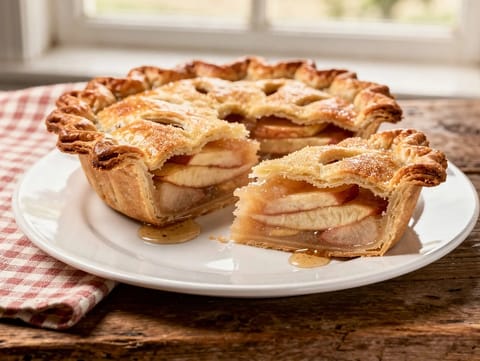
Shortcrust apple pie with cinnamon and lemon
Shortcrust apple and blackberry pie with lemon-bright filling baked until golden
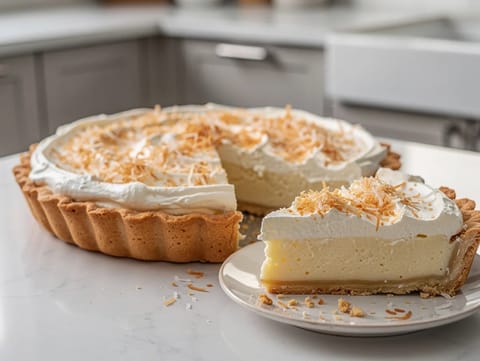
Coconut cream pie with coconut custard and whipped cream
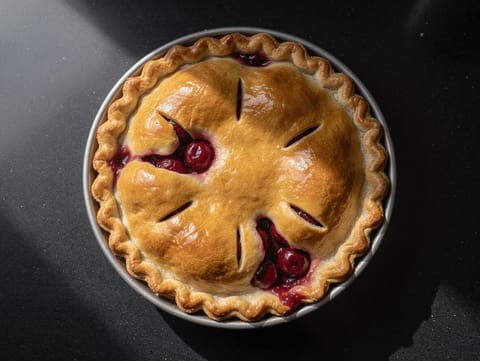
Air fryer cherry pie with lemon and cornflour-thickened filling.
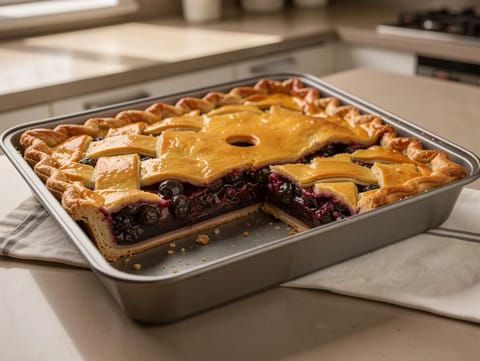
Air fryer blueberry pie with lemon and cornflour-thickened filling.
Metal pie dishes heat quickly and tend to encourage a crisper base, which can help with juicy fruit fillings. Glass and ceramic heat more slowly but hold heat well, which can support even setting once the dish is hot. The trade-off is that slower heat can mean the pastry base needs more time to colour, depending on the recipe. Depth affects evaporation and bubbling. A deeper dish can hold more filling, but it may also need longer for the centre to cook through, and it can be harder to get a crisp bottom crust without over-browning the rim. If you are unsure, choose the dish size the recipe specifies, because small differences change the thickness of both crust and filling.
Air fryer cherry pie with lemon and cornflour-thickened filling.
Air fryer blueberry pie with lemon and cornflour-thickened filling.
Shortcrust apple pie with cinnamon and lemon
Coconut cream pie with coconut custard and whipped cream
Shortcrust apple and blackberry pie with lemon-bright filling baked until golden
Mississippi mud pie with a chocolate biscuit crust, baked chocolate filling and whipped cream
A frequent issue is underbaked pastry on the base. This can happen when the filling goes in before the crust has had a chance to set, or when the dish material heats slowly. Recipes may address this with blind baking, a hot baking tray underneath, or a different oven position. Another common problem is spillover. Fruit pies and custards can expand and bubble; a dish with a generous rim helps, and placing the dish on a tray catches drips without insulating the base too much. Finally, avoid forcing a cold glass dish into a very hot oven or onto a cold surface straight from the oven, as sudden temperature changes can crack some glassware.
Pie dishes sit at the intersection of method and handling. Browsing by Cooking method can help you distinguish between pies that rely on blind baking, lattice tops, or custard-style setting. Difficulty is also useful, because some pies are mostly about mixing a filling, while others depend on precise pastry work and careful baking cues.
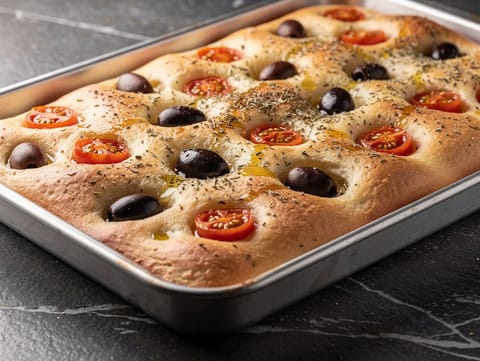
Olive oil focaccia topped with cherry tomatoes and olives
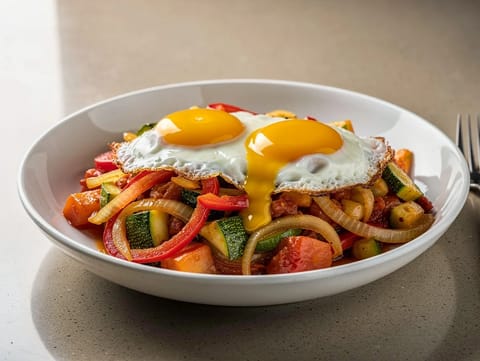
Spanish pisto with tomatoes, peppers, courgettes and fried eggs
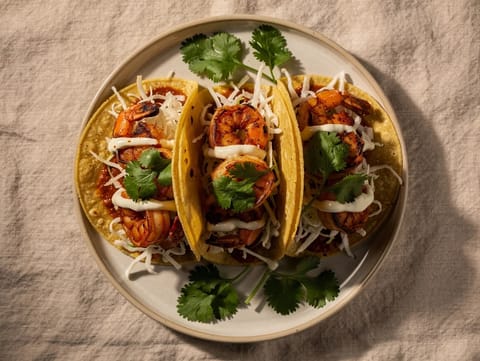
Chipotle prawns in corn tortillas with cabbage and crema
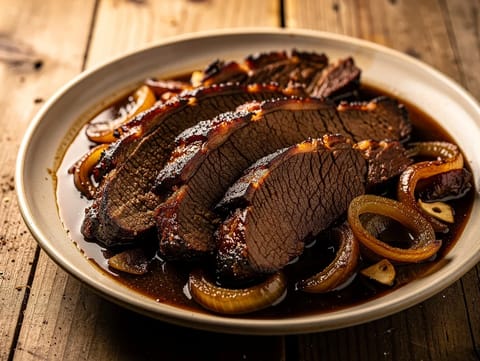
Venezuelan braised beef in a dark coffee and onion sauce

Chilled orange juice punch with mint and sparkling water
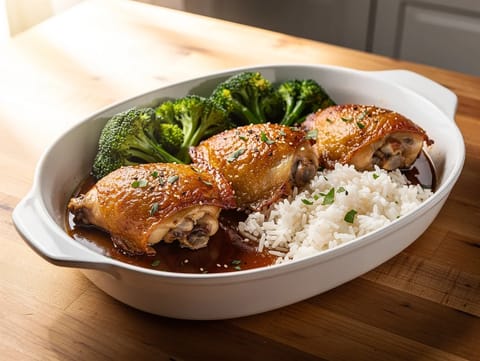
Baked chicken thighs with a sticky honey garlic soy glaze
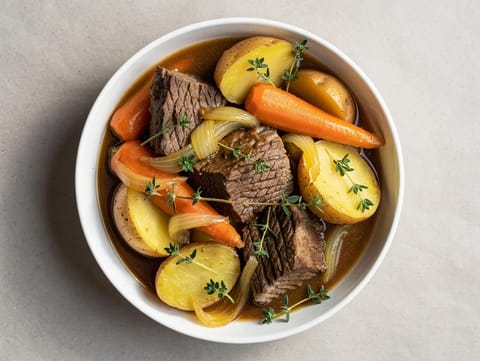
Slow-braised beef pot roast with carrots and potatoes
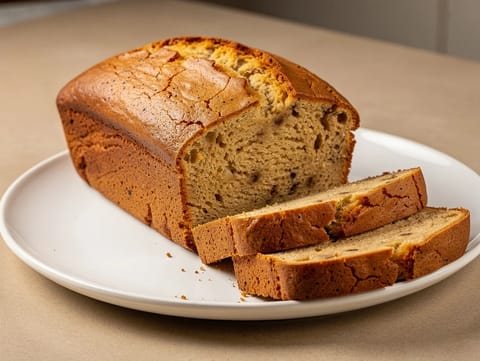
Moist banana bread loaf with vanilla
Not quite. Tart tins often have straight sides and a removable base for lifting the tart out. Pie dishes usually have sloped sides and are served from the dish.
Metal often promotes faster browning on the base. Glass and ceramic can still produce crisp pastry, but they may need more time or a recipe that supports thorough baking.
Fillings can bubble and expand, especially fruit pies as juices boil. A dish with a higher rim helps, and baking on a tray catches drips.
Sometimes, but the depth and straight sides change how the crust bakes and how the filling sets. If you substitute, expect the baking time and browning to differ.
Often not for pastry-lined pies, because the butter in the crust helps release. For crustless or very sticky fillings, a recipe may suggest greasing.
Choose a pie dish with the right depth and material for the bake you want: quick browning for crisp pastry, or steadier heat for gentle setting. When in doubt, follow the dish size a recipe calls for, because it controls filling thickness and how the crust cooks.
