
Flamiche (Leek and Cream Tart from Picardy)
Picardy-style flamiche with soft leeks, eggs, double cream and nutmeg

A tart pan is designed to hold pastry with defined sides and, often, a removable base for clean unmoulding. It is most useful when the shape is part of the result: a crisp shell with straight edges for fruit tarts, custard tarts and savoury tart fillings. It can also streamline serving, because the pan helps the pastry keep its form as you slice. The main practical considerations are release and browning: tart pans encourage a crisp base, but only if the pastry is handled and baked with a little care.
Compared with a pie dish, a tart pan is usually shallower with fluted or straight sides, and many have a loose bottom. That structure supports pastry as it bakes and makes it easier to lift the tart out without turning it upside down. Because the pastry is exposed along the sides, it can brown more quickly than in a deeper dish, which is helpful for crispness but can catch if the oven runs hot. Tart pans are used for both sweet and savoury shells, including shortcrust-style pastry and crumb bases, depending on the recipe.
Picardy-style flamiche with soft leeks, eggs, double cream and nutmeg
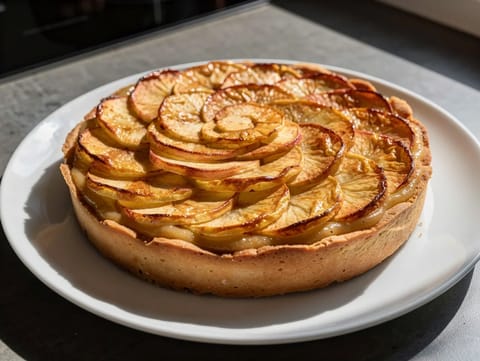
Buttery apple tart with compote and cinnamon
Crisp pastry tart filled with vanilla crème pâtissière and topped with glazed strawberries
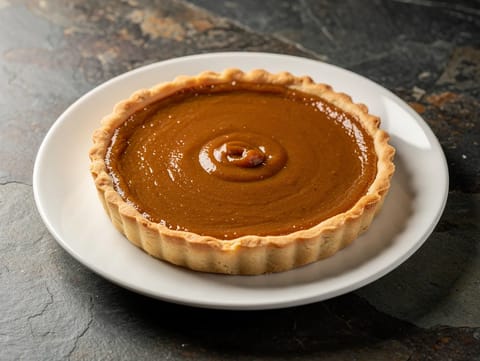
Sweet pastry tart with tangy tamarind and lime filling
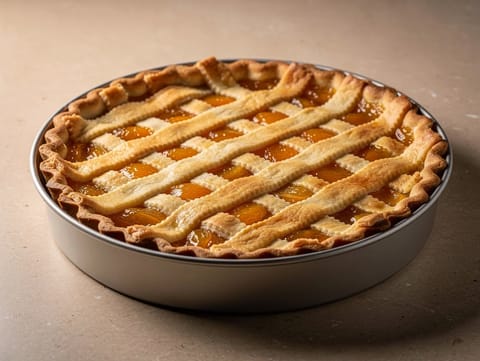
Buttery shortcrust tart filled with apricot jam
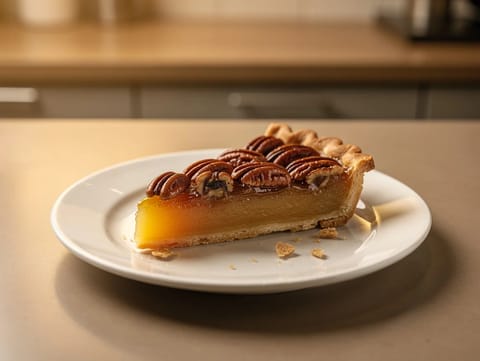
Pecan pie in shortcrust pastry with golden syrup custard
Depth and shape matter. A shallow pan suits thin layers of frangipane, curd or sliced fruit; deeper pans are used when the filling has more volume, such as a thicker custard or a substantial savoury filling. Loose-bottomed pans make unmoulding simpler, especially for delicate crusts, but they can leak with very thin batters unless the pastry is well sealed. Dark metal pans tend to brown bases more readily; lighter metal and ceramic can bake more gently. If a recipe depends on a crisp base, look for instructions that include chilling the shell, docking, or blind baking before adding a wet filling.
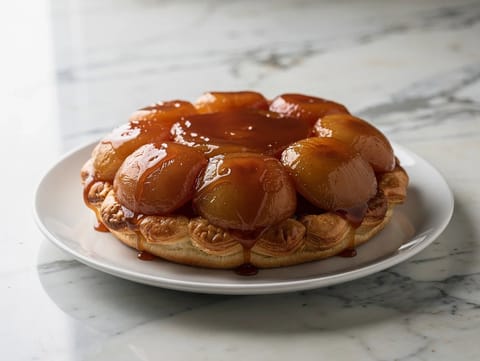
Upside-down caramelised apple tart with puff pastry
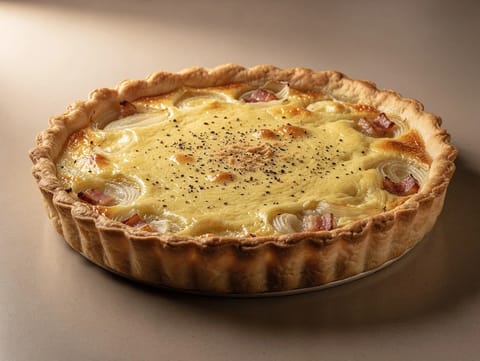
Alsatian onion tart with bacon and crème fraîche custard
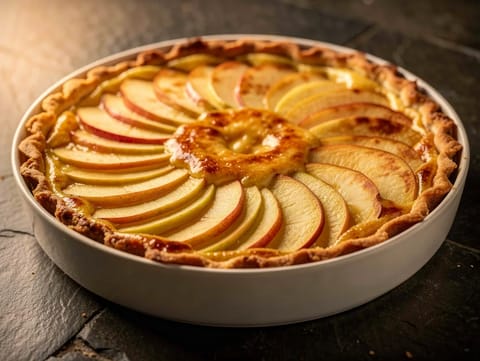
French apple tart with shortcrust pastry and cream custard
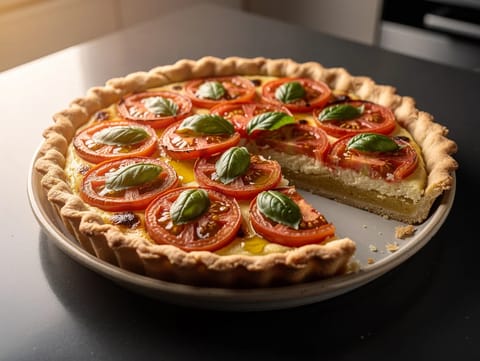
Shortcrust tart with ricotta, tomatoes and fresh basil
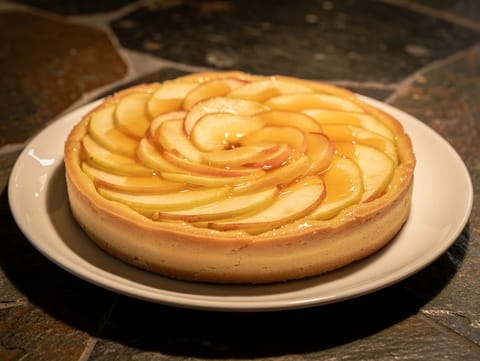
Spanish apple tart with custard and apricot glaze
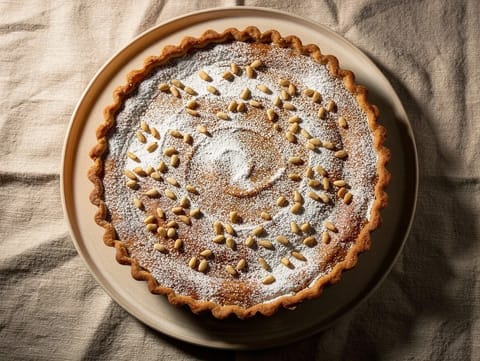
Lemon custard tart topped with pine nuts
Buttery shortcrust tart filled with apricot jam
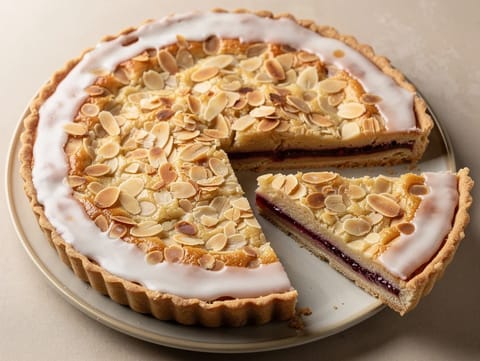
Bakewell tart with raspberry jam and almond frangipane
Pecan pie in shortcrust pastry with golden syrup custard
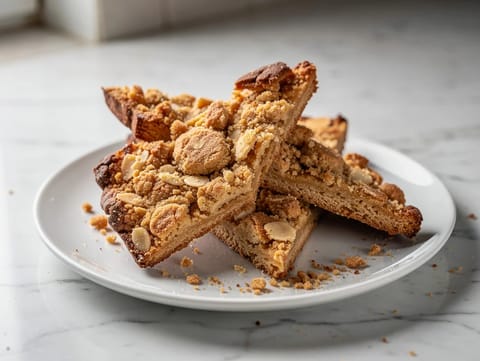
Crumbly Venetian almond cake baked until golden
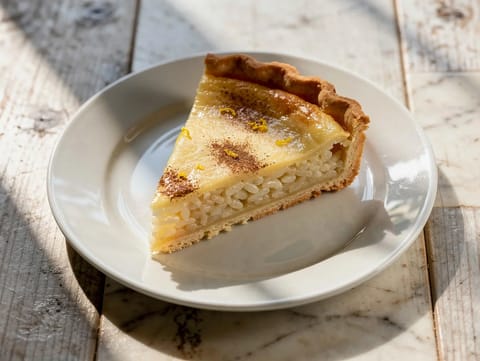
Tuscan rice pudding tart baked in shortcrust pastry
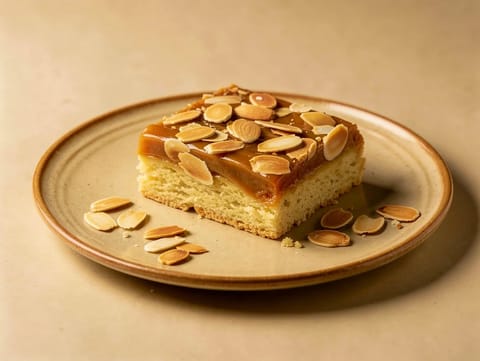
Polish shortcrust tart topped with caramel and toasted almonds
A loose-bottomed tart pan is easiest to unmould when the tart has cooled enough for the crust to firm up. Support the base on a wide tin or flat plate, then lower the ring carefully. If the tart is still warm, the pastry can crack under its own weight. When blind baking, handle hot baking beans or weights with care and lift them out slowly to avoid spills. If you are worried about sticking, a light grease and, where appropriate, a strip of baking parchment under the base can help, but follow the recipe’s guidance so the crust still browns properly.
The first is stretching pastry to fit the pan. Stretched dough shrinks back in the oven, pulling down the sides. Instead, ease the pastry in and let it relax, then chill before baking. Another is adding a wet filling to an underbaked shell, which can leave a soft base. Blind bake until the surface looks dry and set, and seal with egg wash or a thin layer of chocolate if the recipe uses that approach. Finally, avoid cutting the tart in the pan with a knife that can scratch non-stick coatings; lift out first when possible.
Cooking method is useful alongside tart-pan recipes because the key differences are often in blind baking, par-baking and how fillings are set. Difficulty can help you choose between straightforward assembled tarts and those that involve pastry stages such as laminating, custard-making or precise baking cues.
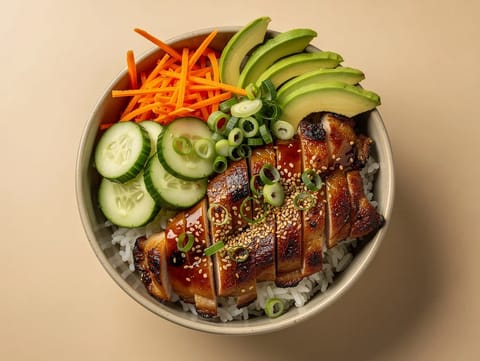
Honey garlic chicken poke bowl with rice, avocado and cucumber.
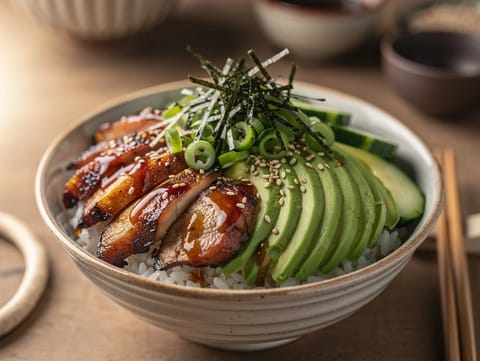
Teriyaki chicken poke bowl with sushi rice, cucumber and avocado.
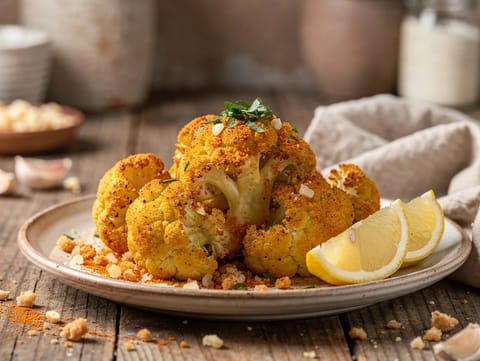
Oven-baked cauliflower with garlic, paprika and breadcrumbs
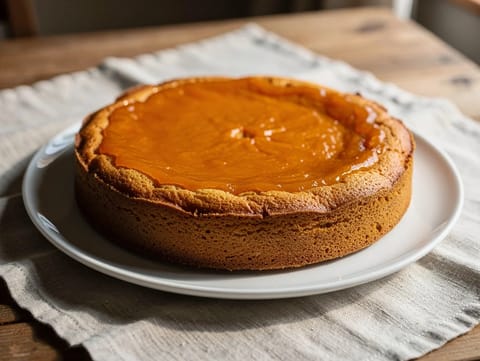
Spiced almond cake with orange zest and apricot glaze
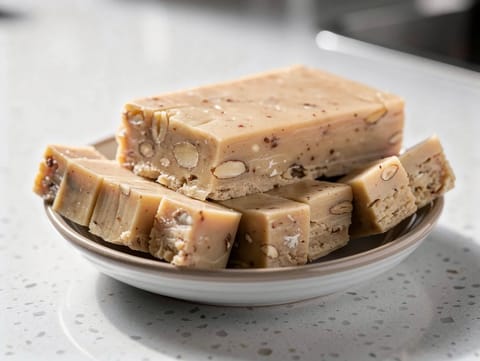
Soft Spanish almond nougat made with honey and sugar
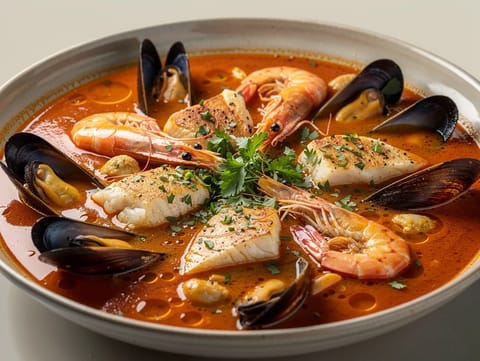
Spanish seafood casserole in saffron tomato broth
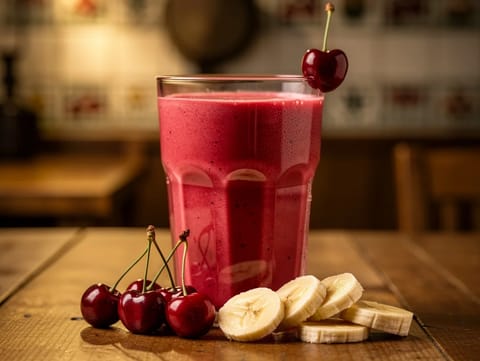
Cherries blended with yoghurt, milk and banana until smooth.
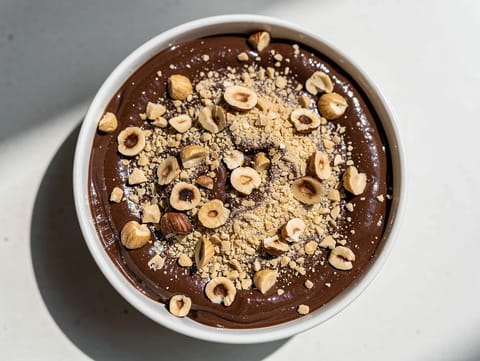
Chocolate hazelnut smoothie bowl with banana, yoghurt, cocoa and nuts.
Not always, but it helps with shape and release. A pie dish or cake tin can work for some recipes, though the sides and base may bake differently and unmoulding can be trickier.
It lets you remove the tart without flipping it. You lift the tart on its base while the outer ring drops away, which protects delicate crust edges.
Pastry often shrinks if it is stretched into the pan or not chilled before baking. Let the dough rest, ease it into place, and chill the lined pan so the butter firms up.
It means baking the pastry shell before adding the filling, usually with weights to stop it puffing. This helps set the shape and keeps the base crisper under wet fillings.
Bake the shell sufficiently before adding the filling, and follow any sealing step the recipe includes, such as egg wash. Also avoid overfilling, which can slow setting and keep the base damp.
Sometimes, especially for deeper tarts, but springform tins are not designed for thin pastry edges and can leak with very fluid mixtures. Expect different browning and release behaviour.
When a recipe specifies a tart pan, it is usually asking for crisp pastry with neat sides and clean slices. Choose recipes where you can follow the chilling and baking stages, and you will get the benefit of the pan without extra fuss.
