
Uttapam (Savoury South Indian Pancake)
Why this recipe works
- Fermented batter: Soaking and fermenting the rice and urad dal gives the batter its gentle tang, lightness and characteristic South Indian flavour.
- Soft centre, golden base: Spreading the batter thickly keeps the middle tender while the hot, lightly oiled pan browns the underside.
- Easy to adjust: The topping can be varied with different onions, tomatoes or herbs while keeping the basic uttapam method intact.
Get the most out of this recipe
Timing notes
- Plan for fermentation: Most of the time is inactive: the rice and dal need soaking, then the mixed batter needs several hours in a warm place to rise and develop a pleasantly sour aroma.
- Best served hot: Cooked uttapam has the best contrast of soft centre and golden base straight from the pan, so serve each batch as it is ready if possible.
Texture tips
- Keep the batter thick: The batter should be thick but pourable. If it is too loose, the uttapam will spread thinly and lose its soft, pancake-like texture.
- Use steady medium heat: Medium heat gives the base time to turn golden while allowing the thicker centre to cook through.
- Use firm tomatoes: Ripe but firm tomatoes add freshness without releasing too much liquid into the batter as it cooks.
Adjust the heat
- For less heat: Use less green chilli or remove the seeds before chopping.
- For more heat: Add extra green chilli to the topping, or serve with a sharper chutney alongside.
Make-ahead tips
- Ferment ahead: Once fermented, the batter can be refrigerated in an airtight container and cooked over the next few days.
- Reheat in a pan: Leftover uttapam reheats best in a lightly oiled frying pan over medium heat until piping hot, which helps restore the base.
Equipment you'll need
Ingredients
Batter
Topping and cooking
Coconut chutney (quick)
Instructions
- Rinse the rice until the water runs mostly clear. In separate bowls, cover the rice with plenty of water, and cover the urad dal and fenugreek with plenty of water. Soak both for 4 hours.
- Drain the rice and blend with a little fresh water to a slightly gritty, thick batter. Drain the urad dal and fenugreek, then blend with a little water until very smooth and fluffy. Combine both batters in a mixing bowl, add the fine sea salt, and mix well.
- Cover and leave the batter to ferment in a warm place until it smells pleasantly sour and has visibly risen. This typically takes 8 to 10 hours depending on room temperature. If it looks very thick after fermenting, stir in a splash of water to reach a thick, pourable consistency.
- Finely chop the yellow onion, dice the tomato, finely chop the green chilli, and roughly chop the fresh coriander. Keep the topping ready by the hob so you can work quickly once the pan is hot.
- Make a quick coconut chutney by blending the fresh coconut with 120 ml water, then blend in the sambar powder and a pinch of the fine sea salt from the measured amount if you like. Scrape into a bowl and set aside. The chutney should be thick but spoonable; add a little more water if needed.
- Heat a large frying pan over medium heat and lightly oil it. Ladle in batter and spread gently into a thick pancake, about 1 to 1.5 cm thick. Scatter over some onion, tomato, green chilli and coriander, then drizzle a few drops of oil around the edges.
- Cook for 2 to 3 minutes until the underside is golden and the top looks set around the edges. Flip and cook for 1 to 2 minutes until cooked through and lightly browned. Repeat with the remaining batter and topping, oiling the pan as needed, and serve hot with the coconut chutney on the side.
Recipe notes
Serving suggestions
This recipe pairs well with:
Tips
- For reliable fermentation, keep the batter somewhere warm and draft-free; a switched-off oven with the light on works well.
- If the batter turns too thin after fermenting, let it stand for 10 minutes, then stir gently; it often thickens slightly as the bubbles settle.
- If serving to pregnant people, young children, older adults, or anyone immunocompromised, make sure the uttapam is cooked through and served piping hot.
Substitutions
- Replace Yellow onion with red onion for a slightly sweeter, sharper topping.
- Replace Tomato with cherry tomatoes for a less watery topping and a brighter flavour.
- Replace Vegetable oil with coconut oil for a more coconut-forward aroma.
Storage
- Refrigerate up to 3 days
- Keep fermented batter in an airtight container in the fridge for up to 3 days. Cooked uttapam is best eaten fresh, but leftovers can be cooled, chilled, then reheated in a lightly oiled frying pan over medium heat until piping hot.
Ratings & reviews
Liked this recipe? Share your feedback to support our cooking community.
Tried this recipe?
Choose 1–5 stars. A comment is optional.
Stay inspired
Discover new recipes, seasonal favourites and cooking inspiration every day. Follow JustRecipes on Pinterest and Spillt.
Recipe overview
- Servings: 2 servings
- Total time: 13h (35min active)
- Difficulty: Medium
- Cuisine: Indian
Plan your meals and get a complete grocery list automatically.
Add to meal plannerEquipment you'll need
Got ingredients left?
Find recipes using ingredients from this recipe or what you already have at home.
Find recipes with these ingredients →
Pannenkoeken (Dutch Savoury Pancakes with Bacon and Onion)
Thin savoury pancakes topped with bacon and onion
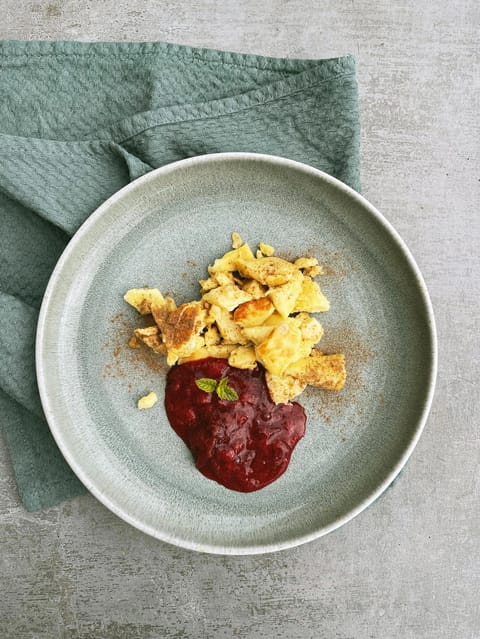
Kaiserschmarrn (Shredded Pancake with Plum Compote)
Fluffy shredded pancake dusted with icing sugar and plum compote

Masala Dosa (Stuffed Rice and Lentil Crêpe)
Crisp rice and lentil crêpes stuffed with spiced potatoes
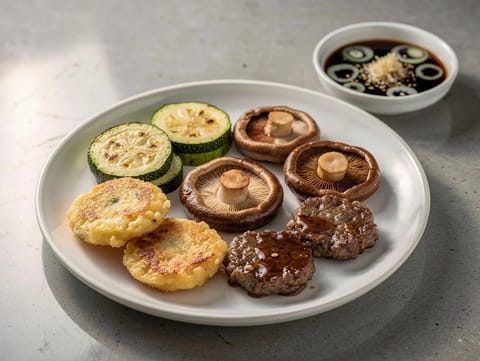
Holiday Jeon (Assorted Korean Pancakes)
Assorted Korean pan-fried pancakes with a soy vinegar dipping sauce

Poppy Seed Pancakes with Lemon and Greek Yoghurt
Fluffy lemon poppy seed pancakes with Greek yoghurt and honey

Filloas (Galician Crepes with Honey)
Thin Galician crepes served warm with honey
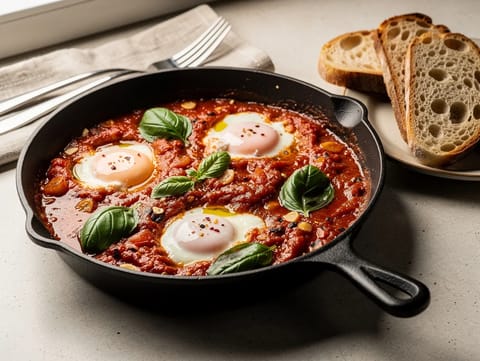
Uova in Purgatorio (Eggs in Tomato Sauce)
Eggs poached in garlicky tomato sauce with chilli and basil
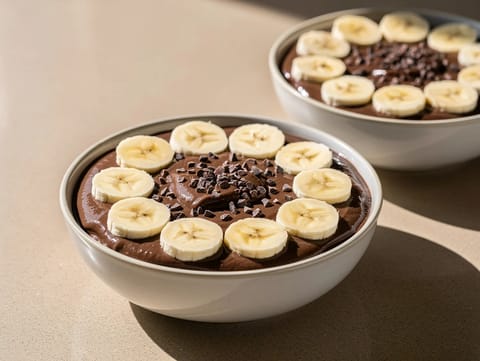
Avocado Cacao Smoothie Bowl
A thick avocado and cacao smoothie bowl with banana.

Protein Banana Pancakes
Banana oat pancakes blended with soy protein and cooked until golden
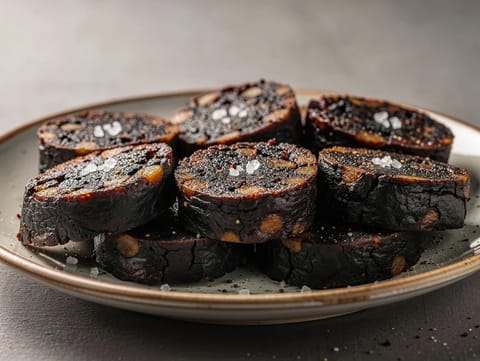
Black Pudding
Pan-fried black pudding, crisp outside and tender inside
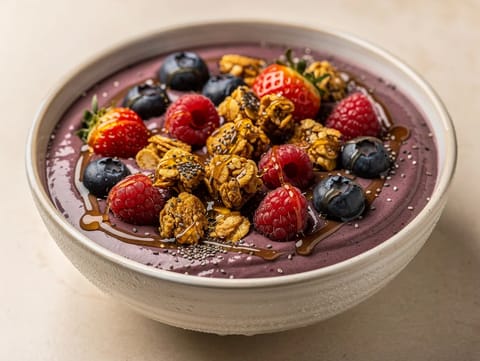
Açaí Berry Granola Bowl
A thick açaí bowl topped with berries and granola.
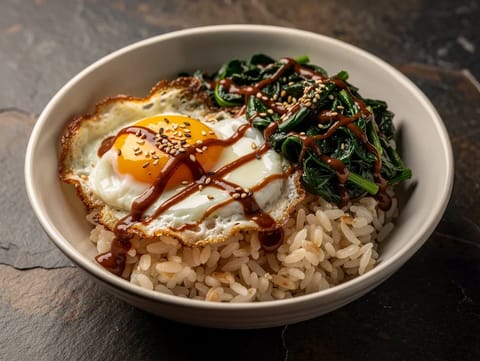
Korean Breakfast Bowl (Egg, Rice, Greens)
Rice bowl with sautéed spinach, fried egg and gochujang dressing
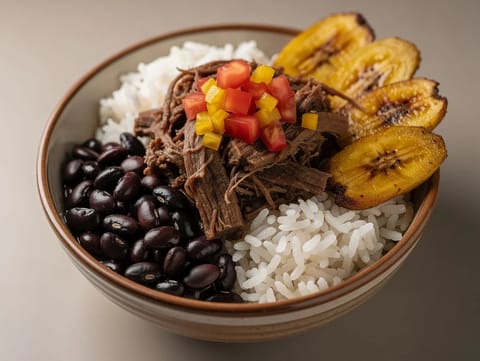
Pabellón Criollo Bowl (Venezuelan Shredded Beef with Rice, Beans and Plantain)
Shredded beef bowl with rice, black beans and fried plantain

Seco de Pollo (Ecuadorian Chicken Braised with Beer and Tomato)
Ecuadorian chicken braised with beer, tomato, peppers and coriander
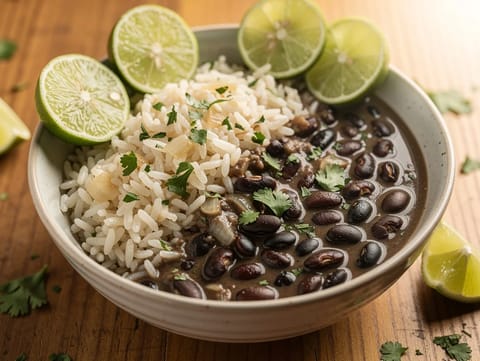
Brazilian Rice and Beans
Rice with creamy black beans, lime and coriander

Arroz a la Tumbada (Mexican Tomato Rice with Seafood)
Tomato rice finished with mixed seafood, coriander and lime

Arroz con Pollo a la Mexicana (One-Pot Chicken and Rice)
One-pot chicken and rice with tomato, peas and sweetcorn
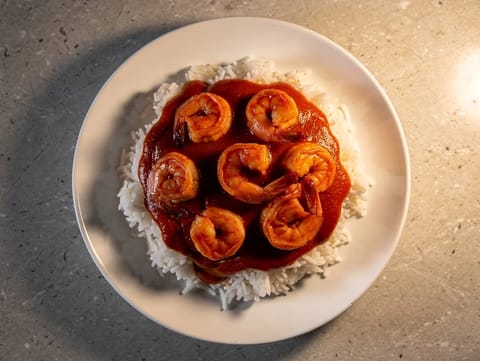
Camarones a la Diabla (Mexican Spicy Prawns)
Spicy prawns in guajillo and árbol chilli tomato sauce
You might also like
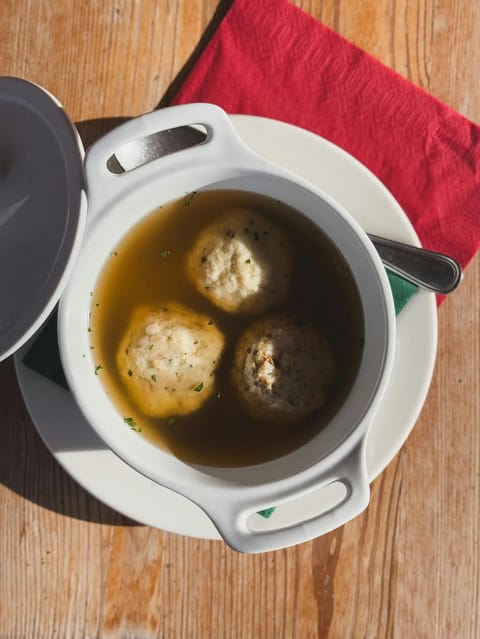
Leberknödel Suppe (German Liver Dumpling Soup)
Clear beef broth with poached German liver dumplings
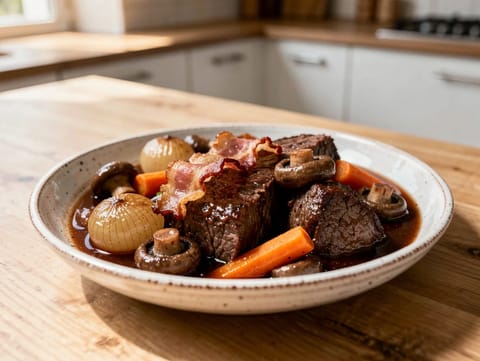
Boeuf Bourguignon Traditionnel (Burgundy Beef Stew)
Red wine beef stew with bacon, mushrooms and pearl onions

Lomo de Cerdo a la Naranja (Pork Loin with Orange Sauce)
Seared pork loin simmered in a glossy orange sauce

Tarte Tatin aux Oignons (Savoury Onion Tarte Tatin)
Upside-down puff pastry tart topped with caramelised onions
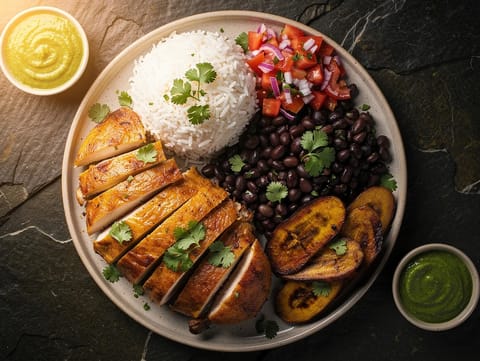
Holiday Latin Table (Festive Meal Spread)
Roast chicken with rice, beans, plantain, and salsa.
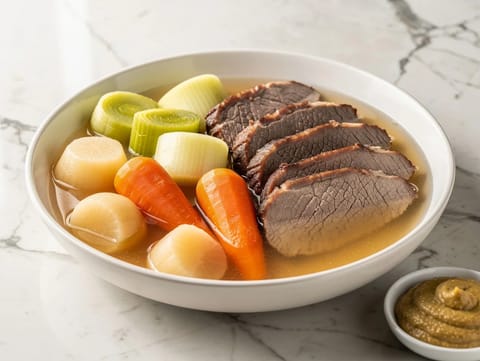
Pot-au-Feu (French Beef Stew)
French beef stew with brisket, vegetables and clear broth
Make this recipe easier next time
AdvertisementThese tools help you get better results with less effort.
Misen Carbon Steel Nonstick Frying Pan 12 Inch
- Works on all stovetops
- Naturally nonstick when seasoned
- Requires seasoning and maintenance
Pyrex Glass Mixing Bowls with Lids
- Microwave safe
- BPA-free lids
- Glass is heavier
All-Clad HA1 Hard Anodized Nonstick Fry Pan 12 Inch
- Top-tier build quality
- Excellent heat distribution
- Expensive
KitchenAid Stainless Steel Mixing Bowls
- Non-slip base
- Stainless steel
- Not microwave safe
Enjoy cooking with JustRecipes?
Add JustRecipes as one of your preferred Google sources to discover our recipes more easily across Google Search.
Add JustRecipes to GoogleEvery recipe on JustRecipes follows the same structured editorial process. Learn how recipes are created, validated, translated, illustrated, and continuously improved across the platform. How we create recipes.
