
Char Siu (Cantonese Barbecued Pork)
Why this recipe works
- Layered savoury sweetness: Hoisin, honey, soy sauces, Shaoxing wine, garlic and five-spice create the deep sweet-savoury character that defines char siu.
- Lacquered finish: Regular basting during roasting builds up a glossy glaze rather than leaving the marinade flat or watery.
- Good hot or cold: The pork can be served warm after resting, or chilled and sliced later for cleaner cuts and easy meals.
Get the most out of this recipe
Timing notes
- Marinate for flavour: Two hours gives the pork time to absorb the marinade; an overnight rest in the fridge will deepen the flavour further.
- Rest before slicing: Let the pork rest for 10 minutes so the juices settle and the glaze firms slightly before carving.
- Serve hot, warm or chilled: Serve straight after resting for a glossy roast finish, or chill fully if you want thinner, neater slices.
Texture tips
- Build the glaze gradually: Turning and basting the pork throughout roasting helps the surface become deeply lacquered rather than patchy.
- Use pork shoulder for tenderness: Boneless pork shoulder has enough fat to stay moist while the outside caramelises.
- Check the thickest part: Use a thermometer and cook until the thickest part reaches 63°C (145°F), then rest before slicing.
Authenticity notes
- Cantonese-style glazing: Char siu is recognised by its glossy, sweet-savoury exterior, created here with honey, hoisin, soy sauces and repeated basting.
- Adapted for a home oven: Roasting in a hot oven gives a practical home-cooking version of Cantonese barbecued pork without specialist roasting equipment.
- Classic serving style: Sliced char siu is commonly served with plain steamed rice or noodles so the glaze can season the whole plate.
Make-ahead tips
- Marinate overnight: For deeper flavour, coat the pork and refrigerate it overnight, keeping it covered until ready to roast.
- Reheat gently: Warm slices in a 180°C (355°F) oven with a little of the cooking juices until piping hot.
- Freeze cooked slices: Cool completely, wrap well and freeze for up to 2 months; defrost overnight in the fridge before reheating.
Equipment you'll need
Ingredients
Instructions
- Crush the garlic to a paste with the fine sea salt. Whisk in the Chinese five spice powder, hoisin sauce, 60 ml of the honey, light soy sauce, dark soy sauce, Shaoxing Cooking Wine and sesame oil until smooth. Reserve 80 ml of this marinade for basting later.
- Cut the pork shoulder into 2 long strips so it roasts evenly and takes on more glaze. Put the pork in a bowl and coat thoroughly with the remaining marinade. Cover and marinate in the fridge for 2 hours.
- Heat the oven to 220°C (430°F). Set a roasting pan on the middle shelf and add a shallow layer of water to the pan to help prevent the drips from burning. Lift the pork out of the marinade, letting the excess drip back into the bowl, and place the pork on the rack or directly in the pan with space between pieces.
- Roast for 15 minutes, then turn the heat down to 180°C (355°F). Roast for a further 35 to 45 minutes, turning the pork every 15 minutes and brushing with the reserved marinade each time. The pork is ready when deeply lacquered and the thickest part reaches 63°C (145°F).
- While the pork finishes roasting, warm the remaining 30 ml honey in a small saucepan over low heat, then whisk in any reserved marinade left after basting. Simmer for 1 to 2 minutes until glossy, then take off the heat. In the last 5 minutes of roasting, brush the pork generously with this final glaze.
- Rest the pork for 10 minutes before slicing. Spoon over any extra glaze from the pan, then serve hot or warm. If serving later, cool quickly, then chill and slice cold for neat pieces.
Recipe notes
Serving suggestions
This recipe pairs well with:
Tips
- For the best colour and shine, keep the heat low when warming the honey glaze so it does not scorch.
- If you have time, marinate the pork overnight for deeper flavour, but keep it covered and refrigerated.
- Food safety: this recipe uses pork, so cook until the thickest part reaches 63°C (145°F) and rest for 10 minutes; vulnerable groups may prefer cooking to 70°C (160°F).
Substitutions
- Replace Pork shoulder with Pork tenderloin for a leaner result; start checking for doneness after 20 to 25 minutes at 180°C (355°F).
- Replace Honey with Maple syrup for a slightly less floral sweetness and a softer glaze.
- Replace Shaoxing Cooking Wine with Dry sherry for a similar aromatic depth.
Storage
- Refrigerate up to 4 days
- Cool completely, then refrigerate in a sealed container. Reheat slices in a 180°C (355°F) oven with a spoonful of any juices until piping hot, or eat cold. Freeze well wrapped for up to 2 months and defrost overnight in the fridge before reheating.
Ratings & reviews
Liked this recipe? Share your feedback to support our cooking community.
Tried this recipe?
Choose 1–5 stars. A comment is optional.
Stay inspired
Discover new recipes, seasonal favourites and cooking inspiration every day. Follow JustRecipes on Pinterest and Spillt.

Recipe overview
- Servings: 4 servings
- Total time: 3h 5min (25min active)
- Difficulty: Medium
- Cuisine: Chinese
-
Allergens:
Sesame Soybeans
Plan your meals and get a complete grocery list automatically.
Add to meal plannerEquipment you'll need
Got ingredients left?
Find recipes using ingredients from this recipe or what you already have at home.
Find recipes with these ingredients →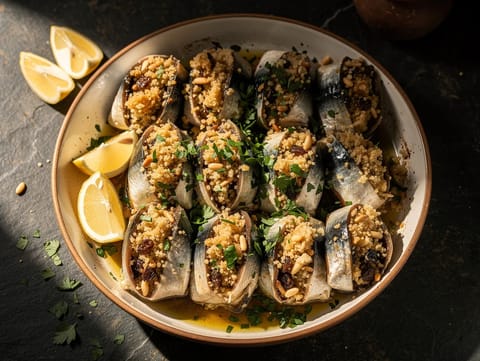
Sarde a Beccafico (Sicilian-Style Stuffed Sardines)
Baked stuffed sardines with breadcrumbs, pine nuts and raisins
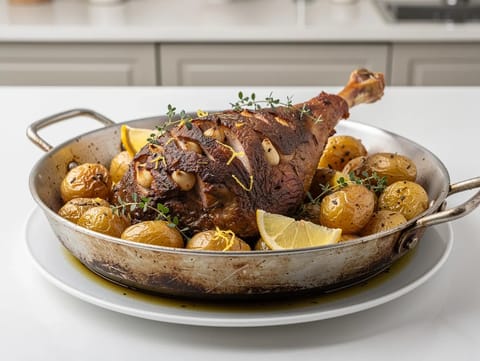
Lamb Kleftiko (Slow-Roasted Lamb with Garlic, Lemon and Potatoes)
Slow-roasted Greek lamb with garlic, lemon and potatoes
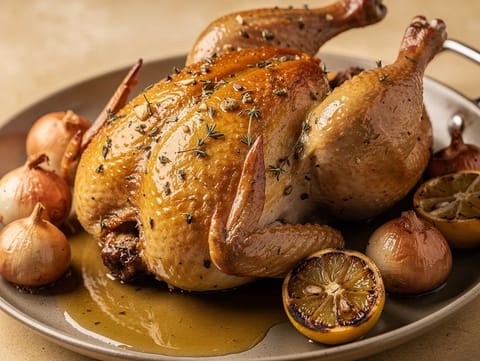
Poulet Rôti (Garlic and Herb Roast Chicken)
Garlic and herb roast chicken with lemon and white wine juices
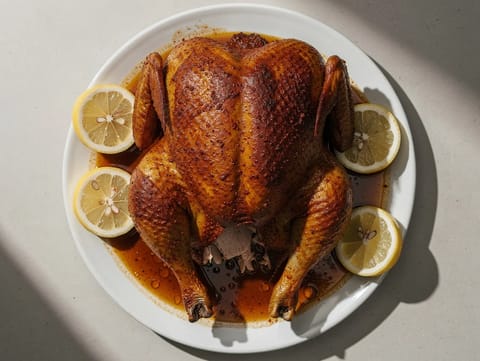
Frango Assado à Portuguesa (Portuguese-Style Roast Chicken)
Portuguese-style roast chicken with garlic, paprika, lemon and olive oil
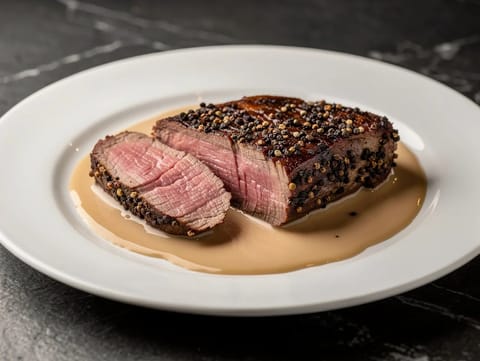
Steak au Poivre with Cognac Cream Sauce
Peppercorn-crusted steak with a cognac and cream pan sauce
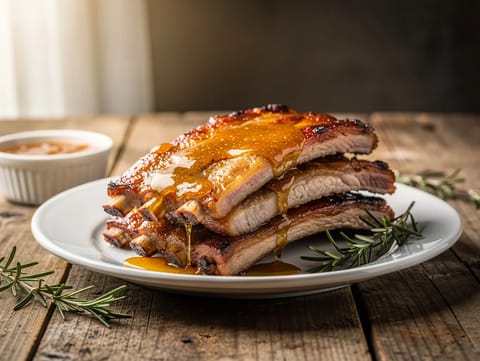
Oven-Baked Baby Back Ribs with Honey Glaze
Slow-baked ribs finished with a sticky honey glaze
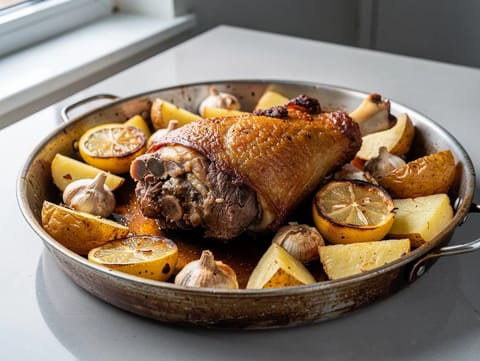
Arni Kleftiko (Slow-Roasted Lamb with Potatoes and Lemon)
Slow-roasted lamb with potatoes, lemon and oregano

Zwiebelkuchen (German Onion Tart with Bacon)
German yeasted onion tart with bacon and crème fraîche

Smoked Sausage Skillet with Potatoes and Sauerkraut
One-pan smoked sausage with potatoes, sauerkraut and paprika
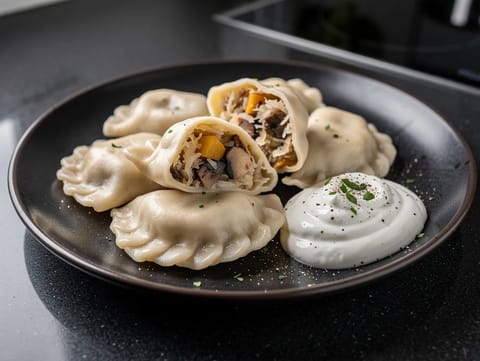
Pierogi z Kapustą i Grzybami (Sauerkraut and Mushroom Dumplings)
Polish pierogi filled with sauerkraut and mushrooms
Coq au Vin (Chicken Braised in Red Wine)
Chicken braised in red wine with pancetta and mushrooms
Fusion Shrimp Rice Bowl
Prawn rice bowl with avocado, cucumber and sriracha mayonnaise.
Cantonese Roast Duck (Home-Style Crispy Duck)
Cantonese roast duck with crisp skin

Char Siu Pork with Steamed Rice
Sticky roasted char siu pork served with steamed rice
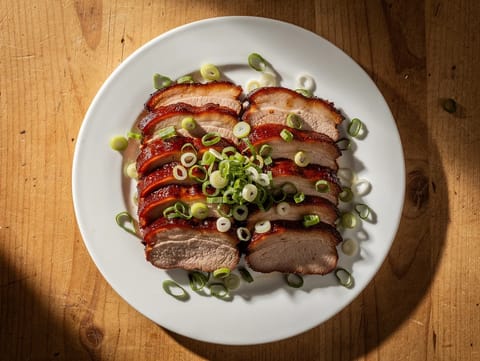
Char Siu Pork (Chinese BBQ Pork)
Roasted char siu pork with a glossy hoisin and honey glaze
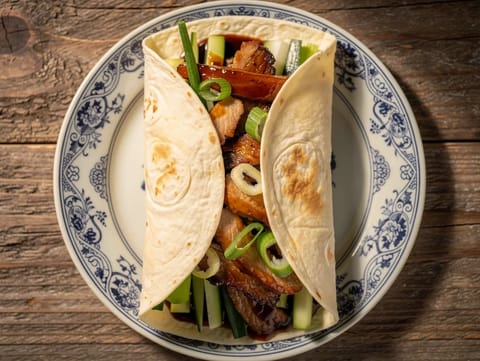
Chinese-Inspired Pork Wrap
Tortilla wrap filled with hoisin pork, cucumber and spring onion
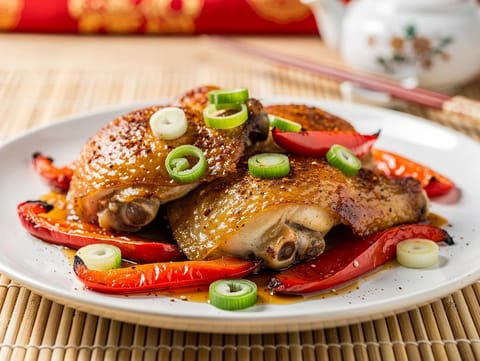
Chinese Five-Spice Chicken Traybake with Soy and Honey
Sticky five-spice chicken traybake with soy, honey and peppers
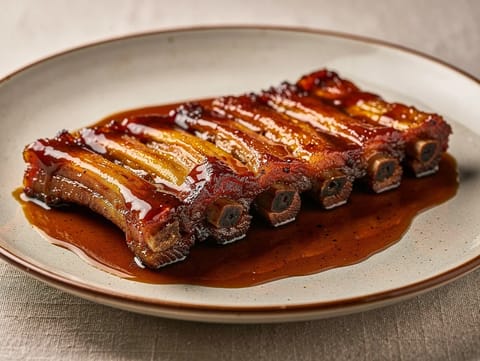
Five-Spice Pork Ribs (Holiday Style)
Sticky five-spice pork ribs roasted with soy and honey
You might also like
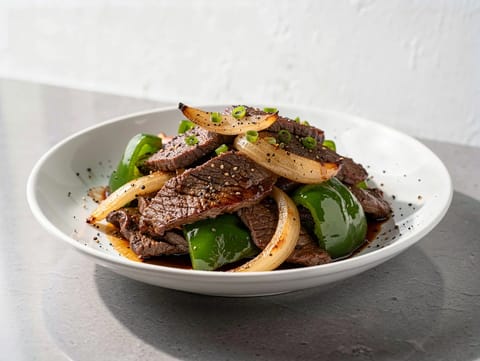
Cantonese Black Pepper Beef Stir-Fry (Peppery Beef with Peppers and Onion)
Peppery beef stir-fry with green pepper, onion and glossy sauce

Chinese Cabbage and Shiitake Rice Bowl
Jasmine rice with Chinese cabbage and shiitake mushrooms

Avocado and Egg Smørrebrød on Rye with Dill
Rye smørrebrød topped with avocado, soft-boiled egg and dill
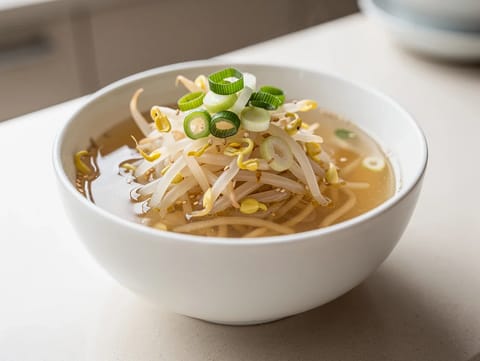
Kongnamul Guk (Korean Soybean Sprout Soup)
Light soybean sprout soup with anchovy broth and garlic

Amandelkrans (Almond Wreath Pastry)
Buttery almond wreath pastry with flaked almonds and icing glaze

Nikujaga (Beef and Potato Stew)
Japanese beef stew with potatoes and onion in a savoury broth
Make this recipe easier next time
AdvertisementThese tools help you get better results with less effort.
WMF Mini Saucepan 16 cm with Lid
- High-quality stainless steel
- Even heat distribution
- Higher price point
T-fal Specialty Nonstick Handy Pot with Glass Lid 3 Quart
- Easy food release
- Dishwasher safe
- Not induction compatible
All-Clad Tri-Ply Stainless Steel Saucepan
- Excellent heat control
- Premium build quality
- Expensive
Enjoy cooking with JustRecipes?
Add JustRecipes as one of your preferred Google sources to discover our recipes more easily across Google Search.
Add JustRecipes to GoogleEvery recipe on JustRecipes follows the same structured editorial process. Learn how recipes are created, validated, translated, illustrated, and continuously improved across the platform. How we create recipes.
