
Tamales de Rajas con Crema (Poblano and Crema Tamales)
Why this recipe works
- Roasted chilli depth: Blistering the poblanos before filling the tamales gives the rajas a smoky, savoury flavour without making the dish very hot.
- Creamy filling: Crema coats the poblano and onion so the filling stays rich and tender inside the steamed masa.
- Steamed masa structure: Spreading the masa in corn husks and steaming it gently helps it set into a soft, cohesive dough that pulls cleanly from the wrapper.
Get the most out of this recipe
Timing notes
- Allow time for assembly: Most of the active work is in soaking the husks, roasting the poblanos and filling each tamal, so clear enough workspace before you begin.
- Rest before serving: Let the tamales stand covered after steaming; this short rest helps the masa finish setting and release more neatly from the husk.
Texture tips
- Hydrate the masa well: Add the hot stock gradually and mix until the dough is soft, spreadable and able to hold its shape.
- Keep the steam steady: A gentle, consistent simmer cooks the masa evenly; top up with hot water as needed so the pot does not run dry.
- Use the husk test: The tamales are ready when the husk peels away cleanly and the masa feels tender and set rather than wet.
Ingredient notes
- Poblanos bring mild smoke: Poblano peppers give the filling its recognisable rajas flavour: green, gently smoky and usually mild rather than fiery.
- Crema alternatives: Crème fraîche works well if Mexican crema is unavailable, though it gives the filling a slightly tangier finish.
- Fat affects the masa: Lard gives traditional richness and tenderness; plant-based butter can be used for a vegetarian version with a similar soft texture.
Make-ahead tips
- Make ahead for easier serving: Cooked tamales keep well in the fridge once cooled, making them useful for preparing before a gathering or busy weeknight meal.
- Freeze after steaming: Cool completely, freeze in a sealed container, then re-steam from frozen until hot throughout.
- Reheat with moisture: Steaming is the best way to restore the soft masa texture; if microwaving, cover with a splash of water to prevent drying.
Equipment you'll need
Ingredients
Instructions
- Soak the corn husks in very hot water for 45 minutes until pliable, keeping them submerged. Drain well and pat dry; tear a few husks into thin strips to use as ties.
- Heat the oven to 230°C (450°F). Put the poblano peppers on a baking tray and roast for 15 to 20 minutes, turning once, until blistered and blackened in patches.
- Transfer the peppers to a bowl and cover to steam for 10 minutes, then peel off the skins. Remove the stems and seeds, then cut the flesh into thin strips.
- Thinly slice the onion. In a bowl, stir the poblano strips and onion through the Mexican crema with 0.5 tsp of the fine sea salt, then set aside.
- In a mixing bowl, whisk the lard until lightened and creamy. Whisk in the masa harina, baking powder and the remaining fine sea salt, then gradually whisk in the hot vegetable stock until you have a soft, spreadable dough that holds its shape.
- Lay a husk smooth side up with the wide end closest to you. Spread a thin layer of masa over the centre, leaving a border at the sides and top, then spoon a line of the poblano and crema filling down the middle.
- Fold the long sides of the husk in towards the centre to enclose the filling, then fold up the narrow end. Tie with a strip of husk and repeat with the remaining husks, masa and filling.
- Set up a steamer over a large pot with a few centimetres of water, making sure the water does not touch the steamer base, and bring to a steady simmer. Stand the tamales upright with the open ends facing up, cover, and steam for 55 to 65 minutes, topping up with hot water as needed.
- Check for doneness: the husk should peel away cleanly and the masa should feel set and tender rather than wet. Rest the tamales, covered, for 10 minutes before serving so the masa finishes setting.
Recipe notes
Tips
- If your steamer is small, steam in batches and keep the first batch warm, covered, in a low oven at 120°C (250°F).
- For the best texture, keep the stock hot when mixing the masa so the dough hydrates evenly and spreads smoothly.
- When steaming, maintain a gentle but steady simmer; if the water boils dry, the tamales can cook unevenly and stick.
Substitutions
- Replace Mexican crema with crème fraîche for a slightly tangier filling.
- Replace lard with plant-based butter for a vegetarian-friendly fat with a similar richness.
- Replace vegetable stock with water for a cleaner corn flavour in the masa.
Storage
- Refrigerate up to 3 days
- Cool tamales completely, then refrigerate in a sealed container. Reheat by steaming for 10 to 15 minutes until piping hot, or microwave covered with a splash of water until hot throughout; freeze for up to 2 months and re-steam from frozen for 20 to 25 minutes.
Ratings & reviews
Liked this recipe? Share your feedback to support our cooking community.
Tried this recipe?
Choose 1–5 stars. A comment is optional.
Stay inspired
Discover new recipes, seasonal favourites and cooking inspiration every day. Follow JustRecipes on Pinterest and Spillt.

Recipe overview
- Servings: 4 servings
- Total time: 2h 30min (1h active)
- Difficulty: Advanced
- Cuisine: Mexican
Plan your meals and get a complete grocery list automatically.
Add to meal plannerEquipment you'll need
Got ingredients left?
Find recipes using ingredients from this recipe or what you already have at home.
Find recipes with these ingredients →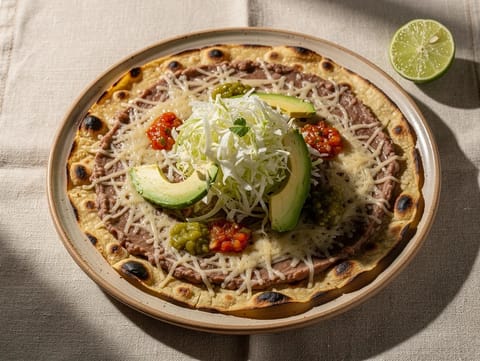
Tlayuda Oaxaqueña (Oaxacan Crisp Tortilla with Beans and Cheese)
Crisp tlayuda topped with beans, Oaxaca cheese, cabbage and avocado
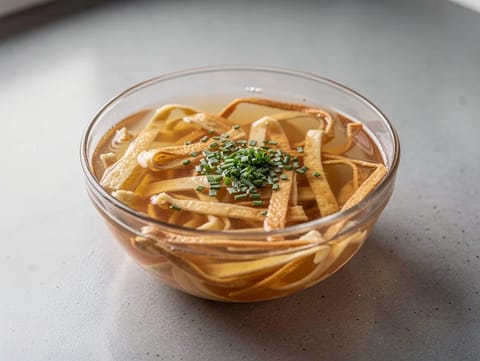
Flädlesuppe (Swabian Pancake Soup)
Clear beef stock with thin pancake ribbons and chives
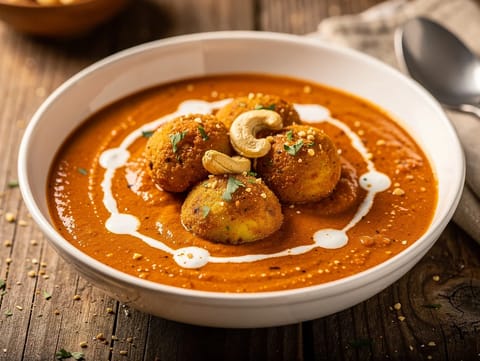
Malai Kofta in Creamy Tomato Sauce
Paneer and potato kofta in creamy tomato and cashew sauce
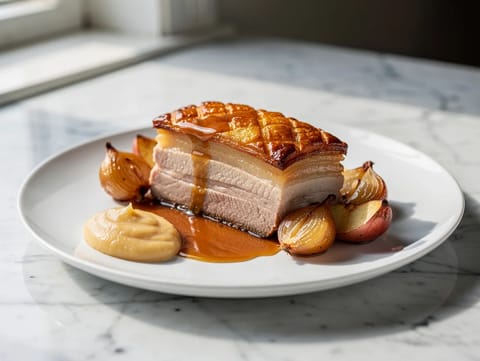
Pork Belly with Cider Gravy and Apple Sauce
Roast pork belly with cider gravy and Bramley apple sauce
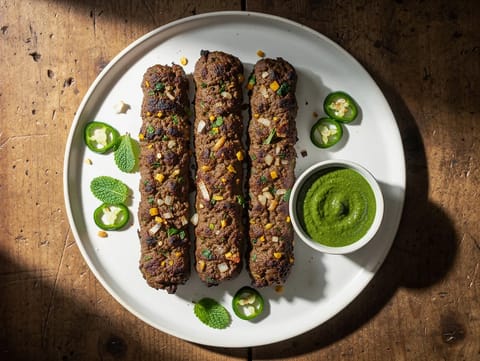
Lamb Seekh Kebabs with Mint Chutney
Grilled lamb seekh kebabs served with mint chutney
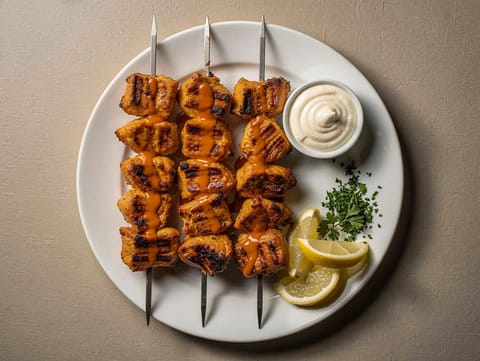
Shish Tawook (Marinated Chicken Skewers with Garlic Sauce)
Grilled chicken skewers marinated in yoghurt, lemon and garlic
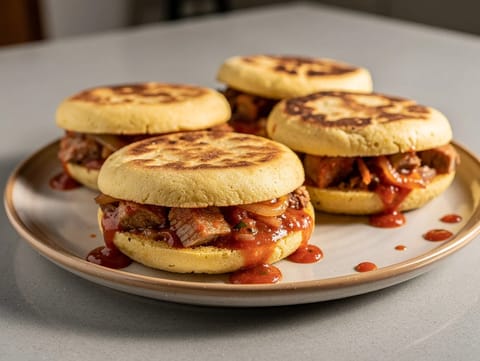
Gorditas de Chicharrón (Stuffed Thick Corn Cakes)
Griddled gorditas filled with chicharrón in tomato chilli sauce
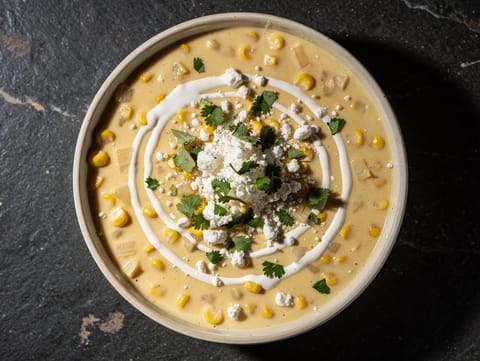
Sopa de Elote con Crema (Mexican Sweetcorn Soup)
Creamy Mexican sweetcorn soup finished with crema and lime
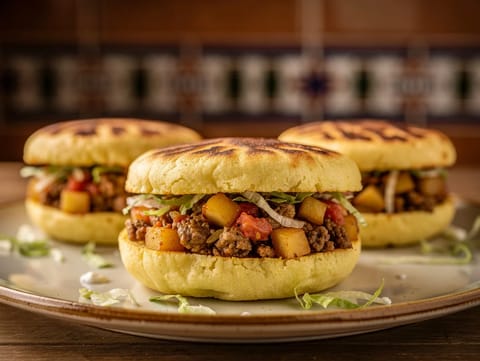
Gorditas de Picadillo (Stuffed Masa Cakes with Minced Beef)
Griddled masa cakes stuffed with minced beef picadillo and potato
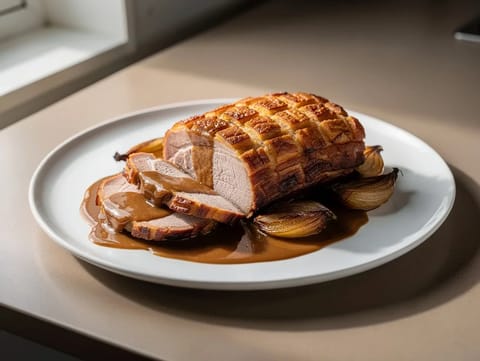
Fläskstek (Roast Pork with Crackling)
Roast pork shoulder with crisp crackling and rich gravy
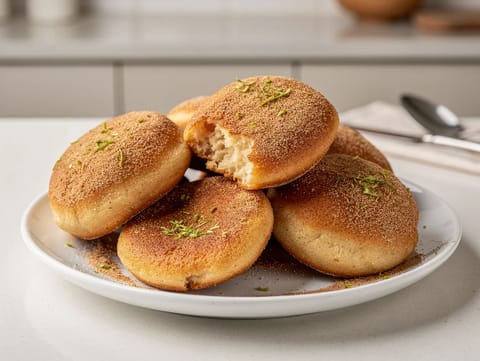
Gorditas de Azúcar (Sweet Fried Masa Cakes)
Sweet fried masa cakes coated in cinnamon sugar
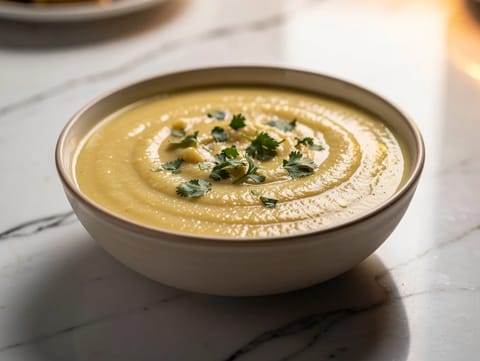
Sopa de Plátano (Colombian Plantain Soup)
Smooth plantain soup finished with double cream and coriander
You might also like
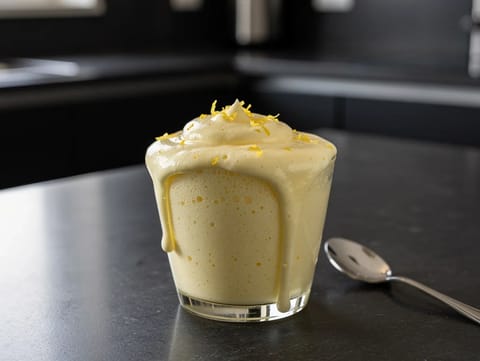
Zabaglione with Moscato (Warm Whisked Custard)
Warm zabaglione whisked with Moscato, egg yolks and sugar
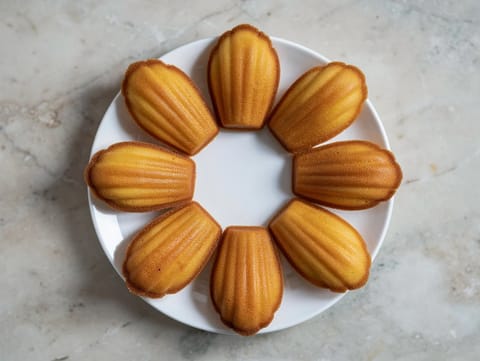
Madeleine Cakes
French shell-shaped sponge cakes with lemon and vanilla
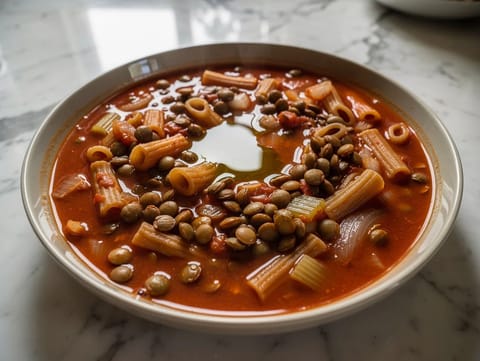
Vegan Pasta e Lenticchie (Italian Lentil Pasta Stew)
One-pot vegan pasta and lentil stew with rosemary
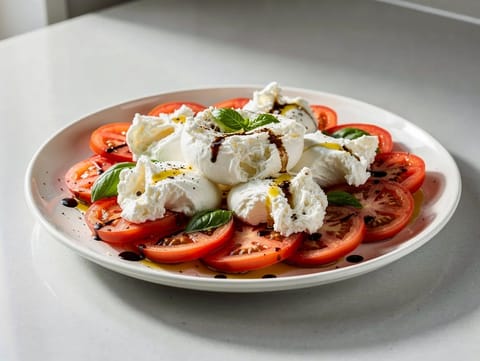
Insalata Caprese con Burrata (Tomato and Burrata Salad)
Ripe tomatoes and burrata with basil, olive oil and balsamic
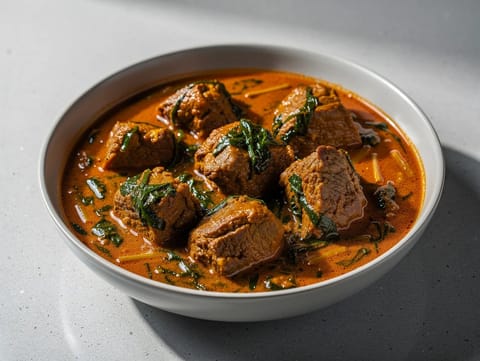
Saag Gosht (Lamb and Mustard Greens Curry)
Lamb curry simmered with mustard greens and spices
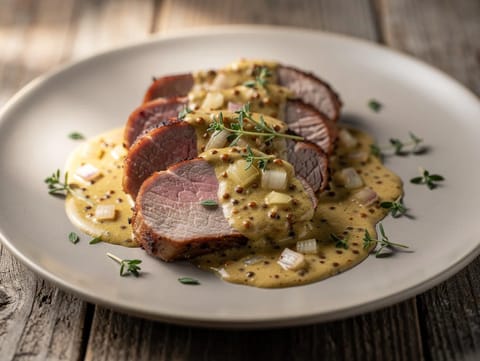
Pork Tenderloin with Dijon Mustard and Cream Sauce
Pan-seared pork in a Dijon mustard and cream sauce
Make this recipe easier next time
AdvertisementThese tools help you get better results with less effort.
KitchenAid Stainless Steel Mixing Bowls
- Non-slip base
- Stainless steel
- Not microwave safe
Pyrex Glass Mixing Bowls with Lids
- Microwave safe
- BPA-free lids
- Glass is heavier
OXO Good Grips Stainless Mixing Bowl Set
- Non-slip base
- Comfort grip
- Higher price
Enjoy cooking with JustRecipes?
Add JustRecipes as one of your preferred Google sources to discover our recipes more easily across Google Search.
Add JustRecipes to GoogleEvery recipe on JustRecipes follows the same structured editorial process. Learn how recipes are created, validated, translated, illustrated, and continuously improved across the platform. How we create recipes.
